Most of us spend plenty of hours behind the wheel. Whether it is the daily commute through stop-and-go traffic, weekend drives with the family, or those longer trips to see relatives or handle work, the road has a habit of tossing small surprises our way. A sudden brake that sends a passenger's head into the side window, a tire change on the gravel shoulder where sharp bits wait, or simple fatigue that turns a minor stumble into something more annoying.
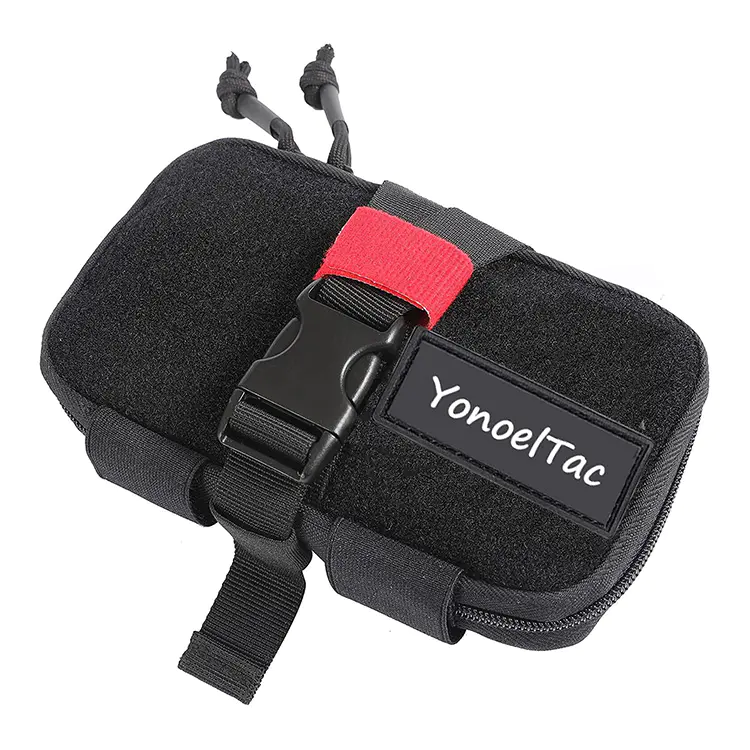
Keeping a DIN13164 first aid kit in the vehicle gives you a practical, organized collection of supplies designed specifically for car situations. It is not about expecting drama on every drive. It is about having what you need to deal with the ordinary mishaps that can still disrupt plans or leave someone uncomfortable for longer than necessary.
There is a calm feeling that comes from knowing you do not have to scramble if something goes wrong. Imagine pulling over after a minor bump in traffic and noticing one of the passengers has a cut that is bleeding more than you expected.
Instead of rummaging through random tissues or hoping the next exit has a store, you reach for the kit and get straight to work with clean gloves, a proper pad, and a bandage that stays in place. Drivers who have faced even small incidents often mention how this quick access lowers the stress level for everyone in the car. It creates those few steady minutes while you figure out the next step or wait for help to arrive.
For parents, that sense of control becomes especially valuable. Kids can turn emotional fast when they get hurt, and having supplies right there helps settle things without adding extra chaos to the moment.
Cars carry all sorts of people on any given day. Toddlers fidgeting in their seats, grandparents who tire more easily on long stretches, or friends squeezed in for a group outing. Each person can react differently to the little bumps and scrapes that happen during travel.
A child might pick up a scrape while climbing in and out at a rest stop. An older passenger could twist an ankle awkwardly on uneven ground when stepping out. The DIN13164 kit offers materials that let you address these everyday issues without much fuss. You can clean the area, cover it properly, and provide basic support where needed.
This preparation means the drive can keep moving forward instead of turning into an unplanned detour. Many drivers say it makes family travel feel noticeably less stressful, because you are not constantly wondering what might happen if someone gets a minor injury far from familiar help.
A surprising number of problems on the road have nothing to do with major collisions. You stop to fix a flat tire and catch your hand on something sharp. Or you deal with a bee sting while stretching your legs at a scenic pull-out during a warm afternoon.
Sometimes someone feels light-headed after hours in the sun, or a small burn appears from touching a hot engine part while checking under the hood. These are exactly the situations where a DIN13164 first aid kit proves its worth. The supplies focus on stopping bleeding quickly, keeping wounds clean from road dust and dirt, and offering simple coverings or wraps that hold up well in outdoor conditions.
In stretches where the next town sits many miles away, that self-contained help can mean the difference between finishing your day as planned and spending extra hours managing discomfort or delays. Even in familiar local areas, these little events add up over time, and having the right items close by keeps them from growing into bigger interruptions.
Many regions pay attention to what drivers carry for basic emergencies, particularly during vehicle checks or when crossing borders. A kit that follows the DIN13164 standard lines up well with those general expectations for cars.
Fleet managers who oversee multiple vehicles often add it to their regular maintenance checklist. This way every car on the team starts with the same reliable base level of supplies. For everyday private drivers, it simply removes one more item from the mental checklist when planning trips that might take you through several different zones.
It is not about overcomplicating rules. The kit just serves as a normal piece of equipment that matches the practical realities of driving, where help might not show up in the first few minutes.
When the miles start to stretch out, the unknowns tend to grow too. Unexpected weather changes, sections of road with few services nearby, or the kind of tiredness that sets in after several hours at the wheel. A DIN13164 first aid kit lives comfortably in the trunk or a side compartment. It takes up little space yet stays ready for those extended journeys.
Drivers who cover big distances regularly talk about how the presence of the kit lets them concentrate more on actual driving and navigation instead of silently running through worry lists in their head. The packaging handles the heat, cold, and constant vibration that come with life inside a vehicle, so the supplies remain usable even after months of sitting there.
Whether the trip involves work deliveries, a summer vacation with the family, or a quiet weekend escape, that steady availability becomes part of what keeps the journey feeling manageable.
Traveling with a team, a sports group, or several families usually means more people and more chances for small things to happen. If one or more vehicles in the group carries a properly stocked DIN13164 kit, the whole party gains a shared safety net.
Someone from another car can quickly borrow gloves or a bandage if needed. The standardized layout means any driver can find what they require without confusion, even if they did not pack the kit themselves. This turns the trip into something a bit more collective. Everyone knows there is practical backup available if a minor scrape or strain appears at a rest area or after a long day on the road.
It fits naturally into group planning without forcing anyone to carry their own full set of supplies.
| Everyday Driving Situation | How the DIN13164 Kit Helps | What Often Happens Without It |
|---|---|---|
| Minor traffic bump or fender-bender | Quick gloves, pad, and bandage to control bleeding | Waiting longer with an open wound in dusty air |
| Scrapes at rest stops or parks | Cleaning wipes and secure dressings | Dirt gets in, discomfort lasts longer |
| Insect stings or small burns | Protective coverage and soothing items | Continued distraction while trying to drive |
| Light strain or fatigue on long drives | Basic support wraps and comfort sheets | Harder to settle the person until help arrives |
| Group travel with mixed ages | Versatile supplies that work for kids and adults | Uneven preparedness across different cars |
| Solo drives on remote roads | Self-contained resources far from services | Greater reliance on luck or distant assistance |
Once you start carrying the kit, checking on it becomes one of those easy habits that fits right alongside other car maintenance tasks. A quick glance every couple of months to make sure nothing has shifted or gone past its best takes hardly any time. Yet it keeps everything reliable when you actually need it.
Plenty of drivers notice that this small habit spills over into other areas. They start paying closer attention to tire tread, fluid levels, and dashboard warning lights too. It builds a broader feeling of being sorted for the road without turning preparation into a big project.
Newer drivers or those getting back behind the wheel after a break often mention that having the kit there feels like a quiet vote of confidence, especially during those first independent trips.
Storage choices matter more than many people realize at first. Tucking the kit in a relatively stable spot helps protect the contents. Keep it away from direct sunlight baking through the rear window or heavy items sliding around in the trunk during sharp turns.
Many designs stay compact enough to slide under a seat or into a side pocket without interfering with groceries or luggage. The outer case usually guards against dust and moisture, but a quick wipe-down now and then does not hurt. Drivers who treat it like any other standard piece of equipment find it lasts well through seasons of regular use, from sticky summer commutes to colder winter runs.
Picture coming across a small accident on a busy highway. The driver in the other car has a nasty cut on their forehead from the mirror. You hand over clean gloves and a proper compress, and suddenly the bleeding slows while everyone waits for the emergency crew to arrive.
Or your own family stops at a park and one of the kids takes a tumble off a bike. Gravel in the knee, tears flowing. The kit lets you clean things up, apply a bandage that actually stays on through the rest of the day, and calm the situation so the outing does not fall apart.
These are not headline-making rescues. They are the kinds of roadside realities that happen to ordinary drivers all the time. Having the right supplies turns you from a worried bystander into someone who can actually help in those first important minutes.
Modern vehicles come loaded with built-in protections. Sturdy seatbelts, warning systems, and stability controls do a lot to prevent trouble before it starts. The DIN13164 first aid kit fills in the human side of things — the part where someone still ends up with a cut, bruise, or strain despite all the technology.
Together they create a more complete picture of preparedness. Drivers who combine the kit with normal servicing and careful habits often say they feel more settled overall, whether they are running quick errands around town or heading toward distant horizons.
Solo commuters appreciate the independence the kit offers on quiet early-morning or late-evening runs. Families with young children value the extra layer for those unpredictable moments kids create. Ride-share drivers or delivery workers who spend entire shifts on the road like the consistency it brings across different vehicles.
Even people who mainly use the car for weekend groceries or short visits find comfort in knowing the basics are there if a minor event pops up. The kit does not demand special training or constant fiddling. It simply sits ready for the kinds of things that actually happen in real driving life.
Weather shifts bring their own set of small challenges. Hot months can mean more fatigue or the occasional burn from surfaces left sitting in the sun. Colder periods introduce slips on icy ground or longer waits in freezing temperatures while waiting for assistance.
The kit's basic coverings and protective sheets help bridge those gaps, keeping people a bit more comfortable until the situation improves. Many drivers simply leave it in place all year round. They might adjust the storage spot slightly depending on the season, so it is never something they have to remember to pack at the last minute.
All these pieces add up to a straightforward case for making a DIN13164 first aid kit a normal part of any vehicle. It handles the immediate little problems that arise on the road, lines up with common safety practices, and gives a practical boost of confidence that fits into busy driving routines without asking for much in return.
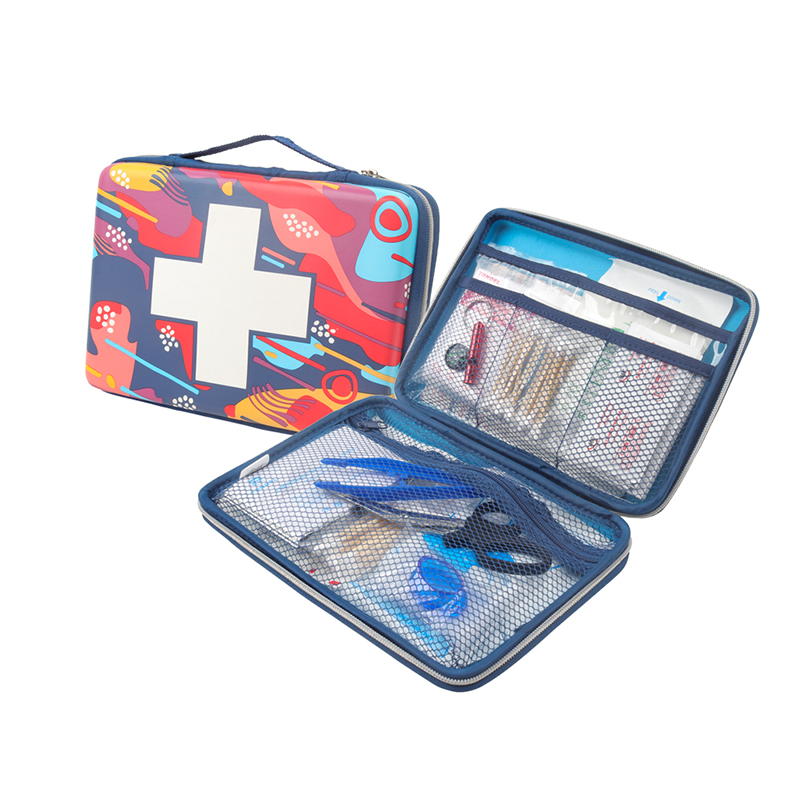
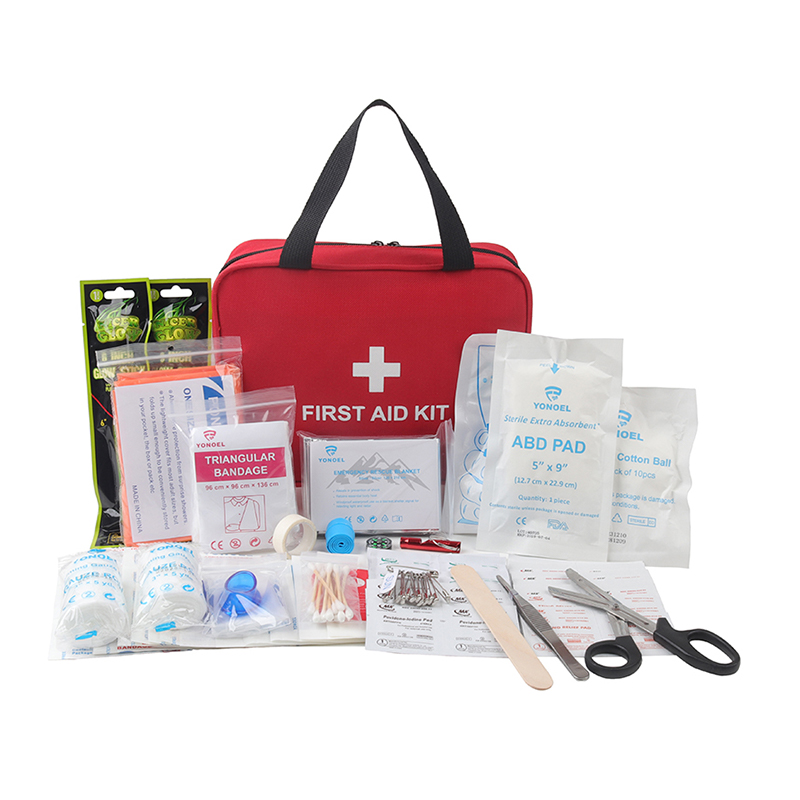
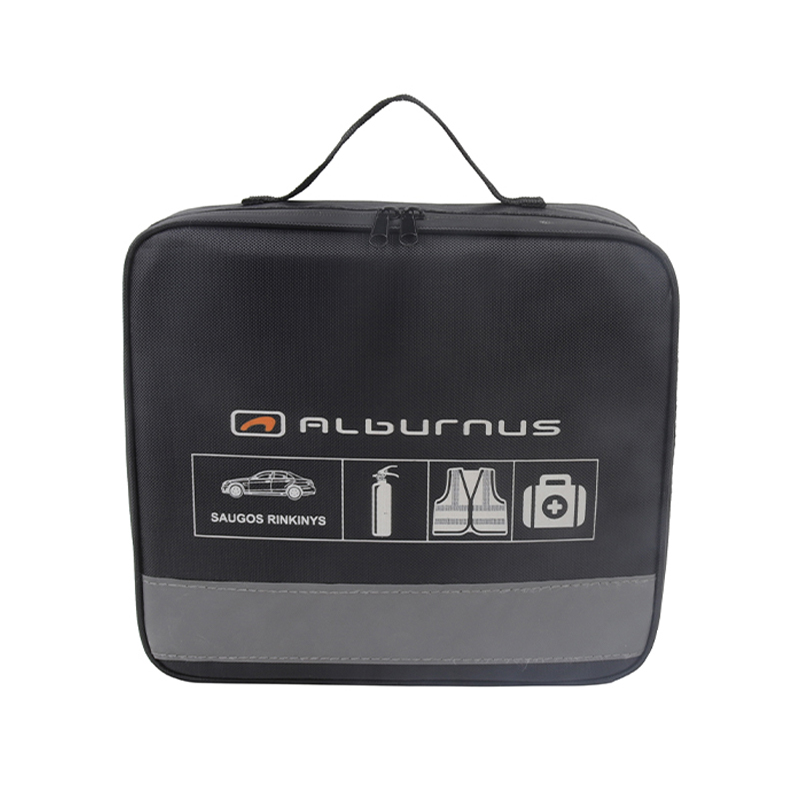
For those looking for a well-made DIN13164 first aid kit, dedicated manufacturing facilities offer dependable options built around real vehicle needs.
Yonoel factory puts genuine care into each stage of production. They choose materials that stand up to the dust, temperature swings, and constant movement that come with daily life inside a car. The team focuses on designs that stay compact yet open clearly when needed, so drivers can reach the right supplies without frustration.
This consistent approach results in kits that become a reliable part of daily commutes, family road trips, and everything in between. They support people who simply want to stay a bit more prepared on the road.
No. 52, Hulian West Street, Jiangbei Street, Dongyang City, Jinhua City, Zhejiang Province, China
Quick Links
Product Center
Contact Us
 PRIVACY

 English
 Deutsch
 Français
 русский
 Español