Spending time outdoors brings real satisfaction, but it also means dealing with moments when things do not go exactly as planned. A trail might wash out after heavy rain, a twisted ankle could happen on rocky ground, or a sudden allergy flare-up might hit far from any road. An outdoor survival kit is simply a compact set of practical items that helps you manage those situations until you reach safety or help arrives. Picking the right kit is not about grabbing the biggest or fanciest option on the shelf. It comes down to looking closely at where you usually go, what kinds of conditions you face there, and any personal health factors that could turn a minor issue into something more serious.
The best kits feel like a natural extension of your regular gear rather than extra baggage. They stay useful because their contents match the real risks of your typical outings. Someone who hikes in steady rain needs different protection than a person scrambling over loose rock in the mountains. A hiker with a heart condition might need space for specific medication, while someone with severe allergies wants quick access to an epinephrine option. Thinking through these details early saves weight and prevents that sinking feeling when you realize something important is missing at the wrong moment.
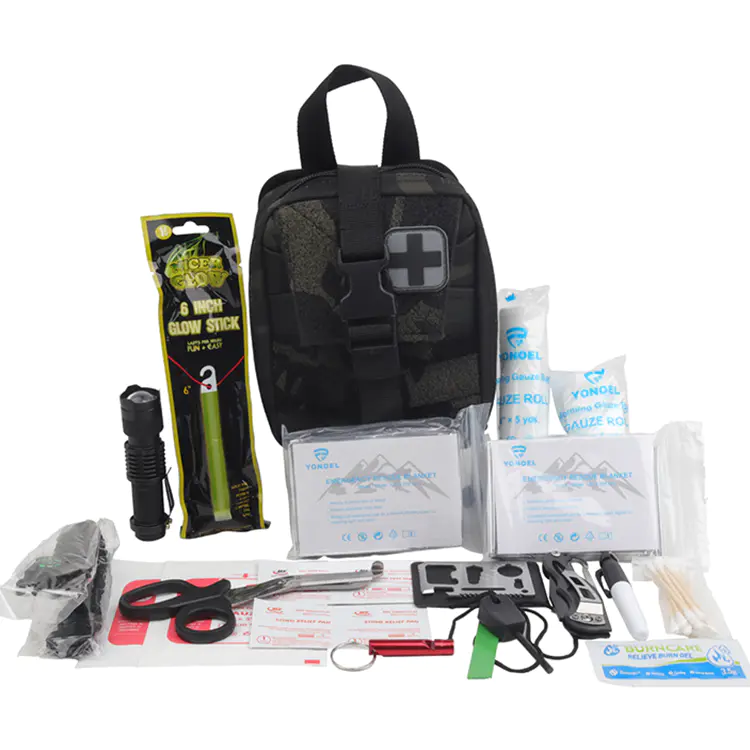
Start by picturing the places you actually visit. If your trips often take you into rainy forests or coastal trails, the kit needs strong waterproofing. A moisture-resistant outer case keeps bandages dry and fire starters working even after days of drizzle. Extra cordage for rigging a quick tarp or poncho becomes essential because staying dry directly affects how well your body handles cold and fatigue. In those wet environments, mold-resistant materials and items that dry quickly matter more than bulkier insulation.
Rocky mountain terrain brings its own demands. Loose stones and uneven paths increase the chance of blisters or sprains, so the kit should include plenty of blister pads, moleskin, and extra sock liners to reduce friction against skin. Sturdy cutting tools or a multi-tool with a file edge help clear small obstacles or adjust gear on the spot. Ankle support wraps or basic tape can stabilize minor twists before they worsen. The kit also benefits from items that provide better grip or leverage when scrambling over boulders.
Open desert or dry high-country areas shift the focus toward water and heat management. Larger water storage and purification tools become critical because natural sources may be scarce or contaminated. Sun protection elements like a wide-brim hat clip or extra lip balm with SPF help prevent burns that drain energy fast. In these spots the kit needs to stay light so you can carry more water without wearing yourself out.
Coastal or riverside outings add another layer. Salt spray and sudden tides mean the kit should handle corrosion better and include signaling tools visible from a distance. Personal health conditions add their own requirements too. If you manage a heart condition, the kit must have dedicated space for quick-acting medication like nitroglycerin tablets or whatever your doctor recommends, stored in a clearly labeled, crush-proof container. People with asthma often add room for an inhaler and spacer so it stays accessible without digging. Diabetes means including glucose tablets or gels that resist temperature swings and stay easy to consume on the move. Severe allergies call for epinephrine auto-injectors if prescribed, plus antihistamines and a written note about your condition for first responders. Always check with your doctor about how to pack personal medications safely so they remain effective in varying temperatures.
Group size changes things further. Solo hikers lean toward ultra-light kits they can manage alone. Families or small groups might carry shared items like larger water filters or extra blankets so the load spreads out. Seasonal shifts matter as well — winter kits need reliable fire starters that ignite even when wet, while summer versions prioritize insect netting and hydration salts.
Every solid kit covers a handful of basics, but the details adjust based on your specific risks. Water management usually comes first. Purification tablets, a small filter, or collapsible bottles let you use natural sources safely. In rainy areas you might add a wider-mouth collection cup because streams run fuller. In dry zones the emphasis shifts to larger storage so you can carry reserves between sources.
Shelter and warmth help you stay protected when plans stretch longer than expected. Lightweight emergency blankets reflect body heat, and strong paracord lets you rig a basic shelter. Rainy environments benefit from extra tarp material or ponchos that double as ground covers. Mountain trips might include a small reflective blanket that also signals for help against rocky backdrops.
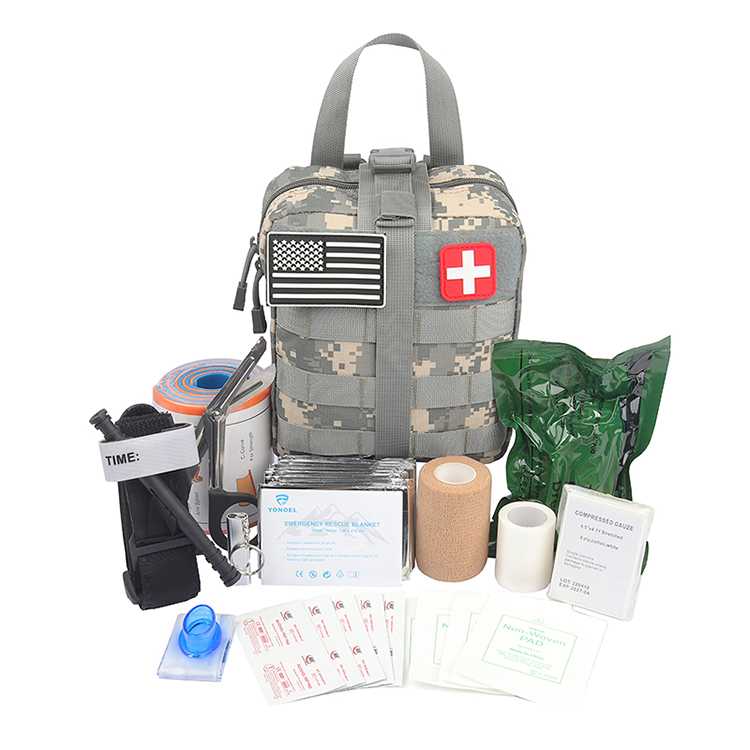
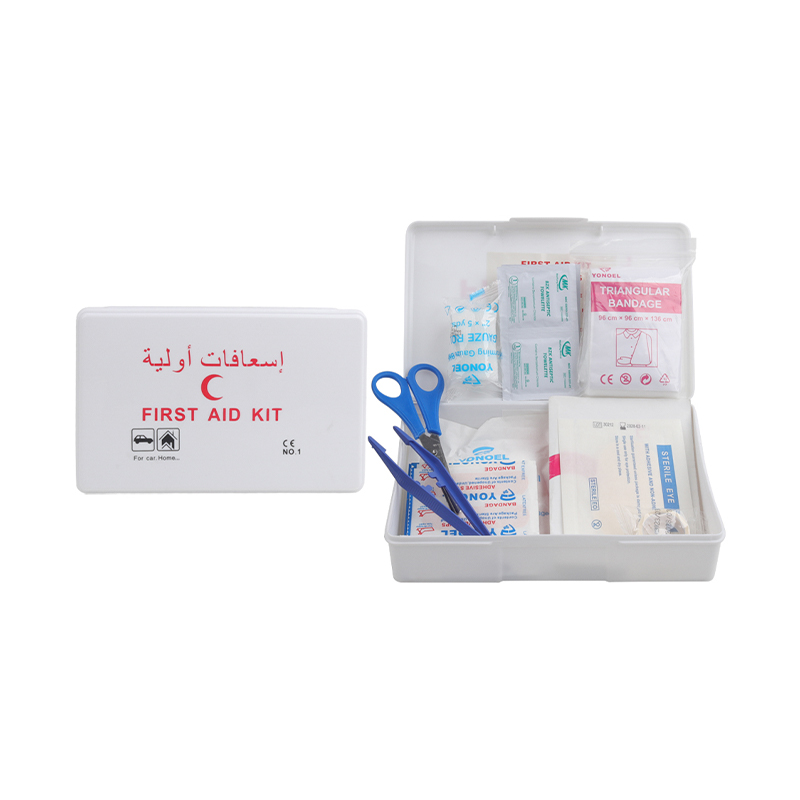
First aid supplies handle the injuries that actually happen on trails. Blister care becomes a priority in rocky terrain, while cut-and-scrape items matter more in brushy areas. Personal medications fit here too — a small, clearly marked pouch keeps heart pills or inhalers separate and easy to find. Include any allergy treatments or glucose sources if your health requires them.
Navigation and signaling keep you on course and visible. A basic compass works when electronics fail, and a whistle carries farther than shouting. In open mountain terrain a signal mirror bounces sunlight off distant ridges. Coastal spots might call for brighter reflective tape that stands out against water.
Multi-tools and fire starters add everyday versatility. A tool with pliers helps repair gear on rocky trails where branches snag straps. Fire starters that strike even when damp prove their worth in rainy forests. Compact food rations or energy gels provide quick fuel, especially useful when a heart condition or diabetes means keeping blood sugar steady during delays.
Durability matters because the kit may ride in a backpack for months before it gets used. A tough, water-resistant case protects contents from rain, dust, or accidental drops on rocks. Weight and size determine whether the kit actually travels with you. Slim designs slip into day-pack pockets for short hikes, while slightly larger ones suit vehicle storage for longer drives to trailheads.
Organization inside the kit can make or break its usefulness. Clear pockets or color-coded sections let you grab blister pads or heart medication without emptying everything. Ease of use counts when hands are cold or wet — items that open with one hand or work without reading tiny instructions perform better under stress.
Many kits leave room for personal tweaks. In rainy regions you might add extra desiccant packets to keep matches and bandages dry. Rocky mountain hikers often slip in additional moleskin and ankle tape because friction from boots on uneven ground creates hot spots fast. People with heart conditions make sure the kit has a dedicated waterproof pouch for their medication plus a small laminated card listing dosage and emergency contacts.
Allergy sufferers frequently add a second epinephrine option if their doctor approves and space allows. Diabetic users include fast-acting glucose sources that survive temperature changes in a car or backpack. These small additions turn a general kit into one that truly matches your body and your favorite outdoor spots.
Testing the kit on shorter trips shows what works. A quick adjustment after a rainy hike — maybe swapping a bulky item for a lighter waterproof version — makes the whole setup more practical over time.
Portability affects daily habits. Kits that attach easily to a belt or pack strap tend to come along more often. Store them in a cool, dry spot away from direct sun so medications and batteries stay effective. A quick check every couple of months catches expired items or worn packaging.
After each outing, replace anything used and refresh personal medications according to their shelf life. This routine takes only a few minutes but keeps the kit reliable when a sudden storm or twisted ankle turns a normal day into something more serious.
| Category | What to Check for Your Needs | Why It Matters in Your Environment or Health |
|---|---|---|
| Water Management | Purification tools plus storage suited to local sources | Rainy areas need collection; dry zones need reserves |
| Shelter and Warmth | Waterproof materials and quick-setup options | Keeps you dry in forests or warm on exposed ridges |
| First Aid | Blister care, tape, and space for personal meds | Friction on rocks or heart conditions require quick access |
| Navigation & Signaling | Compass, whistle, and visible reflectors | Mountain terrain needs line-of-sight signals |
| Tools & Multi-Function | Sturdy edges for leverage and repairs | Rocky trails demand stronger cutting or gripping |
| Food & Energy | Compact options that match dietary needs | Diabetes or allergies require specific quick fuel |
| Case & Organization | Waterproofing and clear pockets | Rain or dust protection plus fast access in stress |
Once the kit matches your routines, spend a calm afternoon opening it and trying the main pieces. Practicing how to light a fire in damp conditions or locate your medication pouch builds quiet confidence. Pairing the kit with basic skills like reading weather signs or wrapping a sprain makes the items work even better.
Review the kit before each season. Add an extra waterproof layer for upcoming rainy trips or more blister pads if you plan rocky routes. These small checks keep the kit current without constant full replacements.
Choosing an outdoor survival kit comes down to honest reflection about the places you visit and the body you bring along. Rainy forests call for waterproofing and quick-dry shelter. Rocky mountains need friction protection and sturdy tools. Personal conditions like heart issues or allergies require dedicated space for the right medication. When the kit lines up with these realities, it stops being extra weight and becomes a quiet partner that supports safer, more enjoyable time outside.
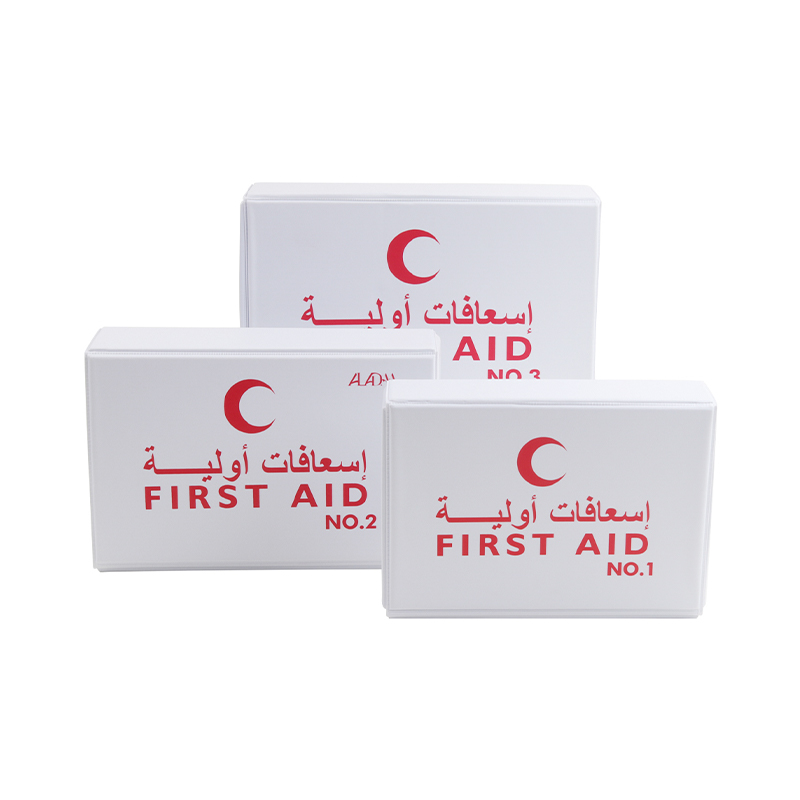
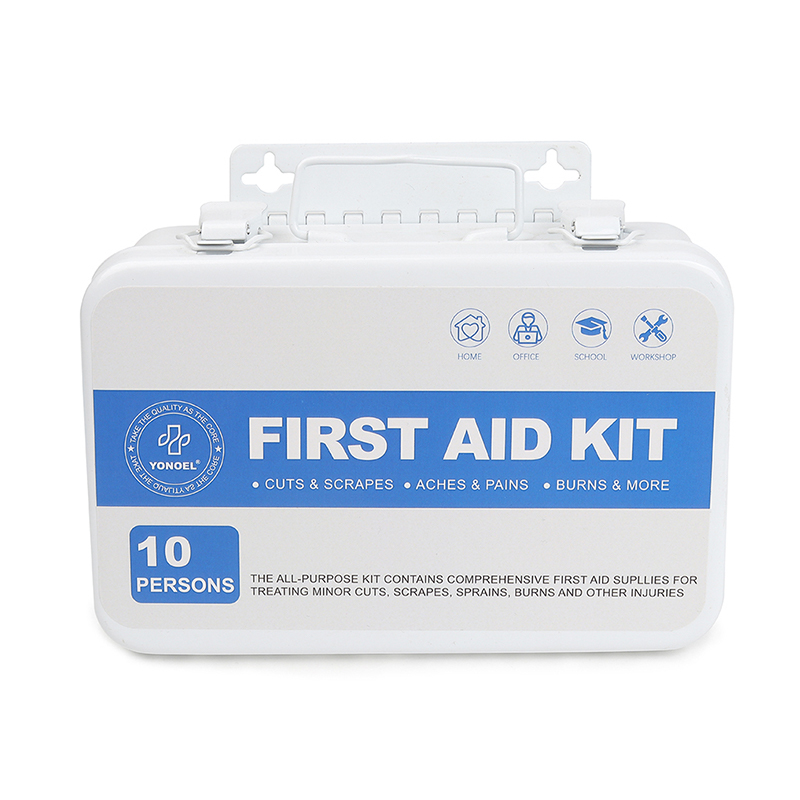
For those seeking reliable outdoor survival kits built for real conditions and personal needs, Yonoel serves as a manufacturing partner that focuses on consistent quality and practical designs suited to different activities and environments. The factory pays attention to durable materials and smart organization that align with common outdoor demands while leaving room for personal adjustments.
Yonoel offers kit options that adapt to individual routines, trip types, and health considerations, giving outdoor enthusiasts the flexibility to carry solutions that support safety and confidence without unnecessary bulk. This approach lets you focus more on enjoying the trail and less on worrying about what might happen next.
No. 52, Hulian West Street, Jiangbei Street, Dongyang City, Jinhua City, Zhejiang Province, China
Quick Links
Product Center
Contact Us
 PRIVACY

 English
 Deutsch
 Français
 русский
 Español