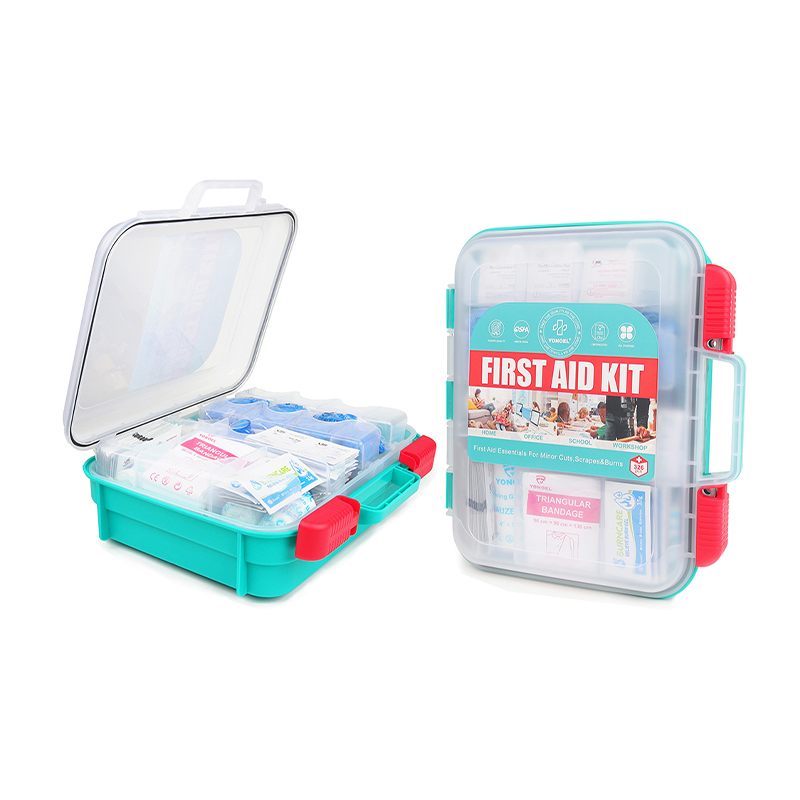
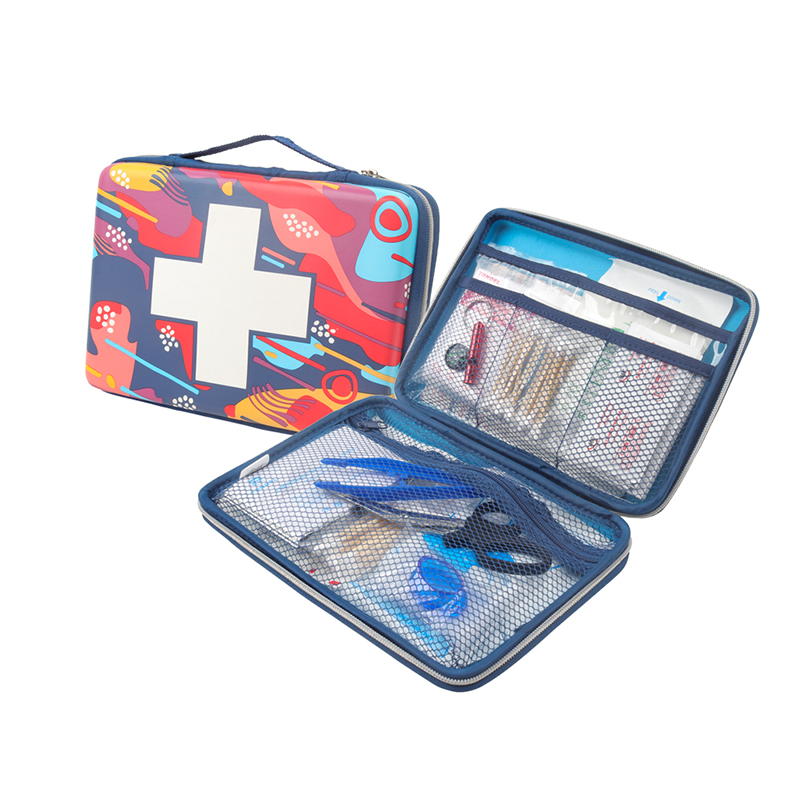
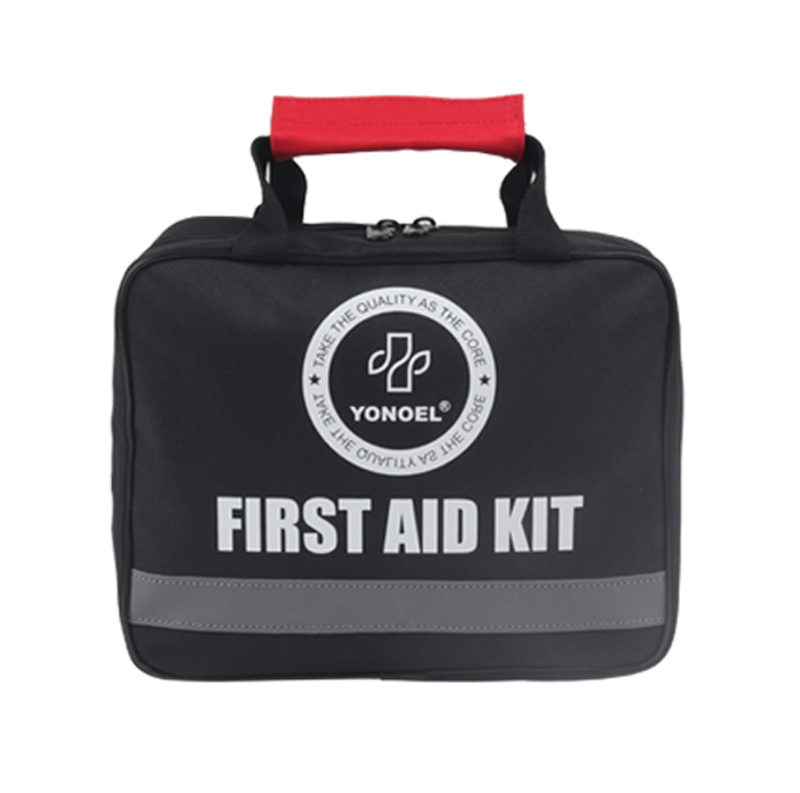
When lives hang in the balance during tactical operations or high-risk emergencies, having the right supplies close at hand makes all the difference. A combat military first aid kit serves as a critical tool for immediate care in situations where professional medical help may not arrive right away. These kits focus on addressing the kinds of injuries that occur in demanding environments, such as those involving heavy bleeding, breathing difficulties, or penetrating wounds. They help responders act quickly to stabilize individuals and keep operations moving forward.
The layout of these kits emphasizes ease of use under pressure. Supplies fit into compact, rugged pouches that attach securely to vests, belts, or packs. This setup allows quick access even when movement is limited or conditions turn chaotic. The selection of contents draws from patterns observed in field incidents, concentrating on the steps that save the most lives in the earliest moments. Regular checks and familiarization with the kit build confidence so that actions become second nature during real events.
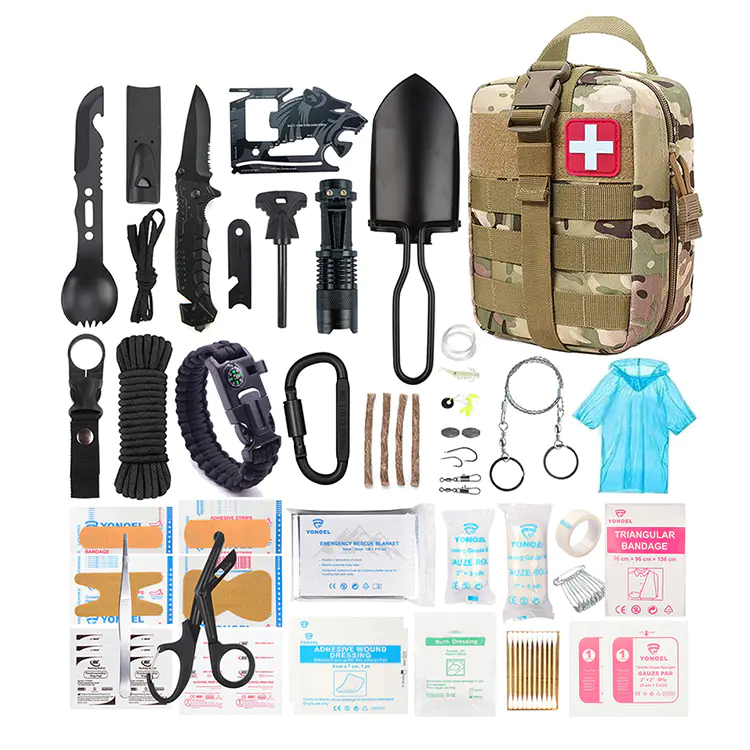
Teams involved in emergency response value kits that follow a logical flow of care. The process typically begins with controlling major bleeding, then shifts to ensuring clear airways and proper breathing, followed by wound protection and basic support. This structured approach reduces hesitation and helps prevent small issues from escalating. Many units incorporate these kits into broader training programs that simulate various scenarios, from direct engagements to support roles in disaster areas where similar risks exist.
Well-designed kits group items by the type of care they provide. This organization speeds up decision-making when time is short. Bleeding control stands out as the top priority in most tactical settings, since significant blood loss can lead to serious complications rapidly. Items for airway and breathing issues come next, addressing threats that impair oxygen intake. Wound care supplies then help manage injuries over a longer period, while protective gear and handy tools support safe and effective work.
| Category | Examples of Items | Role in Emergency Response |
|---|---|---|
| Hemorrhage Control | Tourniquets, hemostatic dressings, pressure bandages | Quickly limit blood loss from limbs or other areas |
| Airway and Breathing | Nasopharyngeal airways, chest seals, basic decompression aids | Maintain open passages and handle chest-related trauma |
| Wound Management | Gauze rolls and pads, adhesive tapes, occlusive coverings | Protect injuries and reduce contamination risks |
| Medications and Support | Pain relief options, infection management aids | Ease discomfort and support stability during movement |
| Protective Equipment | Gloves, eye protection, barrier masks | Safeguard against exposure and maintain clean practices |
| Tools and Accessories | Shears, marking tools, basic splints | Enable cutting, documentation, and injury stabilization |
In many emergency responses, stopping severe bleeding takes precedence because it can affect survival in a short window. Tourniquets offer a direct way to compress vessels above an injury on a limb, providing temporary control until further help arrives. Proper placement and periodic checks help balance effectiveness with circulation concerns below the site.
Hemostatic dressings add another layer by encouraging clotting when applied directly into wounds that prove difficult to manage otherwise. These pair well with standard gauze for deeper injuries in areas where tourniquets have limitations, such as near joints or the torso. Pressure bandages then hold everything in place with consistent force, even as the person moves or gets transported.
Including several options in this category gives flexibility for different wound types. Responders practice sequences that start with direct pressure and escalate as needed. Having extras on hand accounts for situations involving more than one injured person or repeated applications.
Breathing problems can arise from blockages or injuries that affect the chest cavity. Nasopharyngeal airways help keep passages open for those who cannot maintain them independently. Careful sizing and gentle insertion techniques minimize discomfort or added complications.
Chest seals play a key role with penetrating trauma by covering openings that might otherwise allow air to enter improperly. Versions with vents manage pressure buildup while still blocking unwanted inflow. Additional aids for decompression exist for trained users facing specific tension issues.
These elements fit into the assessment of breathing after initial bleeding control. Ongoing observation allows adjustments based on how the individual responds. Storing them where they can be reached without digging deep supports faster intervention when every breath counts.
Once immediate threats are addressed, covering wounds helps guard against dirt and further harm. Gauze in various forms absorbs fluids and creates a foundation for secure bandaging. Different sizes and shapes suit everything from surface scrapes to more substantial damage encountered in rugged settings.
Tapes and wraps keep dressings fixed during activity, yet allow later removal without excessive pulling. Occlusive layers provide barriers for particular wound types, helping control moisture or seal leaks. Materials for basic splinting limit movement around fractures, which can reduce pain and prevent worsening during evacuation.
This section connects short-term actions to sustained care. Keeping supplies in protective compartments shields them from moisture or dust that might compromise sterility. Replenishing used portions promptly maintains the kit's overall readiness.
Options for managing pain and related concerns contribute to keeping people stable and cooperative. Analgesics help moderate discomfort so that focus remains on necessary movements or communications. Items aimed at infection risks provide added layers of support when wounds involve exposure to challenging environments.
These additions follow guidelines for appropriate use in the field and usually appear in measured quantities to keep weight down. Training covers when and how to apply them alongside other interventions. Monitoring responses ensures that any effects align with the overall care plan.
Barrier items protect everyone involved by limiting contact with fluids or contaminants. Gloves serve as the foundation for hands-on procedures. Eye coverings and masks add defense in scenarios with splashing or close contact.
Simple cleaning wipes or solutions assist with hygiene before and after care. Multiple sets accommodate longer incidents or several patients. Placing these at the front of the kit encourages immediate use upon reaching someone in need.
Supporting equipment turns medical supplies into effective actions. Shears cut away clothing or straps efficiently without causing extra injury. Marking pens help note details like application times for later handover to advanced teams.
Basic splints or wraps provide temporary support for limbs. Compact reference aids refresh key steps when stress affects recall. Lighting options prove valuable in reduced visibility, while organization features keep everything from shifting during travel.
These pieces enhance the kit without dominating space. Placement based on how often they get used prevents clutter around primary supplies.
How to Organize and Maintain the Kit
Thoughtful arrangement inside the pouch influences performance in the moment. Grouping related items together lets responders pull what they need as a set. Clear labeling or color cues assist even when conditions reduce fine motor skills or visibility.
Durable, weather-resistant materials guard against the elements that kits often face. Attachment methods distribute weight evenly to avoid fatigue over extended periods. Configurations can vary by team size or mission length while sticking to core principles.
Routine inspections catch any wear, shifts, or items nearing the end of their useful period. A first-in, first-out approach for replacements keeps stock fresh. This attention to detail extends the kit's reliability across many uses.
Hands-on practice turns knowledge of contents into smooth execution. Drills that mimic actual conditions help develop speed and accuracy. Group sessions align everyone on priorities and smooth handoffs between team members.
Reviews after exercises highlight areas for layout tweaks or additional familiarization. Incorporating feedback keeps the kit aligned with evolving needs. Documentation of training supports consistency across units.
Environmental factors sometimes call for small modifications. Extra barriers against moisture suit wet climates, while reinforced protection helps in dusty or abrasive areas. Quantities may shift depending on whether the kit supports one person or serves a larger group.
Mission profiles influence decisions on what to carry in greater supply. After-action insights from past events guide refinements so that future kits better reflect actual demands. This ongoing process keeps preparations relevant.
Building or reviewing a kit benefits from a step-by-step method. Begin with bleeding control items, move to airway support, and proceed category by category. Test retrieval times for key pieces under simulated conditions to confirm accessibility.
Seal the kit once everything checks out to preserve contents until needed. Schedule regular audits to swap out anything depleted or compromised. This habit ensures the kit stays mission-ready.
These kits contribute to coordinated responses that extend past single units. Their consistent contents ease collaboration when military and civilian teams work side by side. Early stabilization at the injury site supports better transitions to more advanced care.
In mixed operations that blend security and humanitarian efforts, the supplies address injuries from both planned activities and unexpected events. Shared training on kit use improves teamwork and overall results. Portable designs allow forward deployment to outlying positions or temporary aid points.
Information gathered from kit applications feeds into larger reviews that shape future guidelines and supply choices.
Proper storage away from temperature swings and direct exposure helps materials stay effective. Cleaning reusable parts between uses maintains standards. Integration with supply systems at the unit level tracks stock and coordinates timely replenishments.
The combat military first aid kit stands as a practical bridge between the moment of injury and the arrival of comprehensive medical support. Its components work together in a chain that supports stability and improves chances for positive recovery. Teams that commit to thoughtful selection, organization, and practice position themselves to handle challenges with greater assurance.
When organizations look for dependable sources to build or restock these kits, dedicated manufacturing plays an important part in keeping supplies consistent and available. Yonoel factory focuses on producing medical components tailored for demanding tactical uses.
Yonoel factory maintains production that emphasizes strength and suitability for field conditions, helping teams equip their personnel with items that hold up during emergency response. Their approach supports the creation of kits that balance capability with practical carry weight.
Working directly with the factory allows for efficient ordering of materials in quantities that fit operational scales. This connection helps streamline the process of preparing kits that align closely with specific requirements while maintaining reliable quality throughout.
No. 52, Hulian West Street, Jiangbei Street, Dongyang City, Jinhua City, Zhejiang Province, China
Quick Links
Product Center
Contact Us
 PRIVACY

 English
 Deutsch
 Français
 русский
 Español