A gift first aid kit is one of those presents that quietly shows how much you care about someone's safety and comfort. It sits ready in a home, car, office, or travel bag, waiting for the day a small cut, scrape, or unexpected bump needs attention. What turns a basic box of supplies into a genuinely useful and thoughtful gift comes down to several key features. These details decide how quickly the kit can be used in a stressful moment, how neatly it stays organized month after month, and how comfortably it fits into real life. When these features come together well, the kit stops feeling like just another item on a shelf and becomes a reliable everyday companion that the recipient will actually reach for when needed.
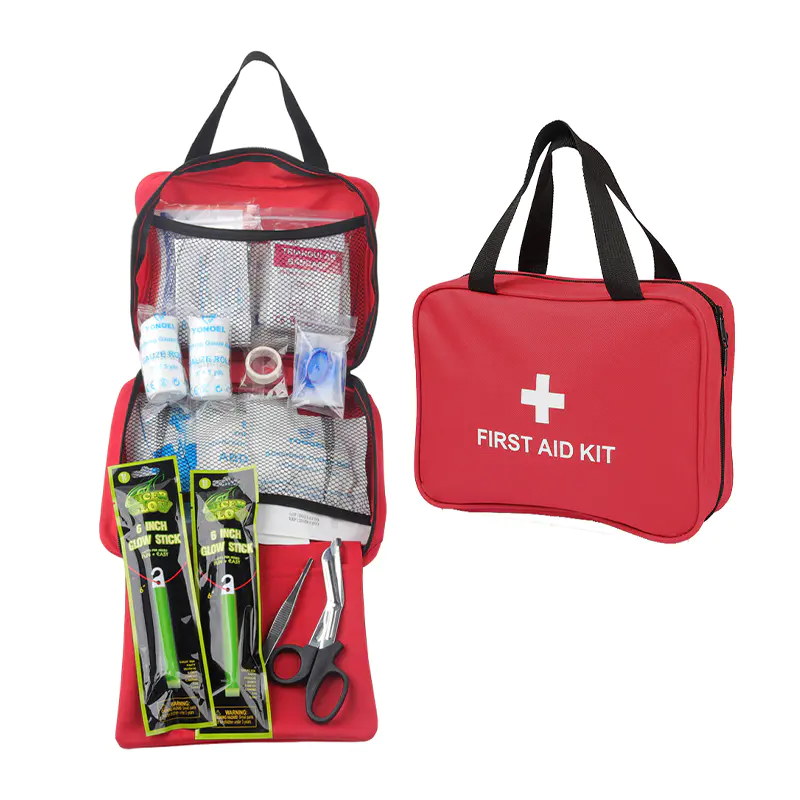
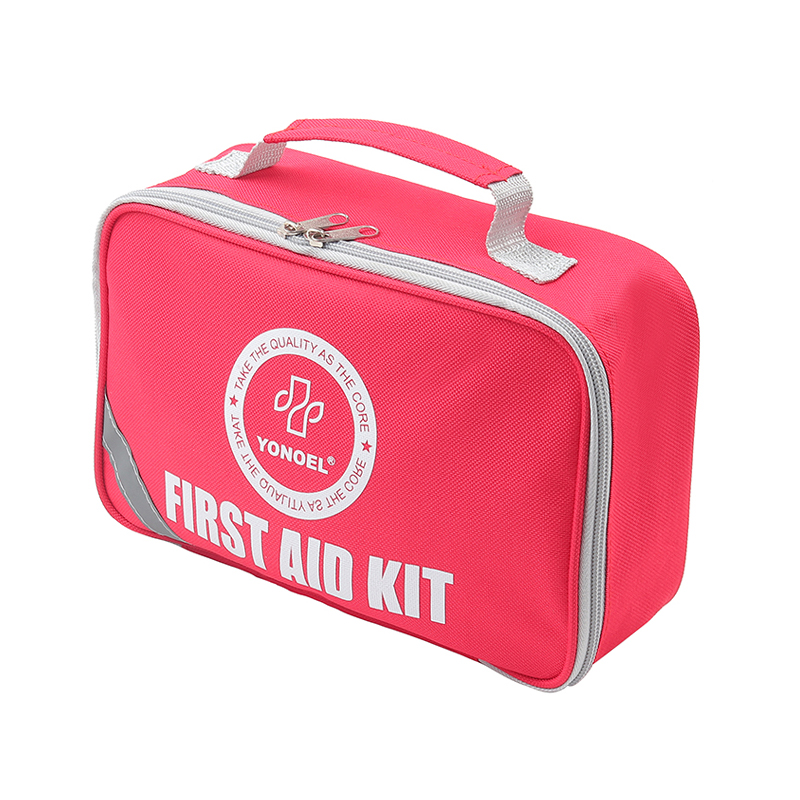
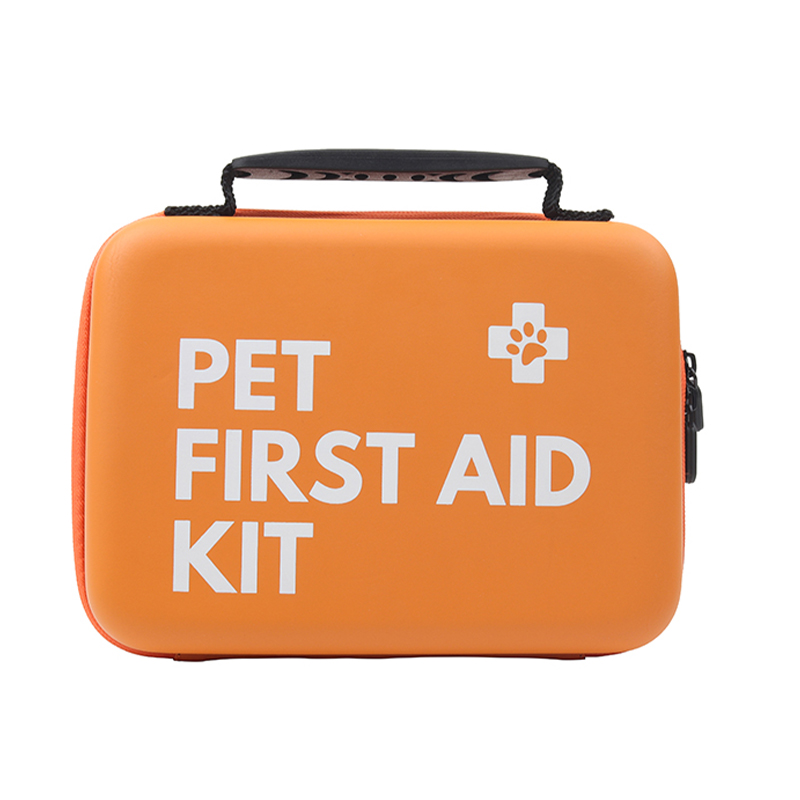
The outer case is the very first thing anyone notices, and it does far more than look nice. A well-made case needs to protect everything inside from knocks, spills, dust, and the general tossing around that happens in real life. The material should be tough enough to hold up but not so heavy that carrying the kit becomes a chore. Many good designs include a sturdy handle or a detachable shoulder strap, making it easy to grab and go whether someone is heading out for a hike, loading the car for a family trip, or simply moving the kit from the kitchen counter to a closet. Size matters too. The case should hold a decent amount of supplies without turning into something too bulky to store conveniently or carry comfortably. A good balance here means the kit actually gets used instead of being left behind because it feels awkward to take along.
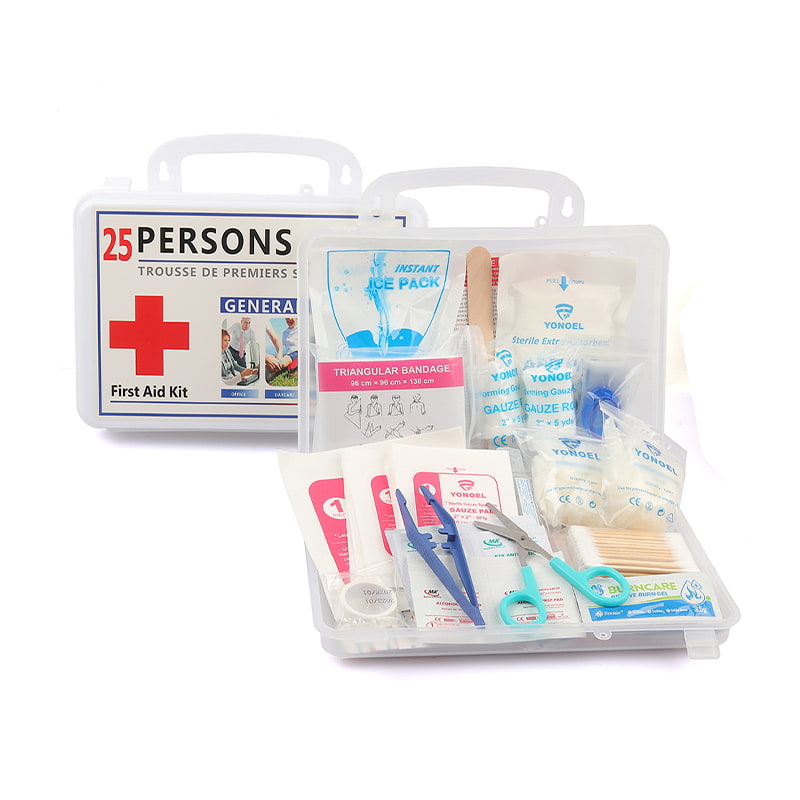
Once the case is opened, the way the contents are arranged becomes the next critical factor. Good organization can save precious seconds when someone is dealing with a bleeding finger or a child who has just fallen. Compartments, dividers, and clearly labeled pockets keep bandages in one area, ointments and wipes in another, and small tools in their own section. This layout stops everything from tumbling into a single pile every time the kit is opened or closed. Many quality kits also include transparent pockets or see-through sections so users can quickly spot what they need without having to dig through every layer. After use, the same organization makes it simple to put things back where they belong, which helps the kit stay ready for the next time instead of becoming a disorganized mess that nobody wants to touch.
The actual supplies inside are obviously the heart of any first aid kit, and balance is everything. A high-quality gift version usually includes a solid selection of adhesive bandages in different sizes to handle everything from paper cuts to larger scrapes. Gauze pads, antiseptic wipes, and gentle cleansing solutions take care of cleaning wounds properly. Tweezers for removing splinters, small scissors for cutting tape or gauze, and disposable gloves for keeping things hygienic add real usefulness for slightly more involved situations. Elastic wraps, strong adhesive tape, and instant cold packs help manage twists, sprains, or minor swelling. The goal is to cover the kinds of minor injuries that happen in everyday life — at home, in the car, during sports, or while traveling — without making the kit so packed that it becomes heavy or hard to store.
Clear instructions included inside the kit can make a surprising difference, especially for people who feel unsure during a minor emergency. Simple illustrated guides or quick-reference cards placed on the inside lid or in a dedicated sleeve walk users through basic steps — how to clean a cut, apply a bandage correctly, or wrap a sprained ankle. These visual aids are particularly helpful for families or anyone who does not deal with first aid every day. Because the instructions stay right with the kit, they do not end up lost in a drawer somewhere when they are needed most. This small addition gives people more confidence and helps them respond calmly instead of guessing.
Durability of both the case and the individual supplies plays a quiet but important role in long-term usefulness. Each item sealed in its own sterile package stays clean and effective even if the kit sits unused for quite a while. The case itself benefits from strong zippers or reliable latches that open and close smoothly hundreds of times without breaking or sticking. Bright colors, reflective strips, or bold accents on the outside help the kit stand out in a crowded closet, dark glove box, or low-light situation where every second counts.
Another useful feature is how well the kit can adapt to different people and situations. Some versions include smaller bandages or gentler items that work well for households with young children. Others add supplies geared toward outdoor activities, such as blister protection or relief for insect bites. The best kits also leave a bit of extra space so the recipient can add personal items — perhaps allergy medication, a favorite brand of tape, or a small note with emergency contact numbers. This flexibility turns a standard gift into something that feels thoughtfully matched to the person receiving it.
| Feature | Description | Everyday Benefit | Benefit in an Emergency | Impact on Portability & Storage |
|---|---|---|---|---|
| Sturdy Outer Case | Tough protective shell with secure closures | Holds up to daily handling and travel | Keeps supplies safe when you need to grab it fast | Easy to carry without feeling too heavy |
| Smart Internal Organization | Compartments, dividers, and labeled pockets | Items stay neat and quick to find | Speeds up response when every second matters | Prevents shifting and mess during movement |
| Balanced Supply Selection | Good mix of bandages, wipes, tools, wraps, and gloves | Covers common minor injuries at home or away | Handles a wider range of small situations | Fits comfortably in cars, bags, or drawers |
| Clear Instructions | Illustrated guides placed visibly inside the kit | Helps users apply supplies the right way | Builds confidence for less experienced users | Always right there when needed |
| Individually Sealed Items | Each supply in its own sterile packaging | Maintains cleanliness and longer usability | Reduces risk of contamination | Protects quality in different environments |
| Easy-Carry Features | Handles, straps, or compact sizing | Encourages keeping the kit accessible | Allows one-handed use if necessary | Travels well in bags, vehicles, or backpacks |
| Adaptable Design | Options for families, travel, or specific activities | Matches the recipient’s actual lifestyle | Allows quick additions for particular needs | Stays useful as needs change over time |
These features do not work in isolation. They support one another so the whole kit performs better than the sum of its parts. A strong case with poor organization still wastes time, while perfectly arranged supplies in a flimsy case may not survive the first rough trip in a car.
In daily life, the advantages show up in small but meaningful ways. Parents appreciate being able to quickly find the right size bandage for a playground scrape without emptying half the kit onto the ground. Road trip drivers like knowing their kit is compact enough to fit in the door pocket yet complete enough for minor cuts or bug bites at a rest stop. Office workers keep one in a desk drawer and feel prepared for the occasional paper cut or headache without having to leave their workspace. In each situation, thoughtful design and quality construction turn what could be a frustrating search into a calm, efficient response.
Families often place their gift first aid kit in a central spot such as the kitchen cabinet, hallway closet, or near the garage door. The clean appearance and easy-to-spot design encourage regular checks so supplies stay current. Outdoor enthusiasts often keep theirs in the car console or a hiking backpack, where the protective shell and reliable closures keep contents dry and ready after bumpy rides or sudden rain. The same kit serves multiple roles when the features align with the way people actually move through their days.
Several practical factors guide selection when choosing a gift first aid kit. The intended recipient's routine shapes which supplies deserve priority — a kit for a new driver might emphasize road-related items, while one for a gardener could lean toward skin protection. Size and weight matter for anyone who will carry the kit regularly, so a balance between capacity and convenience keeps it from being left behind. The case finish and color options allow the kit to blend with home décor or stand out for quick spotting in a car.
Storage conditions also influence how well the kit holds up. Locations with stable temperatures and low humidity preserve the sealed supplies longer. Kits designed with moisture-resistant materials perform better in bathrooms, garages, or boats where damp air is common. The ability to open and close the case repeatedly without weakening the latches supports frequent inventory checks that catch any issues early.
Maintenance stays simple when the kit includes features that support routine care. A checklist printed inside the lid reminds users to review dates on sealed items and reorder replacements as needed. Compartments that wipe clean after use prevent residue from building up and affecting other supplies. The overall layout encourages a quick monthly glance rather than a full overhaul, so the kit stays ready without becoming a chore.
Many recipients like to add their own personal items after receiving the kit. A few doses of allergy medicine, specific tape widths, or notes with emergency contacts slide neatly into the existing compartments. This approach keeps the original thoughtful selection intact while letting the recipient make the kit their own over time. The quality of the starting structure makes these additions straightforward rather than a complete rebuild.
The visual appeal of the kit also plays a part in how often it gets used. A clean, professional look with clear labeling encourages placement in visible spots rather than hidden storage. Some designs include a small window or color-coded sections that make contents obvious at a glance. These details reinforce the idea that the kit is a helpful tool instead of an emergency-only box.
Gift first aid kits that incorporate these features support a wide range of lifestyles without requiring constant attention. The combination of protection, organization, and practical supplies creates a present that keeps giving through quiet reliability. Whether placed in a new apartment, a family car, or a college dorm, the kit adapts to its surroundings and remains useful for years.
The right balance of features turns an ordinary collection of supplies into something that genuinely supports safety and peace of mind. Attention to case strength, internal layout, supply variety, and user guidance creates a kit that feels prepared rather than packed as an afterthought. These elements work together so the recipient can focus on the moment instead of searching for the right bandage or tool.
When seeking high-quality gift first aid kits built with these practical features in mind, Yonoel operates a factory dedicated to consistent production of compact, organized, and durable designs. The facility maintains steady output that aligns with different user needs and carrying preferences across home, travel, and workplace settings.
Yonoel focuses on supporting gift and everyday use through reliable kit supply and adaptable layouts. The team coordinates directly with clients to match designs to specific storage or activity requirements, helping the kits stay ready and useful without interruption.
No. 52, Hulian West Street, Jiangbei Street, Dongyang City, Jinhua City, Zhejiang Province, China
Quick Links
Product Center
Contact Us
 PRIVACY

 English
 Deutsch
 Français
 русский
 Español