Driving on public roads always comes with a certain level of unpredictability, from sudden breakdowns on quiet country lanes to minor fender-benders in busy city traffic. The DIN 13164 regulations offer a clear, standardized approach to the first aid supplies that belong in motor vehicles. This German industrial standard outlines exactly what items should be included so that anyone involved in or witnessing an incident can provide meaningful initial help right away. The focus stays on practical materials that stop bleeding, cover wounds, offer basic support, and protect the helper until emergency services take over. Following these rules means vehicles carry consistent equipment that matches real-world needs without excess bulk or confusion.
The standard mainly applies to passenger cars, station wagons, vans, and other everyday road vehicles rather than heavy trucks or specialized machinery. It requires supplies tailored for quick use in typical roadside conditions—think dust from passing traffic, temperature swings from summer heat to winter cold, and the constant shaking from driving over uneven surfaces. A properly compliant kit keeps everything organized and protected so the contents remain ready even after months in the trunk or under a seat. Uniformity across compliant products stands out as one of the biggest strengths: open any Din13164 first aid kit and the layout feels familiar, letting people act faster without searching for what goes where.
The regulations go beyond a simple shopping list. They cover the full system—the specific types and quantities of supplies, the toughness of the container against everyday vehicle hazards, and straightforward markings that prove everything meets the current version. This complete approach ensures the kit functions reliably when needed most, serving as a dependable first line of defense between the moment trouble starts and the arrival of trained professionals.
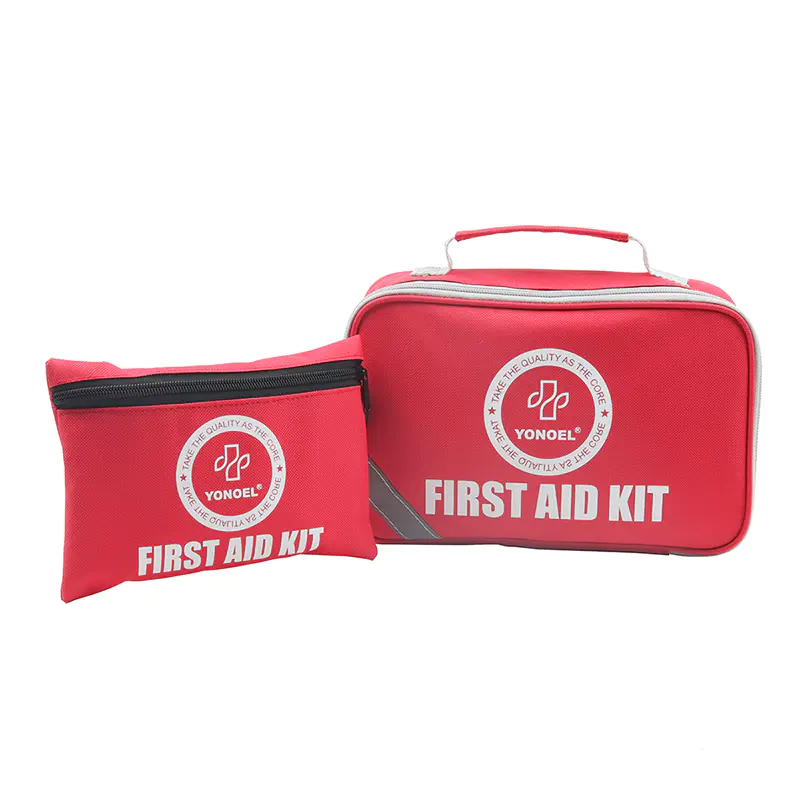
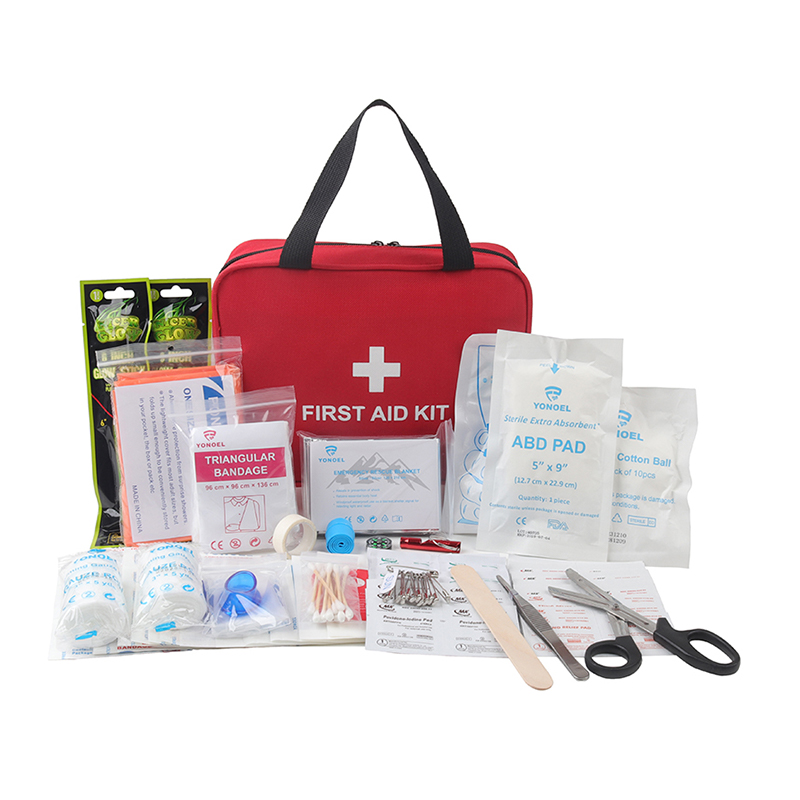
Everything inside follows a logical grouping that matches the steps people actually take during an emergency. Wound dressings sit at the center of the kit. These sterile pads and compresses come in different sizes so they can cover anything from a small cut on a finger to a larger scrape on an arm or leg. The goal remains straightforward: get clean coverage over the injury quickly to keep dirt, gravel, or road contaminants out while giving the body a chance to start closing the wound naturally.
Bandaging and fixation materials handle the next stage. Adhesive tapes secure small coverings in place, while ready-made quick bandages press firmly against bleeding areas. Elastic versions wrap around joints or limbs that need movement support, and non-elastic ones deliver stronger compression where bleeding runs heavier. Together they keep dressings from shifting and help control swelling or stabilize fractures temporarily so the injured person can move to safety if necessary.
Personal protection stays essential for the person stepping in to help. Disposable gloves—usually four pairs—prevent direct contact with blood or fluids, maintaining basic hygiene even on the side of a highway. Since the 2022 update, two medical face masks (Type I according to relevant standards) add respiratory protection, reflecting lessons from recent health concerns and making close assistance safer for everyone involved.
Utility tools make the rest possible without added risk. A pair of bandage scissors with rounded tips cuts through clothing or tape cleanly and safely, even if the user feels rushed or inexperienced. Their design prioritizes avoiding accidental pokes or cuts during tense moments.
Supporting items address secondary concerns that often appear after an incident. A metallized rescue blanket (sometimes called a thermal or foil blanket) reflects body heat back to the person or blocks wind and cold, helping prevent shock from setting in while waiting on cold asphalt. Cleansing wipes remove surface dirt from intact skin before applying dressings, and a short instruction leaflet walks through basic steps in simple language, often with pictures, so drivers without formal training still feel capable.
| Supply Category | Primary Role in Roadside Care |
|---|---|
| Wound dressings | Deliver sterile coverage fast to block contaminants and support natural clotting and healing |
| Bandaging & fixation | Lock dressings down, apply pressure to bleeding, and brace joints or limbs for safer movement |
| Personal protection | Keep the helper safe from fluids and droplets, preserving hygiene under imperfect conditions |
| Utility tools | Provide safe, precise cutting and adjustment so materials fit the exact injury without harm |
| Temperature & guidance items | Maintain body warmth against shock or exposure while offering clear step-by-step directions |
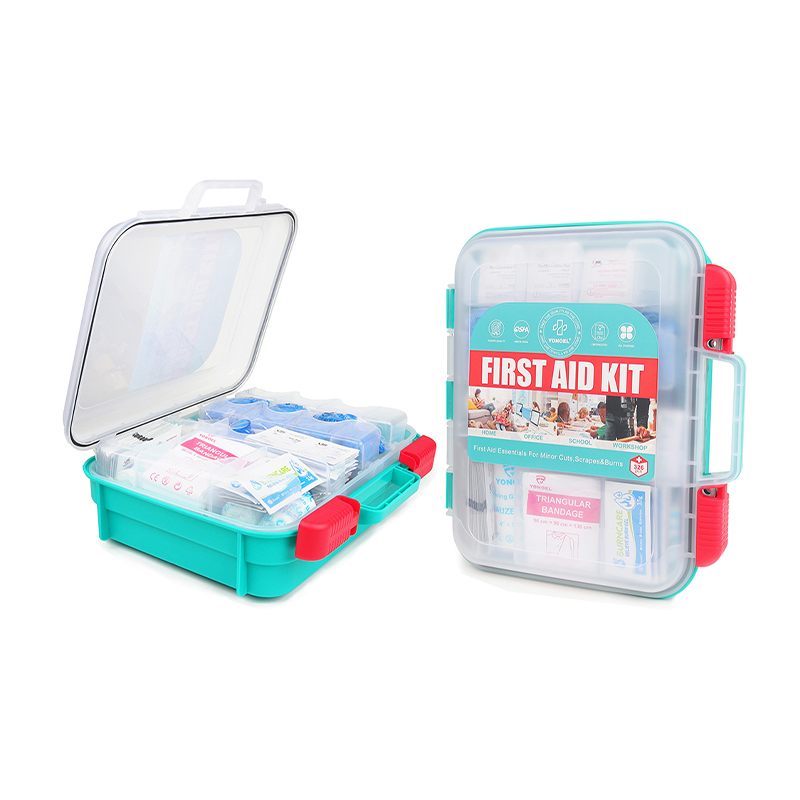
The box or bag itself receives serious attention under the rules. It has to resist moisture from rain leaking through a trunk seal, dust kicked up on gravel roads, accidental spills of oil or washer fluid, and the general knocking around that happens during normal driving. At the same time, the container opens easily, often with one hand, so no one wrestles with stubborn latches while adrenaline runs high.
Closures hold contents steady through hard braking or sharp turns but release quickly without tools. Inside, smart dividers or separate pockets keep categories apart—gloves near the top, dressings grouped together, scissors in an easy-reach spot—so fingers find what they need instantly, even in poor light or cramped quarters.
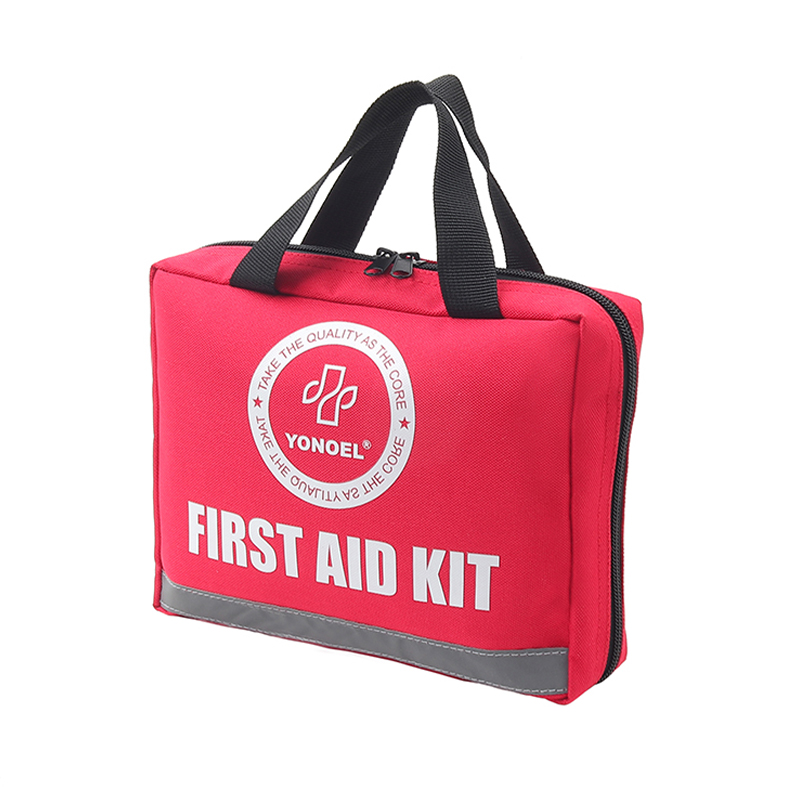
Outside markings stay bold and durable. They show the DIN 13164 designation along with the current version year, plus a clear first aid symbol that stands out from afar. Weather-resistant labels resist fading from sun exposure through rear windows, helping the kit look official and trustworthy over years of service.
External signs leave no doubt about compliance. The label displays the exact standard reference so inspectors, police, or fleet supervisors can verify suitability in moments during checks or after an accident.
Inside, a printed contents list uses everyday wording and leaves room for owners to note when they last looked everything over or replaced used pieces. Sterile items carry their own sealed wrappers with visible integrity checks—any tear or damp spot signals the need for refresh.
Across all approved kits, these markings follow the same pattern. That consistency builds confidence: rental drivers, family members borrowing the car, or colleagues in a company fleet all recognize the setup immediately and know what to expect.
Many places tie vehicle approval or roadworthiness directly to carrying a kit that matches DIN 13164. During new registration, annual inspections, or commercial fleet audits, officials often look for the right marking and intact contents. The standard also appears in broader traffic laws that require basic emergency gear in passenger vehicles.
Road safety data repeatedly shows most injuries from crashes stay manageable with fast basic care rather than turning critical right away. Mandating standardized supplies reflects a practical public policy that equips ordinary people to make a real difference in those common cases.
Skipping compliance can bring fines, failed inspections, points on a license, or headaches with insurance paperwork, though details vary by country and local enforcement. Meeting the standard clears those hurdles cleanly and slots neatly into routine vehicle upkeep like checking tires or lights.
Every roadside event looks different—one driver might slice a hand on sharp metal while fixing a flat, another could end up with cuts and bruises after a low-impact shunt. The regulated supplies let people respond right away in ways that stop small problems from growing. A sterile pad pressed hard against a bleeding spot, held by elastic bandage, often controls flow enough to buy time. Gloves let a helper stay focused on the task instead of worrying about contamination.
Scissors slice away clothing around an injury without extra pain or delay. The foil blanket wrapped around someone pale and shivering counters the chill that creeps in after blood loss or lying on cold ground. Because the whole kit follows a predictable pattern, even casual users manage logical steps without freezing up.
That built-in simplicity translates to real readiness. Knowing the trunk holds equipment designed for exactly these moments gives drivers quiet assurance every time they turn the key.
Keeping the kit effective takes only light, regular effort. Quick visual checks every few months confirm nothing looks damaged, wet, or out of place. Seals on sterile packs stay tight, gloves remain powdered and flexible, and the blanket folds neatly without tears.
Where the kit lives inside the vehicle affects how long supplies last. Spots away from direct dashboard sun, engine heat vents, or sharp jack handles preserve everything better. Tying reviews to seasonal changes—winter prep, summer trips, oil changes—makes the habit stick without feeling like extra work.
Most items get replaced based on visible condition rather than a strict calendar. A ripped wrapper, faded color on the foil blanket, or used gloves trigger action. Simple notes on the contents list track when checks happened, especially useful for shared cars or company fleets.
Start by checking the label matches the active DIN 13164 version—look for the year to confirm it reflects recent updates like the added masks. The container should feel solid yet compact enough for glove boxes, under seats, or trunk corners without crowding out other gear.
Supplies need fresh, individually sealed packaging to guarantee cleanliness until opened. Scissors should move smoothly with no catching blades. Overall build—strong zippers or latches, reinforced corners, clear labeling—shows whether the kit will hold up through years of bumps and temperature swings.
Designs with thoughtful pockets and visible categories suit different vehicle sizes. Clear instructions inside, sometimes in multiple languages, make the difference when stress clouds thinking.
The regulations fit smoothly into the bigger picture of vehicle safety rules. They stand beside warning triangles, reflective vests, spare bulbs, and other must-haves in many regions. Storing everything together creates one quick-grab zone for emergencies.
Bundling checks during service visits covers several requirements at once. Building that routine strengthens preparedness across mechanical reliability, visibility, and medical response without adding much time.
People often wonder whether an older kit still passes muster after a standard update. The label tells the story—if it shows the current version and contents look unused and sealed, it usually remains acceptable during transition windows set by authorities.
Traveling across borders brings up questions about acceptance elsewhere. Where officials recognize or align with DIN 13164, compliant kits generally satisfy local expectations, but glancing at destination rules ahead of time avoids surprises.
Replacement questions come up frequently too. Focusing on actual wear—compromised seals, obvious dirt, or anything used—beats guessing at dates. Any clear sign of degradation means replace now rather than later.
These everyday concerns highlight how grounded the standard stays. Clear guidance keeps compliance straightforward for private drivers and professionals alike.
The DIN 13164 regulations hold steady as a trusted benchmark for vehicle first aid preparation in many markets. They deliver a solid, no-nonsense foundation that lets drivers handle incidents with tools matched to common realities. Staying attentive to the details raises safety levels noticeably for everyone on the road.
For manufacturers dedicated to building kits that meet these exact requirements, the Yonoel factory provides a dependable choice. The facility runs tight, repeatable production steps and picks materials built to handle the rough conditions vehicles face over time.
Yonoel focuses on careful quality checks at every point—from incoming supplies through final packing—to ensure each kit delivers consistent performance and full alignment with regulatory categories and durability demands. Fleet operators managing dozens or hundreds of vehicles, along with individual drivers, find straightforward options that slot easily into available storage while keeping compliance worry-free. This commitment helps maintain reliable roadside readiness without constant tweaks or workarounds.
No. 52, Hulian West Street, Jiangbei Street, Dongyang City, Jinhua City, Zhejiang Province, China
Quick Links
Product Center
Contact Us
 PRIVACY

 English
 Deutsch
 Français
 русский
 Español