Picking out a first aid kit as a gift can feel like a thoughtful way to show you care about someone's well-being. It's not just about throwing some bandages in a box; it's about choosing something that really works for everyday bumps and scrapes or even bigger surprises. People often give these for birthdays, holidays, or as a practical present for someone who spends time outdoors or with kids. By looking at what makes a kit stand out, you can pick one that feels useful and not just another item gathering dust. This piece walks through the main things to check, so you end up with a gift that sticks around and gets used.
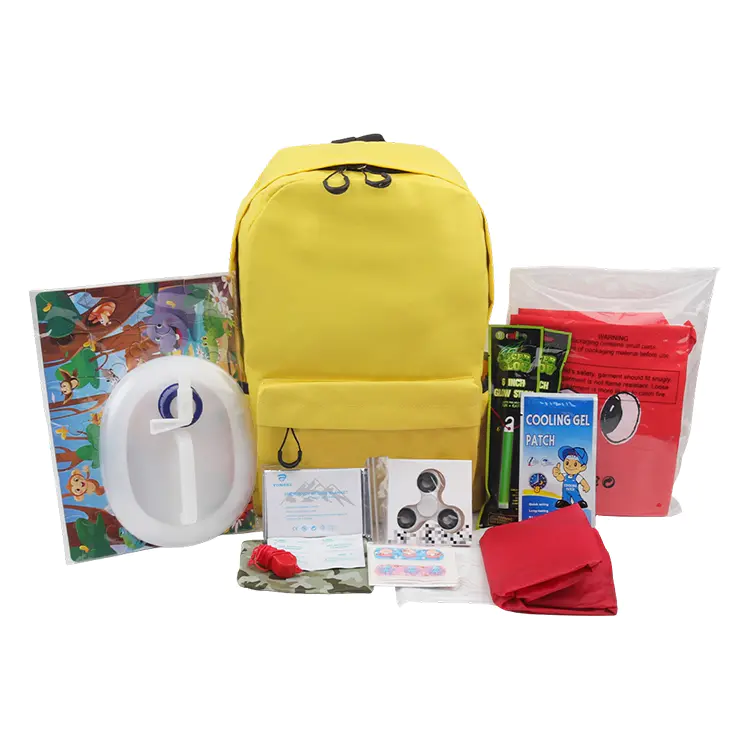
Every good first aid kit starts with the basics that handle common problems. Think about including a variety of bandages—some small for tiny cuts, others bigger for when things get messy. Antiseptic wipes come in handy to clean up dirt and germs right away. Adhesive strips are great for quick fixes on fingers or elbows after a fall.
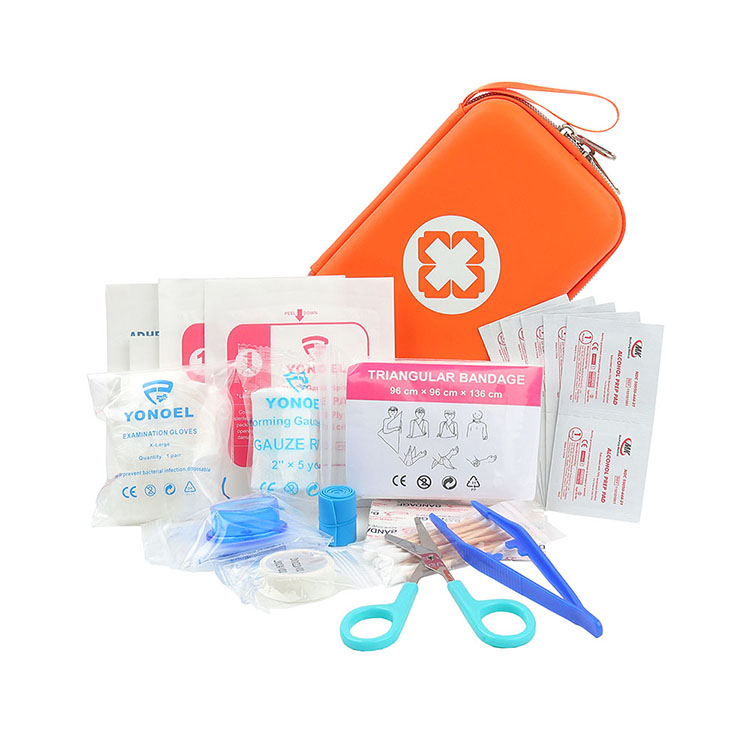
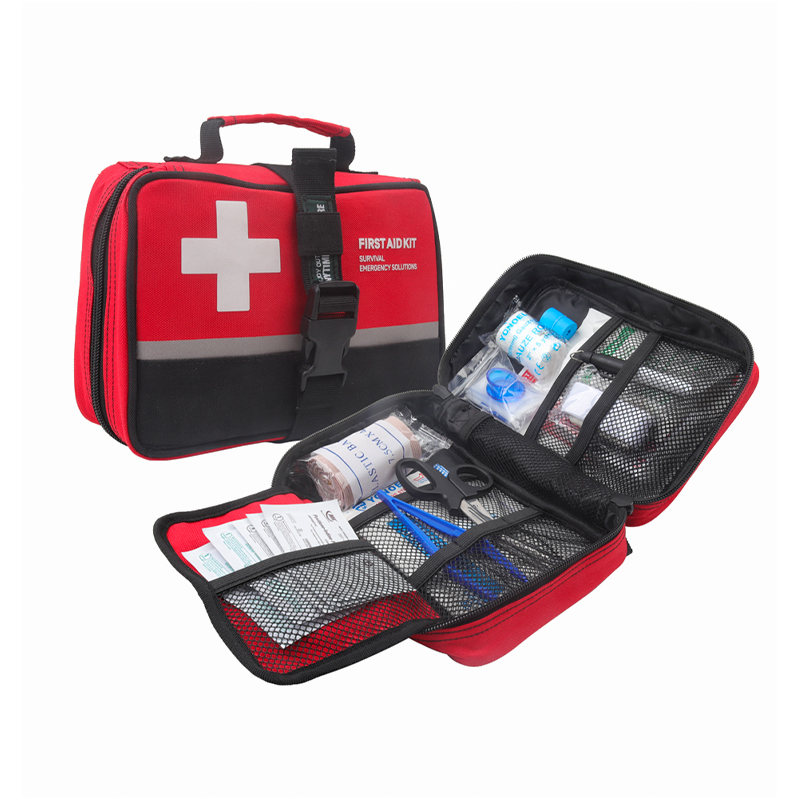
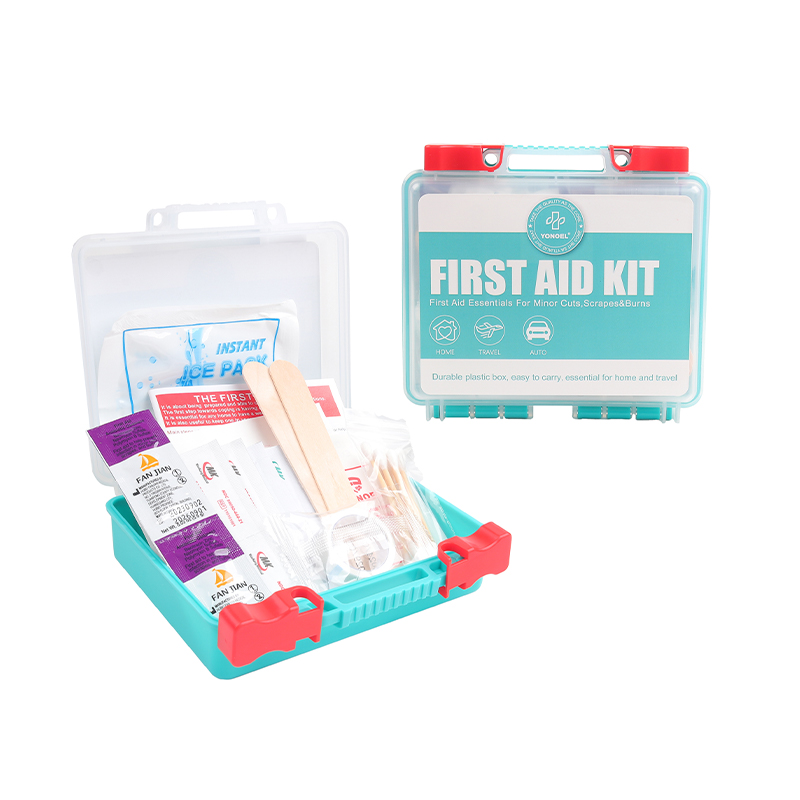
Don't forget gauze pads and rolls; they soak up blood and protect wounds while they heal. Tweezers help pull out splinters without making a fuss. Scissors with blunt ends keep things safe when cutting tape or fabric. An emergency blanket folds up small but can wrap someone up if they're cold or in shock. These pieces cover the usual stuff, like slipping in the kitchen or twisting an ankle during a game.
Adding burn gel for hot pan mishaps or pain relievers for headaches makes it even better. Elastic bandages wrap around sprains to keep swelling down. A simple first aid guide inside gives tips on what to do next. People with allergies might want to toss in antihistamines too. It's all about building a kit that handles what comes up most often without going overboard.
A kit that lasts is key, especially if it's a gift you want to be remembered for. Look for tough materials that hold up to being tossed in a bag or left in a car. A solid case with good zippers keeps everything safe from bumps. Waterproofing means it won't ruin if it gets wet during a hike or rain.
Strong seams and reinforced edges mean it won't fall apart after a few uses. The whole thing should keep its shape, so items inside don't get squished. Nylon or canvas feels durable and doesn't wear out fast. Compartments inside help sort things, so you don't dig around forever. This setup makes the kit feel professional and ready for action.
Over time, you want something that looks good too. Fading colors or weak spots can make it seem cheap. A kit that stands up to regular checks and restocks stays useful. It's worth spending a bit more on quality to avoid replacing it soon.
Portability turns a kit into something you can take anywhere, which is perfect for active folks. A slim design slips into a backpack without weighing it down. Light materials make it easy to carry on walks or trips. Handles or straps let you grab it quick.
Size matters—small enough for a purse, big enough for family needs. Flat shapes fit under seats in cars. Shoulder straps free up hands for other tasks. Wheels on larger ones roll smooth over rough ground. These details make it practical for gifts to travelers or campers.
Think about how often it'll move. A kit that packs tight saves space. It should feel sturdy on the go, not floppy. Portability keeps it handy when you need it most.
Making a kit personal shows extra effort. Add spots for custom items, like favorite meds or allergy pills. Modular parts swap in and out for different uses. For hikers, include bug spray; for homes, add child-safe stuff.
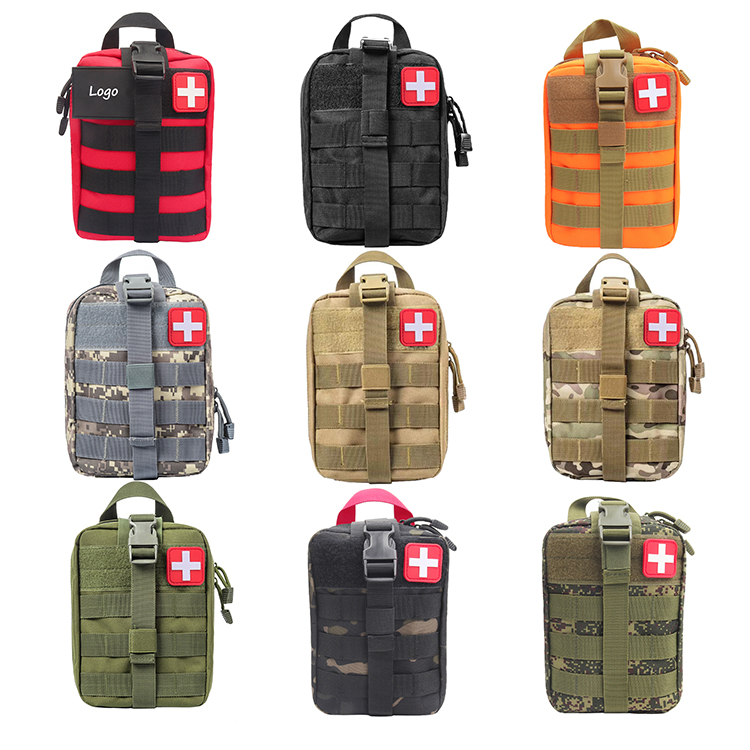
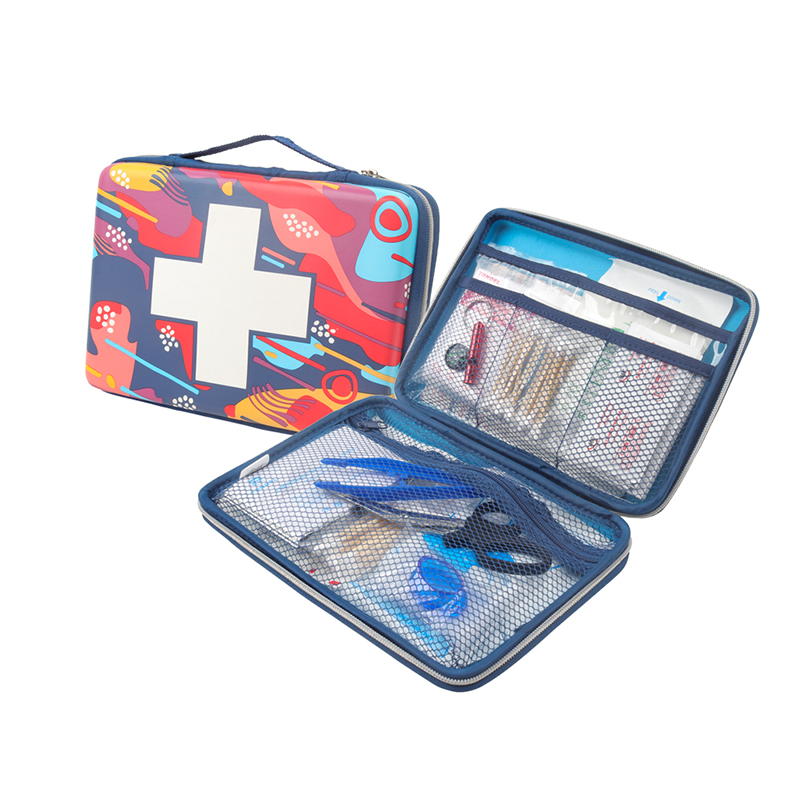
Colors or patterns match the person's style. Labels on pockets make finding things fast. This tailoring fits lifestyles, from busy parents to weekend adventurers. It turns a generic gift into something special.
Buyers often appreciate choices that let them tweak it. Samples or ideas help decide. Customization adds value and thoughtfulness.
Safety comes first in a first aid kit. Kits built to standard guidelines work reliably. Seals show they meet basic rules. Non-toxic stuff protects everyone using it.
Expiration dates on items keep things fresh. Regular updates refresh supplies. This focus builds confidence in emergencies. It's about trusting the kit when it counts.
Materials without harsh chemicals are kinder. Kits with clear checks for wear last longer. Safety makes it a gift worth giving.
A kit that's easy to use shines in tough spots. Labels on sections point to what's inside. Instructions guide steps without stress. Color codes separate types, like red for stops and blue for cleans.
Icons instead of words help all ages. Ergonomic tools fit hands well. Layouts flow naturally. This design cuts down on mistakes.
In a rush, simplicity saves time. Kits with cards or prints explain use. Ease makes it welcoming for beginners.
Extras boost a kit's reach. Flashlights light up dark areas. Whistles call for help. Gloves keep clean. CPR masks aid breathing. Splints hold breaks steady.
Duct tape fixes gear. Safety pins hold things together. Carrying cases with pockets add space. These turn basics into all-rounders.
Including them covers more ground. It's like adding tools to a toolbox. Accessories make the kit versatile.
| Feature Category | Description | Benefits for Gifts |
|---|---|---|
| Essential Components | Bandages, antiseptics, gauze, tweezers, scissors, blanket | Covers basic injuries and provides comfort |
| Durability | Sturdy case, waterproofing, reinforced materials | Ensures long-term use and protection |
| Portability | Compact size, lightweight, straps or handles | Easy to carry for various activities |
| Customization | Modular inserts, color options, personal labels | Tailors to recipient's specific needs |
| Safety Standards | Compliance with protocols, non-toxic materials | Builds trust and ensures safe application |
| Ease of Use | Clear labeling, instructions, color-coding | Simplifies access during emergencies |
| Additional Accessories | Flashlights, whistles, gloves, CPR masks, splints | Adds versatility for diverse situations |
When shopping for a first aid kit as a gift, start by thinking about the person's daily routine. If they hike or camp a lot, go for one with items that handle outdoor issues, like extra wraps for ankles or tools to deal with insect bites. For families with young kids, look for designs that include fun shapes or soft edges to make it less scary. Check where they might store it—maybe in a kitchen cabinet for home cooks or in the trunk of a car for road trips.
Refillable kits are a smart pick because they let you swap out used items without buying a whole new one, which saves cash over time. Stick to budget-friendly options that still have the core pieces covered, so you don't spend too much but get something decent. Plan for restocking by noting what runs out first, like bandages or wipes, to keep the kit fresh and ready. This way, the gift keeps on giving without needing constant attention.
Ask yourself about specific uses. A kit for a car might focus on quick fixes for travel, while one for the home could have more space for household accidents. Personalizing it, like adding a note about why you chose certain items, makes it feel more special. It's really about matching the kit to their life so it feels right and gets pulled out when needed.
Handing over a first aid kit as a gift does more than just fill a need; it sparks a habit of being prepared. People start thinking about safety in their everyday tasks, whether it's cooking or playing sports. Gifts like these show you've put thought into their health, which can mean a lot in building closer ties.
They help folks gain confidence in dealing with small problems on their own. Instead of panicking over a cut or bruise, they can grab the kit and handle it calmly. That emotional lift makes the gift memorable, as it ties into real care for their well-being.
In groups, like at work or in a neighborhood, shared kits spread awareness about staying healthy. They act as gentle reminders to check on each other. All in all, it's a simple item that brings a sense of security and makes a difference in how people approach minor health issues.
Imagine a summer cookout in the backyard where a child skins their knee on the grass. The kit's right there with bandages and antiseptic to clean it up fast, turning a cry into a quick fix. Or on a camping weekend, someone twists an ankle on a rocky path—the elastic wraps and pain relievers in the kit help stabilize it until they can get back to camp.
At home, a slip in the kitchen from a hot pan leads to a burn, and the gel inside soothes it while the gauze protects the spot. Travelers might use it for jet lag headaches or bumps from luggage, with items like meds and strips coming in handy. These situations highlight how the kit's features adapt to different moments in life.
Real stories from folks show the kit in action. A hiker once stopped bleeding from a thorn scratch using gauze and tape. A parent calmed a child's scraped elbow with wipes and a bandage. Such examples point to why having the right pieces matters, making the kit a go-to for whatever comes up.
Keeping a first aid kit stored properly means it's always set for when you need it. Find a cool, dry place like a closet or cabinet to avoid heat or moisture that could spoil items. Label the outside clearly so anyone can spot it in a hurry, and keep it off the floor to prevent dust buildup.
Inside, sort by type—put all wound care like bandages and gauze in one section, and meds in another. Use small pouches or dividers to separate them further, so it doesn't turn into a jumble. This way, you grab what you need without rummaging.
Make it a habit to check it once a month for any expired stuff or low supplies. Rotate items as you use them, replacing what's gone. Good organization and storage habits make the kit last longer and stay easy to use, turning maintenance into something straightforward.
Prices for first aid kits can shift based on size and what's included. Smaller, basic ones are cheaper and still get the job done for everyday needs. Bigger versions with extra bells and whistles might cost more, but they could fit if you have a bigger budget or more people to cover.
The real value shines through in how durable the kit is. Cheaper options might look good at first but wear out or break after a few uses, leading to replacements. Putting money into something sturdy pays off in the end, as it holds up better over time.
Think about the long haul. A kit that endures means you don't have to buy new ones often, which balances out the cost. It's about weighing what you spend against how reliable it'll be for health matters.
Folks who use first aid kits often share stories that bring the benefits to life. One person mentioned fixing a bike fall with quick bandages that stopped the bleeding fast. Another talked about treating a pet scratch on themselves, using the antiseptics to keep it clean.
These positive tales help build faith in the kit's role in homes or on trips. Kits that get good feedback tend to be kept in easy spots and used regularly. They prove their worth through real situations.
Paying attention to what users say can guide your choices, focusing on kits that match what people actually need in practice.
As life changes, a first aid kit can grow with it. Add extras for new hobbies, like sunscreen for beach days or allergy meds for seasonal shifts. Restocking based on trends keeps it current without overhauling everything.
Kits with flexible spaces adapt as needs evolve, fitting bigger families or different activities. This forward-thinking makes the gift stay useful for years.
Planning for updates adds a layer of care. It's a present that matures alongside the person, always ready for what's next.
Choosing Right Gift First Aid Kits
Wrapping up, a good first aid kit gift balances features for real use. Components, durability, and ease stand out. Customization and safety seal it. Extras and portability round it out. Tips and benefits guide picks. Scenarios and storage add depth. Cost and feedback inform decisions. Future-proofing ensures longevity. This way, the kit serves well and brings peace of mind.
For those interested in high-quality first aid kits, Yonoel offers reliable packaging solutions that protect and organize supplies. Our designs ensure kits remain intact during transport and storage.
At Yonoel, we specialize in durable cases and compartments that make first aid kits easy to use. Contact us to explore options that fit your gifting needs.
No. 52, Hulian West Street, Jiangbei Street, Dongyang City, Jinhua City, Zhejiang Province, China
Quick Links
Product Center
Contact Us
 PRIVACY

 English
 Deutsch
 Français
 русский
 Español