First aid kits look pretty similar at first glance—both have bandages, gauze, and some way to clean a wound—but once you dig into what they're actually built for, the differences become obvious. A combat military first aid kit (usually called an IFAK) gets designed for the worst possible moments in high-threat situations, where someone might be dealing with massive blood loss or a penetrating injury far from help. Civilian first aid kits, on the other hand, sit in kitchens, cars, offices, or backpacks ready for the kinds of things that happen in normal life: a sliced finger from chopping vegetables, a scraped knee from a fall, a burn from touching a hot pan, or maybe a headache that won't quit.
People often mix the two up because military-style gear has become popular in civilian circles, especially among hikers, hunters, or folks who like being prepared. But the reality is these kits serve very different purposes, and choosing the wrong one can leave you either over-equipped for minor stuff or under-prepared for something serious. The gap shows up in every part: why the kit exists, what goes inside, how it's carried, how tough it needs to be, and what kind of know-how you actually need to use it right.
Military first aid kits come from environments where injuries tend to be violent and immediate—think gunshot wounds, shrapnel from explosions, or deep lacerations from sharp objects. The whole point is to buy time: stop the bleeding fast, plug a sucking chest wound so air doesn't collapse a lung, keep an airway open if the person is out cold. It's built around the idea that help might be minutes or hours away, and the person using it (or a buddy) has to act right then.
Civilian kits handle the routine accidents everyone runs into. A kid trips on the sidewalk, someone gets a splinter at work, a hiker twists an ankle—these are uncomfortable but rarely life-or-death in the next few minutes. The focus stays on cleaning the wound to prevent infection, covering it properly, easing pain or swelling, and dealing with common complaints like allergies or stomach upset. In most cases, professional medical care is just a short drive or call away.
That difference in urgency shapes everything else. A civilian kit can afford to be gentle and broad; a military one has to be narrow, fast, and aggressive.
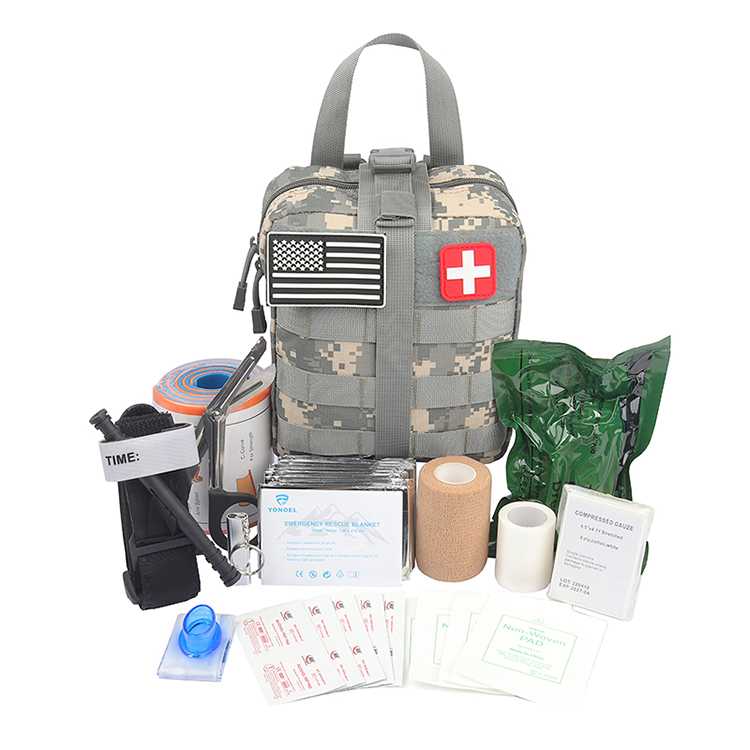
Open a military IFAK and you'll see items that look almost intimidating: a combat application tourniquet that can stop arterial bleeding in seconds, packets of clotting powder or gauze impregnated with hemostatic agents, vented chest seals with one-way valves, Israeli bandages or similar pressure dressings for packing deep wounds, and sometimes a nasopharyngeal airway with lubricant for unconscious breathing support. These tools target catastrophic bleeding—the leading preventable cause of death in trauma—and tension pneumothorax.
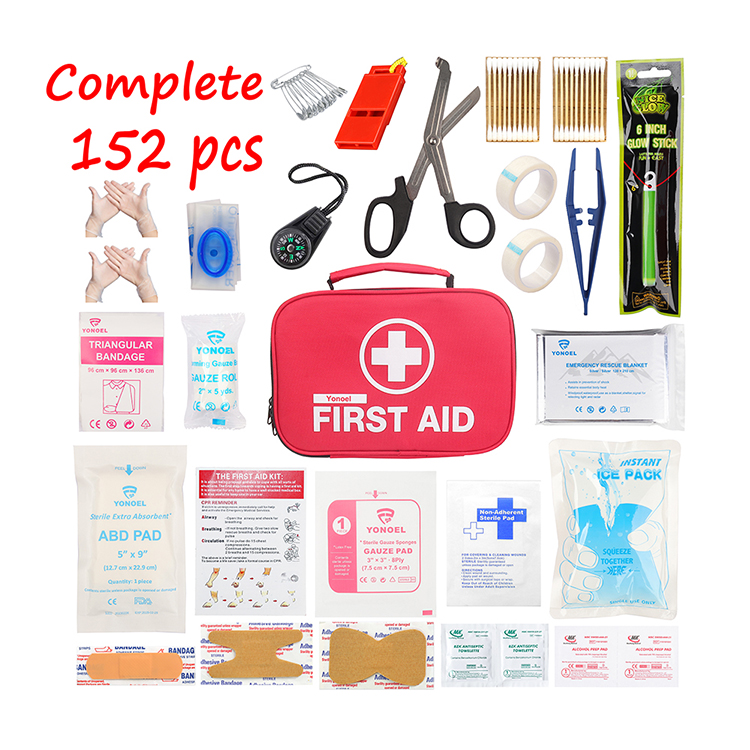
Flip open a typical civilian kit and it's more familiar: a bunch of different-sized Band-Aids, alcohol or antiseptic wipes, triple antibiotic ointment, rolled gauze, adhesive tape, small scissors, tweezers, a few pain relievers like ibuprofen or acetaminophen, maybe some hydrocortisone cream for itching, burn gel, and instant cold packs. Some include gloves, a CPR mask, or basic eye wash. The supplies lean toward prevention of infection and comfort rather than heroic intervention.
Military kits keep medications minimal—often just basic painkillers—because the focus is trauma, not general health complaints. Civilian versions stock more OTC meds because everyday aches, fevers, or allergies pop up regularly.
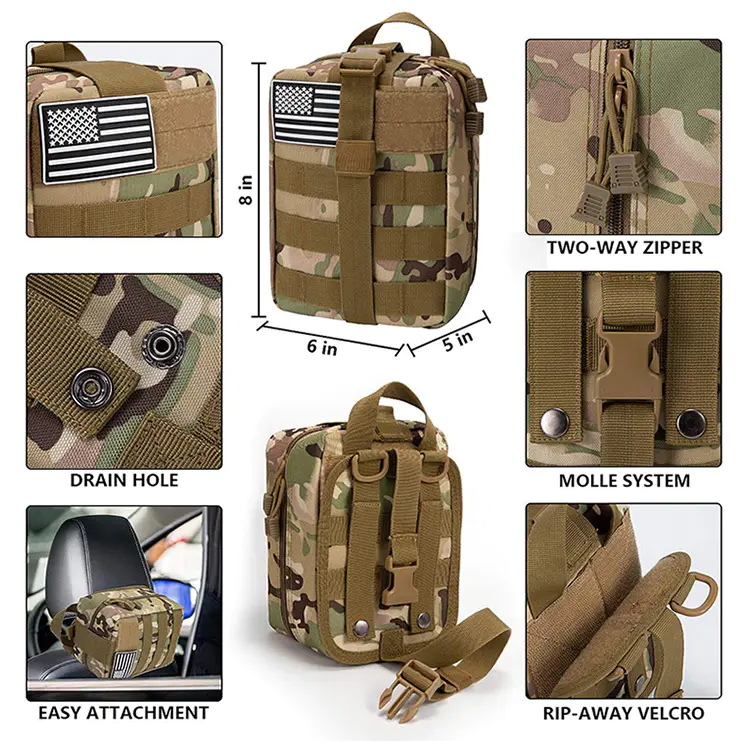
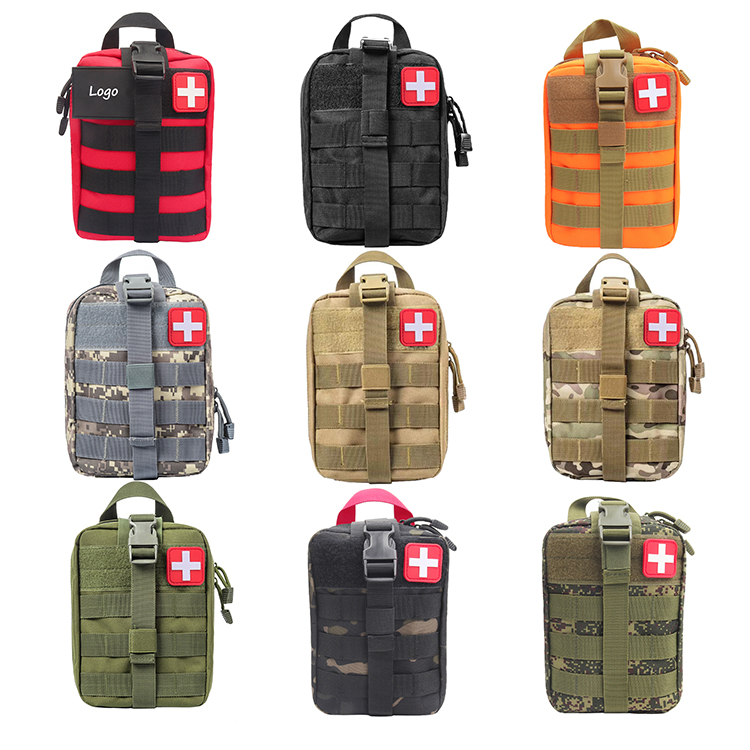
Military kits stay small and tough on purpose. The pouch usually attaches directly to a vest, belt, or pack with MOLLE webbing so it rides close to the body without bouncing around during movement. The fabric resists rips, water, dirt, and extreme temperatures—because it might get dragged through mud, rain, or sand.
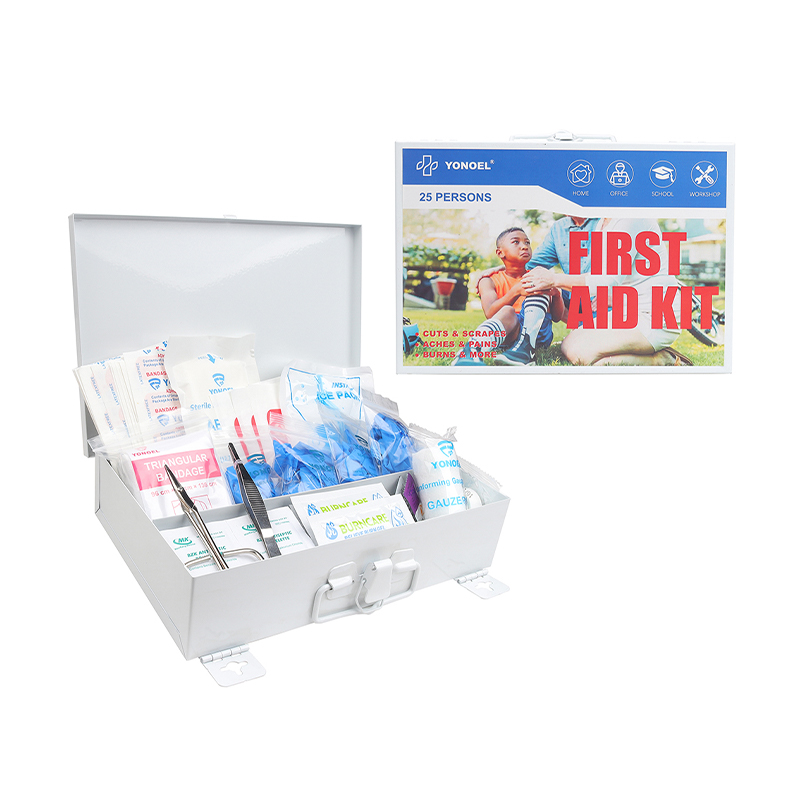
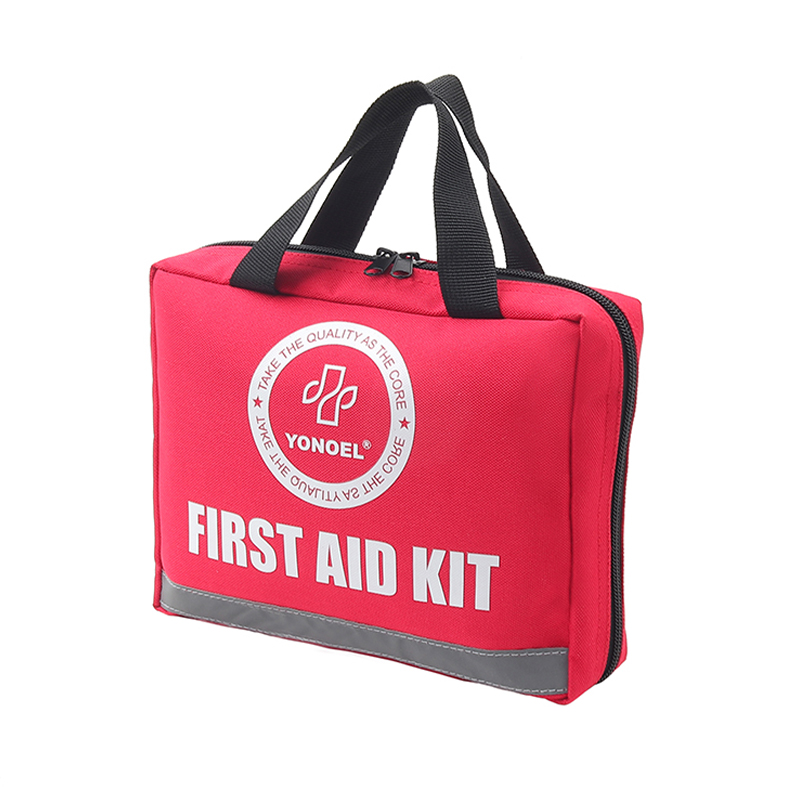
Civilian kits vary much more. You get everything from tiny keychain pouches for a glove box to big soft-sided bags for the home, wall-mounted plastic cabinets for offices, or waterproof hard cases for boats. Portability depends on use: a hiking version might clip to a backpack, while a kitchen one just sits in a drawer. Durability is good enough for normal wear but doesn't need to survive combat conditions.
Weight matters too. A loaded IFAK adds noticeable ounces to gear, but soldiers accept that trade-off. Civilian users usually want something light enough that it doesn't get left behind.
Military kits demand skill. Slapping on a tourniquet wrong can cause more harm than good—nerve damage, unnecessary tissue loss, or failure to stop bleeding. Packing a junctional wound or applying a chest seal takes practice. Most people in uniform drill these skills repeatedly.
Civilian kits stay beginner-friendly. Cleaning a cut with wipes, putting on a bandage, wrapping a sprain, or using a cold pack doesn't require formal training—though basic first aid classes help. Even when civilian kits include a tourniquet (more common now after events like mass shootings), manufacturers often add simple instructions, and misuse risks stay lower because the injuries aren't usually as extreme.
Military-grade components drive up the price—specialized tourniquets, hemostatics, and seals aren't cheap. Civilian kits range from very affordable basic packs to mid-range ones with extras.
You can buy civilian kits almost anywhere: pharmacies, big-box stores, online. True military-spec IFAKs often come from tactical outlets, though civilian-legal versions of the same tools have spread widely.
Plenty of civilians add military elements to their kits. Remote workers, off-grid preppers, armed security, or parents in active communities might carry a tourniquet and quick-clot gauze alongside regular bandages. The logic is simple: if severe bleeding happens, those tools save lives, and the rest of the kit covers everyday stuff.
Standard civilian kits avoid overloading with trauma gear because most users won't encounter those injuries, and untrained application can cause problems. The sweet spot for many people ends up being a hybrid: a solid civilian base with one or two proven trauma items added after some basic training.
Think about where you'll be and what could realistically go wrong. Home, school, office? A civilian kit does the job without extras. Backcountry trips, range days, or high-risk jobs? A military-style setup (or hybrid) gives you tools for the bad scenarios.
No matter which, check the kit every few months—swap out expired meds, restock used items, make sure nothing's damaged. Keep it where you can grab it fast.
In the end, combat military first aid kits and civilian first aid kits answer different questions. One stops you from bleeding out in seconds; the other keeps small problems from turning into bigger headaches. Knowing the differences lets you carry what actually fits your life.
If you're after reliable first aid kits that work well for both everyday and more serious needs, Yonoel runs a specialized factory turning out practical, well-organized options. They put real thought into durable builds, clear layouts, and features that make supplies easy to grab when it counts.
Yonoel keeps production steady and offers a range of sizes and setups so you can find something that matches your routine. Working with them makes it straightforward to get dependable kits that give solid support whether you're at home or out in the field.
No. 52, Hulian West Street, Jiangbei Street, Dongyang City, Jinhua City, Zhejiang Province, China
Quick Links
Product Center
Contact Us
 PRIVACY

 English
 Deutsch
 Français
 русский
 Español