Giving a first aid kit as a gift to an elderly parent, grandparent, or other loved one feels practical and caring in a quiet way. It's not flashy, but it says you're thinking about their safety when they're home alone, dealing with a small cut in the kitchen, or waking up with a sudden ache. Seniors often have slightly different needs than younger adults—stiffer fingers, weaker eyesight, more frequent minor falls, or ongoing prescriptions—so a generic kit from the drugstore usually isn't the best match. The right one feels thoughtful because it actually fits their daily life instead of sitting untouched in a closet.
Most families want something that helps without making the recipient feel fragile. A good gift first aid kit for elderly loved ones strikes that balance: easy to open, simple to understand, stocked with the right things, and organized so nothing gets lost in the shuffle. When you pick one with those qualities in mind, it tends to get used regularly rather than becoming another "nice thought" item that gathers dust. Here's what really matters when you're shopping for one.
Every senior is different, so begin by picturing their typical day. Do they cook a lot and risk small burns or knife nicks? Are they gardening and prone to scrapes or insect bites? Do they walk with a cane and sometimes stumble? Many older adults also manage at least one chronic condition—high blood pressure, arthritis, diabetes—so the kit should have room for a couple of their daily pills, a glucose test strip if needed, or even a small notebook for jotting blood pressure readings.
Living situation plays a big role too. Someone in a single-story house with wide hallways might keep a larger kit in the bathroom or bedroom. An apartment dweller with limited storage probably needs something compact that slides under the sink or fits on a shelf. If they travel to family gatherings or doctor visits, portability becomes more important. Thinking through these details helps you avoid buying something too big, too small, or missing the items they're most likely to reach for.
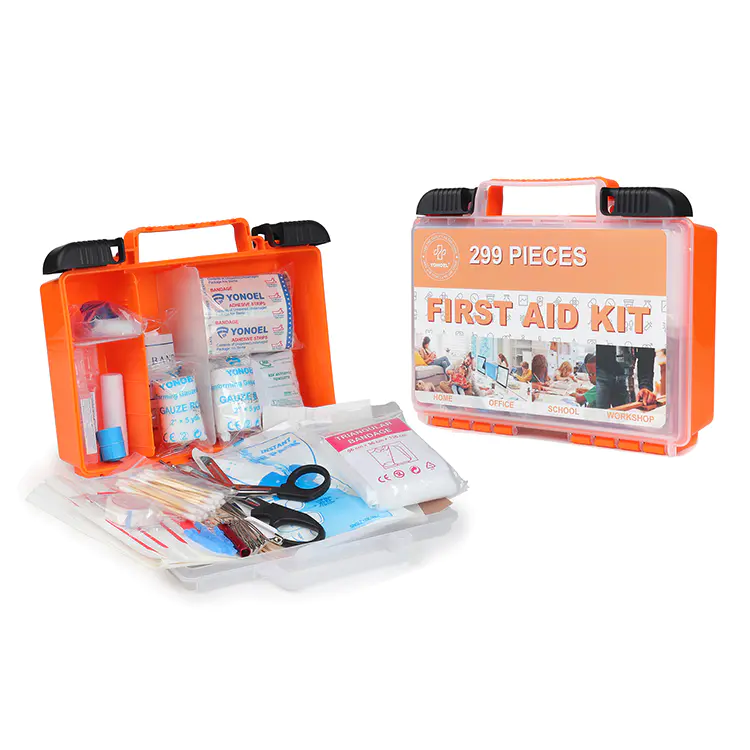
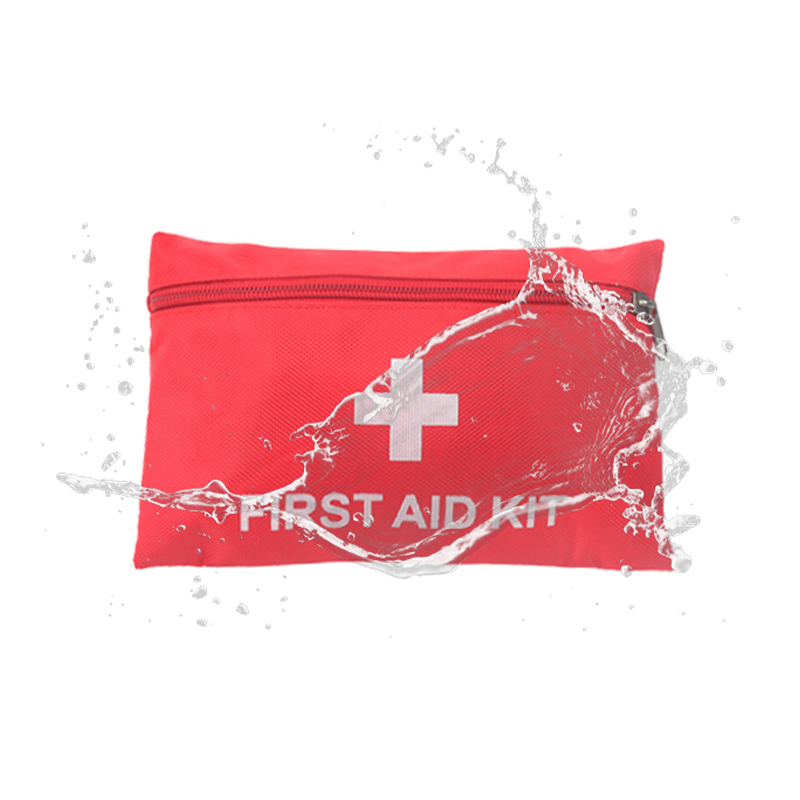
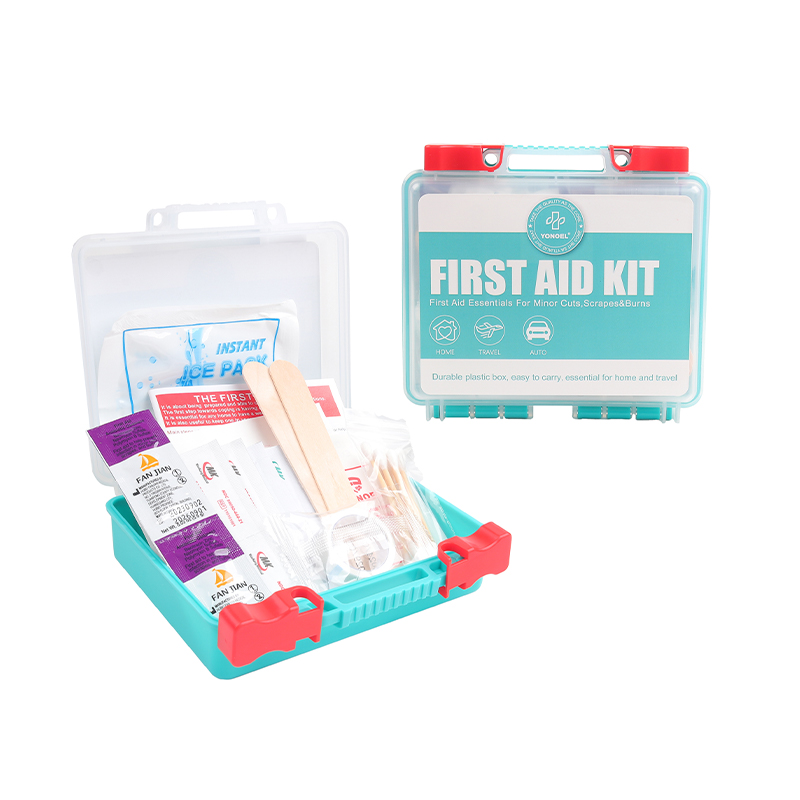
Nothing defeats the purpose faster than a kit that's hard to open when someone's hands are shaking or fingers are stiff from arthritis. Look for zippers with large pull tabs, magnetic closures, or simple lift-off lids instead of tiny buckles or twist locks. Clear plastic windows or see-through pouches let them spot what they need without rummaging blindly.
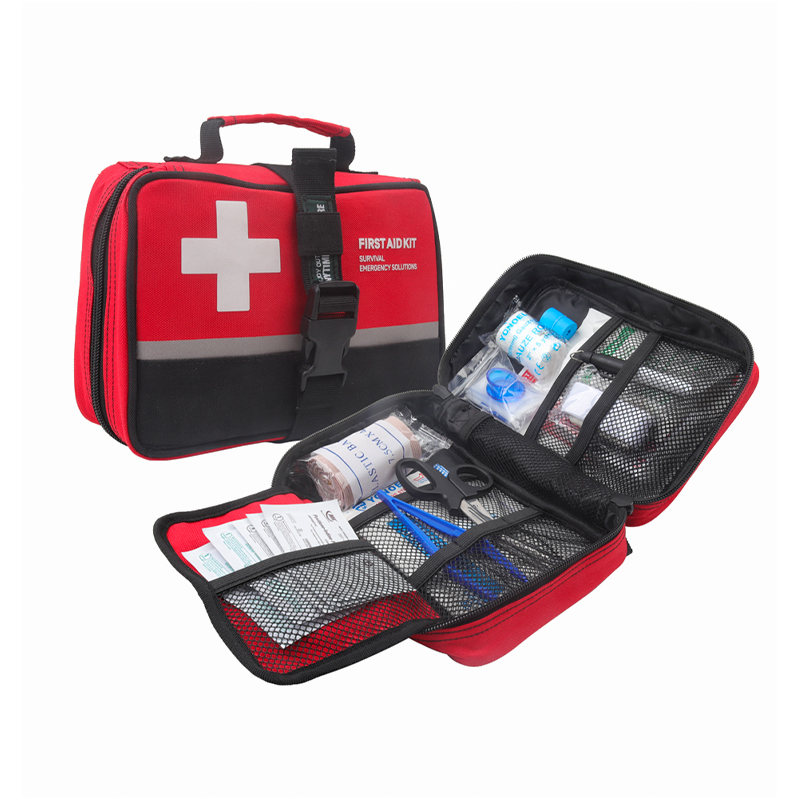
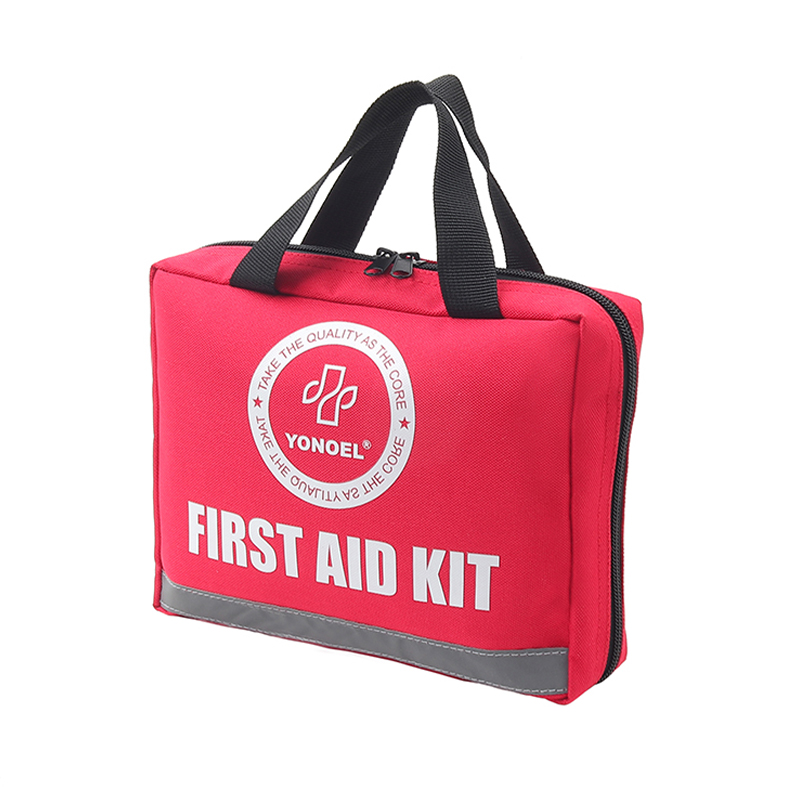
Organization inside matters just as much. Elastic loops that hold scissors and tweezers in place prevent everything from tumbling out when the case is opened. Color-coded sections—maybe red for bleeding, blue for burns—give quick visual cues, especially if reading small print is challenging even with glasses. A sturdy handle or adjustable strap makes it easier to carry from the living room to the bedroom or take along in the car. The whole design should feel approachable, so opening it doesn't add stress to an already stressful moment.
Skip the giant kits stuffed with fifty kinds of bandages nobody ever uses. Instead, prioritize the basics seniors actually encounter:
Leave some empty pockets so they can add personal items—maybe an extra set of reading glasses, nitroglycerin if prescribed, or an EpiPen. The goal is coverage for everyday mishaps without overwhelming them with extras they'll never touch.
Even people with decent vision struggle in low light or when they're flustered. Bold, high-contrast printing on every compartment and pouch makes a huge difference. Icons next to words (a bandage picture for wound supplies, a flame for burn items) help when reading feels difficult. Avoid anything with tiny font or labels printed directly on dark fabric—those are hard to read at the best of times.
Good kits keep similar items grouped together so nothing gets buried. When someone can glance inside and immediately see where the burn cream lives, they save precious seconds and stay calmer.
A kit that's too heavy ends up parked on a high shelf and forgotten. Lightweight fabric cases or slim hard-shell boxes work best for most homes. If space is tight, look for flat designs that slide into a drawer. For bathrooms or kitchens, waterproof or moisture-resistant materials prevent damage from steam or spills.
Portability counts for seniors who leave the house regularly. A version with a shoulder strap or carabiner clip can attach to a walker or hang in the car. Some families buy two—one for home and one smaller travel version—so supplies are always nearby.
Cheap zippers break after a few uses, thin fabric tears, and flimsy plastic cracks. Spend a little more for reinforced stitching, strong zippers, and a case that feels solid. Sealed inner bags keep contents dry and clean even if the outer case gets splashed. Make sure expired items like creams or wipes can be replaced easily—many good kits use standard sizes available at any pharmacy.
A few thoughtful additions turn a basic kit into something genuinely supportive:
These small touches address real scenarios seniors face—being alone at night, limited mobility after a fall—without turning the kit into a bulky survival pack.
| Key Consideration | Why It Matters for Seniors | What to Look For |
|---|---|---|
| Ease of Opening | Limited hand strength and dexterity | Large tabs, magnetic closures, no tiny latches |
| Visibility & Labeling | Reduced vision, especially in low light | Bold large print, icons, clear compartments |
| Organization | Quick access reduces panic | Elastic loops, color-coded sections, dividers |
| Weight & Portability | Harder to carry heavy items | Lightweight case, handle or strap |
| Supply Focus | Matches age-related injuries and conditions | Wound care, cold packs, space for personal meds |
| Durability | Needs to last years with occasional use | Strong stitching, quality zippers, sturdy shell |
| Extra Safety Items | Supports independence during emergencies | Flashlight, whistle, basic first-aid guide |
Think about your loved one's personality too. Some appreciate a straightforward, no-nonsense kit; others like one with a cheerful pattern or personal note inside. If possible, look at a few options together during a visit—open them, feel the zippers, read the labels—so you can see what feels right to them.
A carefully chosen gift first aid kit for elderly loved ones quietly supports independence and safety. It's one of those gifts that keeps giving every time a small mishap happens and the right supply is right there.
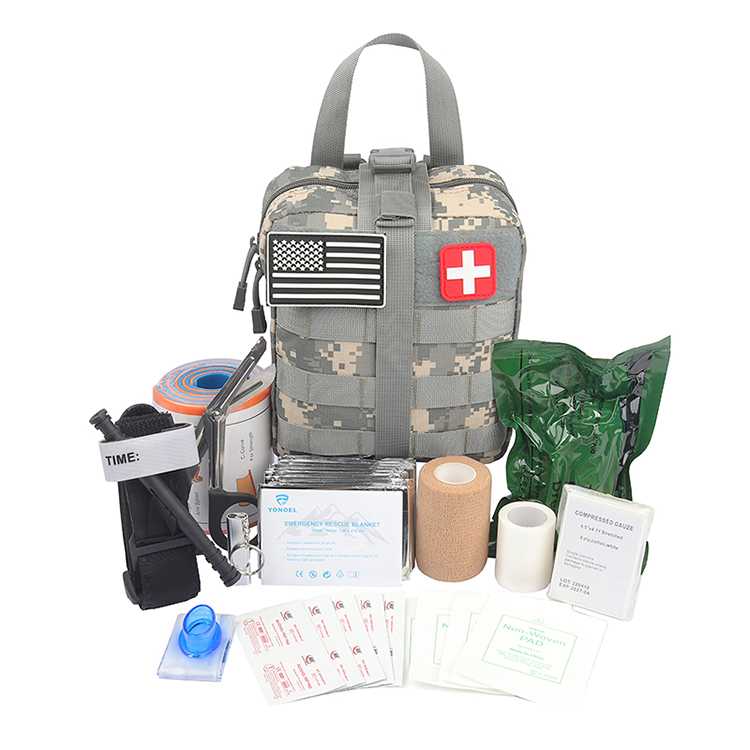
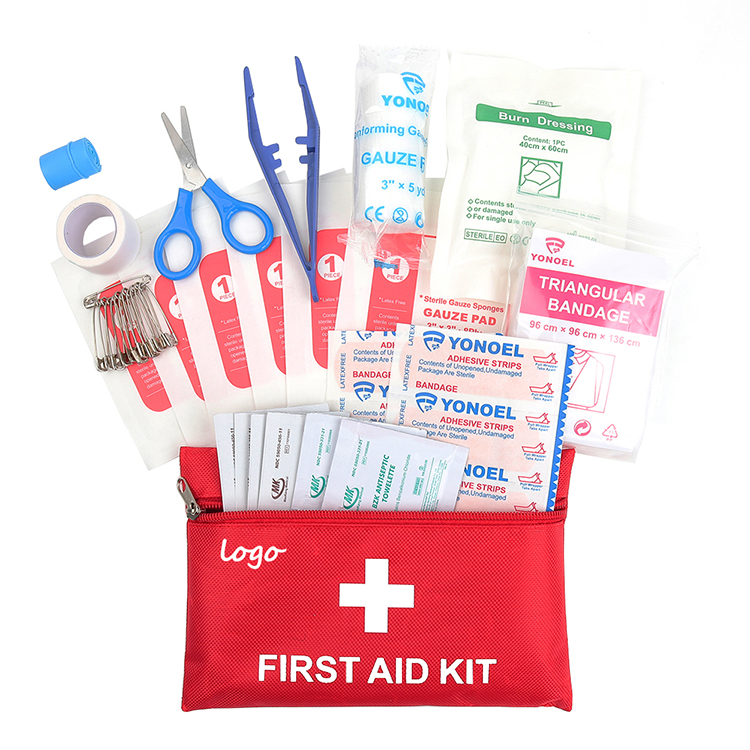
If you're looking for reliable, thoughtfully designed first aid kits that work well as gifts for seniors, Yonoel runs a dedicated factory focused on practical, user-friendly options. They pay close attention to accessibility features—like large grips, clear layouts, and sturdy construction—so the kits are genuinely helpful for older users.
Yonoel keeps quality consistent across their range and offers flexibility for different sizes and custom touches. Reaching out to them makes it easier to find a kit that feels just right for the elderly loved one in your life, giving everyone a bit more peace of mind.
No. 52, Hulian West Street, Jiangbei Street, Dongyang City, Jinhua City, Zhejiang Province, China
Quick Links
Product Center
Contact Us
 PRIVACY

 English
 Deutsch
 Français
 русский
 Español