The concept of a Gift First Aid Kit may appear simple at first glance, yet the idea behind it reflects a deeper shift in how people view safety, care, and everyday preparedness. In recent years, gifting has moved beyond decorative or symbolic items toward objects that carry long-term usefulness. A first aid kit presented as a gift fits naturally into this change, combining daily practicality with thoughtful intention.
Unlike traditional gifts that are often chosen for visual appeal or seasonal relevance, a first aid kit carries a different kind of meaning. It suggests awareness of real-world needs, consideration for unexpected situations, and a quiet form of responsibility. This perspective explains why such kits are now found in homes, offices, vehicles, travel bags, and shared spaces, not only as safety tools but also as expressions of care.
Understanding this idea requires looking at how gifting habits have evolved, how people think about readiness today, and why practical items increasingly hold emotional value.
The Changing Meaning of Gifts in Modern Life
Gift giving was once closely tied to celebrations, milestones, or cultural customs. Over time, expectations shifted. Many people now prefer items that integrate smoothly into daily routines instead of objects that remain unused. A Gift First Aid Kit aligns with this preference because it serves a clear purpose while avoiding excess.
This shift is influenced by several social trends.
A first aid kit offered as a gift does not draw attention to itself, yet it quietly communicates care. It avoids personal assumptions while remaining universally relevant.
Why Safety-Oriented Gifts Are Gaining Acceptance
Safety-related products were once considered too serious for gifting. That perception has gradually changed. Today, people understand that readiness does not imply fear, but rather thoughtful planning. A Gift First Aid Kit reflects this understanding.
Such a kit does not suggest that accidents are expected. Instead, it acknowledges that minor injuries and everyday mishaps are part of life. By addressing these realities calmly, the gift becomes practical rather than alarming.
This acceptance is reinforced by everyday experiences.
These situations are common and familiar. A well-considered first aid kit supports them without drawing unnecessary attention.
The Emotional Value Behind a Practical Gift
While a first aid kit is primarily functional, its emotional value should not be underestimated. Gifting such an item sends a subtle message that differs from many conventional presents.
It suggests.
This emotional layer is often what makes the gift memorable. The recipient may not use the kit immediately, yet its presence offers reassurance. Over time, that reassurance becomes associated with the giver.
How a Gift First Aid Kit Fits Different Lifestyles
One reason the idea works well is its flexibility. A Gift First Aid Kit does not belong to a single lifestyle or age group. It adapts easily to different environments.
| Lifestyle or Setting | Why the Gift Is Relevant |
|---|---|
| New households | Supports everyday readiness in a shared space |
| Students | Useful for dorms and shared living areas |
| Office workers | Addresses minor incidents during work hours |
| Travelers | Offers reassurance during unfamiliar journeys |
| Families | Helps manage small injuries during daily activities |
This adaptability strengthens the value of the gift. It avoids being tied to a specific trend or season.
Cultural Views on Preparedness and Care
Cultural attitudes also influence how a Gift First Aid Kit is perceived. In many regions, preparedness is seen as a responsible habit rather than a reaction to fear. Gifting an item that supports this habit aligns with broader values of care and foresight.
In some cultures, practical gifts are traditionally favored. In others, such items were once avoided but are now gaining acceptance as lifestyles become more fast-paced and mobile. A first aid kit bridges these differences because its purpose is easily understood across contexts.
It does not rely on language, fashion, or personal taste. Its value is straightforward and universal.
Practical Gifts and Long-Term Use
Another key idea behind a Gift First Aid Kit is longevity. Many gifts are used briefly or stored away. A first aid kit, however, remains relevant over time. Even when untouched, it serves a role by being available.
This long-term presence changes how the gift is perceived.
From a gifting perspective, this makes the item feel stable and reliable, qualities that are increasingly appreciated.
The Role of Simplicity in Gift Design
Simplicity plays an important role in the success of a Gift First Aid Kit. Overly complex or specialized products can create hesitation. A simple, well-organized kit feels approachable and easy to integrate into daily life.
The idea is not to overwhelm the recipient with information or options. Instead, it is to offer a supportive tool that feels intuitive. This aligns with current consumer preferences for clarity and ease of use.
Simplicity also helps avoid misunderstandings. The recipient does not need technical knowledge to appreciate the gift.
Gifting Without Personal Risk
One challenge in gift selection is avoiding items that feel too personal. Clothing sizes, scents, or decorative styles can miss the mark. A first aid kit avoids these risks.
Its neutrality works in its favor.
Because of this, a Gift First Aid Kit is often chosen for occasions where the giver may not know the recipient deeply, such as workplace exchanges or community events.
The Quiet Presence of Readiness
Perhaps the most important idea behind a Gift First Aid Kit is its quiet presence. Unlike items that demand attention, this gift remains in the background until needed. When it is used, it fulfills its role without ceremony.
This quiet support reflects a broader shift in values. People increasingly appreciate tools that assist without distraction. A first aid kit embodies this principle by existing as a resource rather than a statement.
Everyday Examples That Reinforce the Idea
The concept becomes clearer when viewed through everyday scenarios.
In each case, the presence of a first aid kit reduces stress. When such readiness comes from a gift, the sense of consideration becomes tangible.
Why the Idea Resonates Across Age Groups
Age differences often influence gift preferences, yet the idea behind a Gift First Aid Kit resonates across generations. Younger recipients may appreciate its practicality, while older individuals value its support for daily routines.
This cross-generational appeal adds to its relevance. It does not rely on novelty or entertainment. Instead, it aligns with shared human experiences.
A Thoughtful Alternative to Conventional Presents
When compared with more traditional gift items, a first aid kit stands out for its grounded nature. It does not attempt to impress. It aims to assist.
This difference matters. In many cases, the most appreciated gifts are those that quietly improve daily life. A Gift First Aid Kit fits this role by offering readiness without excess.
Long-Term Perception of the Gift
Over time, the perception of a Gift First Aid Kit often improves rather than fades. Each use reinforces its value. Even periods without use do not diminish its purpose.
This ongoing relevance is part of the idea itself. The gift is not about immediate reaction but about steady support.
Understanding the Idea as a Whole
When all these elements are considered together, the idea behind a Gift First Aid Kit becomes clear. It is not simply a container of supplies. It represents awareness, practicality, and a calm approach to care.
It reflects modern gifting values that favor usefulness, responsibility, and subtle emotional connection. By fitting naturally into daily life, it avoids excess while offering meaningful support.
In this sense, a Gift First Aid Kit is not defined by what it contains, but by what it represents. It acknowledges real needs, respects personal boundaries, and provides reassurance without words.
A Gift First Aid Kit is not defined only by what it contains. Its meaning comes from the way it is chosen and the reason it is given. Instead of being purchased for personal storage or emergency planning, this type of kit is prepared with another person in mind. The intention behind it is to offer something useful, neutral, and quietly supportive.
In daily life, small incidents are common. Minor cuts, light burns, or simple discomforts happen without warning. A first aid kit placed in a home or shared space often goes unnoticed until it is needed. When such an item is given as a gift, it carries an added layer of thoughtfulness. It reflects awareness of everyday realities rather than special occasions alone.
A Gift That Focuses on Practical Care
Many gifts are selected for appearance, trend value, or emotional impact. A Gift First Aid Kit follows a different path. Its value is connected to readiness and care rather than excitement. This makes it suitable for people who prefer practical solutions over decorative items.
The kit does not suggest that problems are expected. Instead, it acknowledges that small situations are part of normal routines. Cooking, traveling, working, or spending time outdoors all involve moments where basic care items can be helpful. Offering such a kit recognizes these moments without drawing unnecessary attention.
Because of this, the gift feels calm and respectful. It does not create pressure on the recipient to use it immediately or display it publicly.
How It Is Different from a Personal First Aid Kit
Although the basic function may appear similar, a Gift First Aid Kit is usually prepared with broader use in mind. A personal kit often reflects individual habits or specific environments. A gift-oriented version aims to be widely understandable and suitable for shared settings.
| Point of View | Gift First Aid Kit | Personal First Aid Kit |
|---|---|---|
| Intended use | Shared or general use | Individual use |
| Selection logic | Neutral and adaptable | Based on personal routine |
| Presentation | Clear and approachable | Function-focused |
| Gifting purpose | Chosen for others | Purchased for self |
This distinction helps explain why gift-focused kits are often selected for environments where multiple people may access them.
Why People Choose It as a Gift
One reason this type of kit is chosen is its wide acceptance. It does not rely on fashion, taste, or age. This reduces uncertainty when selecting a present for someone whose preferences are not fully known.
Another reason is its lasting relevance. Many gifts are linked to a moment. A first aid kit remains useful long after it is received. Even when unused, it serves as a quiet backup. Over time, this reliability becomes part of how the gift is perceived.
There is also an emotional aspect that is easy to overlook. Giving something related to care communicates attention without being personal or sensitive. It shows consideration while respecting boundaries.
Situations Where a Gift First Aid Kit Fits Naturally
This kind of gift is often chosen for everyday milestones rather than formal celebrations. Some common situations include.
In these cases, the kit blends into daily life rather than standing out as a decorative object.
A Neutral Choice in a Complex Gifting Landscape
Choosing a gift can involve uncertainty. Personal items may feel too specific. Decorative objects may not match the recipient's style. A Gift First Aid Kit avoids these challenges by focusing on function rather than expression.
Its neutrality is one of its strengths. It does not require explanation. It does not depend on trends. It fits quietly into homes, workplaces, and travel settings.
In simple language, a Gift First Aid Kit is a practical care item offered with intention. It is not about preparing for major events. It is about supporting everyday situations that people rarely plan for in advance.
Its value comes from usefulness, simplicity, and consideration. By combining these elements, it has become a thoughtful option for modern gifting, especially where practicality and respect are appreciated.
When a first aid kit is prepared for personal use, the focus is usually simple. It only needs to work for one person or one family. When the same type of kit is meant as a gift, the thinking changes. A gift ready first aid kit must feel easy to accept, easy to place, and easy to understand. These qualities do not come from adding more items. They come from how the kit is put together.
Easy to Open, Easy to Understand
The first few seconds matter. When someone opens a gift ready first aid kit, they should immediately understand what they are looking at. If everything feels crowded or confusing, the kit may be closed again and forgotten.
A gift ready kit usually avoids complicated layouts. Items are grouped in a way that feels natural. There is no need to guess where something might be.
This kind of structure helps because:
A clear interior design is often more important than the number of items inside.
A Look That Fits Many Places
A kit prepared as a gift should not look out of place. It might end up in a kitchen drawer, an office cabinet, a travel bag, or a shared space. Because of this, visual balance matters.
Gift ready kits often follow a simple rule. They avoid strong visual messages. No loud colors. No heavy graphics. No styling that limits where the kit can be stored.
This makes placement easier. The recipient does not need to think about where it belongs. It fits quietly into everyday surroundings.
This also reduces the chance that the gift feels awkward or unused.
Contents That Feel Familiar
When people open a first aid kit, they want to recognize what they see. A gift ready kit usually focuses on items that feel familiar to most people. This helps build confidence.
If someone is unsure how to use what they see, they may avoid the kit entirely. Familiar items remove that barrier.
Familiarity supports:
The goal is not to surprise the user. It is to make them feel comfortable.
No Assumptions About the User
One common mistake in gift selection is assuming too much about the recipient. A gift ready first aid kit avoids this by staying neutral.
It does not assume:
This neutrality is important. It allows the kit to be useful without asking the recipient to adjust their routine.
Because of this, gift ready kits work well in situations where the giver may not know the recipient well.
Simple Labels and Clear Grouping
Another important component is clarity. Labels should be easy to read. Grouping should make sense without explanation.
For example, items that are often used together are placed close to each other. This reduces the time needed to search.
Clear grouping helps because:
In gift ready kits, clarity often matters more than compactness.
Packaging That Feels Reliable
Packaging plays a quiet role in how a gift is perceived. A first aid kit meant for gifting should feel reliable in the hand. It should not appear fragile or temporary.
Reliable packaging helps in several ways.
When packaging feels practical, the kit feels complete. It does not look like something that needs to be replaced quickly.
A Balanced Selection, Not an Overfilled One
A gift ready first aid kit is not meant to show quantity. It is meant to show thought. Too many items can feel overwhelming. Too few may feel careless.
Balance is key.
A balanced kit:
This balance shows that attention was paid to everyday needs rather than extremes.
Designed for Shared Use
Many gift ready first aid kits are placed in shared environments. This could be a household, office, or travel setting. In these cases, the kit should feel open to everyone.
This means:
A shared design encourages responsible use without control.
Flexible Enough for Different Situations
A good gift ready kit does not belong to only one scenario. It works in daily life, during travel, or in temporary spaces.
This flexibility comes from:
Because of this, the recipient does not need to decide where the kit belongs right away.
Features That Support Everyday Use
| Feature | Why It Matters |
|---|---|
| Clear layout | Reduces hesitation during use |
| Neutral design | Fits many environments |
| Familiar contents | Builds user confidence |
| Simple packaging | Supports storage and reuse |
| Balanced selection | Keeps the kit approachable |
Each feature supports everyday use rather than rare situations.
Why These Details Matter More Than They Seem
Individually, these components may feel small. Together, they shape how the kit is experienced. A kit that feels easy to open, easy to understand, and easy to place is more likely to be kept and used.
This is especially important for gifts. A gift that feels complicated often becomes unused. A gift that feels simple becomes part of daily life.
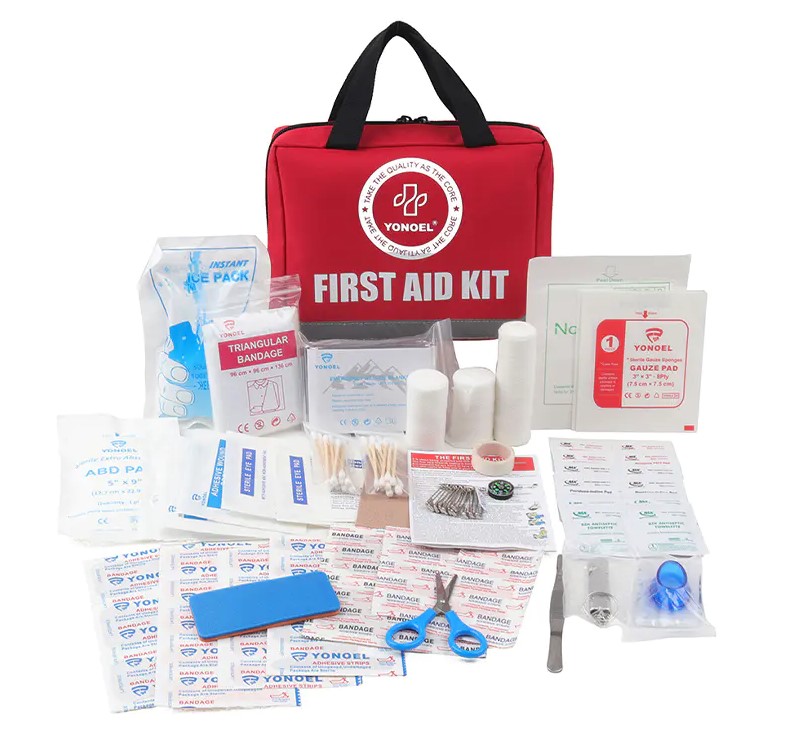
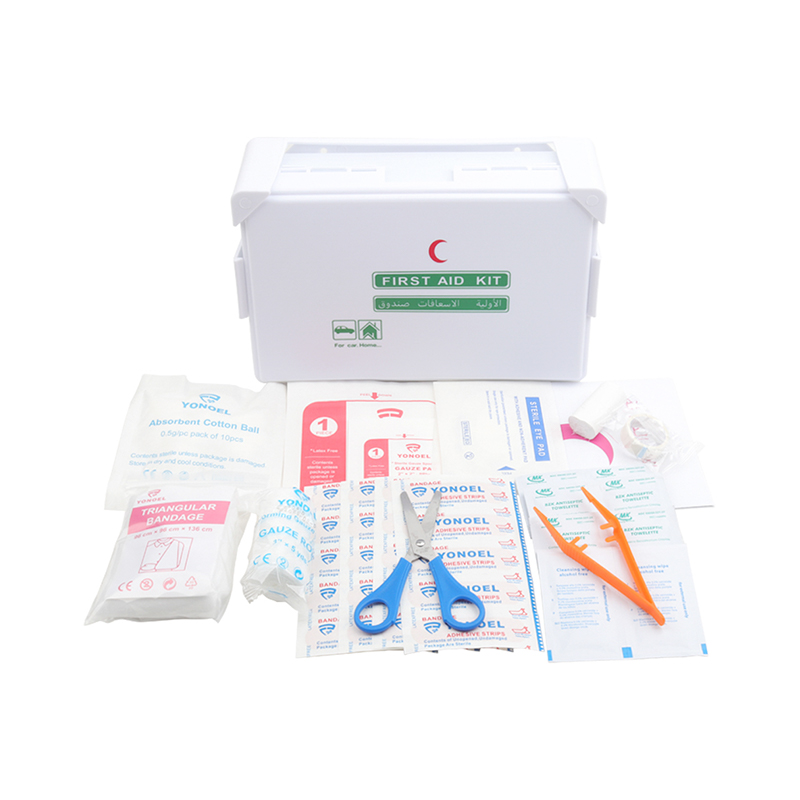
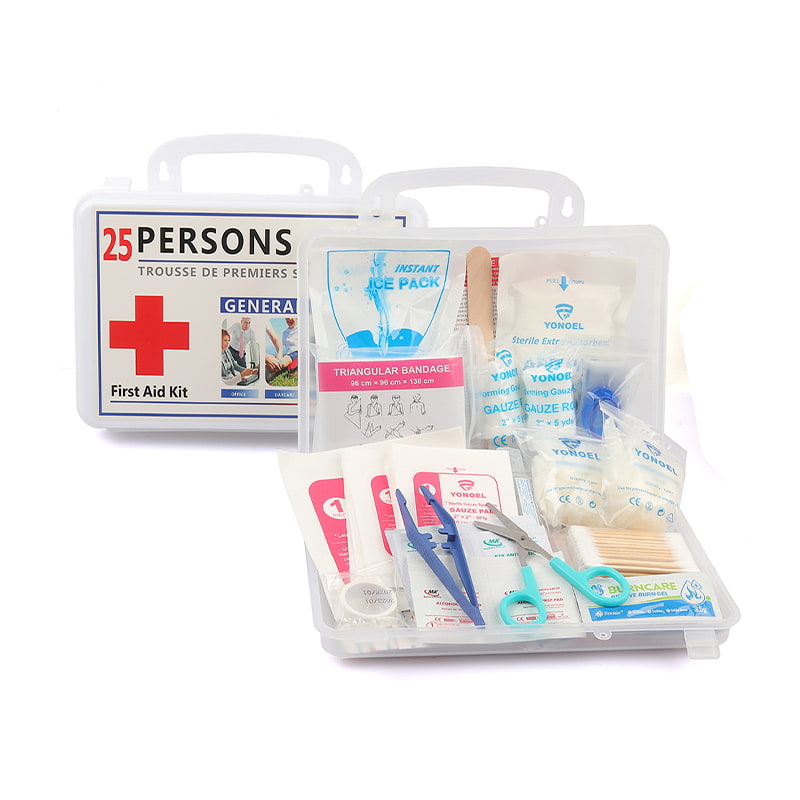
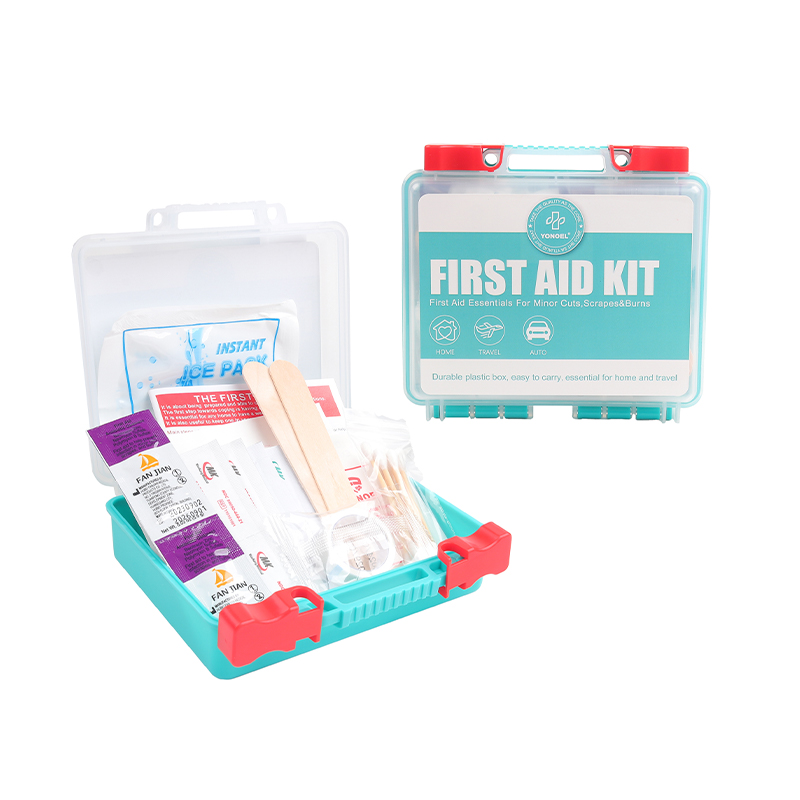
When people open a first aid kit, they usually have a simple expectation. They want to find items that can help with small problems quickly. Most kits, whether used at home, in offices, or in shared spaces, contain a similar group of items. These items appear often because they are easy to use and solve common situations.
1. Adhesive Bandages
Adhesive bandages are one of the most familiar items in any first aid kit. Small cuts and scrapes happen during cooking, cleaning, or outdoor activities. These bandages help cover minor wounds and protect them from dirt.
People recognize adhesive bandages immediately. This makes them easy to use without instructions. Their simple design allows quick application, which is why they are almost always included.
2. Sterile Gauze Pads
Gauze pads are commonly used when a wound needs more coverage than a small bandage can provide. They are flat, soft, and easy to place over an area that needs protection.
Many people may not use gauze often, but they usually understand its purpose. This familiarity helps users stay calm when handling minor injuries.
3. Medical Tape
Medical tape is included to hold gauze or other coverings in place. It works together with other items rather than being used alone.
Tape is simple to handle and does not require special knowledge. Its flexibility makes it useful in different situations, which is why it appears in many kits.
4. Antiseptic Wipes or Pads
Cleaning the skin before covering a wound is a common step in basic care. Antiseptic wipes or pads provide a simple way to do this.
These wipes are easy to use and disposable, which keeps the process clear. People understand when to use them and when to throw them away.
5. Cotton Swabs or Cotton Pads
Cotton swabs or pads are often included because they help with gentle cleaning or applying liquid products. They are common household items, so users feel comfortable handling them.
Their simple design allows them to be used in different ways without confusion.
6. Disposable Gloves
Disposable gloves support basic hygiene, especially when helping someone else. They create a simple barrier and help keep hands clean during care.
Gloves are widely understood and easy to use. Their presence can also make people feel more comfortable when assisting others.
7. Small Scissors
Small scissors are included for practical reasons. They help cut tape, trim gauze, or open sealed packaging.
These scissors are usually compact and easy to store. Their purpose is clear, which makes them useful without explanation.
8. Tweezers
Tweezers help remove small objects such as splinters. Many people are already familiar with tweezers from daily use, which makes them easy to handle in first aid situations.
Their size allows them to fit into most kits without taking up much space.
9. Cooling Item
Some first aid kits include a cooling item for short term relief after bumps or minor discomfort. People often understand when cooling feels helpful.
These items are usually easy to recognize and separate from other supplies.
10. Simple Instruction Card
A basic instruction card is often included to offer quick guidance. It does not explain complex steps. Instead, it provides simple reminders.
For people who do not use first aid items often, this card helps reduce hesitation.
Why These Items Are Often Included Together
These items are grouped together because they cover common, everyday needs. None of them require special training. Most people recognize them and know when to use them.
Together, they help with situations such as:
This combination keeps the kit practical and easy to use.
When choosing a gift, many people worry about one thing: will it actually be used? Some gifts look nice at first but end up sitting on a shelf. A gift first aid kit is different. It focuses on real life needs, not decoration or trends.
A first aid kit is useful in everyday situations. Small cuts, minor burns, or sudden discomfort can happen at home, at work, or while traveling. Having basic supplies nearby helps deal with these moments quickly and calmly. That practical value is what makes this gift meaningful.
Another advantage is that it suits almost everyone. It does not depend on age, hobbies, or personal taste. Unlike clothing or accessories, there is no risk of choosing the wrong size or style. This makes it a safe and considerate option, especially when the giver does not know the recipient very well.
A gift first aid kit also works well in many settings. It can be kept at home, placed in a car, or used in an office or shared space. Because of this flexibility, it often stays useful for a long time instead of being forgotten after a short period.
Thoughtfulness is not always about emotional words or expensive items. Sometimes it is shown by choosing something that supports daily life. A first aid kit shows care in a quiet way. It does not make a strong statement, but it is there when needed.
Another reason people appreciate this kind of gift is that it creates no pressure. There is no expectation to use it immediately or display it. It simply waits until the moment comes. When it does help, the value of the gift becomes clear.
In simple terms, a gift first aid kit is practical because it solves small problems, and thoughtful because it considers real situations people face. For anyone who values usefulness over appearance, it is a sensible and reliable choice.
When it comes to giving a first aid kit, the choice of brand matters. YONOEL First Aid offers kits that are practical, easy to use, and thoughtfully organized. Each kit is prepared to cover everyday needs without unnecessary complexity, making it suitable for homes, offices, or travel.
YONOEL focuses on quality in a balanced way. Items are selected for usefulness and familiarity, not for show. The packaging is simple and durable, keeping everything in place and easy to access. This attention to detail ensures the kit can be used calmly when small situations arise.
Choosing YONOEL First Aid means giving a gift that people can rely on, without pressure or confusion. It is a practical, considerate choice for anyone who wants a present that truly supports daily life.
No. 52, Hulian West Street, Jiangbei Street, Dongyang City, Jinhua City, Zhejiang Province, China
Quick Links
Product Center
Contact Us
 PRIVACY

 English
 Deutsch
 Français
 русский
 Español