These days, being ready with first aid supplies is about more than just having the right items. The bag that holds them has to keep everything in good shape, especially when water is around. For a factory that makes first aid bags professionally, waterproof performance is a big part of the job—from the first design ideas to the final checks. This helps create bags that work well in real conditions, keeping contents safe even if moisture is present.
Water gets into gear more often than people think. It comes from rain on a trip, damp air in storage, a spill at work, or condensation in cars. Factories that focus on waterproof bags see this as something to plan for, using designs and materials that block moisture. This keeps the bags dependable for real life.
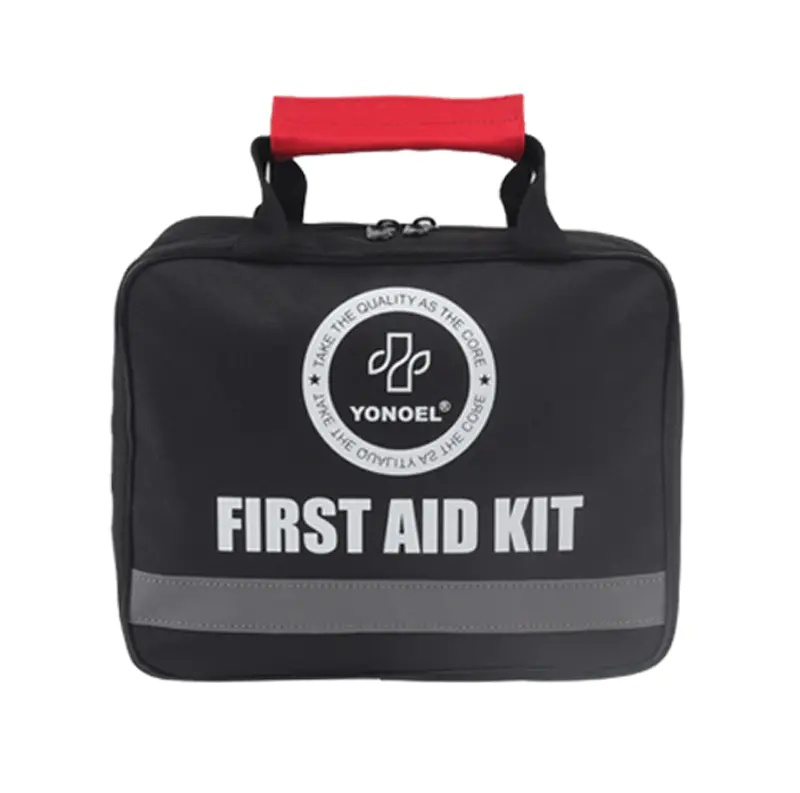
Water can affect first aid supplies in quiet ways. It doesn't always show right away—bandages might not stick as well, clean packaging can get damaged, or items can wear out faster. You might not see it until you open the bag when help is needed, and that's when it causes trouble.
For people using the bags, this adds worry. A kit in a backpack or car looks fine, but a little rain or humidity can change things. Waterproof protection fixes this—it's practical for many situations, giving confidence to focus on helping instead of checking supplies.
A first aid bag factory plans for water as a normal risk. Bags are made for places like homes, offices, cars, or outdoors where moisture happens. This way, the bag helps safety, not risks it.
It also makes the bag last longer. Supplies stay good without frequent checks, and the bag holds up better over time. For homes or groups with kits, that's less work and more trust.
First aid bags do more than store items. They help find supplies quickly in a rush, keep things organized, guard against dust or water, and make carrying simple.
If the bag isn't strong, good supplies can fail. The bag is the first shield, keeping everything ready. In homes, offices, cars, or outdoors, bags get moved and handled. Factories keep this in mind, making bags that fit real use.
This practical thinking turns the bag into part of being prepared, helping people stay calm and act fast.
Emergencies don't wait for good weather. Rain, spills, or dampness often come with them. The bag's protection against water changes how well you can respond.
A bag that resists water means supplies stay dry, packaging holds up, and you can use things without doubt. This leads to quicker, surer help.
Factories build for this, creating bags that handle common risks and support better results.
Waterproofing is part of the design from the start in a pro factory.
Shapes close off open areas, openings overlap for less entry, corners get extra strength for wear.
Closures let you get in fast but keep water out, with covers or layers.
Inside, pockets separate items and limit moisture if any sneaks in.
These designs make bags that work well and protect over time.
Materials decide how the bag performs. Factories pick for strength, bend, cleaning, and blocking water.
| Material Type | Main Traits | Use |
|---|---|---|
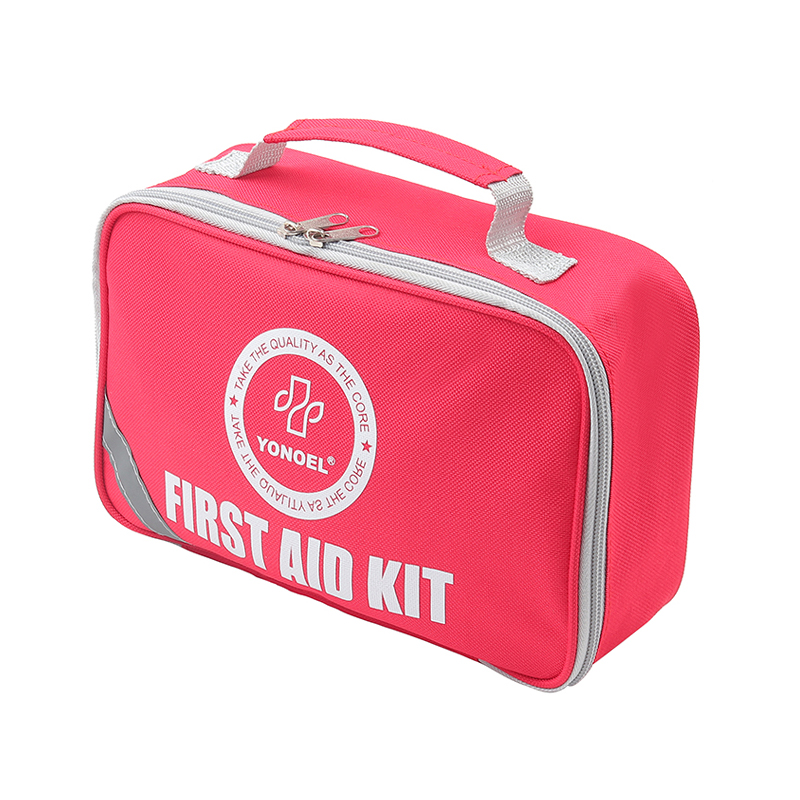
| Coated Fabric | Bendy with repellent cover | Soft bags |
| Layered Textile | Extra layers for shielding | Work kits |
| Strong Nylon | Tough and resistant | Carry bags |
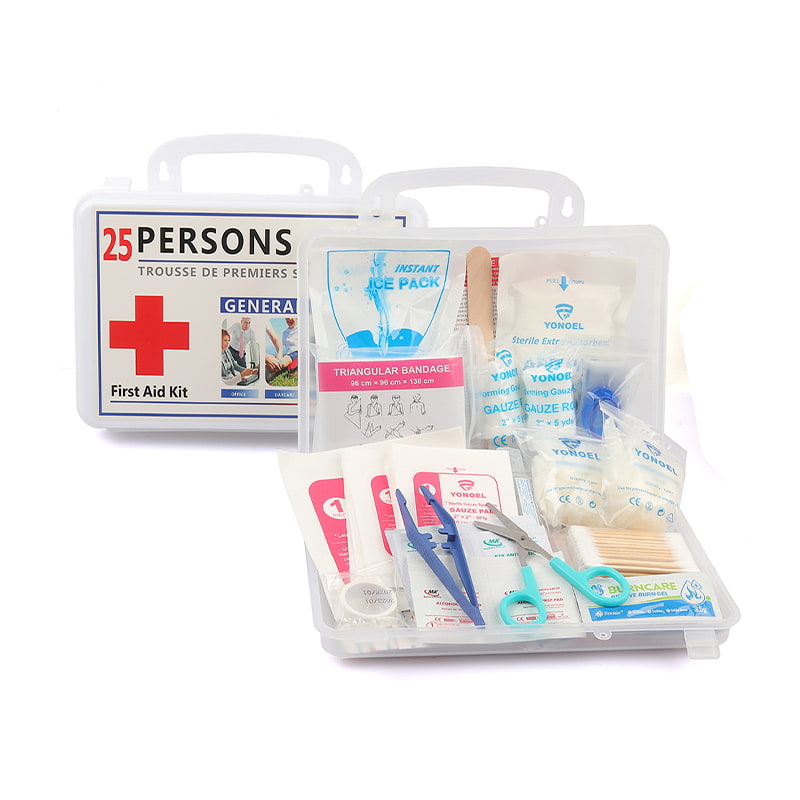
| Molded Shell | Firm barrier | Small cases |
| Treated Mix | Good strength and guard | All-purpose |
Each material type serves a specific function. A factory's role is to match materials with intended usage environments rather than relying on a single solution. This variety allows bags to suit different needs, from light carry to heavy-duty use, ensuring good performance across scenarios.
Getting the materials right is only half the story. How they are put together makes all the difference in keeping a first aid bag truly waterproof. Factories pay close attention to every step of handling, assembly, and finishing to make sure the bag holds up.
Seams are one of the trickiest parts. Water finds its way through tiny gaps, so factories reinforce them with methods that seal tightly and add extra strength. This way, the bag can be opened and closed many times without weakening.
Keeping assembly the same for every bag is important too. If stitching or parts shift even a little, performance can vary. Standardized ways of working help avoid that, so each bag acts like the last one.
Quality checks happen along the way and at the end. Workers look closely, test how things hold, and pull samples to spot any weak spots. This catches problems early and keeps standards high.
All these steps come together to produce bags that give steady protection, ready for whatever comes.
Waterproof first aid bags show their worth in all kinds of places.
Outdoors, weather and rough ground are always a factor—rain on a hike or splashes while boating mean supplies need to stay dry.
In workplaces or industrial areas, water comes from cleaning, rain through open doors, or processes involving liquids. The bags help meet safety rules and keep things ready.
In vehicles or on the move, temperature changes bring condensation, and bumps shake things around. Waterproof bags keep stability.
Public spots like schools, gyms, or community centers see bags handled often by different people, stored in various ways. Durability and resistance make a difference here.
Each setting brings out why water-resistant design is so helpful in practice.
A factory that specializes in these bags knows waterproof performance is tied to the whole product's reliability. They put time into checking materials, improving designs for actual use, keeping production steady, and offering adjustments for different buyers.
They focus on how the bag works and protects, not just how it looks. This makes the bags real tools people can depend on.
Waterproof first aid bags get put to work in all kinds of ways, and each one calls for features that keep supplies dry and ready.
When you're heading out hiking, camping, or kayaking, waterproof first aid bags are a real necessity. The weather can turn on you fast, with rain coming down or moisture from rivers and streams. These bags are made to take that kind of exposure—rain, accidental drops in water, or just the damp from being out all day—and still keep everything inside protected and usable.
In factories, construction sites, or any busy work area, water shows up from cleaning, rain blowing in, or spills on the floor. Waterproof first aid bags fit right in there. They help meet safety rules and make sure the kit is always good to go, even in rough or wet spots.
A first aid kit in a car, truck, or emergency vehicle deals with its own issues—like temperature changes causing dampness inside, drinks spilling, or bad weather soaking through. Waterproof bags are great for this, protecting the contents on long drives or in tough conditions so supplies stay reliable.
Many groups need bags fitted to their own requirements. Factories with OEM skills can change parts of the design while keeping waterproof strength.
Options might cover different inside layouts, colors for easy spotting, packing changes for shipping, or adding logos.
This lets bags meet both everyday use and specific group needs, making them easier to put into place for companies or teams.
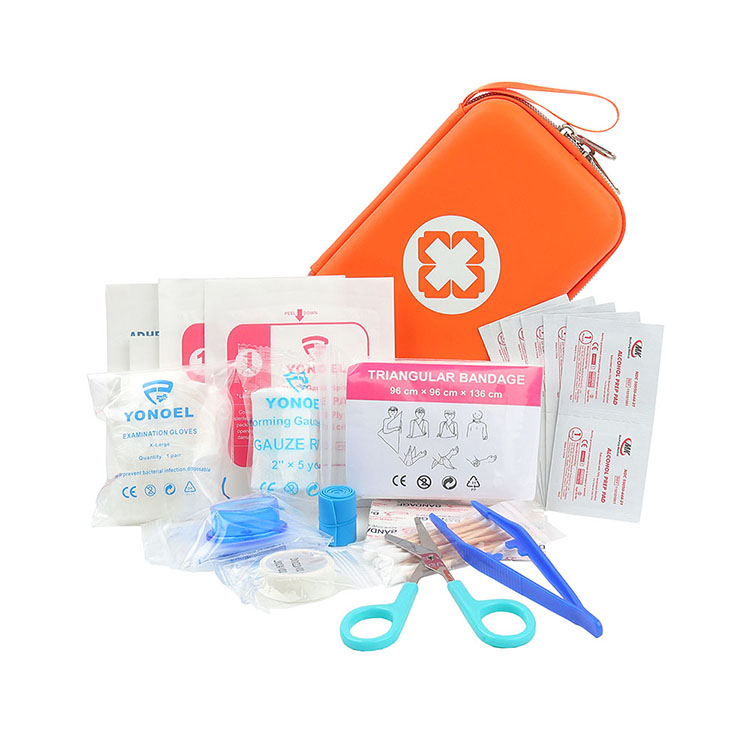
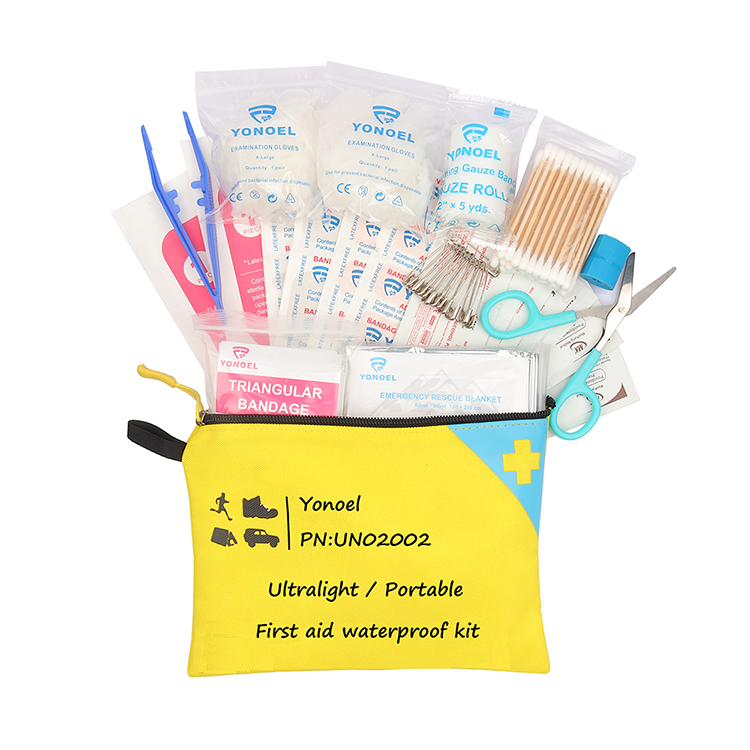
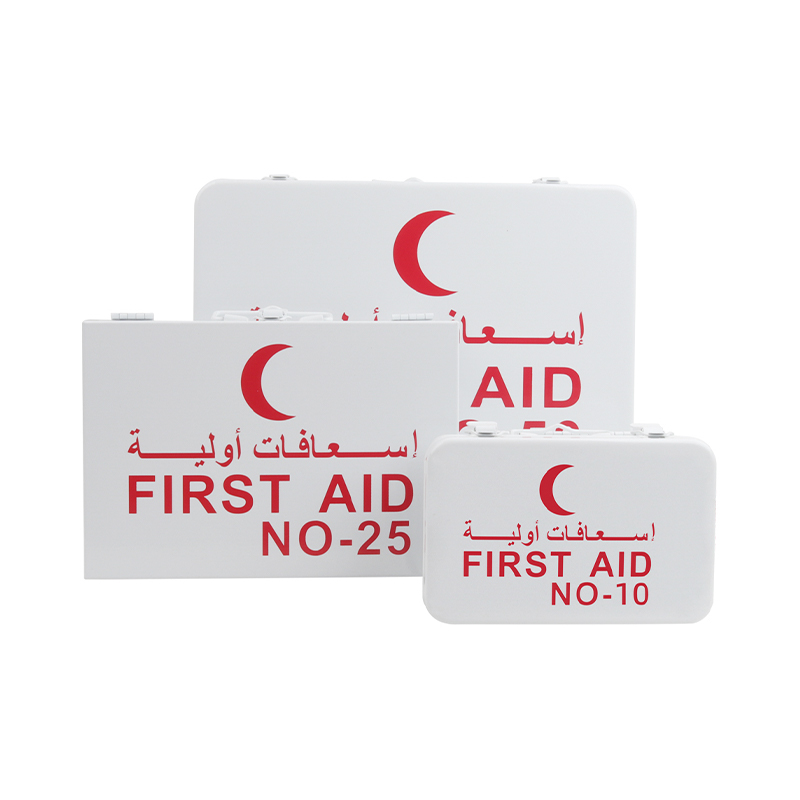
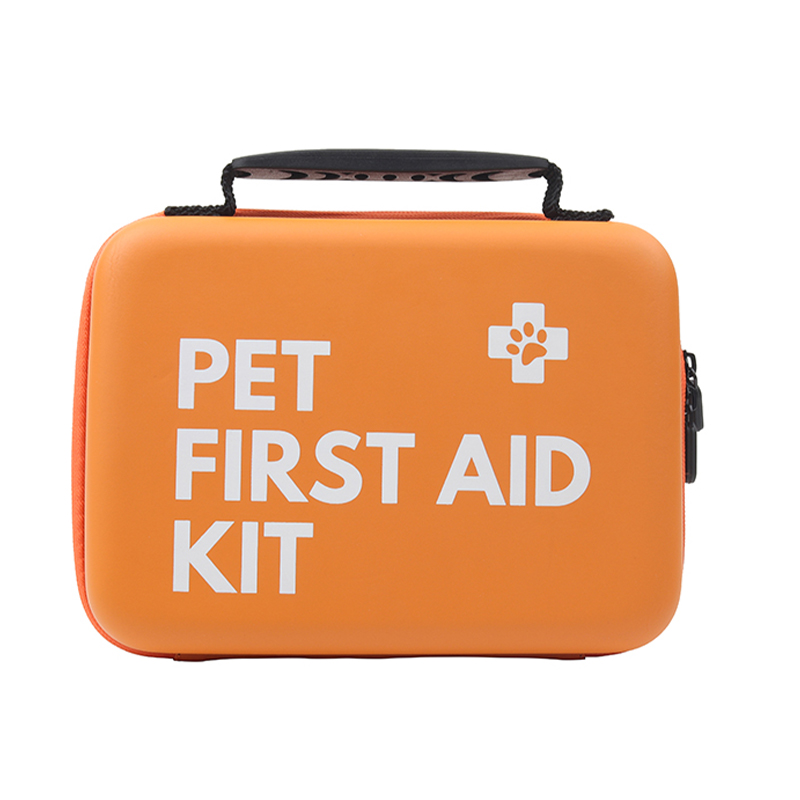
Yonoel is a factory that makes first aid bags with a strong emphasis on practicality, strength, and protection. Waterproof features are worked into material choices, design, and production to fit real use in various places.
Yonoel's bags are built with care for organization, comfortable handling, and guarding against moisture. The factory handles standard lines and custom orders, helping partners with different needs while keeping quality the same. With experience and attention to functional design, offers first aid bag solutions that support safety in daily and work settings.
No. 52, Hulian West Street, Jiangbei Street, Dongyang City, Jinhua City, Zhejiang Province, China
Quick Links
Product Center
Contact Us
 PRIVACY

 English
 Deutsch
 Français
 русский
 Español