When things go wrong in the field, having the right medical supplies close at hand can make all the difference between a bad situation and a survivable one. Combat military first aid kits, often carried by operators in tactical environments, focus on delivering immediate care for serious injuries when professional help sits minutes or hours away. These kits stand out not because of flashy additions, but through solid, field-tested design choices that hold up under real pressure.
The outer construction sets the tone for everything else. Tough fabrics that push back against tears, scrapes from rocks or gear, and steady rain keep the contents safe even after days of hard use. Strong stitching along the edges and corners takes the repeated stress of being yanked from a vest or tossed into a vehicle without coming apart. The whole package fits naturally with standard load-carrying systems so it does not throw off balance during long movements or quick reactions.
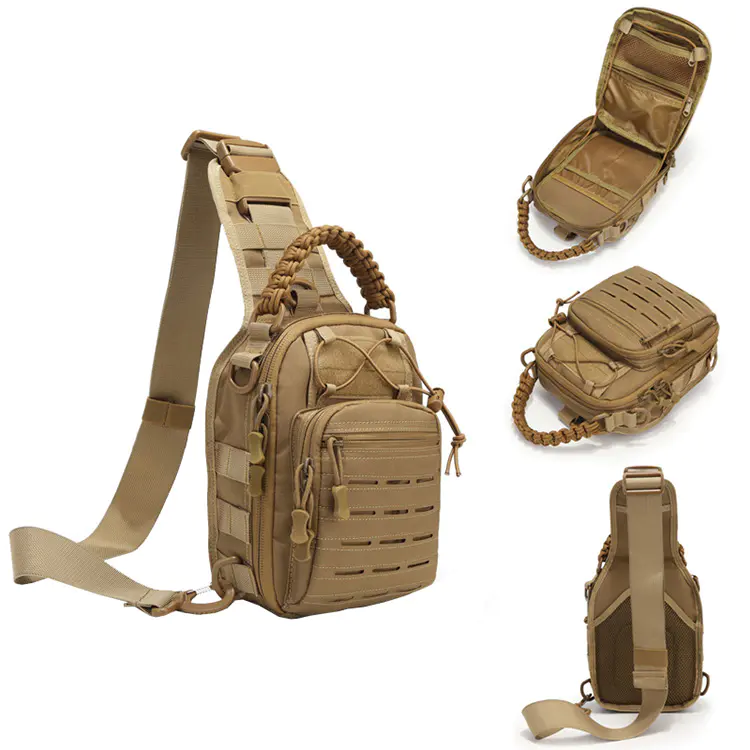
Soldiers and tactical teams rarely operate in clean, gentle conditions. Kits need to survive being dragged through brush, exposed to dust storms, or soaked during river crossings. Quality builds use materials that shed water instead of soaking it up, and they include reinforced panels where the kit rubs against other equipment. Zippers and closures keep working even when fingers wear gloves or temperatures swing from freezing nights to hot days. This kind of toughness means the kit stays sealed and functional until the exact moment someone needs to rip it open.
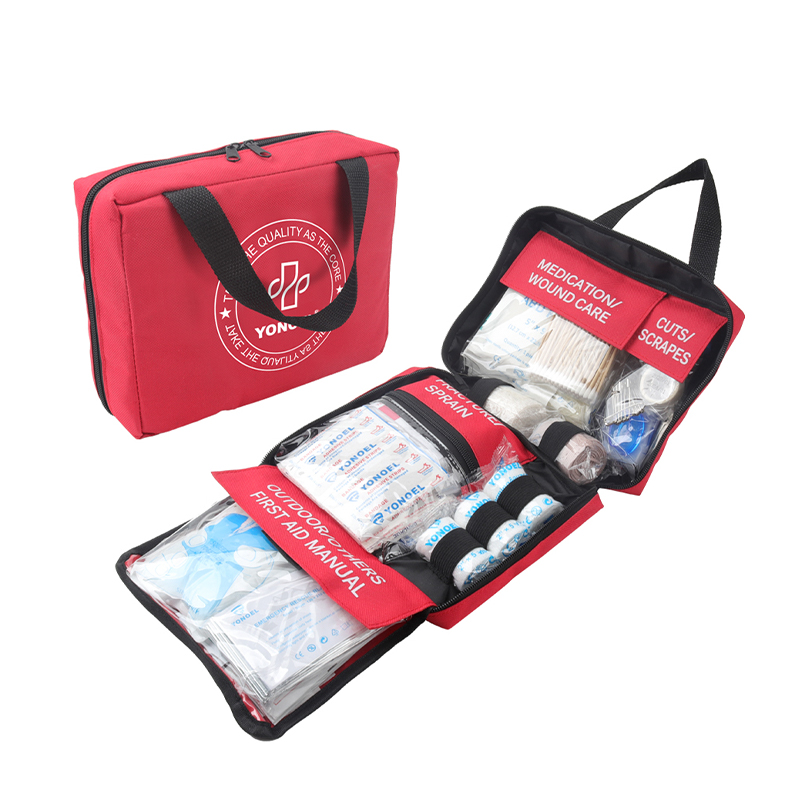
Accessibility matters just as much as toughness. A well-laid-out kit lets a user or a teammate grab what is needed without hunting through layers of pouches while under stress. Modular sections allow teams to shift contents around depending on the mission, while still keeping everything from sliding around during movement. Clear labeling or simple color guides help eyes find the right section fast, especially when light is poor or hands feel clumsy.
In the middle of an incident, fumbling with small zippers or buried items wastes time that cannot be recovered. Many effective kits place the most critical tools near the top or on the outer edges so they come out with one smooth motion. Some designs even allow the entire main pouch to pull free quickly and move to a casualty or a safer spot. Internal dividers that stay in place yet open wide reduce the chance of spilling supplies onto the ground. These small layout decisions come from years of feedback from people who have actually used the kits in training and real events, where smooth access often decides how well care gets delivered.
Portability keeps the kit practical for daily carry. The size strikes a careful balance — large enough to hold meaningful supplies but compact enough not to snag on weapons, doors, or vehicle interiors. Attachment points line up with common webbing systems on vests and belts, spreading the weight so it does not drag on one shoulder or dig into the back after hours on patrol. When the kit sits right, operators forget it is there until they need it.
Organization inside follows the natural flow of treating injuries. Supplies for stopping heavy bleeding sit in dedicated spots for instant reach. Items that help keep airways open stay close by so one action leads naturally into the next. Wound care materials come next, each piece sealed individually to stay clean until opened. This grouping reduces confusion and supports the step-by-step approach that teams practice repeatedly.
A high quality combat military first aid kit also makes training easier across an entire unit. When every kit follows a similar internal setup, drills feel consistent and muscle memory builds faster. Extra space inside leaves room for units to add specialized items based on their environment or role, whether that means extra protection against cold or simple signaling tools. This flexibility helps different teams adapt the same basic platform without starting from scratch each time.
Durability shows up in the little details too. Fasteners grip tightly during rough transport but release cleanly when pulled. Closures resist jamming in cold or sandy conditions. The entire assembly goes through repeated handling without the internal pockets tearing or the contents shifting out of place.
Combat zones throw every kind of weather and terrain at gear. Good kits use barriers that block out fine dust, heavy humidity, and sudden downpours so bandages and other supplies stay usable after weeks in storage or on the move. Hardware on the outside fights off rust even after constant exposure to sweat or salt air. Some designs include small drainage paths that let water escape quickly if the kit gets fully submerged, while still holding everything inside. Markings on the exterior stay readable after repeated cleanings or long periods in bright sun, so identification stays quick no matter how much the kit has been through.
| Feature Category | Primary Role in Combat Use | Supporting Design Elements |
|---|---|---|
| Rugged Outer Construction | Protects contents during movement and impact | Reinforced seams, water-resistant fabrics |
| Modular Internal Layout | Enables quick access under stress | Color-coded sections, secure yet releasable pouches |
| Logical Content Grouping | Supports sequential treatment steps | Dedicated zones for hemorrhage, airway, and wound care |
| Secure Attachment Points | Integrates with standard gear without shifting | Compatible straps and clips for vests and packs |
| Environmental Sealing | Maintains supply integrity in varied conditions | Individual barriers and sealed closures |
| Usability for Gloved Hands | Reduces errors in limited visibility or dexterity | Large grips, intuitive labels, one-handed operation |
| Training Compatibility | Aligns with standard protocols for unit readiness | Consistent layouts across issued kits |
| Maintenance Accessibility | Allows inspection and restocking without tools | Removable panels and clear visibility windows |
Looking closer at the actual medical supplies, quality kits focus on tools that work fast in messy conditions. Items for controlling serious bleeding emphasize strong, reliable pressure application on arms, legs, or junction areas. Airway tools stay simple and effective for basic positioning when more advanced equipment is not yet available. Materials for covering chest injuries stick well even on sweaty or moving skin. Wound dressings conform to awkward shapes while helping limit further contamination until the casualty reaches better care.
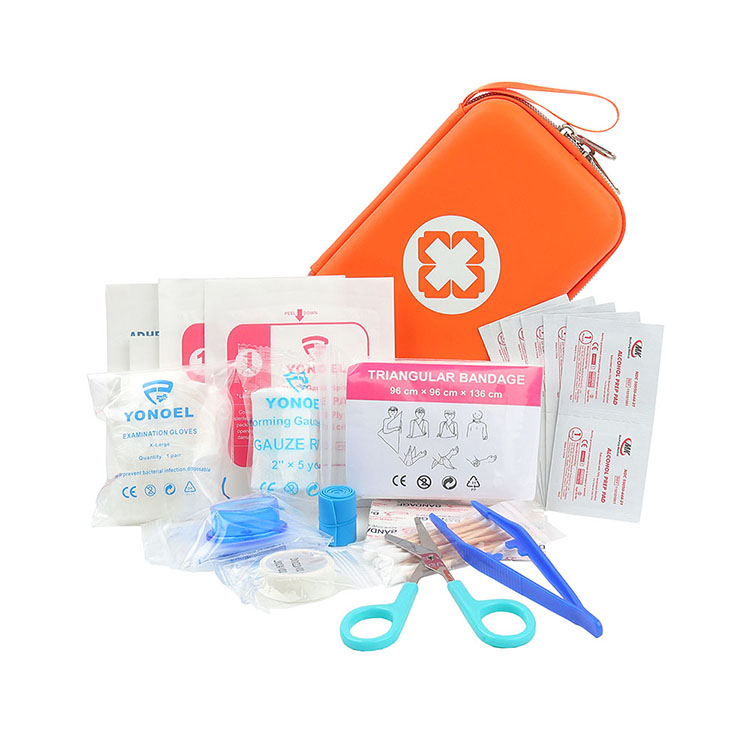
Bandages and wraps allow controlled compression without cutting off all circulation. Items for burn injuries use coverings that do not stick to damaged skin, making later changes less painful and damaging. Basic medications for pain or preventing infection sit in separate spots to avoid mix-ups. Fracture supports, whether rigid or flexible, help keep limbs stable during rough carries or vehicle rides. Tools for flushing eyes or protecting them from debris add another layer of coverage for common battlefield injuries. Every supply uses packaging that resists accidental punctures but tears open cleanly when needed.
The kit also thinks ahead to what happens after initial care. Small pockets hold cards or notes where responders can jot down what was done and when, helping the next level of medical teams pick up smoothly. Clear external signals let everyone nearby know the pouch contains medical gear rather than ammunition or tools, cutting down on mix-ups in noisy, chaotic moments.
Where the kit rides on the body changes how fast it can be used. Many setups allow mounting on the front, side, or back of tactical vests so the user can reach it with either hand depending on the situation. Some pouches detach completely with a firm tug, letting a teammate pull the whole thing free and move to a casualty without struggling. Placement choices often weigh easy self-use against the ability for a buddy to grab supplies quickly if the injured person cannot help. These options come from practical experience where operators may be kneeling, lying prone, or working inside tight vehicle spaces.
Weight distribution plays a quiet but important role in daily comfort. When the load spreads evenly, the kit does not pull the body out of natural alignment or create hot spots after long hours of wear. Removal stays simple so the pouch can transfer to someone else or go for restocking without extra steps.
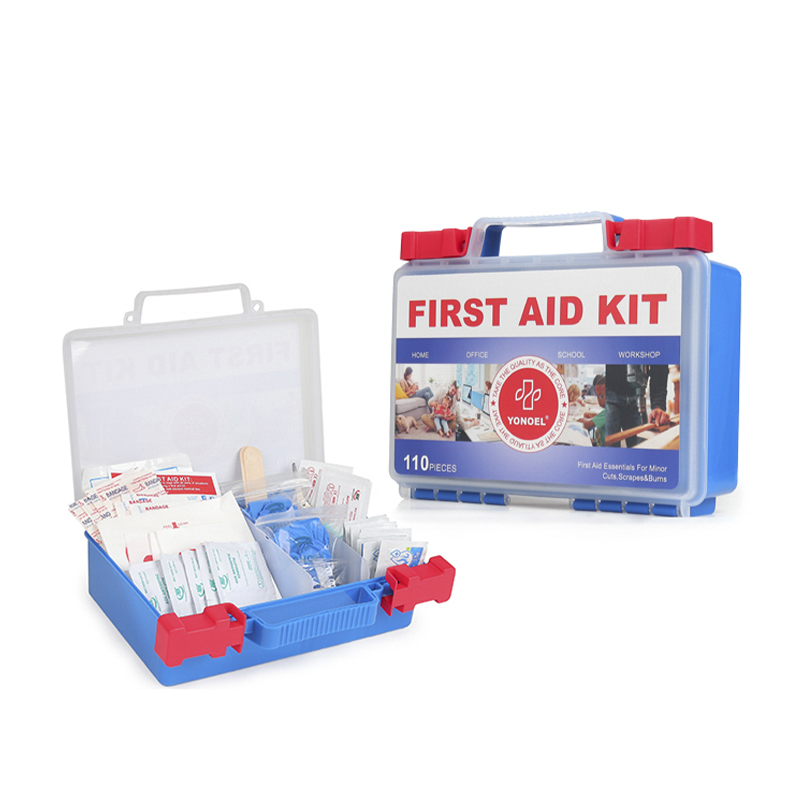
Routine maintenance features help keep the kit ready over months of issue. Windows or easy-open panels let supervisors check contents without emptying everything. Standardized sizes for replacement items make bulk resupply straightforward for larger units.
Training benefits when the kit feels familiar in the hands. Grips and openings provide enough purchase for repeated practice runs that mimic real conditions, so actions become automatic rather than something operators have to think through in the moment. Keeping mechanisms straightforward leaves mental energy for the medical decisions instead of fighting the gear.
Scalability helps too. Individual versions stay compact for single operators, while team-level kits add capacity for shared use without forcing every person to carry duplicates. This approach keeps logistics manageable while still covering the basics for everyone involved.
Simple diagrams tucked inside show key steps at a glance, reminding users of proper technique without forcing them to read long instructions during an emergency. These touches support people with different levels of experience and keep the focus on doing what works.
Taken together, these elements create a system that gives users quiet confidence when they head into uncertain situations. Teams equipped with thoughtful kits tend to feel more prepared for the mix of bleeding injuries, breathing problems, and environmental stresses that show up in combat zones.
As units and organizations look for reliable sources to supply combat military first aid kits, the focus naturally moves toward manufacturers that pay close attention to consistent quality and practical details in every batch. Yonoel runs a dedicated factory built around producing these kits for tactical and military applications.
The Yonoel production line emphasizes careful assembly at each step, from selecting suitable materials to final checks before packaging. Workers follow processes designed to meet the demands of field use while allowing some customization in layout to fit different unit preferences. This setup supports steady output that scales when orders increase, helping clients receive kits on time without sacrificing the durability and accessibility features that matter most in real operations. The factory keeps its attention on building kits that perform reliably when carried day after day in challenging environments.
No. 52, Hulian West Street, Jiangbei Street, Dongyang City, Jinhua City, Zhejiang Province, China
Quick Links
Product Center
Contact Us
 PRIVACY

 English
 Deutsch
 Français
 русский
 Español