Giving a gift first aid kit is one of those rare presents that feels genuinely useful instead of just nice to look at. It shows you care about someone's well-being in a practical way, and it quietly encourages better safety habits without coming across as preachy. Whether it's for a family member moving into a new house, a friend who loves weekend hikes, a coworker starting a new job, or a young adult heading off to college, this kind of gift sticks with people long after the wrapping paper is gone.
What makes it special is how naturally it starts conversations. The moment someone opens the kit, questions usually come up — where should we keep it? What do these items actually do? Those simple exchanges turn into opportunities for everyone to think a bit more about staying safe in everyday situations.
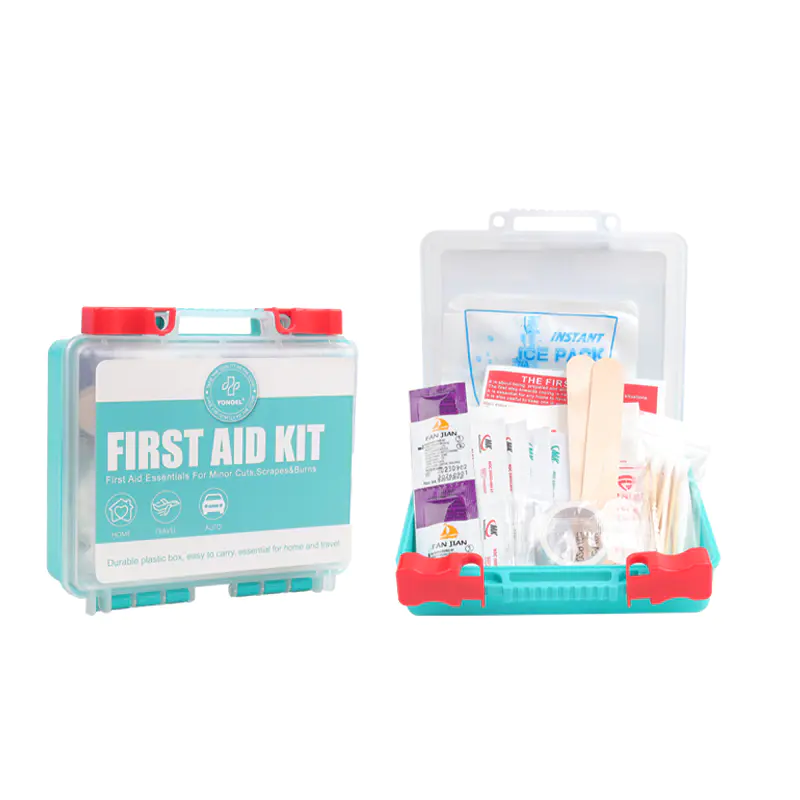
At home, a gift first aid kit often finds a permanent spot in the kitchen drawer, bathroom cabinet, or the trunk of the car. Its presence serves as a gentle reminder that small accidents happen all the time — a sliced finger while cooking, a burn from hot coffee, or a sprained ankle on the stairs. Families frequently end up sitting together to look through the contents, talking about basic steps for handling minor injuries. Over weeks and months, this turns safety from something people only think about during emergencies into part of normal household routines.
In the office, giving a gift first aid kit during team meetings, safety weeks, or as a welcome present for new employees sends a strong but quiet message that the group cares about everyone's health. The kit might live in a desk drawer or a shared supply closet, acting as a visual cue that keeps people a little more alert to potential hazards around them. Over time, small incidents get handled faster because someone already knows where the supplies are.
For those who spend time outdoors, a gift first aid kit feels especially relevant. Hikers, campers, cyclists, and road trip enthusiasts know that help can be miles away when something goes wrong on the trail or far from town. A compact kit slips easily into a backpack or glove box, giving users extra confidence without weighing them down. The gift encourages smarter planning — checking the weather, packing extra water, or thinking twice before taking unnecessary risks.
Travelers also benefit a lot from this kind of present. Whether someone is commuting daily or heading out on a longer journey, having basic medical supplies close by helps them feel more prepared for the unexpected. Friends and family who choose to give a gift first aid kit often hear back later with stories about how the recipient appreciated having it during a trip. It strengthens relationships by showing that the giver was thinking ahead about the person's safety.
One of the best side effects of giving a gift first aid kit is how it naturally leads to learning. Many people take a few quiet moments to open the kit, look at the items, and read the simple instructions. Some even practice basic techniques like cleaning a cut or applying a bandage during a slow evening at home. This hands-on experience makes safety awareness much more memorable than reading a poster or sitting through a lecture.
For younger family members or students heading off on their own, the kit can spark real interest in basic first response skills. Parents or older siblings might use the moment to go over the contents together, turning the gift into a shared learning experience. In sports teams, community clubs, or youth groups, passing around these kits during events creates a sense of shared responsibility. Everyone starts looking out for one another a little more because the tools are right there.
Beyond the practical items inside, a gift first aid kit carries a deeper emotional message. It tells the recipient that their safety matters to you. In homes with young children, elderly parents, or lively pets, that reassurance feels especially meaningful. The kit sits ready for the little emergencies that pop up in normal life, easing that background worry many people carry about "what if something happens."
This emotional side often makes the gift more memorable than expected. Recipients frequently mention how much they appreciated the thought, especially when the kit turns out to be useful later on. At office parties or neighborhood gatherings, it becomes a natural conversation starter, with people sharing their own stories about minor accidents and how they handled them.
| Benefit Category | How It Supports Safety Awareness | Real-Life Examples |
|---|---|---|
| Daily Preparedness Reminder | Keeps safety visible in common spaces | Kit placed in kitchen or car prompts regular checks |
| Natural Conversation Starter | Leads to casual talks about response steps | Family reviews contents together on weekends |
| Hands-On Skill Building | Encourages practice with basic techniques | Users try simple bandaging during quiet evenings |
| Portable Safety for Activities | Provides coverage during travel and outdoor time | Fits easily into hiking packs or travel bags |
| Team and Community Connection | Reinforces shared responsibility | Given during team events or group outings |
| Long-Term Habit Formation | Builds routines around checking and restocking | Becomes part of annual home maintenance |
| Emotional Reassurance | Reduces worry by offering ready solutions | Travelers and parents feel more secure |
The real strength of a gift first aid kit often shows up long after it's been given. People tend to keep the kit as part of their regular gear, replacing used items and sometimes adding a few extras based on their changing needs. Someone who begins with a basic home version may later decide to keep another one in the garage, boat, or office. This natural growth turns the original gift into the foundation for wider safety coverage.
In group settings, the effect spreads even further. When several people in the same workplace or community receive similar kits, they start comparing notes and sharing tips during casual conversations. Knowledge moves organically instead of through formal training. Schools and youth programs that include these kits often see students paying more attention to safety topics because the item feels personal and useful.
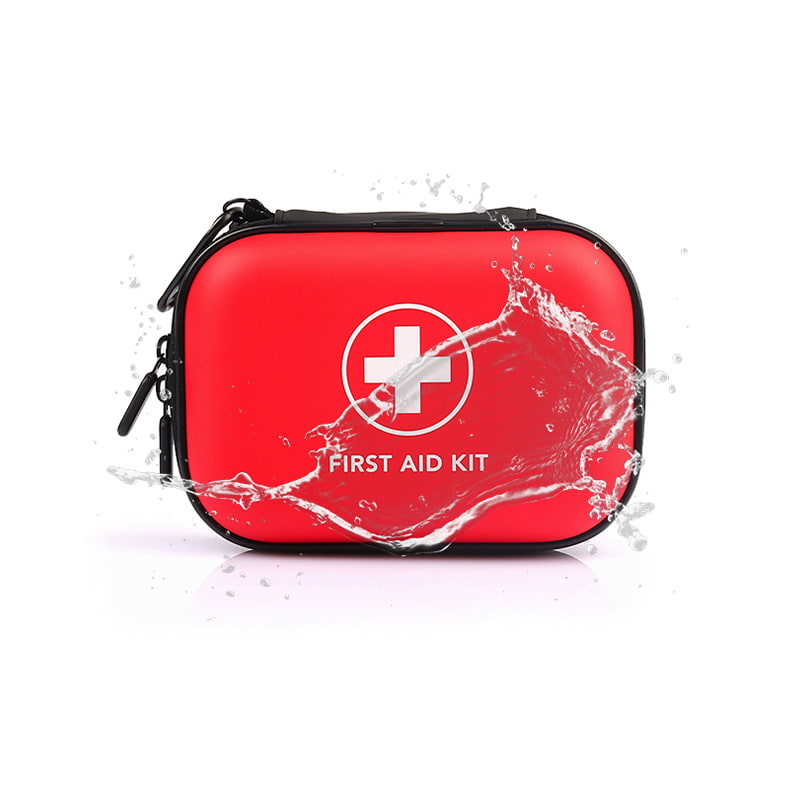
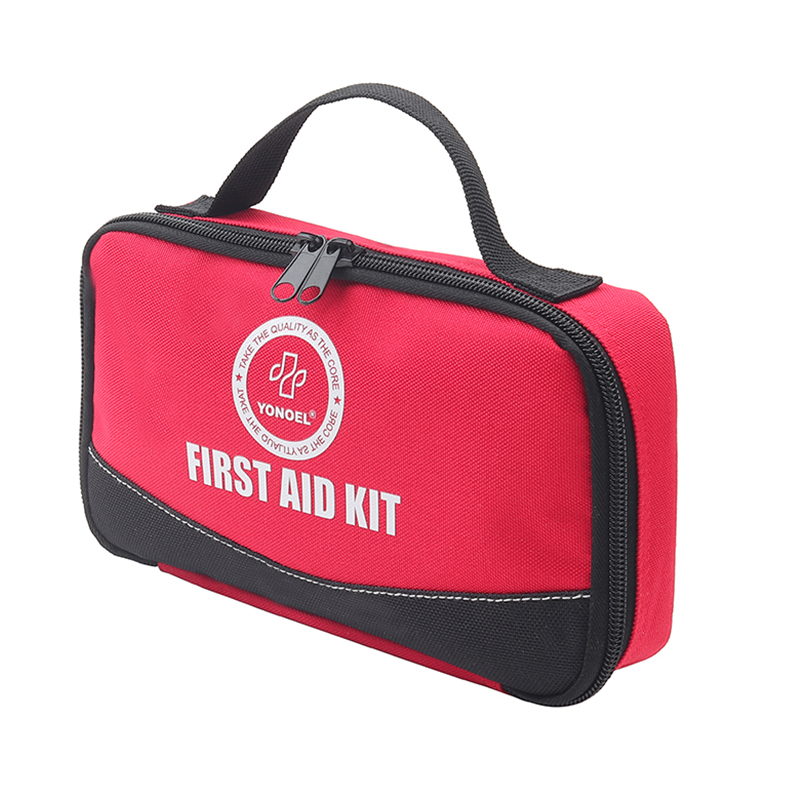
When picking a gift first aid kit, it helps to think about the recipient's daily routine. A smaller, compact version works well for office workers and daily commuters, while a slightly larger one suits those who enjoy hiking or long drives. Sturdy construction and clear organization make the kit more likely to actually get used when needed. Adding a short, warm note — something like "Hope you never need this, but it's good to have around" — frames the gift as caring protection rather than worry.
Sharing a couple of simple maintenance ideas at the time of giving also helps. Reminding the recipient to check the contents every so often and replace used items keeps the kit effective for years.
When more families, workplaces, and communities receive and use gift first aid kits, overall safety awareness gradually improves. Neighbors become more willing to step in and help because they know basic supplies are nearby. Teams handle small incidents more smoothly instead of waiting for outside help. The simple act of giving these kits contributes to a culture where being prepared feels normal and responsible rather than dramatic.
The appeal crosses every age group. College students see the kit as a symbol of independence and care from home. Retirees appreciate having reliable supplies for garden work or home projects. Each situation shows how the same practical gift adapts to different stages of life while keeping the focus on thoughtful readiness.
In the end, a gift first aid kit stands out because it combines real usefulness, quiet education, and genuine care in one package. It keeps delivering value through everyday reminders and practical support.
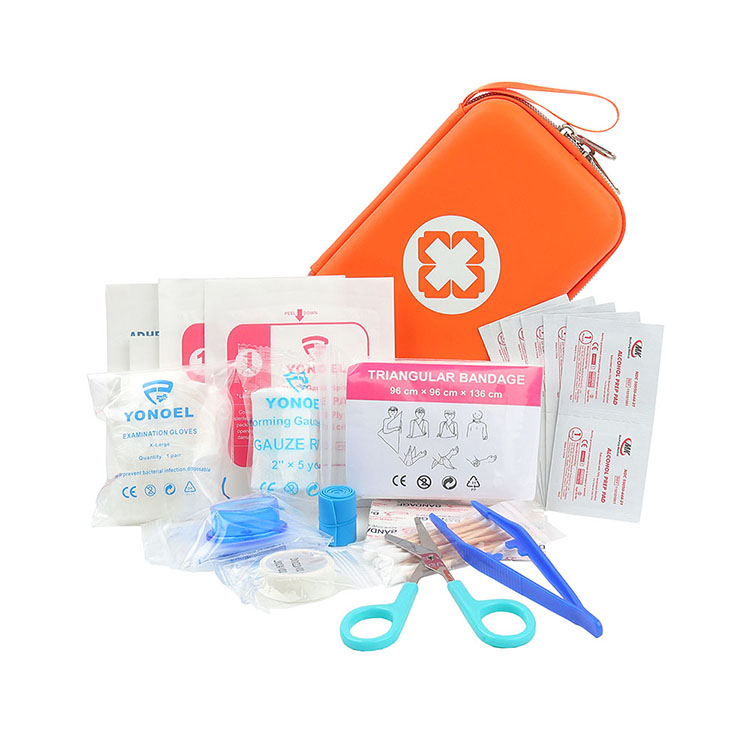
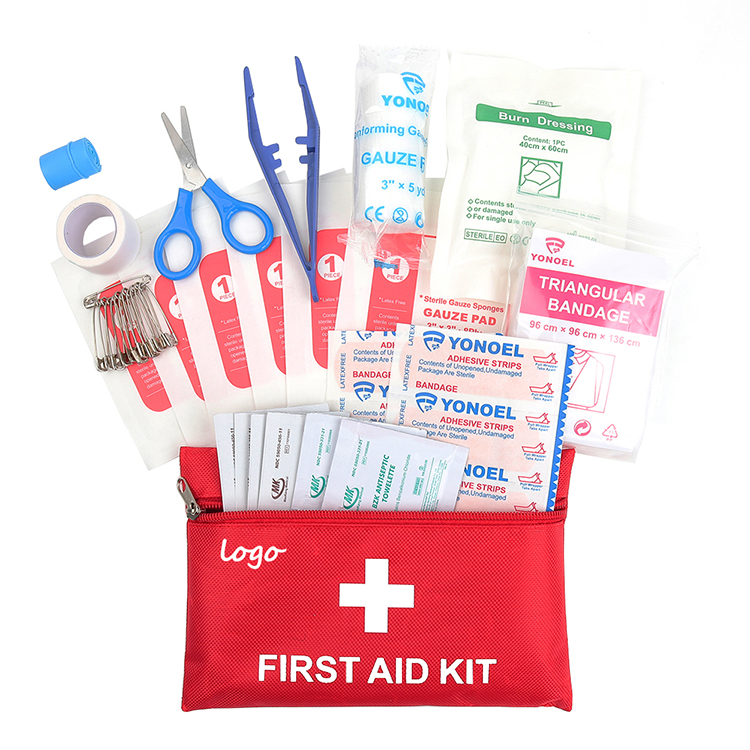
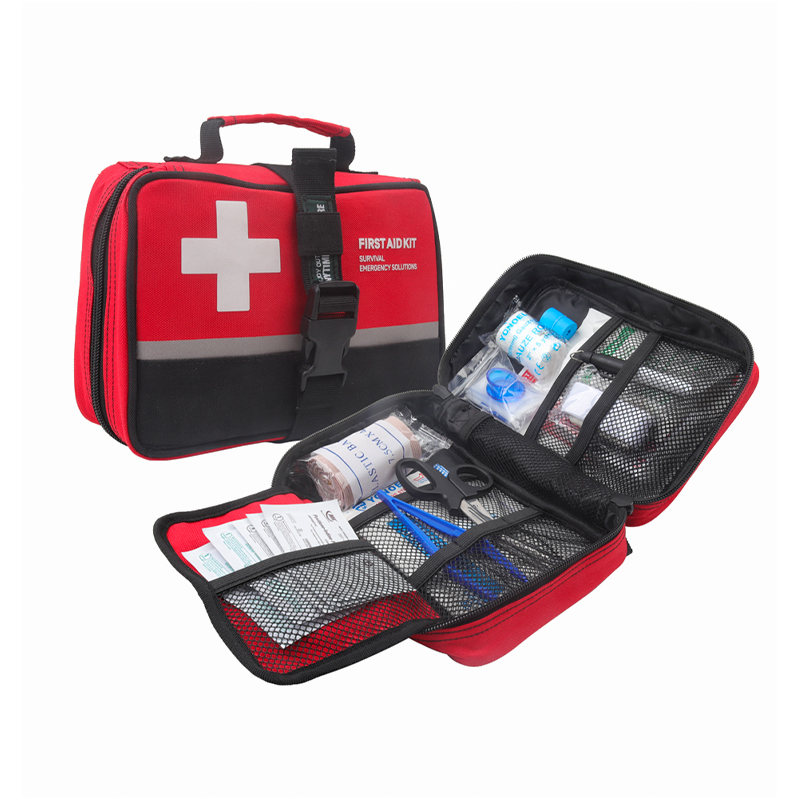
As more people look for gifts that truly support safety awareness, many turn their attention to manufacturers that focus on consistent quality and practical design. Yonoel operates a specialized factory dedicated to assembling first aid kits for both personal use and gifting.
The Yonoel facility pays close attention to every stage of production, from choosing suitable materials to final assembly, to make sure each kit offers reliable durability and clear organization for real-life situations. This careful approach allows for different sizes and layouts while keeping the essential features that matter most. Clients who partner with Yonoel benefit from steady production capacity that can grow with demand, helping them supply well-made kits that align with safety goals for homes, workplaces, and outdoor activities. The factory stays focused on building kits that perform reliably whenever they are needed.

No. 52, Hulian West Street, Jiangbei Street, Dongyang City, Jinhua City, Zhejiang Province, China
Quick Links
Product Center
Contact Us
 PRIVACY

 English
 Deutsch
 Français
 русский
 Español