Emergency preparedness starts with having the right supplies close by. Households deal with scraped knees, small burns from cooking, or twisted ankles from playing outside. Workplaces face paper cuts, minor falls, or sudden headaches. Outdoor trips bring blisters, insect bites, or scrapes from rough terrain. In all these situations, a first aid kit becomes the go-to resource for handling things quickly before they worsen. Two main categories show up repeatedly: the regular first aid kit built purely for function, and the gift first aid kit shaped with presentation in mind. Both deliver basic care for everyday injuries, yet the way they're put together, what they include, and who they're meant for sets them apart. Looking at these differences helps anyone decide which type fits their home, office, car, or gift list without second-guessing.
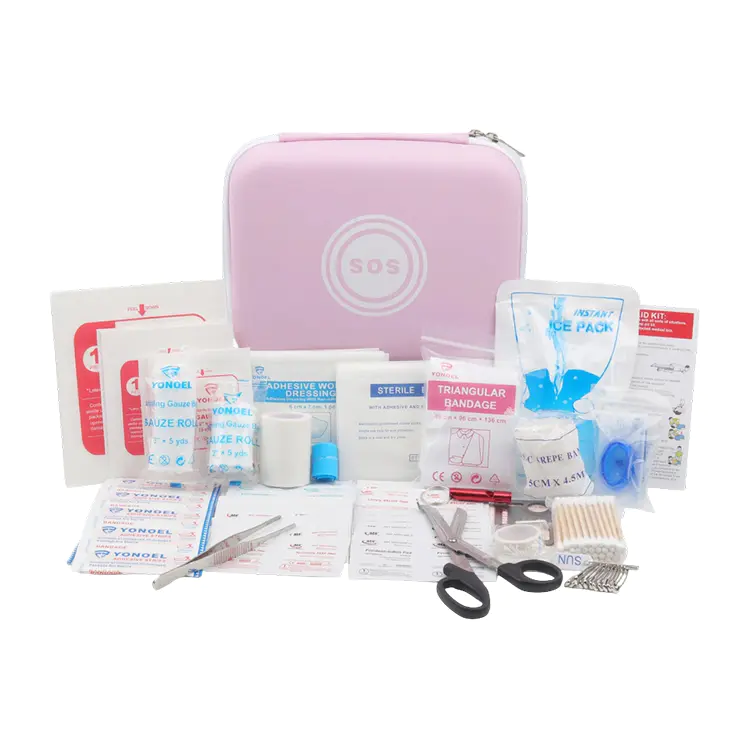
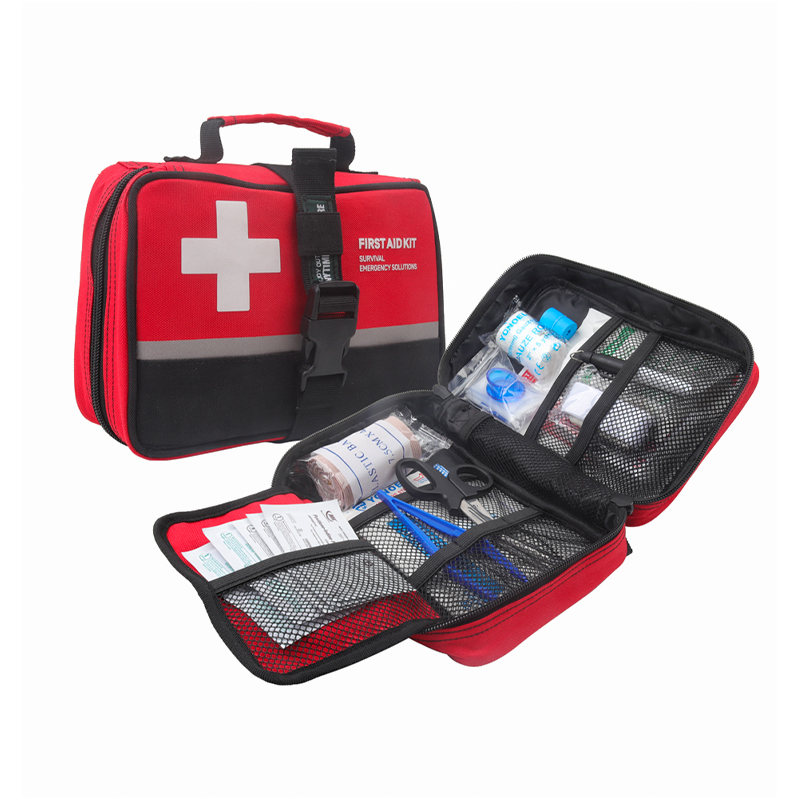
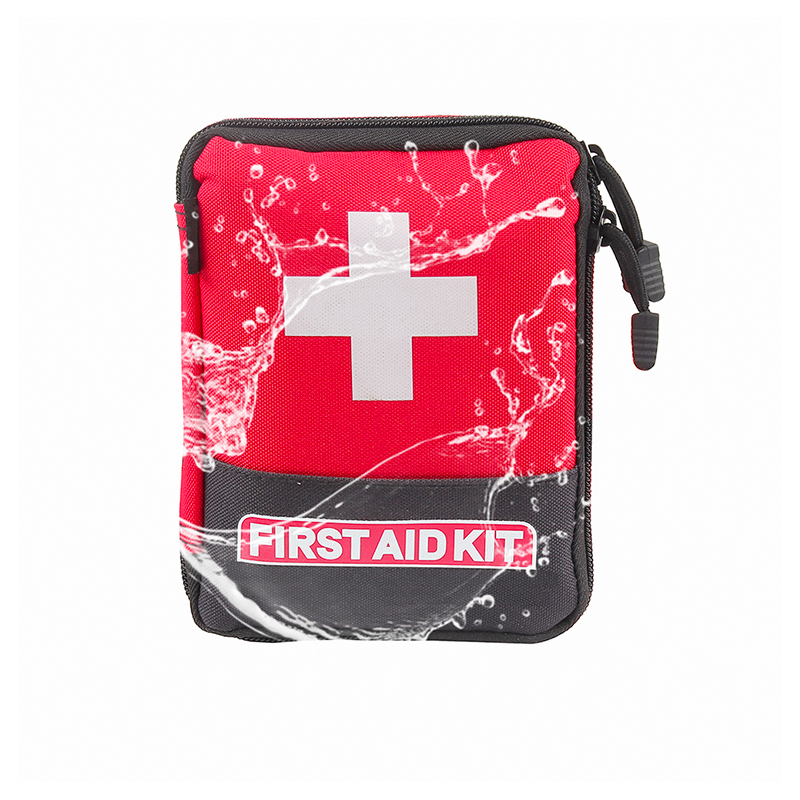
Regular first aid kits keep things straightforward. The whole point centers on having reliable tools and supplies ready for common problems. Most come packed in tough plastic boxes that snap shut securely or in sturdy fabric pouches with zippers. These containers stand up to being tossed in a trunk, shoved under a sink, or carried on hikes without falling apart.
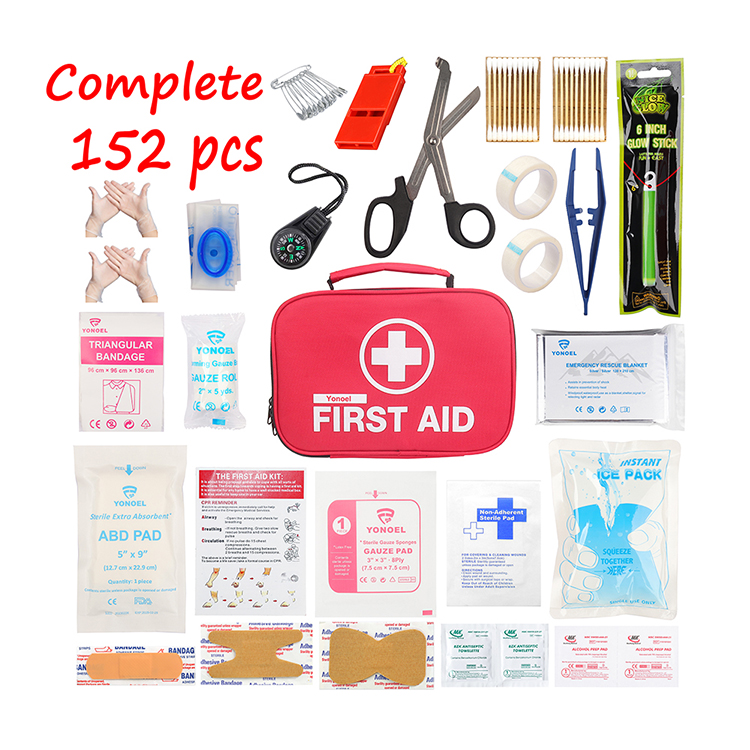
Inside, you typically find an assortment of bandages—small strips for fingers, larger pads for knees, knuckle shapes for tricky spots. Antiseptic wipes or pads clean wounds right away. Gauze rolls and pads absorb heavier bleeding if needed. Medical tape holds everything in place, while small scissors and tweezers handle cutting tape or pulling out splinters. Disposable gloves protect hands during care, and basic pain relievers ease discomfort from bumps or strains.
Organization matters in these kits. Many use clear compartments or color-coded sections so you grab what you need fast, even when adrenaline is running high. Labels on packets or dividers make restocking simple later. The focus stays on coverage for a wide range of minor incidents rather than fancy extras.
Plenty of regular kits draw from established safety recommendations. They carry enough items to manage several incidents before you run low, which suits families with active kids, small offices, or people who travel frequently by car. Reliability in real use drives the design more than anything else.
Gift first aid kits start from the same foundation but add layers meant to make them feel special when handed over. Packaging often becomes the first noticeable change. Instead of plain white or red boxes, you see patterned fabrics, matte finishes with subtle designs, wooden-style cases, or canvas bags with drawstrings. Some include ribbon ties or small tags that say things like “stay safe” or “for your adventures.”
The supplies inside still cover cuts, scrapes, and basic first response, but many add touches tied to a theme. A kit aimed at new homeowners might toss in extra adhesive bandages with fun patterns or a small tube of soothing cream. One for campers could include alcohol-free cleansing wipes suited for outdoor dirt, blister cushions, or even a tiny multi-tool. Kits for parents of young children sometimes pack kid-sized bandages in bright cartoons or fruit scents that make application less scary.
Compact sizing appears frequently. These kits slip easily into gift bags, desk drawers, or glove compartments without taking much space. The overall shape—whether slim pouches or neat cubes—lends itself to being placed on a countertop or shelf where it stays in view. That visibility reminds people the kit exists and encourages them to check expiration dates or replace used items.
Many come ready-to-give with a small card slot or pre-printed note area. That detail turns a safety item into something personal, perfect for birthdays, new-job congratulations, wedding showers, or teacher appreciation gestures.
Supply lists reveal practical contrasts. Regular kits load up on multiples of core items. You get several bandage sizes in generous counts, plenty of antiseptic towelettes, and a good length of tape. The goal is longevity—enough to handle multiple household mishaps or a weekend trip without immediate restocking.
Gift kits balance essentials with selective additions. They might include fewer standard bandages but add specialized pieces like gel packs for minor swelling, herbal balm for chapped skin, or single-use cold compresses. These extras align with the intended recipient's lifestyle—travel, sports, parenting—rather than broad coverage.
Quality of individual items can lean different ways too. Regular versions prioritize cost-effective yet dependable brands that perform consistently. Gift kits sometimes choose materials marketed as gentler or more pleasant, such as latex-free gloves or fragrance-free wipes, to match a thoughtful vibe.
Both follow basic safety rules for contents, but the mix reflects purpose: one emphasizes quantity and versatility, the other focuses on curated usefulness plus charm.
Containers tell their own story. Regular first aid kits go for ruggedness. Hard-sided cases shrug off drops and moisture. Soft pouches use heavy-duty nylon or ripstop fabric with reinforced stitching. Waterproof linings appear in many to protect supplies during rain or spills.
Gift first aid kits trade some toughness for style. Fabric wraps or faux-leather exteriors look nicer but may not handle extreme rough treatment as well. Zippers tend toward smoother pulls, and closures often include magnets or buttons instead of heavy-duty latches. Handles or carrying straps make them easy to pass along or take on short outings.
Dimensions vary accordingly. Regular kits scale from palm-sized car versions to larger wall-mountable boxes for garages or break rooms. Gift kits usually stay smaller and sleeker, designed to feel like an accessory rather than a toolbox.
Appearance influences placement. A plain regular kit often hides in a cabinet until needed. An attractive gift kit sits out more often, which can actually improve access in a pinch.
Regular first aid kits serve wide, practical audiences. Parents keep one in the kitchen for playground falls. Office managers stock them in supply closets to meet basic safety needs. Weekend hikers tuck compact versions in daypacks. Commuters stash them in vehicles for roadside scrapes. The no-nonsense approach fits anyone who wants dependable coverage without extra fuss.
Gift first aid kits target moments of giving. New couples moving into their first home appreciate a housewarming version with home-themed extras. Adventure-loving friends receive outdoor-focused kits before a big trip. Corporate wellness programs hand them out during health fairs. Teachers, coaches, or babysitters often end up with personalized ones that match their daily routines.
Givers choose gift kits to show thoughtfulness—safety wrapped in care. Recipients feel the sentiment while gaining something genuinely useful. Regular kits appeal more to people building their own preparedness setup.
Pricing follows the differences. Regular first aid kits keep costs tied closely to the number and quality of supplies inside. Larger counts of basics usually mean better long-term value for heavy users.
Gift first aid kits add a markup for design work, themed inclusions, and nicer packaging. The extra expense buys presentation and personalization rather than sheer quantity. For occasional use or as a one-time present, many see it as worthwhile.
Value shifts with context. A regular kit stretches further in busy households that go through supplies steadily. A gift kit delivers satisfaction through its look and feel, plus the emotional lift of giving something meaningful.
| Aspect | Gift First Aid Kit | Regular First Aid Kit |
|---|---|---|
| Packaging | Decorative, themed, eye-catching | Sturdy, plain, built for durability |
| Contents | Basics plus lifestyle-themed extras | Broad assortment of core essentials |
| Quantity Focus | Curated selection, smaller counts | Higher multiples for repeated use |
| Design Priority | Visual appeal, gift-ready | Quick access, organization |
| Typical Size | Compact, portable, display-friendly | Various sizes, often larger options |
| Best For | Presents, specific interests | Daily preparedness, heavy use |
The attractive design keeps these kits front of mind. When something looks nice, people tend to notice it more often, which leads to checking supplies and replacing expired items sooner. That habit alone boosts overall readiness.
Themed extras make the kit feel tailored. Someone who loves gardening gets pruning-related care items; a runner receives blister-specific bandages. That relevance increases the chances the recipient actually uses it.
They double as subtle safety reminders in social settings. A nicely presented kit on a shelf sparks conversations about preparedness, encouraging others to think about their own setups.
For travel, the compact and stylish nature fits carry-ons or purses without looking bulky. Style meets function in a way that feels effortless.
Reliability stands out first. With more of the everyday items, these kits handle back-to-back incidents without running dry quickly. Families with kids or pets especially appreciate that buffer.
Durability in rough conditions gives peace of mind. Whether bouncing around in a toolbox or enduring temperature swings in a vehicle, the contents stay protected.
Customization comes easily. Users add personal touches—extra medications, specific allergy items—without feeling locked into a pre-set theme.
The straightforward cost structure makes budgeting simple. You pay mostly for supplies rather than aesthetics, which suits practical-minded buyers.
Gift versions shine when the occasion calls for something thoughtful yet useful. Housewarmings, new baby arrivals, graduations, or retirement parties all benefit from a kit that feels personal.
They suit recipients with clear interests—hikers, parents, frequent flyers—because the themed contents match real needs. Corporate gifting programs use them to promote wellness in a friendly way.
When you want safety to feel like a warm gesture rather than just equipment, the gift style fits naturally.
Everyday routines favor regular kits. Homes with children see frequent use for minor injuries. Workplaces need them for quick employee care. Vehicles benefit from sturdy, no-frills versions that survive glove-box life.
People who prefer to build their own supply list start here and expand as required. Long-term preparedness without decoration remains the strength.
Check both kinds every few months. Look for expired ointments, dried-out wipes, or used bandages. Replace anything missing or compromised.
Store away from direct heat, moisture, or bright light to keep items effective. Cool closets or cabinets work best.
Keep compartments tidy so nothing shifts around. For gift kits, wipe down exteriors occasionally to preserve the look.
Label key sections if you customize. Quick identification saves seconds when every moment counts.
Nothing stops you from mixing approaches. Take a solid regular kit and wrap it in nice paper with a tag for gifting. Or start with a gift version and add more standard supplies to stretch its usefulness.
This custom route combines broad coverage with personal appeal. It works especially well for people who want both practicality and a touch of style.
Any first aid kit encourages proactive thinking. Gift versions draw in people who might otherwise overlook preparedness because the package feels approachable. Regular versions reinforce routines among those already safety-minded.
Both build confidence in handling small problems before they grow. That mindset reduces stress during accidents and promotes quicker recovery.
Gift first aid kits bring charm, personalization, and themed usefulness, while regular ones deliver straightforward reliability, quantity, and durability. The right choice depends on whether you need something for daily readiness or a present that combines care with function. Either way, having supplies ready makes a real difference when minor issues arise.
Factories like Yonel handle production of first aid kits with attention to detail across both styles. Yonel assembles products using dependable materials, focusing on clean organization and practical contents that suit home, travel, office, or gift purposes.
Working with Yonel gives access to kits built for consistent performance and user convenience. Their lineup supports different needs while keeping assembly straightforward and quality steady.

No. 52, Hulian West Street, Jiangbei Street, Dongyang City, Jinhua City, Zhejiang Province, China
Quick Links
Product Center
Contact Us
 PRIVACY

 English
 Deutsch
 Français
 русский
 Español