A first aid kit makes a solid, thoughtful gift that people actually use. It shows you care about someone's safety without being too dramatic about it. Most folks already have some bandages lying around, but a proper kit in a sturdy case feels more intentional. It's useful for homes, cars, offices, camping trips—pretty much anywhere life happens. The best part is that the person receiving it will probably think of the giver every time they open it for a small cut or burn. This article breaks down why it's a smart gift choice and how it gets used in real situations.
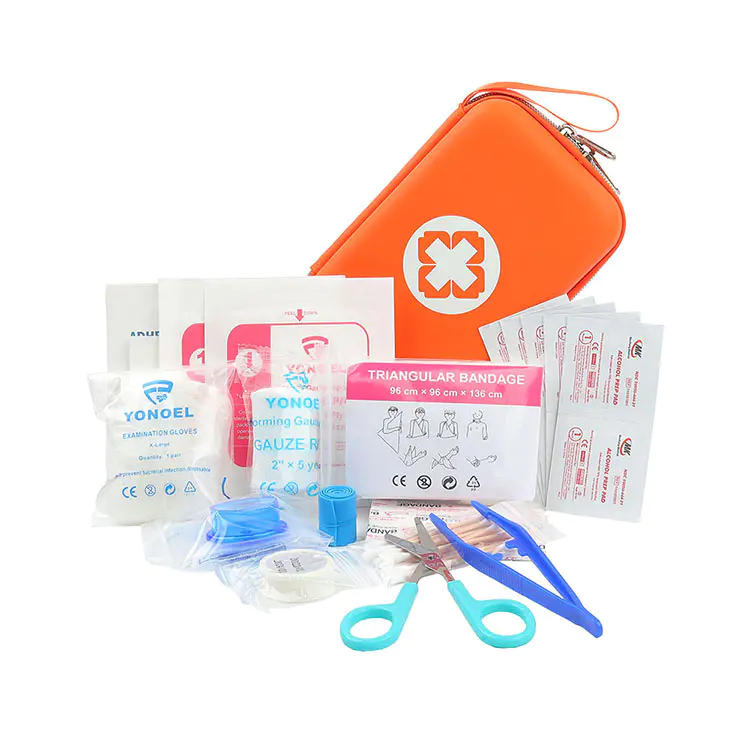
People tend to remember gifts that solve a problem or help in a pinch. A first aid kit does exactly that. It works for birthdays, housewarmings, new drivers, college students moving out, or anyone who travels a lot. You don't need to know someone's exact taste in clothes or gadgets—just that they might need basic supplies someday.
The kit signals quiet concern without being pushy. It's not flashy, but it's practical. Friends, parents, spouses, or coworkers all appreciate something they can keep handy. Many kits come in compact sizes that fit easily in glove compartments, backpacks, or kitchen drawers. Recipients often end up using it more than they expected, which makes the gift feel even more valuable over time.
Having a ready first aid kit brings real peace of mind. Small injuries happen every day—paper cuts, kitchen nicks, scraped knees—and quick treatment keeps things from getting worse. The recipient can clean and cover a wound right away instead of searching drawers for old, dried-out supplies.
Families especially benefit. Parents feel more capable handling kids' everyday bumps and scrapes. Active people who hike, bike, or play sports can deal with blisters or minor strains on the spot. Travelers like knowing they won't be stuck looking for a pharmacy late at night in an unfamiliar place.
Over the long run, the kit saves money and time. Buying individual bandages, tape, and ointments separately usually costs more than a pre-packed kit. It also builds basic knowledge—people start reading the labels and understanding what each item does. That small amount of learning can make someone more confident in minor emergencies. For people who live alone, it's especially reassuring. There's no need to call a neighbor or friend at odd hours just for a simple bandage. The kit quietly sits there, ready when needed, and that reliability turns a small gift into something quietly important.
This kind of gift quietly strengthens relationships. It says, "I thought about your safety," without needing big words. The recipient notices that care every time they reach for the kit. It becomes a small reminder of the giver.
Conversations often come up naturally. Someone might text, "Hey, that kit you gave me just saved me from a nasty cut," which opens the door for more connection. In families or close friendships, it can become an inside joke or shared story over time.
On a bigger level, giving kits to multiple people spreads the habit of being prepared. One person starts using it, mentions it to others, and suddenly more people have one in their car or bag. That ripple effect feels good for the original giver. Over months or years, the simple act of giving one kit can create a small network of people who are slightly better equipped for the little things life throws at them.
A good first aid kit improves day-to-day health decisions. Quick cleaning and covering of cuts lowers infection risk. Minor burns, stings, or sprains get basic treatment before they turn into bigger problems. The kit doesn't replace doctors, but it handles the things that don't need a doctor's visit.
In homes with kids or older adults, it gives extra security. Parents manage playground scrapes more calmly; older family members treat bruises without waiting for help. Active people stay on their feet longer because they can address strains or blisters immediately.
Communities also benefit indirectly. When people treat minor issues at home, emergency rooms and urgent care centers handle fewer non-urgent cases. That leaves more room for real emergencies. The kit supports the idea of personal responsibility for basic health care. Even something as simple as having antiseptic wipes handy can prevent a small scratch from turning into something that requires antibiotics. In that way, the kit quietly contributes to healthier habits across households.
| Benefit | How It Helps | Real-Life Example |
|---|---|---|
| Fast wound care | Stops bleeding, prevents infection | Kitchen knife slip |
| Pain relief | Reduces discomfort quickly | Headache during a road trip |
| Swelling control | Limits minor sprains or bruises | Twisted ankle on a walk |
| Allergy support | Basic response to mild reactions | Bug bite while camping |
| Confidence boost | Feels more capable in small crises | Treating child's scraped knee |
At home the kit gets the most frequent use. Kitchens produce the classic accidents—burns from stoves, cuts from vegetable prep, or bumps from cabinet doors. A quick antiseptic wipe and bandage keeps things clean and covered.
Bathrooms are another hotspot. Slips on wet floors, razor nicks, or ingrown hairs all get handled fast. Kids running around the house usually end up with at least one scrape or splinter per week. The kit makes those moments less stressful for parents.
DIY projects around the house create their own risks. Hammering nails, sanding wood, or moving furniture can lead to pinches, scrapes, or minor cuts. Having supplies nearby means the project doesn't stop for long. Even simple things like hanging pictures or assembling furniture often result in a banged knuckle or a small nick that the kit takes care of immediately.
Travel puts people in situations where supplies aren't always easy to find. Car trips often involve bug bites, sunburns, or motion sickness. A kit with pain relievers, sunscreen packets, and anti-itch cream handles these well.
Airports and hotels can be dry and uncomfortable. Basic items like lip balm, eye drops, or bandages for blisters from walking all day become useful. International travel sometimes means dealing with unfamiliar food or water—having digestive aids or basic meds helps.
Camping or road-tripping in remote areas makes the kit essential. A rolled ankle on a trail or a campfire burn gets treated right away instead of driving hours to find a store.
Outdoor hobbies create plenty of minor injuries. Hiking leads to blisters, twisted ankles, or thorn scratches. Camping brings campfire burns, insect stings, and the occasional cut from setting up gear.
Sports like biking, running, or soccer produce scrapes, strains, and bruises. A kit with elastic wraps, cold packs, and tape keeps people moving. Water activities need waterproof bandages for cuts that happen in or near the water.
Group outings—picnics, beach days, backyard games—often involve someone getting hurt. The kit turns a small mishap into something handled in minutes instead of ruining the day.
Offices see a surprising number of small injuries. Paper cuts, staple pricks, and coffee burns happen regularly. A kit on the desk or in a drawer keeps productivity up.
Construction sites, warehouses, and workshops have higher risks. Splinters, minor cuts, and bruises from tools or heavy lifting get treated quickly. Remote workers at home also benefit from having supplies for everyday knocks.
Teachers use kits for classroom scrapes or playground falls. Restaurants deal with burns from hot pans or knives—fast treatment keeps staff on shift.
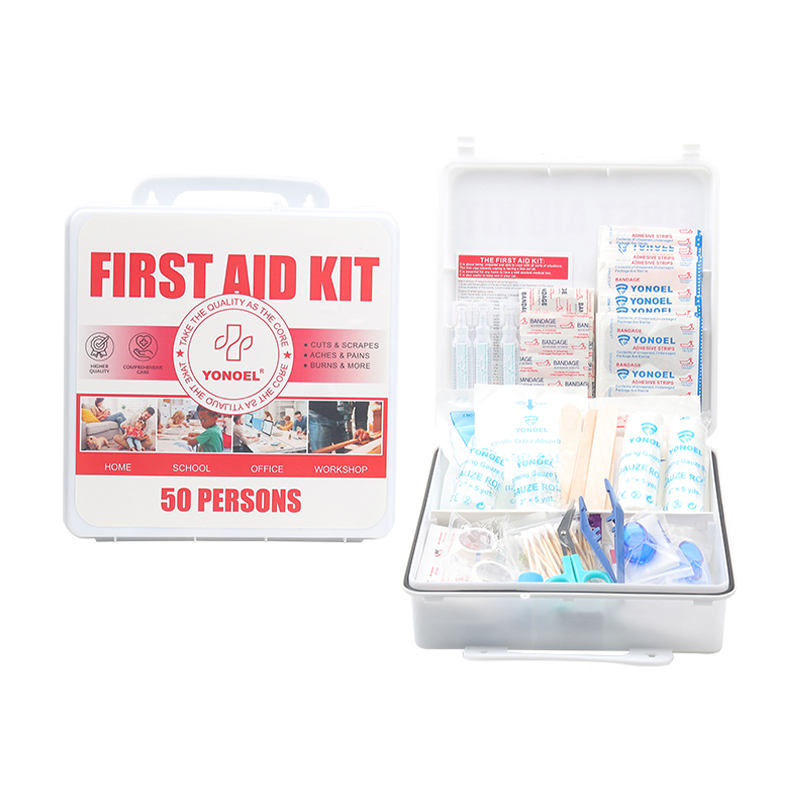
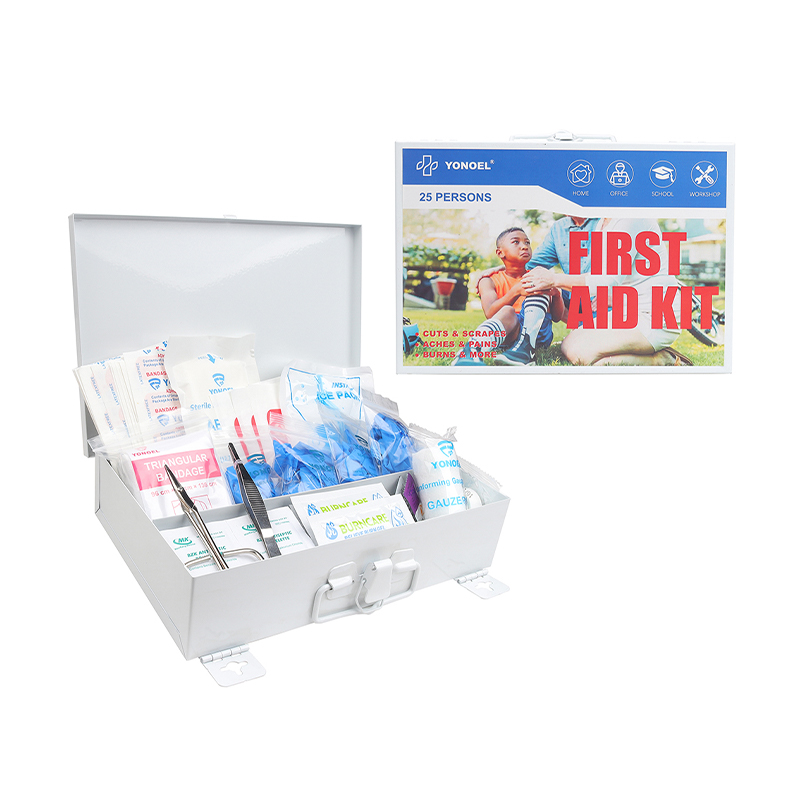
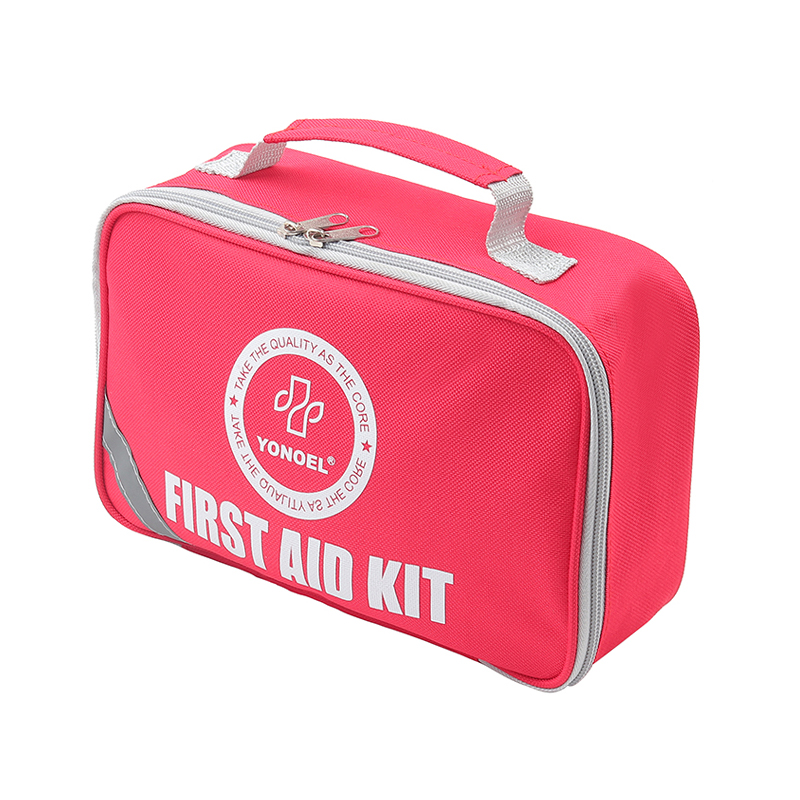
Factories like Yonoel manufacture practical first aid kits built for real-life reliability. Yonoel puts effort into sturdy cases, well-organized contents, and clear labeling so the kits are easy to use when needed.
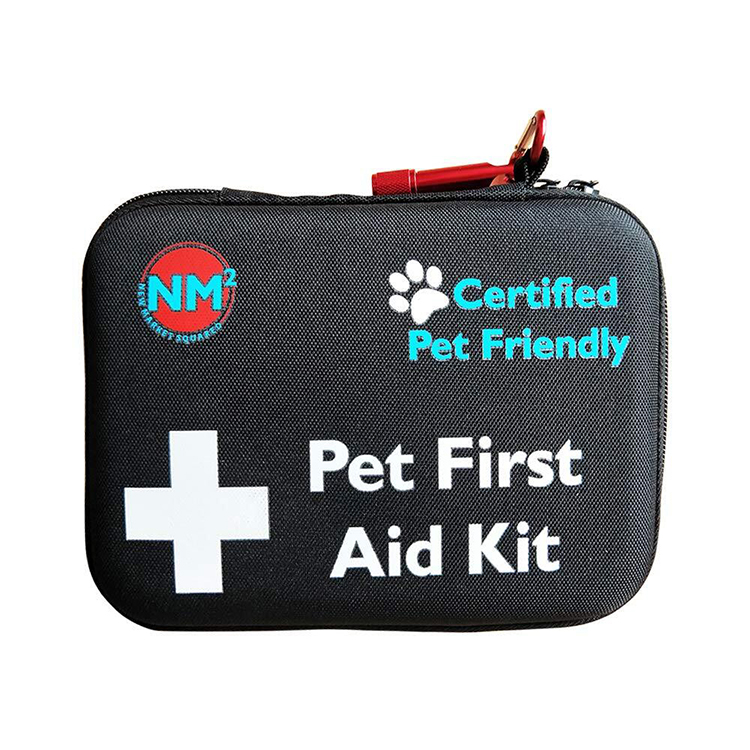
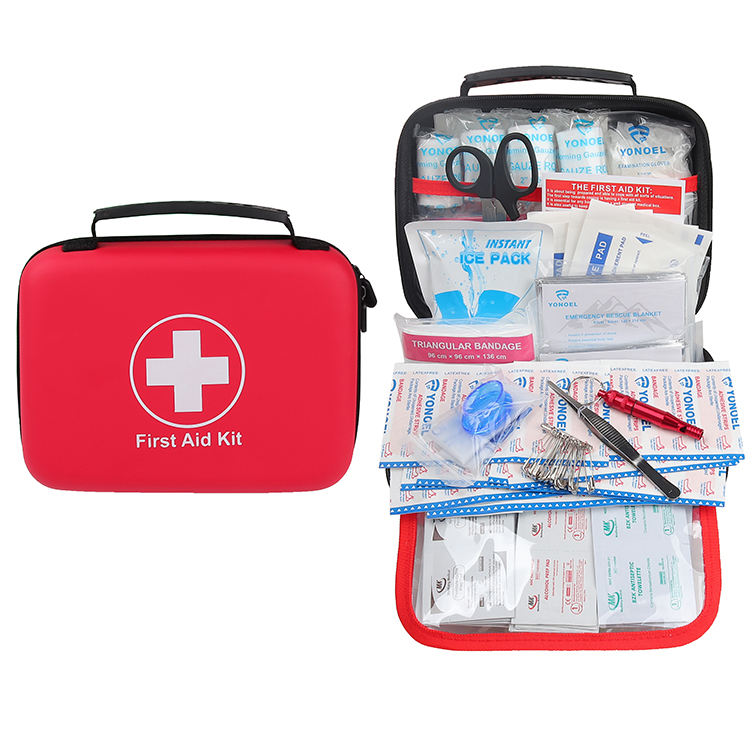
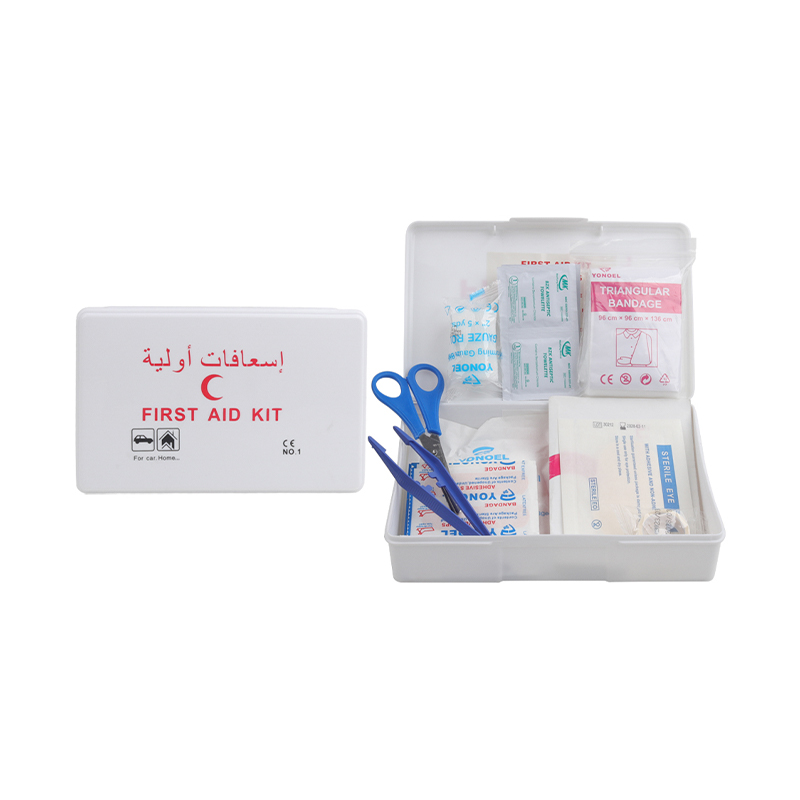
Yonoel keeps production consistent and offers different sizes and focuses—from compact travel versions to larger home or car kits. This helps people give gifts that actually get used and appreciated for years.
No. 52, Hulian West Street, Jiangbei Street, Dongyang City, Jinhua City, Zhejiang Province, China
Quick Links
Product Center
Contact Us
 PRIVACY

 English
 Deutsch
 Français
 русский
 Español