SUVs and trucks spend more time on the road than most cars, whether hauling gear, towing trailers, or heading into backcountry spots. That means owners face a higher chance of dealing with small injuries far from help. A roadside car first aid kit becomes one of the smartest things you can keep inside these vehicles. It's not about expecting disaster—it's about handling the everyday stuff that actually happens, like scraped knuckles from changing a tire or a nasty cut from a tool slipping. The kit gives you quick fixes without having to drive miles to find a pharmacy. This article explains why these kits make sense for SUV and truck drivers, what to include, how they get used, and simple ways to keep them ready.
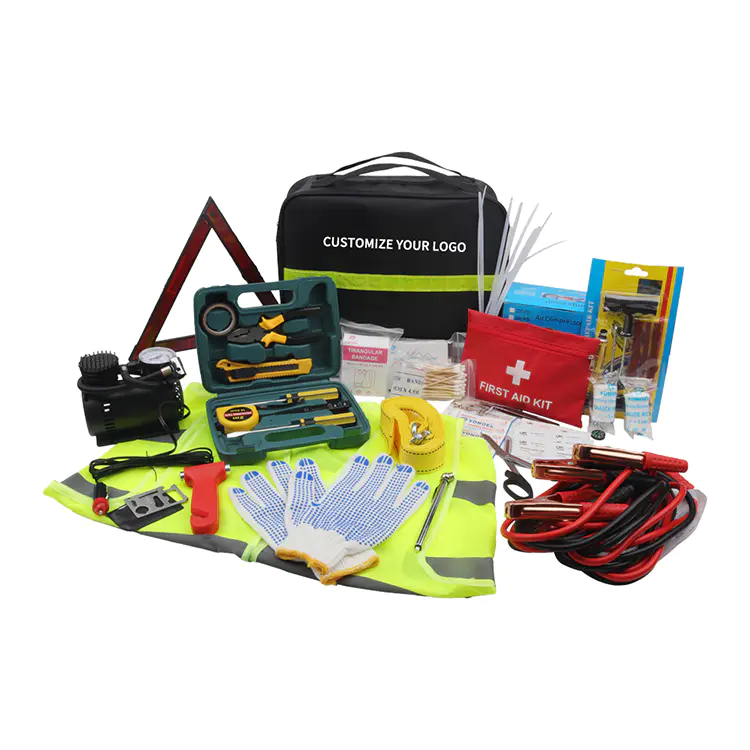
Larger vehicles like SUVs and trucks often cover long distances or rougher routes. Owners frequently stop in remote areas to fix flats, load cargo, or explore trails. When something goes wrong—a cut from sharp metal, a burn from a hot engine part, or a twisted ankle stepping out of the cab—help is rarely close by.
The kit fits easily in the space these vehicles offer, whether under a seat, in the glove box, or tucked in the cargo area. Truck drivers who carry crews or passengers can cover the whole group. SUV families on road trips or weekend getaways feel more secure knowing they have supplies for kids' scrapes or adult mishaps. Keeping one onboard encourages drivers to check it before long hauls, just like they check oil or tire pressure. That habit alone makes trips feel more prepared. Many owners also notice that having the kit nearby reduces anxiety during bad weather or night driving—when problems feel bigger than they are.
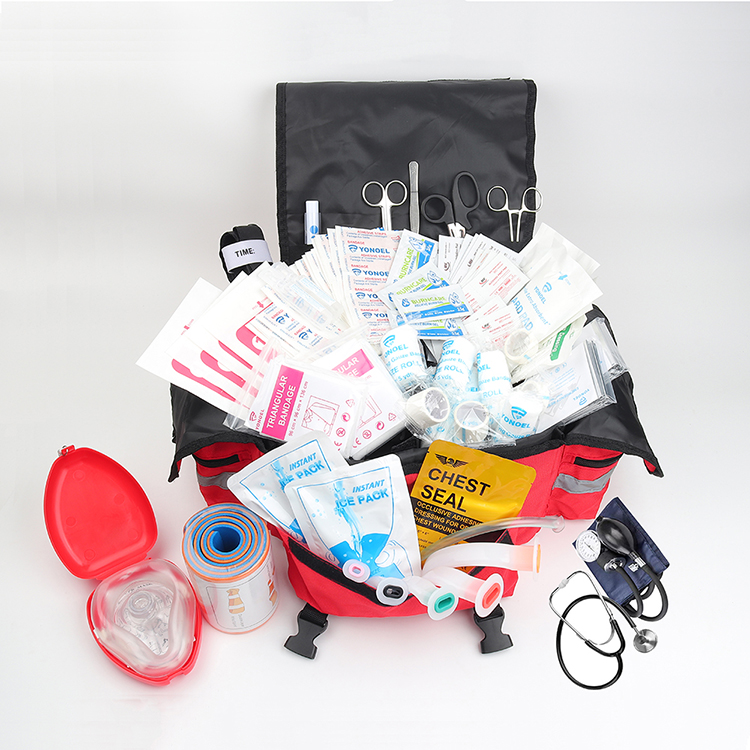
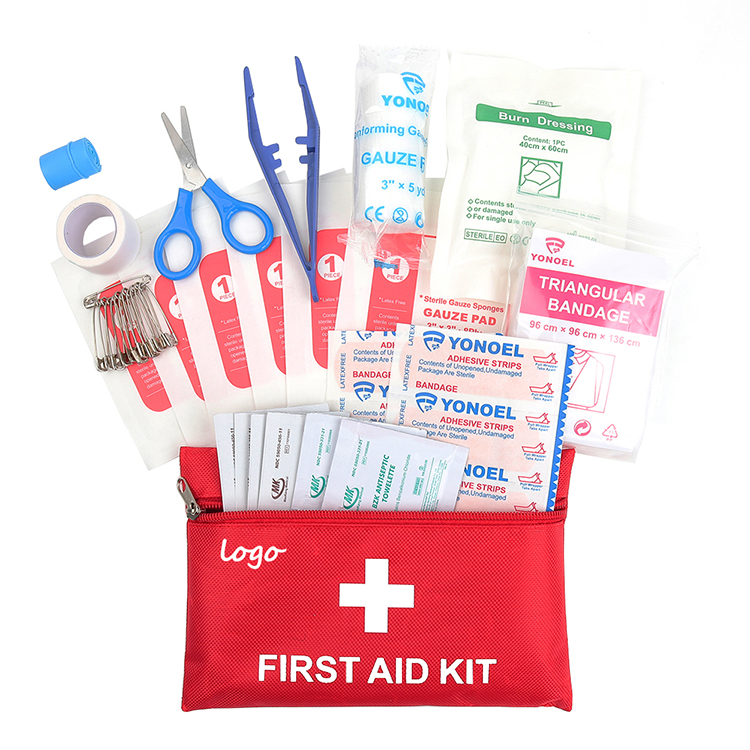
Start with wound care—bandages in different sizes, gauze pads, medical tape, and antiseptic wipes. These handle the most common roadside issues: cuts from tools, scrapes from rough surfaces, or blisters from walking on gravel. Pain relief items like tablets for headaches or muscle aches are essential for long drives where stiffness sets in.
Add cleaning supplies to prevent infection—alcohol pads, saline solution, or peroxide. Tweezers and small scissors help remove splinters or cut tape cleanly. Disposable gloves protect hands when dealing with dirty injuries. Thermal blankets and cold packs manage temperature extremes, especially in trucks exposed to weather. A basic guide card or small manual reminds users of basic procedures.
The whole setup stays compact but covers most real-world situations drivers actually encounter. For trucks that see a lot of dirt and grease, extra heavy-duty tape and larger gauze pads make a noticeable difference. Many people also toss in a small flashlight and a pair of work gloves so they can treat injuries safely without making the situation worse.
| Category | Main Purpose | Typical Items Included |
|---|---|---|
| Wound Care | Stop bleeding, protect cuts | Bandages, gauze, tape |
| Cleaning | Prevent infection | Antiseptic wipes, saline |
| Pain Relief | Ease discomfort | Tablets for pain, anti-inflammatory |
| Tools | Assist treatment | Tweezers, scissors, gloves |
| Comfort | Handle weather or fatigue | Blankets, cold packs |
Changing a flat tire is one of the most common reasons people end up needing the kit. Sharp edges on rims or jacks cause cuts on hands—clean the wound, apply a bandage, and get back on the road. Minor fender benders often leave drivers with bumps or small lacerations; cold packs and tape handle the immediate aftermath.
Summer heat can lead to dehydration headaches or sunburns on arms during stops. Pain relievers and soothing creams make the rest of the drive bearable. Insect bites happen frequently when pulling over in grassy areas—antihistamine cream stops the itch quickly.
In winter, a slip while walking around the vehicle in snow might cause a sprain. Elastic wraps provide support until reaching town. Even something as simple as a nosebleed from dry cabin air gets managed with tissues and gentle pressure. The kit turns these interruptions from stressful events into manageable ones, letting you focus on getting moving again instead of panicking.
Families who use SUVs for vacations or school runs tend to customize kits around kids. Add colorful bandages to make treatment less scary for little ones. Include fever reducers or child-safe pain options for sudden headaches or ear pain on long drives.
Motion sickness remedies become a must for winding mountain roads. Sunscreen packets help with unexpected stops at beaches or parks. The kit stays small enough to slide under a seat but covers the whole family's needs. Parents often add a few extra wipes and bandages because kids seem to find ways to get scraped on every trip. Some families even keep a small toy or sticker sheet inside so kids stay calm while getting patched up. This tailored approach makes the kit feel like it was made specifically for their routine.
Truck owners often deal with heavier physical work—loading, unloading, securing straps. Their kits emphasize items for muscle strains, hand cuts, and eye irritation from dust or wind. Extra gloves and larger bandages handle bigger scrapes.
Drivers who spend days on the road add items for eye strain or stiffness from sitting long hours. Those who work in construction or landscaping include supplies for thorn scratches or grease burns. The container should be tough enough to bounce around in a truck bed or toolbox.
Many truck users keep the kit within arm's reach in the cab so it's ready in seconds. This setup supports both personal use and helping a coworker who gets hurt on a job site. Some drivers even add a small bottle of hand sanitizer and a few pairs of safety glasses to cover more ground.
Keep the kit in a spot that stays dry and easy to reach. Avoid the trunk if it gets extremely hot or cold—opt for the passenger compartment instead. Check the contents every few months, replacing anything that looks worn, expired, or missing.
Write the check date on a small piece of tape so you remember when it's due again. Organize items in zip bags or small compartments so you don't have to dig through everything during an emergency. For trucks that see rough roads, use a hard case that won't crack easily.
Seasonal updates make sense too—add more cold packs in summer, extra blankets in winter. A little routine keeps the kit ready when you need it most. Many owners set a calendar reminder to avoid forgetting.
Having a roadside car first aid kit reduces stress on the road. Drivers handle small problems quickly instead of wasting hours looking for help. It also builds quiet confidence—knowing you're covered makes long drives feel less daunting.
The kit often gets used more than expected, which makes the initial effort worthwhile. Over time, owners notice fewer small issues turn into bigger headaches. That reliability turns a simple box of supplies into one of the most practical things you can keep in an SUV or truck. It's not flashy, but it works when it matters.
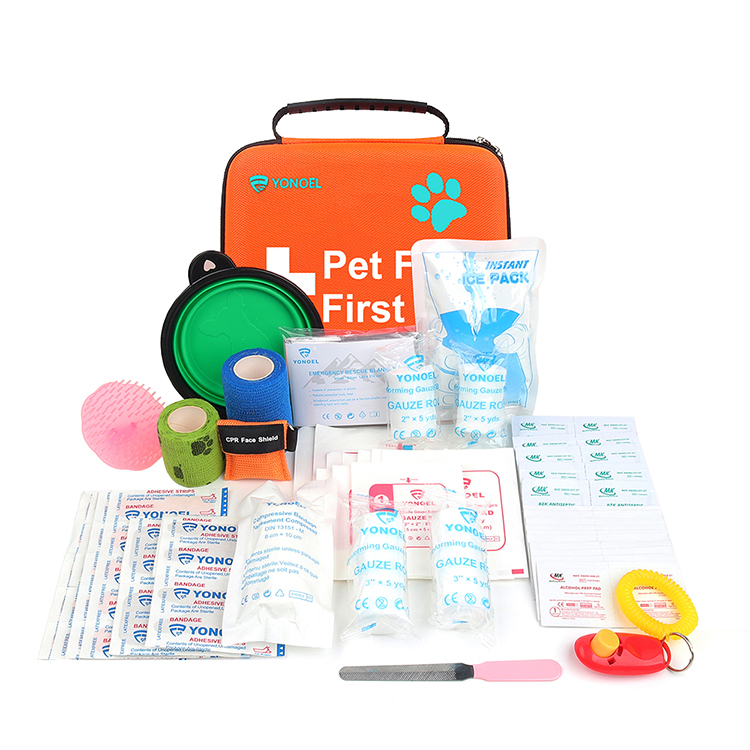
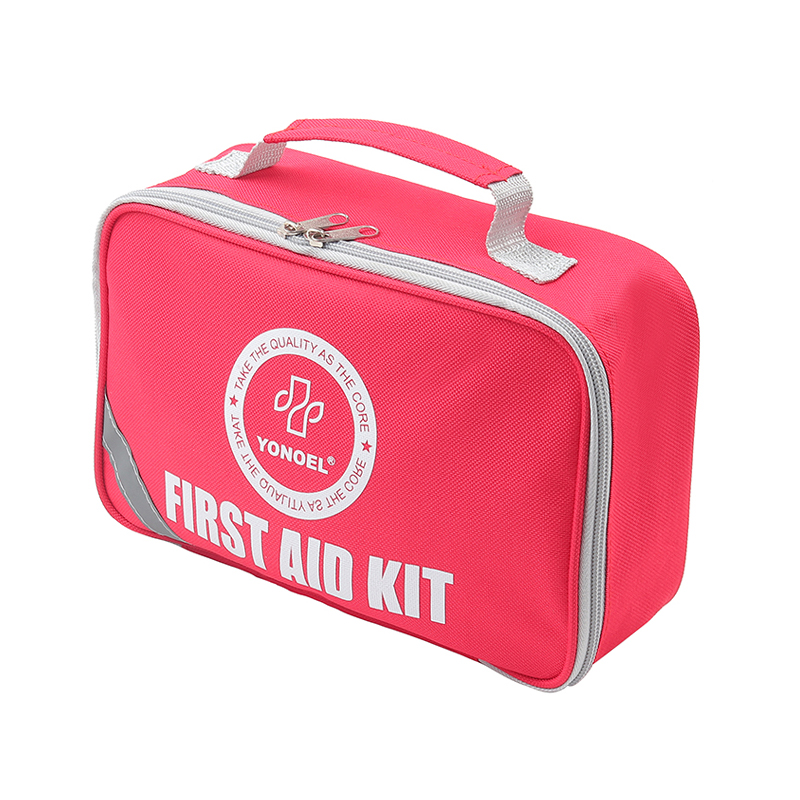
Factories like Yonoel produce roadside car first aid kits built specifically for vehicle use. Yonoel focuses on durable cases, clearly organized contents, and items that hold up in real driving conditions.
Yonoel keeps options flexible so owners can choose compact versions for SUVs or more robust ones for trucks. This approach helps drivers stay prepared without overcomplicating things.
No. 52, Hulian West Street, Jiangbei Street, Dongyang City, Jinhua City, Zhejiang Province, China
Quick Links
Product Center
Contact Us
 PRIVACY

 English
 Deutsch
 Français
 русский
 Español