Any driver knows roads can throw surprises. A flat tire, a sudden headache, a scraped knee from changing a wheel, or something more serious—things happen when you're miles from a store or clinic. Having a decent Roadside Car First Aid Kit in the car means you can handle the small stuff right away and buy time for the bigger problems until help shows up. It's one of those things people put off, but once it's there, it just sits quietly in the trunk doing its job.
A car kit isn't the same as the one under the bathroom sink. It needs to be compact, tough enough for heat and cold, and stocked for the kinds of issues that crop up on the road—everything from minor cuts after a fender bender to keeping someone stable after a rollover. Many drivers only realize the value when they're stuck on a quiet highway with a bleeding passenger or a child throwing up from motion sickness. Below is a straightforward rundown of what actually belongs in it, based on what paramedics, driving instructors, and regular travelers tend to carry.
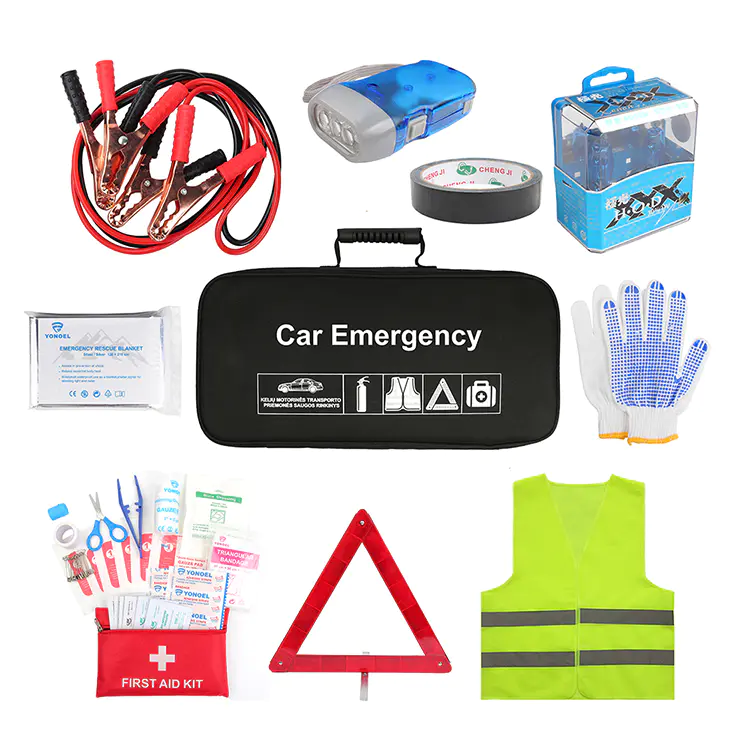
Cuts and scrapes are the most common roadside injuries—glass from a broken mirror, gravel after a slide-off, or just nicking yourself on trunk hardware while loading groceries. Without proper supplies, dirt gets ground in, bleeding keeps going, and infection can set in before you reach help.
Start with different sizes of adhesive bandages for fingers, knuckles, elbows, or larger areas on knees and shins. Sterile gauze pads come in handy to press directly on bleeding spots or to clean grit out of a wound with some water from a bottle. Medical tape holds everything secure, especially when gauze needs to stay put on a moving arm or leg. Antiseptic wipes or small bottles of solution kill germs on the spot before covering the injury. Non-stick dressings prevent the bandage from pulling off scabs later, and stretchy roller bandages wrap around limbs to control swelling or hold thicker padding in place. Together, these let you stop most minor bleeding, protect the wound from road dust, and keep things clean until a proper clinic visit. Plumbers and mechanics who often work roadside swear by keeping extra bandages because small cuts happen constantly around tools and sharp edges.
Long drives bring headaches from staring at the road, stomach upset from quick meals at gas stations, sudden allergies from pollen blowing in through open windows, or motion sickness on twisty routes. A few over-the-counter basics tucked in the kit can make the difference between pushing through or having to pull over repeatedly.
General pain and fever reducers handle post-accident aches, tension headaches, or minor injury soreness. Antihistamine tablets quickly calm reactions to insect bites picked up at a rest stop, unexpected food allergens, or seasonal hay fever that flares up during travel. Antacids settle heartburn after coffee and donuts, while anti-diarrheal pills stop bathroom emergencies when the next restroom is miles away. Motion sickness tablets help passengers—especially kids—who feel queasy on mountain passes or ferry crossings. Keep everything in original blister packs or bottles so instructions stay readable and nothing gets mixed up in the dark. Families on road trips often add children's versions of pain relievers or flavored options. Toss and replace anything past its date during regular checks—old medication simply doesn't work as well.
Supplies are useless if you can't actually use them properly, especially with shaky hands after an incident or in fading light.
Scissors sturdy enough to cut tape, clothing, or seatbelt material but with rounded tips for safety belong in every kit. Tweezers pull out splinters from wooden picnic tables, ticks after a roadside walk, or tiny glass shards embedded in skin. Several pairs of disposable gloves keep blood or fluids off your hands and reduce infection risk for everyone involved. A CPR barrier device lets you give rescue breaths safely if breathing stops. A small flashlight (with spare batteries) lights up injuries at night or inside a dim vehicle. A thin space blanket folds tiny yet traps body heat for someone going into shock or waiting in cold weather. These tools don't take much room but turn basic bandages and wipes into real, effective care when seconds count.
Helping someone bleeding or vomiting puts you at risk too. Simple barriers make the process safer for both sides.
Pack several pairs of non-latex gloves—latex allergies are common, and you never know who you're treating. Basic face masks cut down on germs spreading through coughs or breaths during close work. A simple eye shield or pair of goggles protects against blood splatter or cleaning solution spray. Roadside scenes can get messy fast, and these items add almost no bulk while lowering the chance of taking something home with you or passing it on. Emergency responders always wear protection for exactly these reasons, and civilians doing the same just makes sense.
A few more items cover situations that pop up regularly but aren't strictly medical.
Instant cold packs (the squeeze-to-activate kind) bring down swelling from twisted ankles or banged elbows without needing ice from a cooler. Elastic wrap bandages support sprained wrists or ankles until proper care. A large triangular bandage works as a sling for arm injuries, ties around big dressings, or even improvises a pressure bandage. Safety pins secure slings or folded bandages quickly. A small notepad and pen let you write down accident details, times symptoms started, or medications given—information paramedics appreciate. A laminated card listing personal medical notes—allergies, blood type, regular prescriptions—speeds up treatment if the injured person can't speak. These extras often prove more useful than expected on long waits for tow trucks or ambulances.
Stuff everything into a tough plastic or fabric case with compartments or clear zip bags so items stay organized and nothing gets lost in the bottom. Label sections loosely—wounds, meds, tools—so anyone grabbing the kit in a panic can find things fast.
Check contents a couple times a year: replace used bandages, throw out expired meds, test the flashlight. Keep the case somewhere reachable like the trunk corner or under a seat, but avoid spots that get scorching hot in summer or freezing in winter. Add or swap items based on regular passengers—smaller bandages for kids, glucose tabs for diabetics, extra insect repellent in summer months. Drivers in rural areas sometimes include a small bottle of water just for wound cleaning when nothing else is available. A quick five-minute review before a long trip ensures everything is still good to go.
| Category | Main Items | Why It Matters |
|---|---|---|
| Wound Care | Bandages, gauze, tape, antiseptic wipes | Stops bleeding, prevents infection |
| Medications | Pain relief, antihistamines, antacids, etc. | Handles common travel complaints |
| Tools | Scissors, tweezers, gloves, flashlight, blanket | Makes treatment possible and safer |
| Protection | Gloves, masks, eye shield | Keeps helper and patient safer |
| Extras | Cold packs, elastic wraps, notepad, info card | Supports sprains, records details |
Most trips end without incident, but the ones that don't can shift quickly from routine to stressful. A stocked kit lets you clean a cut properly, ease someone's pain, support a sprained joint, or simply keep a shocked person warm and calm until professionals arrive. It's inexpensive insurance that stays out of the way until the moment it suddenly becomes useful.
When putting together or refreshing a car first aid kit, starting with well-made components saves hassle later.
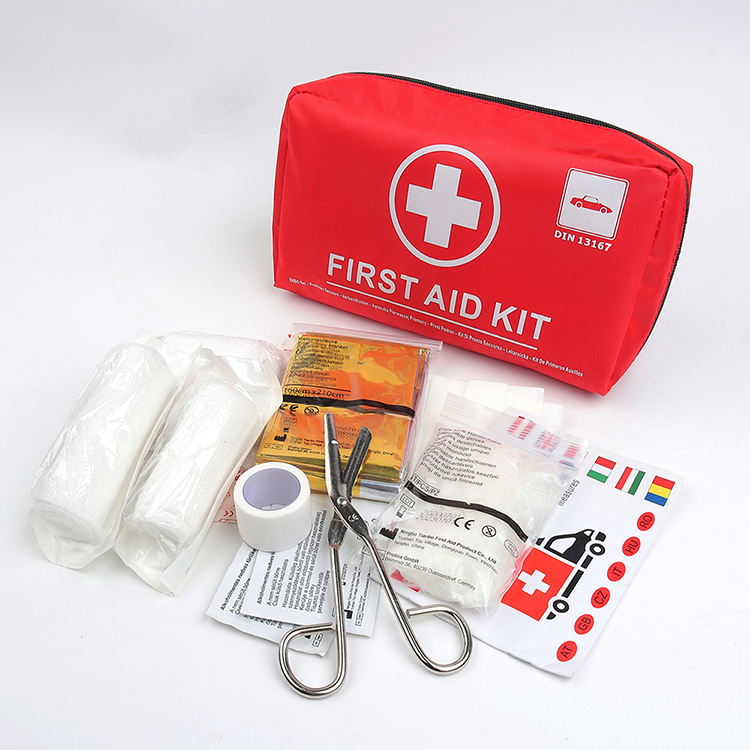
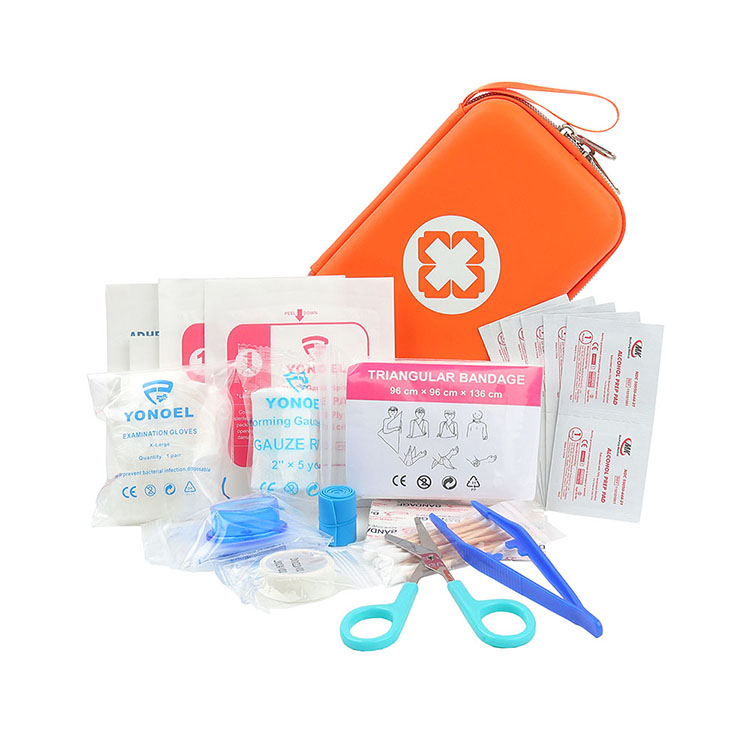
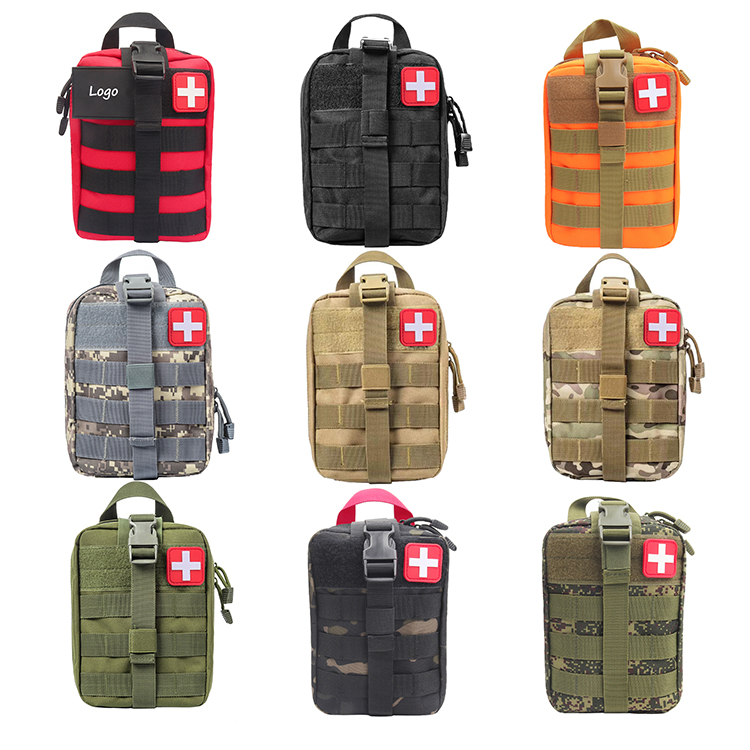
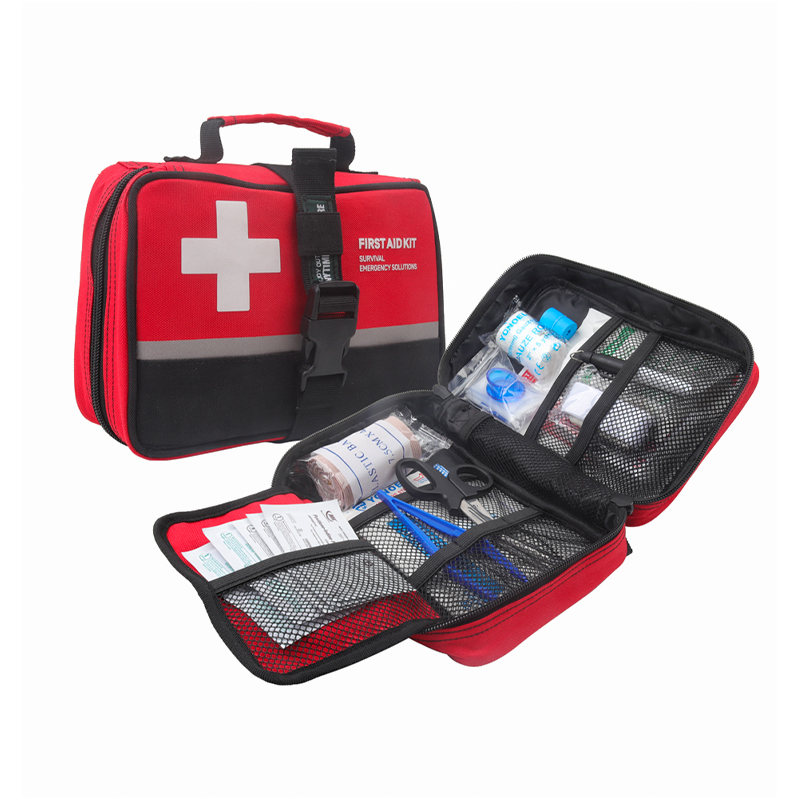
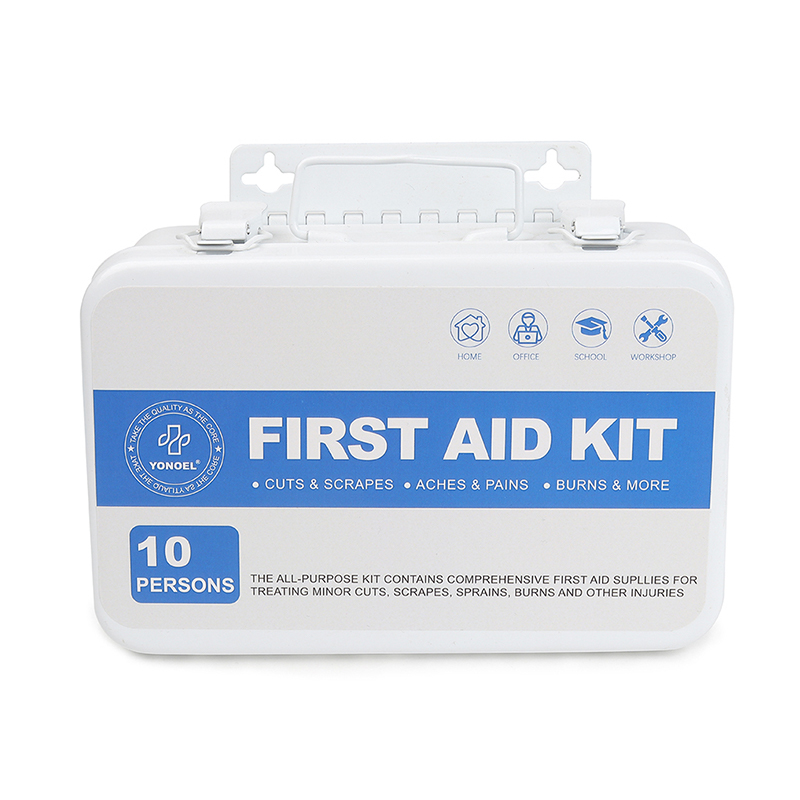
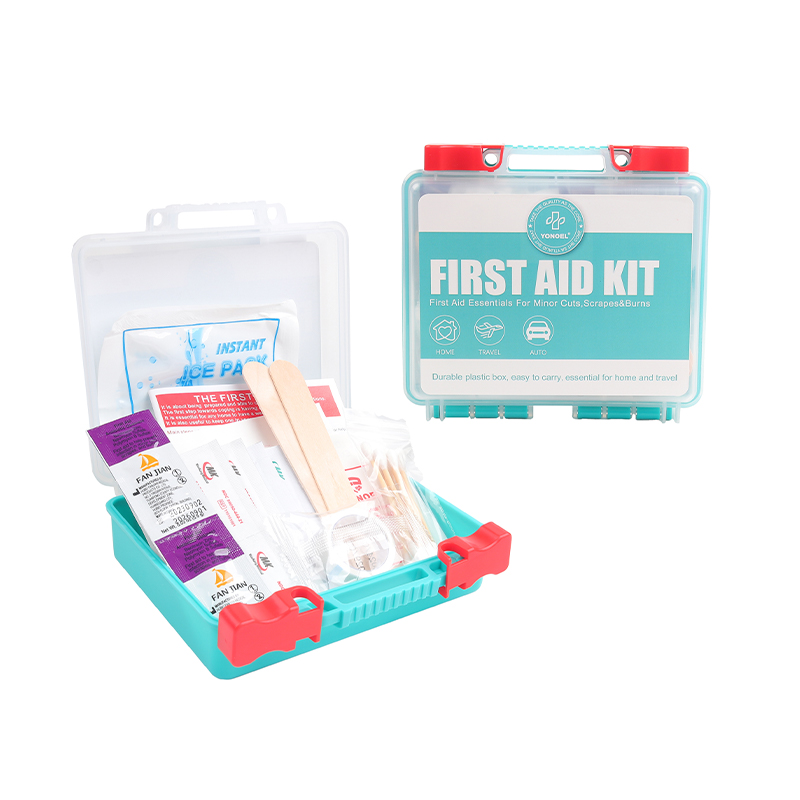
Yonoel is a factory focused on producing first aid kits and emergency supplies, including compact versions designed for vehicles. The plant uses durable materials and organizes contents for quick access. Yonoel supplies straightforward, ready-to-use kits suitable for personal cars, family vehicles, or company fleets.
No. 52, Hulian West Street, Jiangbei Street, Dongyang City, Jinhua City, Zhejiang Province, China
Quick Links
Product Center
Contact Us
 PRIVACY

 English
 Deutsch
 Français
 русский
 Español