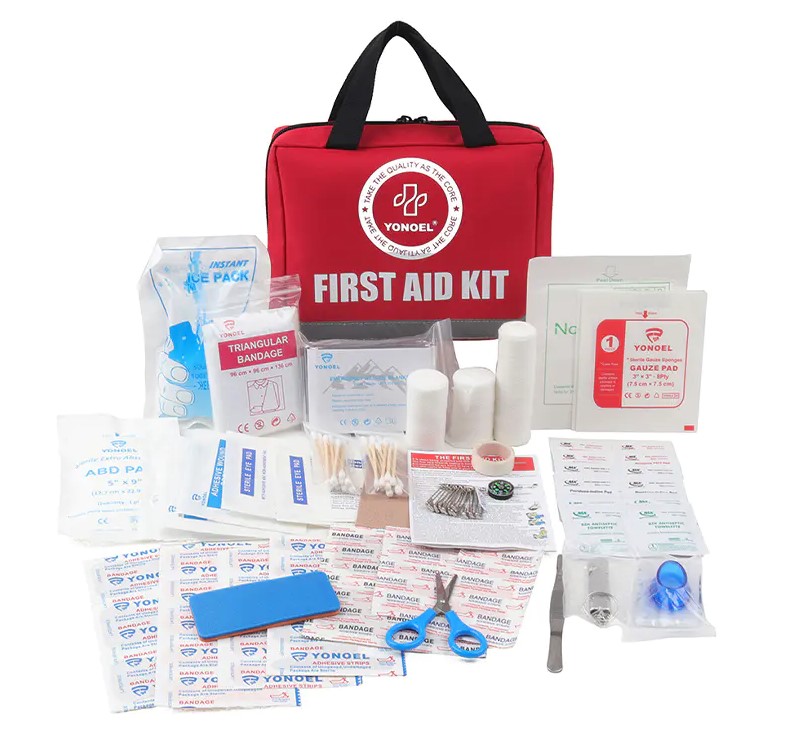
Flash floods triggered by the season’s first heavy rains and snowfall in Afghanistan brought devastation and loss in early January 2026, once again reminding the world how fragile daily life can be. Homes were damaged, families displaced, and access to essential services disappeared within hours. In moments like these, when outside help is delayed or unavailable, having a first aid kit close at hand can make a meaningful difference for individuals and families facing sudden emergencies.
Communities across affected regions were caught off guard as floodwaters surged through streets and rural areas. Roads became impassable, communication networks failed, and electricity outages left families in darkness. In such conditions, even small injuries can escalate quickly if they are not treated properly in time.
Without immediate access to clinics or rescue teams, people are often forced to rely on what they already have around them. Preparedness becomes the first line of defense, not an afterthought.
Natural disasters rarely unfold in an orderly way. Emergency responders may face blocked roads, damaged equipment, or competing rescue priorities. Hospitals can become overwhelmed, and basic medical supplies may run low faster than expected.
During these gaps, the ability to clean wounds, apply bandages, manage pain, or keep someone warm can help stabilize a situation until professional assistance arrives. These are simple actions, but they require the right tools to be effective.
A well-prepared household doesn’t rely on luck. Keeping essential supplies accessible at home, in a car, or at the workplace allows people to respond calmly instead of reacting in panic. Preparedness fits naturally into daily life—it doesn’t require changing routines, only planning ahead.
This level of readiness is especially valuable during unexpected situations such as flooding, power outages, or severe weather, when normal services may not return quickly.
What makes emergency preparedness practical is its simplicity. Clean bandages, basic medical tools, hydration support, and warmth-related items can support care in the critical early moments. These supplies are not about replacing professionals, but about buying time and reducing risk.
When people feel equipped, they act with more confidence and clarity—even under pressure.
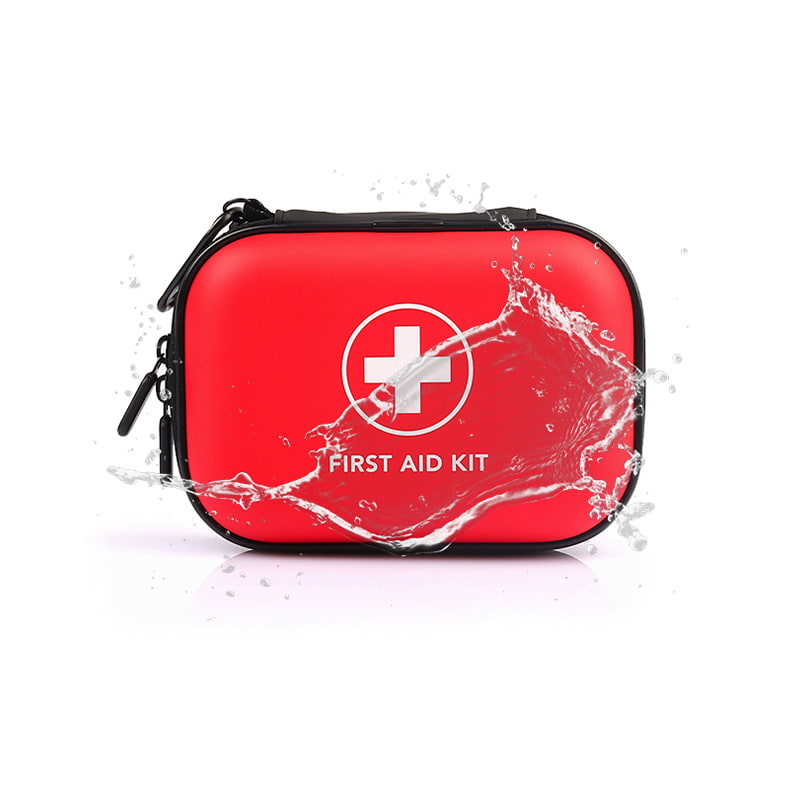
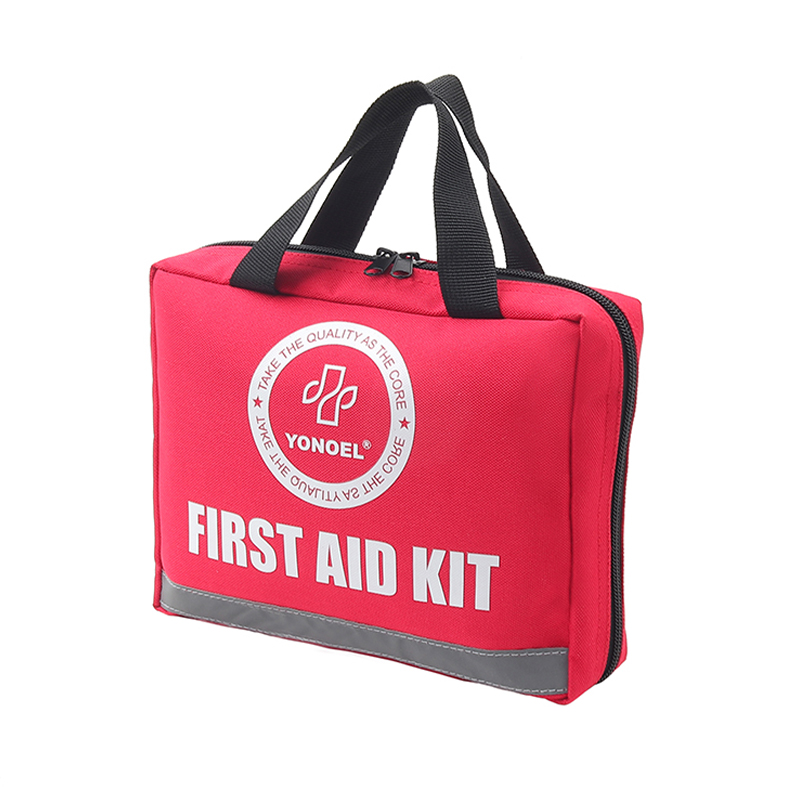
Disasters don’t announce themselves, but preparation is always a choice. Taking steps today to organize essential supplies helps protect what matters most tomorrow. A reliable first aid kit offers peace of mind, practical support, and readiness when help cannot reach you immediately.
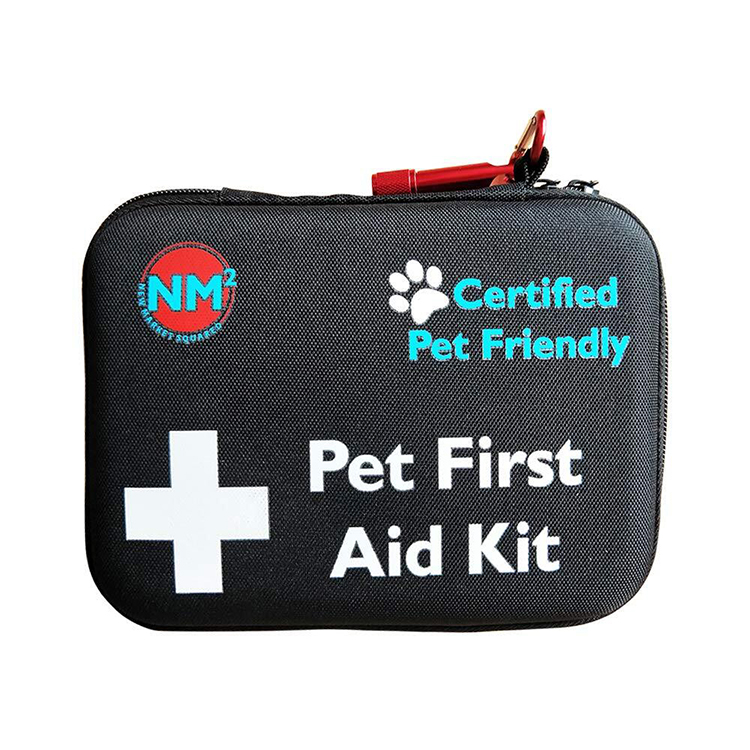
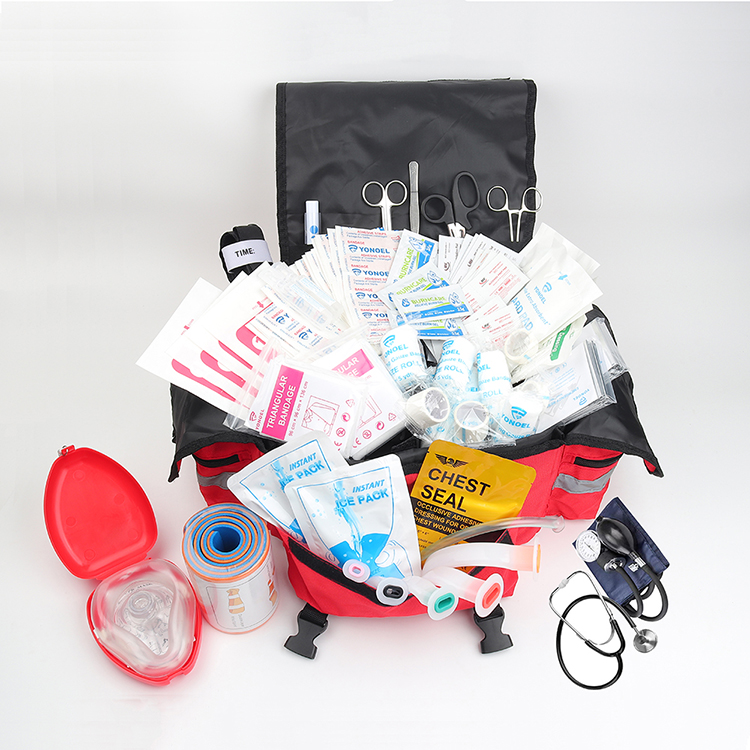
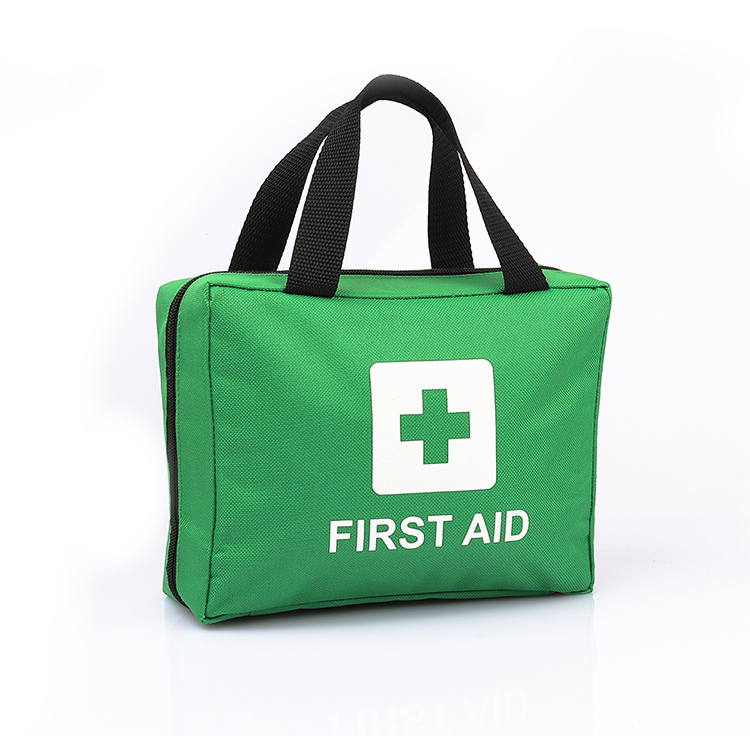
Being prepared isn’t about expecting the worst—it’s about ensuring you’re ready to respond. Make sure your first aid kit is complete, accessible, and ready whenever life takes an unexpected turn.
.jpg)
No. 52, Hulian West Street, Jiangbei Street, Dongyang City, Jinhua City, Zhejiang Province, China
Quick Links
Product Center
Contact Us
 PRIVACY

 English
 Deutsch
 Français
 русский
 Español