Putting together a first aid kit as a gift for an older relative hits the mark in a way few things do—it's useful, shows you're thinking about their day-to-day life, and gives everyone a bit more peace of mind. Seniors deal with stuff like paper-thin skin that tears easily, slower healing from little knocks, or the occasional dizzy spell that leads to a bump. Having the right supplies handy means they can sort out small problems without fuss or waiting for someone to drop by.
Caregivers like it too, because it means one less thing to worry about during visits. This kind of gift works for birthdays, holidays, or just because, standing out from the usual sweaters or photo frames. In homes or assisted living spots, a stocked kit lets seniors handle minor stuff themselves and keeps little issues from turning bigger. Building one is straightforward: pick easy-to-use items, label everything clearly, and tuck it all into a grab-and-go box. This piece walks through why it makes a solid gift, what to toss in, ways to tweak it for the person, and how to keep it ready.
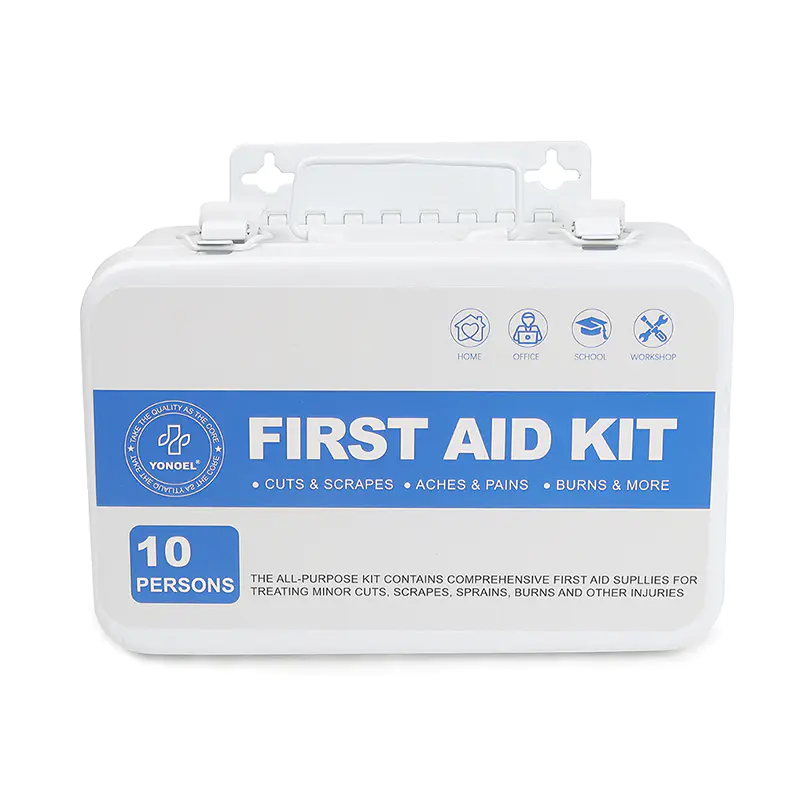
Handing over a first aid kit says you notice the real stuff seniors face every day. Skin gets fragile with age, so a simple nick from opening a package or brushing against furniture can bleed more than expected and take longer to close up. Quick access to gentle bandages or cleaning wipes lets them deal with it right away, cutting down on discomfort or the chance of infection. For folks living on their own, it means not having to phone a child or neighbor for every little thing, keeping that sense of independence intact. Adult children breathe easier knowing basic tools are there if a parent takes a spill or gets a burn from the stove.
The kit opens the door to casual chats about staying safe without sounding like a lecture. It stays practical long after the occasion—sitting in a drawer ready for actual use, unlike gadgets that might never get plugged in. Pick a box in their favorite shade or add a handwritten card, and it feels personal rather than cold. In retirement communities, one good kit can even help residents watch out for each other during card games or walks. All in all, it lines up perfectly with keeping seniors comfortable and secure in their own space, making it a gift that truly matters.
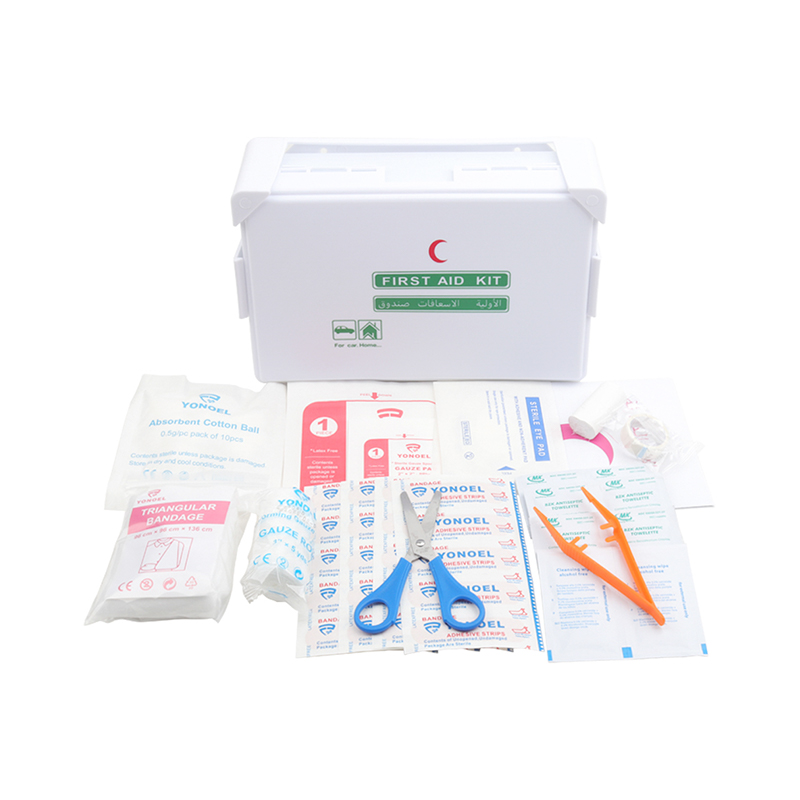
Every solid first aid kit starts with the everyday items that tackle the most common small troubles seniors run into. Assorted bandages in different shapes and sizes cover everything from tiny paper cuts to larger scrapes on arms or legs. Gauze pads paired with gentle tape hold things in place for spots that need a bit more coverage. Antiseptic wipes clean wounds quickly without stinging too much, and a basic ointment helps guard against germs while skin heals. Over-the-counter pain relief handles headaches, sore joints, or aches from a minor fall—just make sure it fits with any regular prescriptions. Scissors with rounded tips cut tape or clothing safely, tweezers pull out splinters from gardening, and disposable gloves keep everything hygienic if someone else helps out. A simple digital thermometer catches rising temperatures early, and reusable cold packs bring down swelling from bruises without mess.
These core pieces keep the kit manageable in size but ready for the usual household mishaps that crop up. Packing them neatly means nothing gets buried or forgotten when needed in a hurry. Starting here gives a strong base that works for almost anyone, then extras can build on it.
| Category | Typical Items | Why It Fits Seniors |
|---|---|---|
| Wound Care | Bandages, gauze, tape | Covers tears and scrapes on thin skin |
| Cleaning | Wipes, ointment | Stops infection gently |
| Pain Relief | Basic pain pills | Soothes aches from bumps |
| Tools | Scissors, tweezers, gloves | Makes application safe and easy |
| Extras | Thermometer, cold packs | Monitors fever, eases swelling |
To really tune the kit for older users, add pieces that match the changes age brings. Butterfly closures gently pull torn skin together without stitches for common paper-thin tears. Self-stick wraps go on without adhesive touching fragile areas, and clear film dressings let wounds breathe while staying protected. Low-strength hydrocortisone cream calms itchy rashes that flare up more often later in life. Non-stick pads make changing dressings painless by not tugging new skin. Include a laminated card with current medications, allergies, and doctor contacts—easy to grab if emergency crews arrive. A compact flashlight with fresh batteries helps during outages, and a loud whistle calls attention if a fall leaves someone stuck. Magnifying glass aids reading small print on packages. For pet lovers, toss in notes on animal scratch care. Arthritis-friendly tools like easy-grip scissors reduce frustration. These thoughtful additions turn a generic kit into one that feels made just for them, handling the specific little annoyances that come with getting older while keeping everything simple to use.
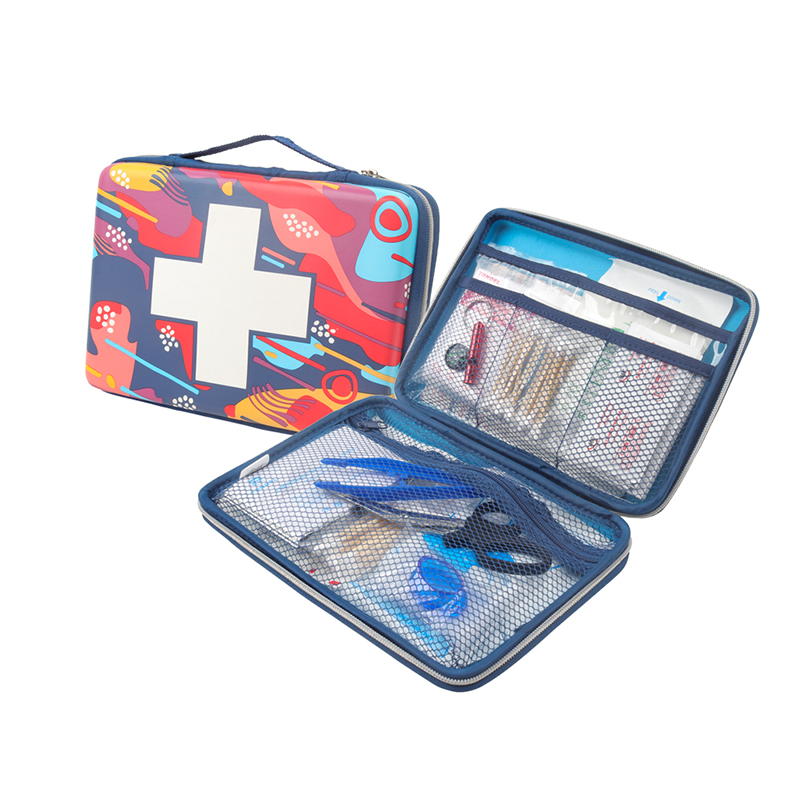
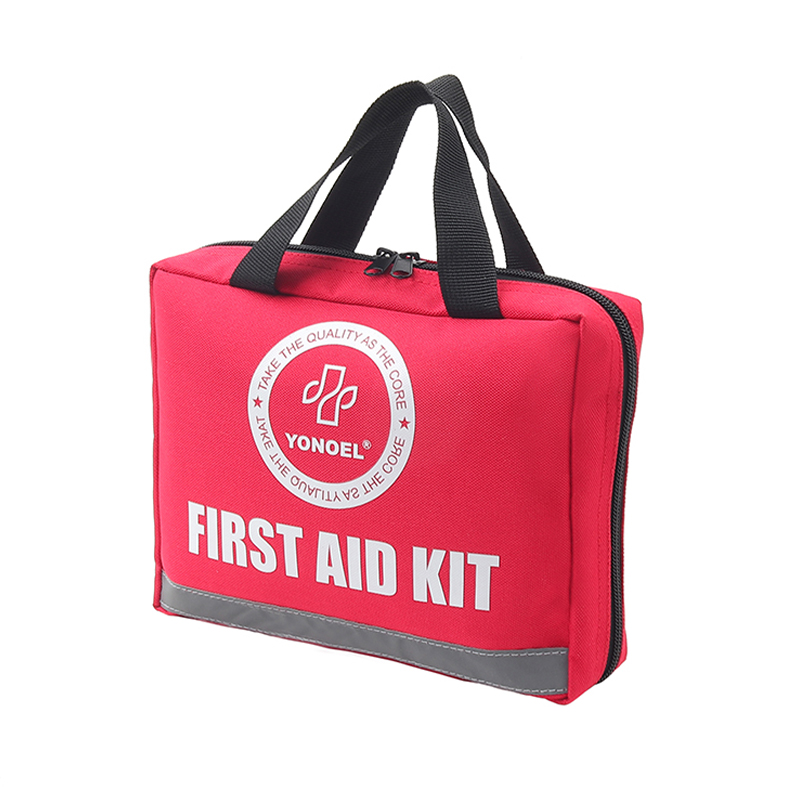
Assembly starts with picking a container that works for older hands—a clear plastic box with a handle or a soft zip bag that opens wide. Divide items into smaller pouches so bandages stay separate from tools and nothing rattles around loose. Use big, bold labels on each section for quick spotting if vision isn't perfect. Gather the basics first, then layer in the senior extras based on their habits—if they love cooking, add more burn relief; if they're outdoorsy, extra bandages for thorns. Check all dates so nothing's outdated from the start. Write a short personal note explaining the layout and why each part matters. Include a basic picture guide showing steps for common fixes like cleaning a cut. Walk through a pretend injury together when giving it to build confidence. Let family members add their own touches, like a favorite snack for low blood sugar. The hands-on process makes the gift feel warm and considered rather than thrown together.
Place the kit somewhere reachable without stretching or bending too far—a lower kitchen cabinet, hallway shelf, or bedside drawer works well. Avoid steamy bathrooms where moisture could ruin supplies. Slip items into waterproof bags inside for extra safety against spills. Arrange by how often things get used: bandages and wipes right up front, less common tools tucked behind. Color-code pouches—red for wound stuff, green for cleaning—to make grabs faster under stress. Big stickers on the outside label it clearly so visitors or helpers spot it easily. For folks who travel to grandkids, make a smaller take-along version with essentials. Check the spot occasionally to ensure nothing's blocking access. These small habits keep the kit practical day in and day out, ready when a moment calls for it rather than buried and forgotten.
The kit quietly boosts everyday safety by letting seniors fix small hurts before they worsen. It hands back some control, letting them manage a scrape or bruise solo instead of waiting on others. Families worry less knowing tools are close if a parent lives alone. Money stays in pocket by skipping clinic visits for minor stuff that bandages handle fine. Emotionally, it lands as genuine care—showing you paid attention to their real needs. Caregivers get breathing room with one less task on visits. In group homes, residents often share tips or lend items, building little support networks. Confidence grows when small problems stay small. Overall, life feels a touch smoother and more secure.
| Upside | What It Means | How It Helps Seniors |
|---|---|---|
| Safety | Fast fixes for minor hurts | Keeps small issues from growing |
| Independence | Handling things solo | Builds daily confidence |
| Savings | Fewer outside trips | Eases budget pressure |
| Emotional | Feels thoughtful | Tightens family ties |
| Community | Neighbors pitch in | Creates support circles |
Peek inside every few months to swap out anything used or nearing expiration. Wipe the box down to clear dust and keep labels readable. Show the recipient simple demos for new items so they feel comfortable. Update the medication card whenever prescriptions change. Store backup supplies nearby for quick top-ups. Involve visiting family or caregivers in checks to keep it consistent. Mark the calendar for routine looks so it never slips. Proper attention means the kit stays trustworthy long after the gift wrap comes off.
Match extras to personal health quirks. For diabetes, slip in glucose tabs and testing reminders. Arthritis calls for large-grip tools and easy-open packets. Hearing or vision aids get cleaners or magnifiers. Outdoor types benefit from bug bite cream or sunscreen packets. Pet households add animal scratch notes. Regional weather might call for lip balm in dry areas or allergy relief in pollen seasons. These small adjustments make the kit feel truly theirs.
Working It into Everyday Life
Keep the box in plain sight at first to build the habit of reaching for it. Pair it with daily routines like morning pills so it becomes familiar. Chat through pretend scenarios on visits to ease any hesitation. In care facilities, loop in staff for best placement. Over time, it just blends into normal life, ready without thinking.
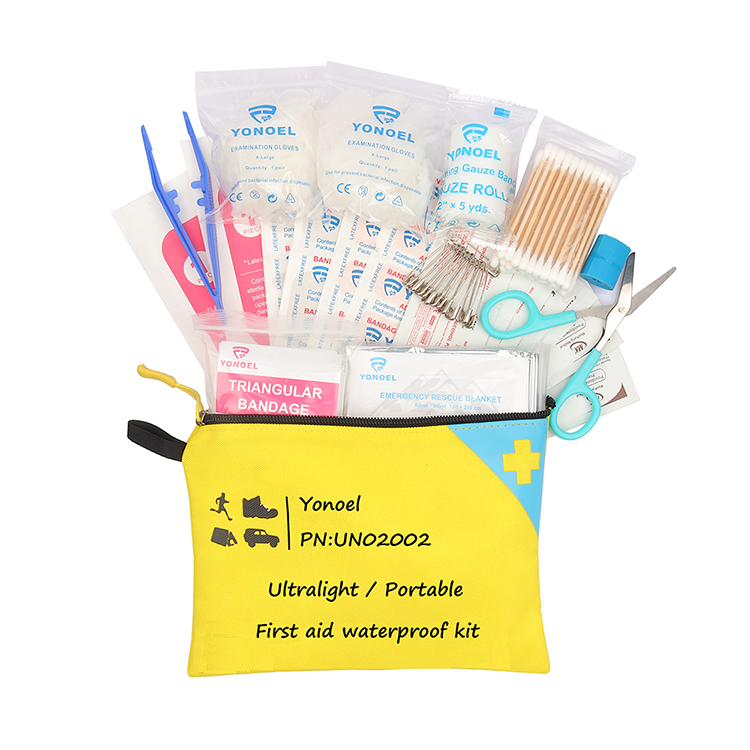
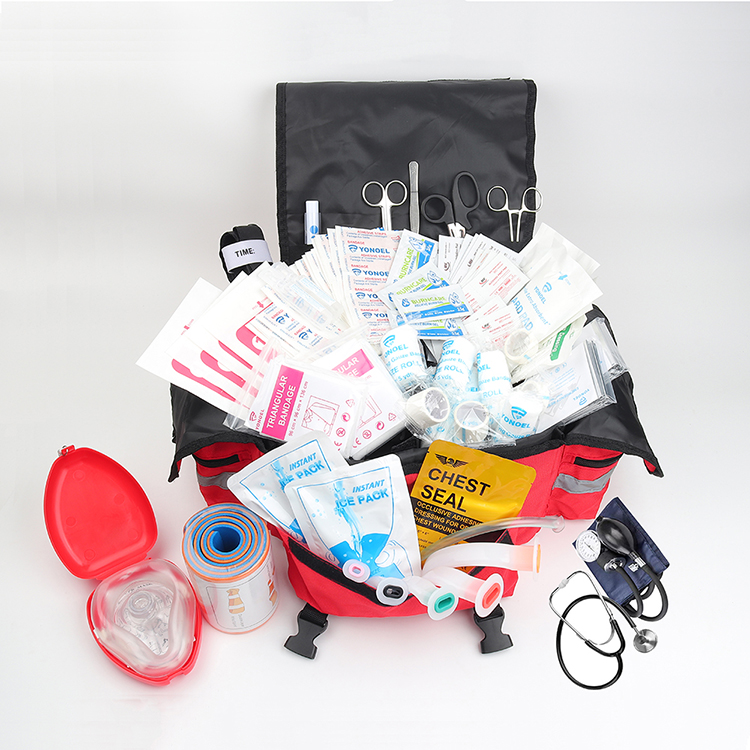
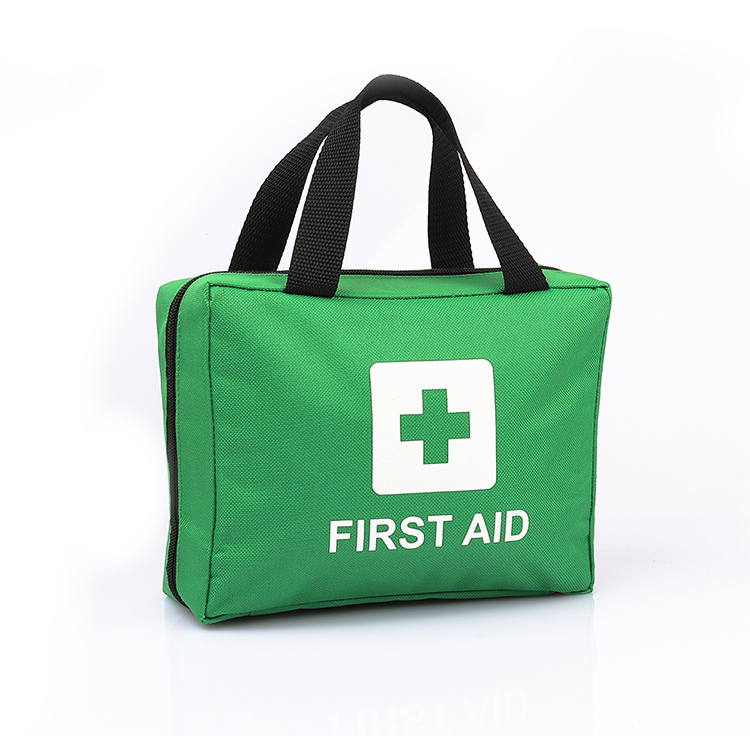
When pulling together supplies for a senior first aid kit gift, the factory behind the items affects how well everything holds up and works. Yonoel runs a dedicated operation producing first aid essentials with focus on practical materials and user-friendly designs. Their setup prioritizes components that suit elderly care, offering ease of handling and steady quality.
Families and caregivers assembling thoughtful kits find Yonoel provides solid options for common and customized needs. This factory delivers products aligned with safety and comfort priorities in senior living, bringing value through reliable manufacturing and attention to real-world use.
No. 52, Hulian West Street, Jiangbei Street, Dongyang City, Jinhua City, Zhejiang Province, China
Quick Links
Product Center
Contact Us
 PRIVACY

 English
 Deutsch
 Français
 русский
 Español