Combat military first aid kits get dragged through mud, thrown into packs, and left out in rain or blistering sun. Soldiers grab them when someone's bleeding or hurt bad, so the kit can't rip open or let supplies get ruined at the worst time. Factories build them to take punishment—drops from vehicles, scrapes against rocks, or squeezes in tight gear—while staying light enough not to drag a troop down. The fabrics, plastics, and hardware decide if the kit lasts a few missions or the whole tour. Good ones keep bandages dry, tourniquets handy, and tools from bouncing loose. Durability means surviving the daily grind of patrols, training, or sudden chaos without falling apart.
The field often patch kits with whatever's around—tape, cord, or even boot laces—when small tears show up, but starting with solid builds cuts down on those fixes. A kit that stays sealed and organized saves precious seconds when applying pressure or starting an IV under fire.
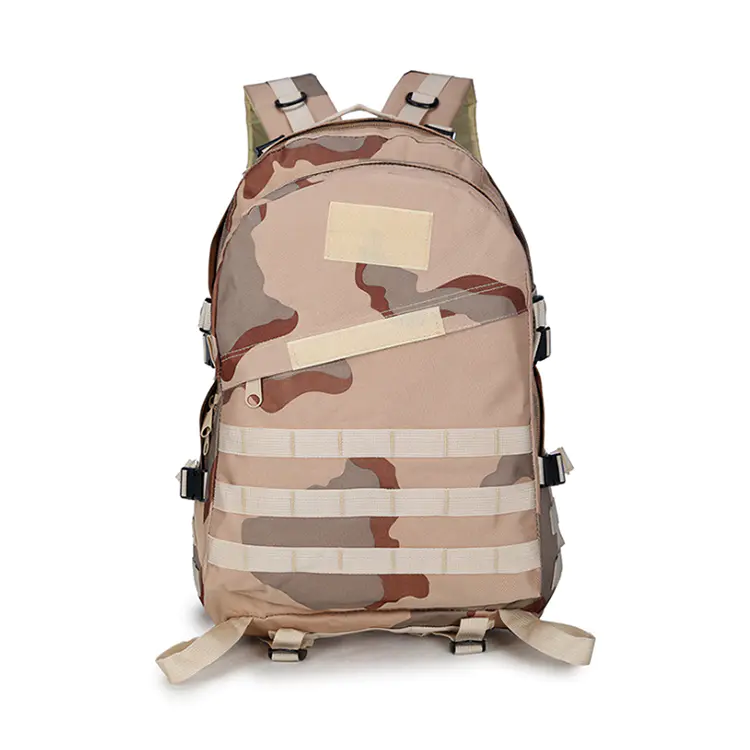
Factories go for materials that shrug off tears and weather without piling on ounces. Nylon packs the outside a lot—it fights rips from branches, pushes water away, and packs down small on vests or belts. Thicker canvas blends show up when extra shield is needed against sharp edges, letting some air through so damp doesn't trap inside.
Hard plastic cases or inner trays use tough polymers that bounce back from hits without cracking. Zippers and clips come from metals that don't rust fast in sweat, salt air, or blood. Rubber rims seal pockets to keep sand or puddles out of sterile gauze and needles.
Foam liners hug fragile bits like vials or shears, stopping them from knocking around. Straps get leather tabs for wet-hand grip. Factories double-stitch or melt-seal layers so the kit moves as one unit, ready for quick yanks in the dark or under fire. Mixing nylon shells with padded insides and solid hardware gives packs that handle rough hauls day after day without seams blowing or shapes warping. Some kits add reflective patches inside lids for low-light rummaging, while outer loops let troops hang extras like gloves without overloading the main bag.
Plenty of everyday field stuff wears these kits down quicker than you'd think. Weather chews hardest—sand jams sliders, rain sneaks past worn coatings, sun bakes plastics stiff. Factories slap on repellents, but nonstop exposure still grinds things.
Bumps from jumps or explosions dent shells or snap overloaded straps. Cramming kits into crammed rucks creases fabric over weeks. Pulling open for drills or real calls rubs fasteners raw fastest.
Sweat, spilled fuel, or blood spots eat surfaces if left sitting. Hot truck storage fades colors and cracks rubber. Lopsided heavy items inside tug one side harder, stretching stitches.
| Factor | How It Wears Things Down | Ways Factories Fight It |
|---|---|---|
| Weather Exposure | Fades colors, weakens coatings | Water-repellent treatments, sealed edges |
| Impacts | Dents plastics, tears fabric | Padding, reinforced corners |
| Frequent Use | Grinds zippers, loosens stitches | Heavy-duty hardware, double seams |
| Storage Habits | Creases or compresses materials | Flexible builds for tight packing |
| Chemical Spills | Corrodes metals, degrades rubber | Resistant alloys and gaskets |
Keeping an eye on these and treating kits decently adds months of solid use. Units that rotate kits between troops spread wear more evenly, while marking personal ones avoids mix-ups in shared storage.
Smart factory touches make kits tougher without extra bulk. Snap-off pouches let troops swap sections clean without yanking the whole bag. Extra stitching at corners stops tears where rubbing hits most.
Webbing sewn straight in hooks to vests or packs spreads pull so no spot takes all the strain. Pull tabs open zippers smooth without chewing teeth. Stretch loops inside clamp tools tight—no rattles or pokes through walls.
Camo dyes stick through sun and scrubs. Padded grabs cut accidental drops. Tiny breath holes let steam out but block dust. Flaps that overlap double up against grit sneaking in.
These bits keep everything organized and whole through long hauls, vehicle jolts, or sudden scrambles, so supplies stay right where they're supposed to when needed fast. Drain holes in bottom seams let accidental water run out, and glow tabs on pulls help locate the kit in blacked-out conditions.
Factories hammer prototypes to prove they'll survive real punishment. They drop packs loaded from shoulder height to check cracks or spills. Dunk tests see if water creeps past seals. Scrub machines grind fabric against rough stuff like concrete or brush.
Shake rigs copy bumpy rides, making sure nothing loosens or breaks free. Hot and cold boxes cycle temps to spot stiff or soft spots. Chemical baths test reaction to fuel or cleaners troops run into.
Tug machines pull straps to failure point, finding weak links for beefing up. Pressure blasts push seams till they pop, guiding extra rows of stitches. Factories jot down every break to tweak the next run.
Troop reports from exercises feed back—maybe a buckle sticks in mud, so they swap types. This loop turns out kits that hold up when lives ride on them. Some factories even run live-fire proximity tests to mimic blast overpressure on shells.
Basic field care stretches kit life big time. Wipe mud or blood off the shell with a wet rag and air dry to kill mold chances. Brush sand from zipper teeth so they slide smooth.
Top off used stuff quick and bag extras airtight. Eye rubber lips for splits and swap if cracked. Don't cram past full to save seams from popping.
Lay flat or hang in shade at base, out of direct bake. Run a quick check before heading out for frayed threads or sticky pulls. Little routines like these keep the kit trustworthy mission after mission. Units often assign one person per platoon to inventory and clean kits after big ops, catching small issues before they grow.
Factories tinker with newer stuff to toughen kits without weighing more. Tighter weave fibers rip less while staying breathable. Coatings that laugh off harsher chemicals guard longer in messy spots.
Patches that close tiny holes on their own fix small battle damage. Lighter blends swap some metal for same strength. These steps aim at packs handling tomorrow's rougher rides.
Smarter cushion foams protect better ounce for ounce. Factories run field trials to see what really pays off. Some prototypes add antimicrobial threads to fight bacteria in humid climates.
A kit that doesn't quit means troops get care fast when it counts—no wrestling broken closures with gloves on. Reliable builds let medics focus on the wound, not the pack.
During drills, tough kits take the repeat abuse, saving cash on fresh ones. Supply lines stretch further when gear lasts longer in far spots. Solid materials back the whole save-a-life chain from front to rear. When kits hold up, units move with more confidence, knowing immediate aid won't fail them.
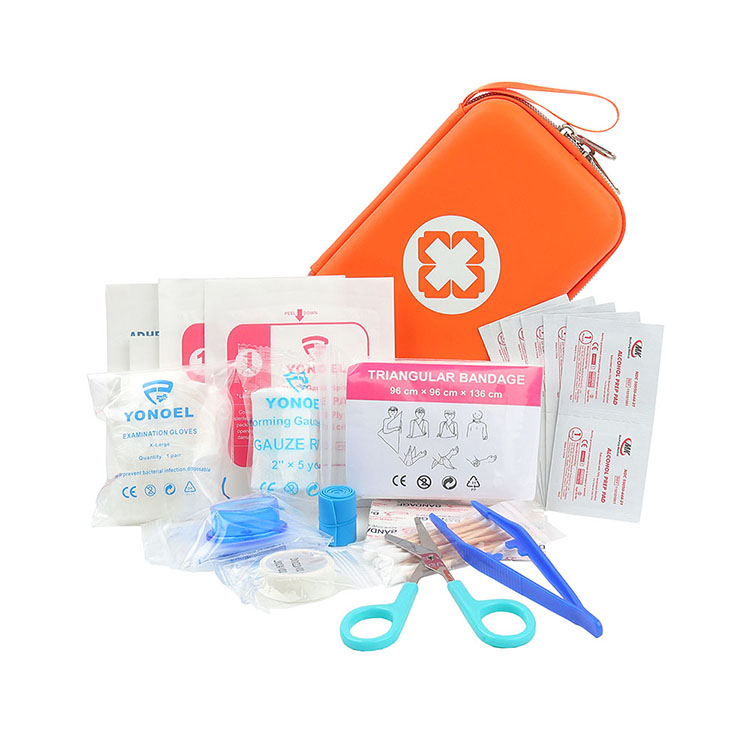
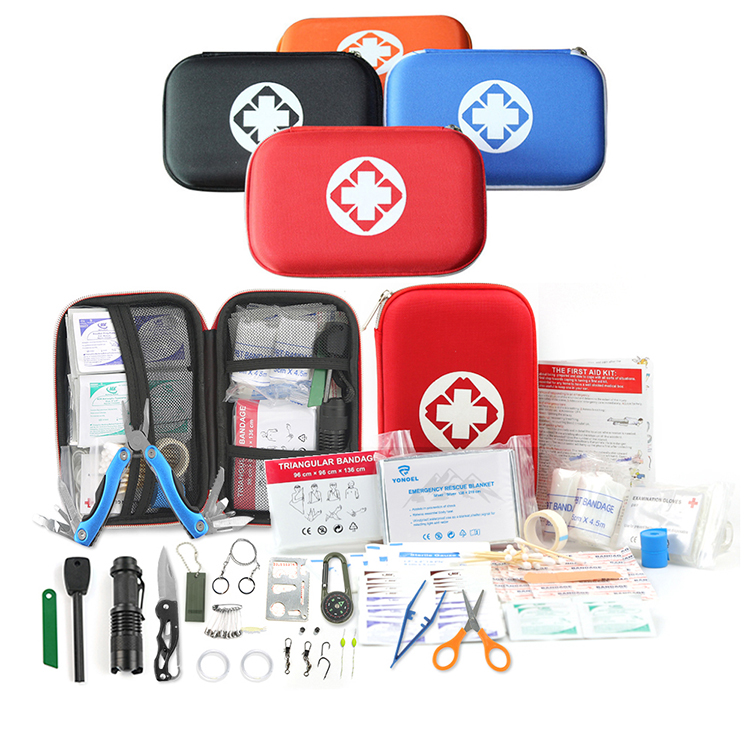
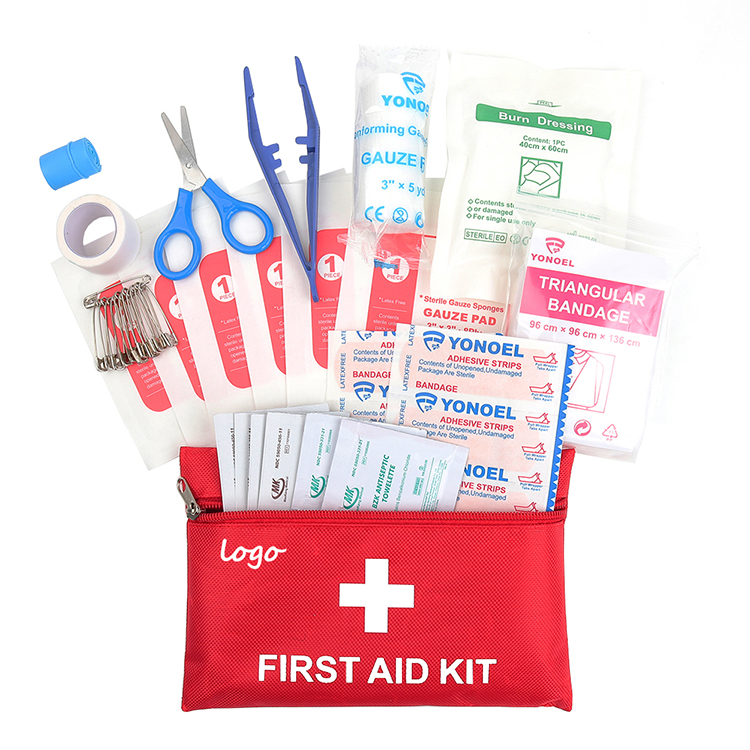
When picking materials and construction for combat military first aid kits, the factory's hands-on approach decides real field performance. Yonoel runs a focused shop turning out these kits with emphasis on hard-wearing fabrics and solid fittings. Their line stresses practical picks and tested builds to match military grind.
Units hunting dependable gear find Yonoel delivers kits ready for operational punishment. This factory sticks to steady quality in parts and assembly, backing durability through no-nonsense production.
No. 52, Hulian West Street, Jiangbei Street, Dongyang City, Jinhua City, Zhejiang Province, China
Quick Links
Product Center
Contact Us
 PRIVACY

 English
 Deutsch
 Français
 русский
 Español