First aid boxes sit quietly in corners of offices, factories, workshops, or hotel backrooms, but they step up when things go wrong—a cut from a tool, a burn in the kitchen, or someone feeling faint after a long shift. Businesses keep them stocked because regulations require it, but more importantly, because they show care for the people on the floor. Picking a manufacturer for these kits isn't just about filling a shelf; it's about making sure the supplies are there when needed and easy to use in a rush. Safety officers know that a well-stocked, sturdy box can calm nerves during an incident and help get someone back on their feet faster. I've seen crews on construction sites grab a kit without hesitation because they trust it's got what they need—no fumbling around for missing scissors or expired pads. One foreman told me his team started reporting minor stuff more after they got decent kits, because they weren't worried about digging through a mess.
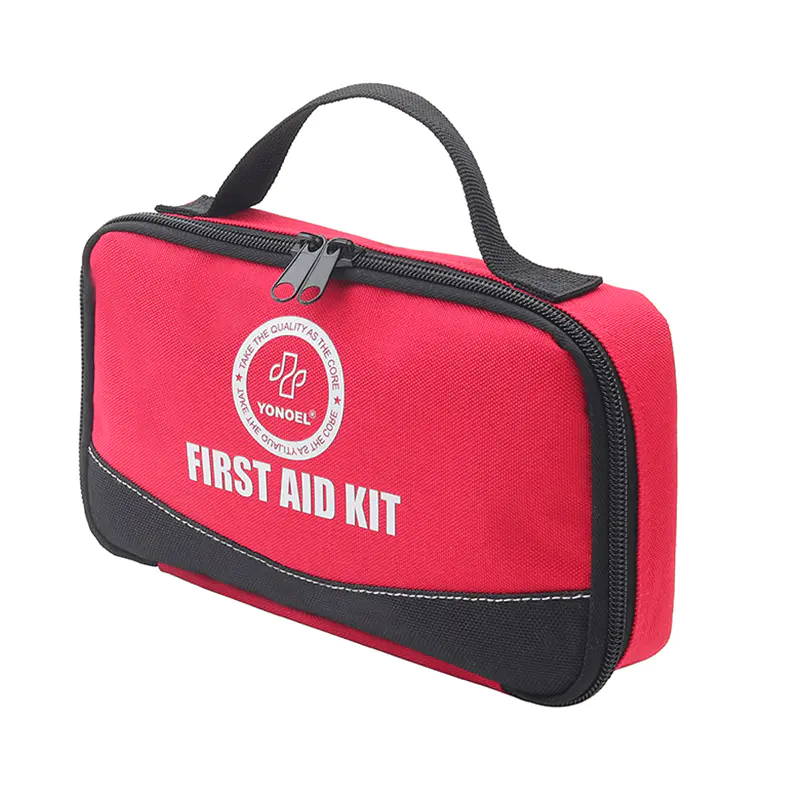
Managers often juggle a lot when sourcing kits. They need boxes that hold up to knocks, contents that stay fresh, and pricing that fits budgets without cutting corners. A mismatched supplier can mean kits arriving late, items missing, or cases cracking after a few months on a warehouse wall. On the flip side, a steady manufacturer becomes part of the safety routine, delivering kits that teams trust. Warehouse foremen or hotel housekeepers appreciate when boxes open smoothly and everything stays in place, even after being moved around. In one factory I visited, the safety guy said switching to better kits cut down on small injuries going untreated because people actually used them. This piece walks through practical points to weigh when choosing one, based on what works in real workplaces—from small shops to big sites with dozens of locations. Talking to folks who've dealt with suppliers helps spot the ones that deliver without drama. A quick chat with a contact can save months of headaches later.
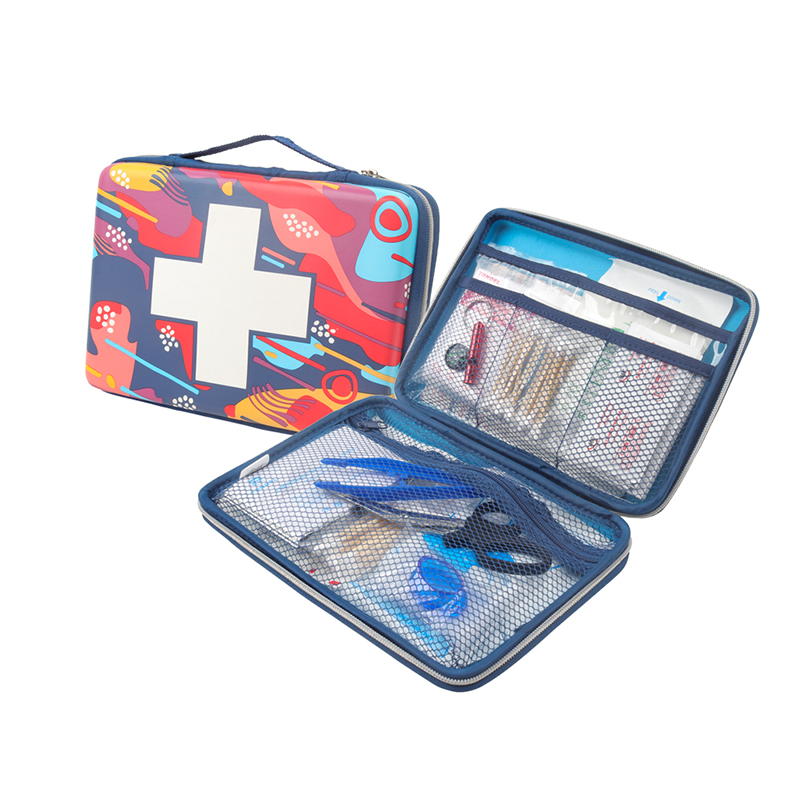
Quality shows up in the details. Boxes made from tough plastic or metal take the bumps of daily life—getting knocked off walls or tossed in vans during site visits. Inside, dividers keep bandages from mixing with scissors, so grab-and-go stays simple even when hands are shaking. A good latch clicks shut firmly but pops open without a fight. I've pulled on cheap ones that snapped right off.
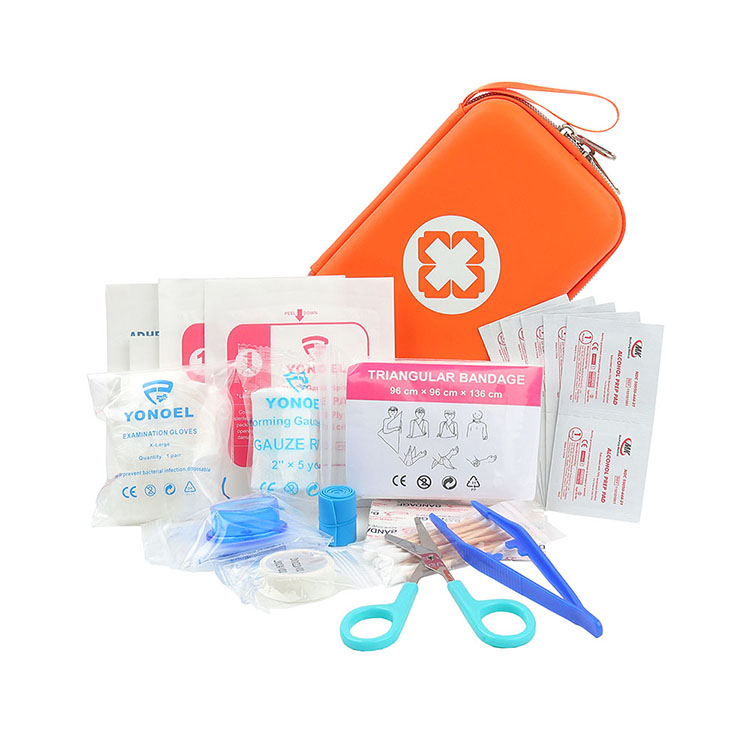
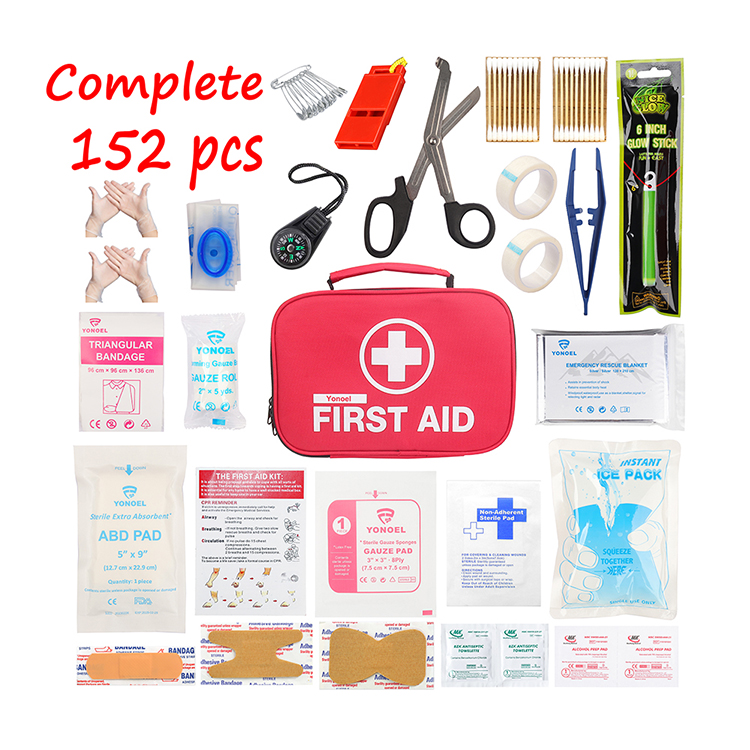
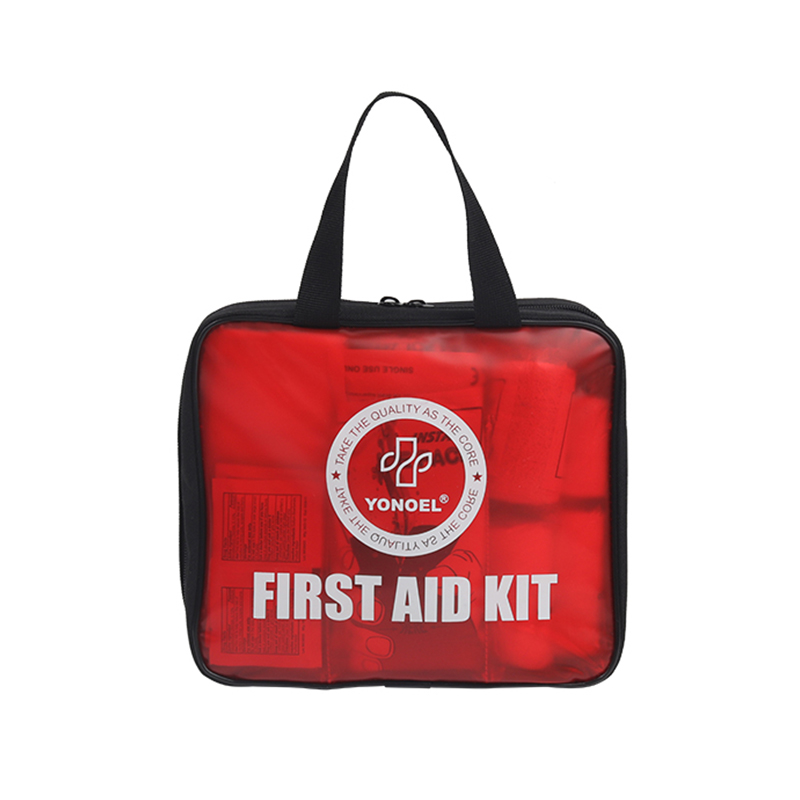
The supplies themselves matter just as much. Bandages that stick well, gloves that fit without tearing, antiseptics that don't dry out—these come from manufacturers sourcing solid stock. Ask for samples to feel the weight and check closures. Latches that snap firmly but open easily make a difference when seconds count in a busy kitchen or on a construction floor. Some boxes come with seals that show if someone's tampered or just checked inside. Clear lids are handy too—you glance and see if stock is low without opening everything.
Wall-mount kits or portable ones need brackets or handles that don't bend under weight. Manufacturers paying attention to these touches produce boxes that stay put in vehicles or on site. Some add clear lids so you can see stock levels without opening, helping maintenance crews spot when it's time to reorder. Reflective strips or glow-in-dark labels help in dim storage rooms or night shifts. Little things like that come from makers who've listened to feedback from the field.
| Quality Area | Practical Check | Real-World Impact |
|---|---|---|
| Case Durability | Drop or shake test | Survives knocks in busy spots |
| Content Organization | Open and rummage | Quick finds during stress |
| Closure Security | Tug and pull | Keeps items inside until needed |
| Supply Freshness | Check packaging seals | Ready when opened |
Rules around first aid vary by industry, but the basics stay the same—have the right stuff ready. Manufacturers familiar with workplace safety guidelines build kits that tick those boxes without extras you don't need. Safety coordinators breathe easier knowing an inspector won't flag missing items. In food plants, for example, kits often include blue bandages that show up on scanners if they fall into product.
Ask for paperwork showing the kits line up with common standards. This saves headaches during inspections or audits. For places handling food or chemicals, extra items like eye wash or burn gels come standard from experienced makers. Factories that include these proactively show they understand different work environments. They've probably heard from customers about what gets used most and adjusted accordingly.
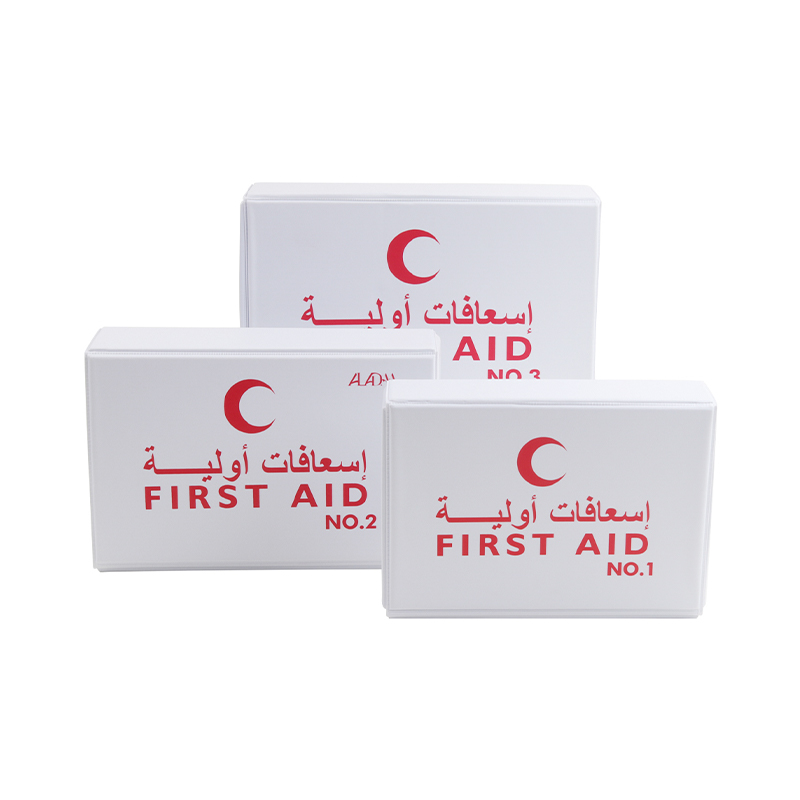
Language on labels matters too—clear instructions in the languages your team uses. Factories that include these from the start avoid last-minute fixes or sticker additions on site. Pictures alongside words help when time is short or literacy varies.
One size rarely fits all businesses. A construction site might need more wound dressings and splints for cuts or strains, while an office leans toward basics like plasters and pain relief for headaches or minor falls. Good manufacturers let you tweak contents to match risks identified in your own assessments. They might suggest additions based on what they've seen in similar places, like ice packs for warehouses with heavy lifting.
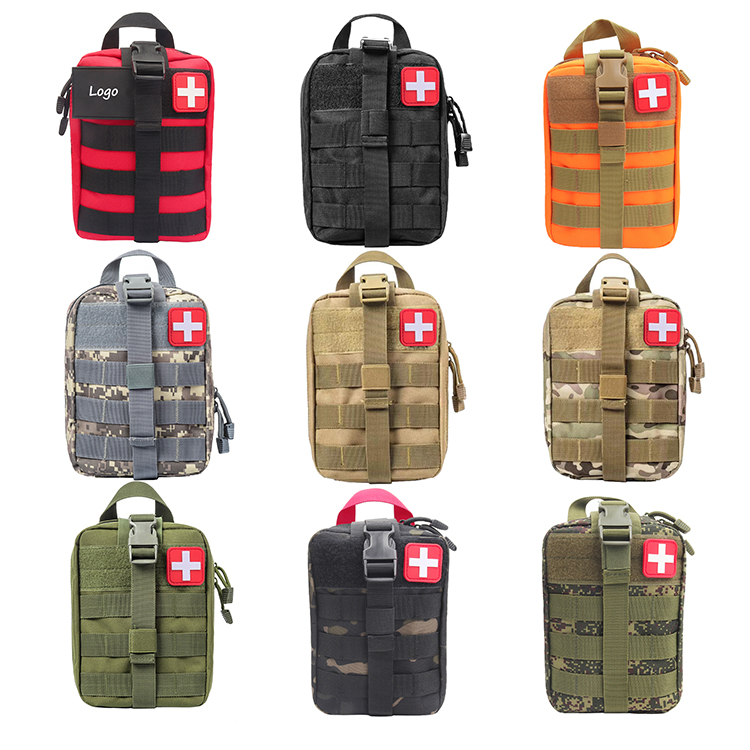
Box colors or logos help—red for visibility or company branding for familiarity during training sessions. Portable bags for field workers who move between jobs, or wall units for fixed spots like break rooms—flexible makers offer both without fuss. Vehicle kits with straps keep things secure on bumpy rides. I've seen service vans where kits bounced loose until they got proper mounts.
Small runs for custom orders suit businesses testing new sites or branches. Larger volumes with branding work for chains rolling out uniform safety gear across locations. Some even add reflective strips for low-light areas like parking garages or night shifts. Custom pockets for specific tools, like scissors for childcare centers, come from makers who ask the right questions upfront.
| Tailoring Need | Why It Helps | Manufacturer Flexibility |
|---|---|---|
| Content Adjustments | Matches specific hazards | Ability to add/remove items |
| Box Style Choices | Fits location | Wall, portable, or vehicle types |
| Branding Additions | Builds team recognition | Logo printing or color matching |
| Order Size Range | Scales with business | Small trials to bulk runs |
Can the factory deliver when you need more? Steady production means no long gaps between orders. Ask how they handle rushes—like when you open a new branch quick.
Talk turnaround times and how they juggle busy seasons. Ones holding some stock or running extra shifts stay reliable. Shortages in supplies happen; makers with backup sources ride them out better.
Packing for shipping counts—kits showing up dinged waste time. Good nesting saves your storage space too.
Multi-site places need the same kit everywhere for simple training. Consistent runs from one maker keep that straight.
Quotes look different, so add everything up. Base price plus freight, duties if far away, refills down the line. Bit more upfront sometimes saves if the kit lasts longer.
Bigger orders usually drop the per-kit price—good for spreading across locations. Refill packs from the same place make topping up easy.
Watch for extras like setup fees for logos. Clear lists stop surprises. Some bundle wall hooks or signs, nice bonus without separate buys.
Locking rates for a year helps when other costs jump.
Good service makes dealing easy. Fast answers to questions—stock check or change request—keep trust. Nothing drags like waiting days for a reply when you're low.
Point person for bigger accounts remembers your usuals, like extra gloves in large. Tips on mounting or lists show they get real use.
Handling defects quick matters—kits sit months but must work first pull. Taking feedback and fixing, like adding something folks ask for often, feels like they're listening.
Lots of places track impact now. Makers with recyclable cases or less packing wrap fit that. Refill options cut new plastic each time.
Fair sourcing for contents avoids shady chains. Open about it helps when you report up the line.
Chat with their customers in your line. How's delivery hold up? Kits stand the test in damp or dusty spots?
Shows or group talks give off-the-cuff opinions. Steady good word means they don't drop balls often.
Dropping In or Checking Papers
Tours show the real deal—tidy lines, careful packing, folks knowing their jobs. Spot if they care day to day.
Outside checks back up claims on standards. Welcoming ones usually stand confident.
Good ties bring first dibs on stock when tight or planning together for new stuff. Catch-ups keep kits matching changing risks, like more sun cream for outside crews.
Knowing your habits—like certain sizes—makes orders smooth emails.
Picking a first aid box manufacturer boils down to solid builds, rule fits, custom touches, reliable supply, fair costs, good talk, green practices, and real reputation matching your operation. Spend time here and you get kits backing safety quiet-like, letting everyone get on with the job. Partnership that works feels natural, just there when needed.
Yonoel operates as a manufacturing factory producing first aid boxes for various business settings. The factory focuses on durable cases and organized contents to meet workplace requirements.
Yonoel provides customization for industry needs and branding, with production aimed at consistent supply and quality. Businesses selecting Yonoel receive kits that fit operational demands and safety protocols.
No. 52, Hulian West Street, Jiangbei Street, Dongyang City, Jinhua City, Zhejiang Province, China
Quick Links
Product Center
Contact Us
 PRIVACY

 English
 Deutsch
 Français
 русский
 Español