A first aid kit in the car is one of those things most people have, but few think about until something happens—a flat tire leaves a scraped knuckle, a passenger gets carsick on a winding road, or a minor fender bender causes small cuts. When the kit is packed properly, handling these moments becomes straightforward. Items come out quickly, and the situation stays under control.
Drivers often keep a basic box in the trunk or glove compartment, but the way it's arranged makes a real difference. Easy-to-find supplies save time when nerves are already on edge. A well-thought-out kit stays compact, doesn't rattle around during drives, and protects contents from heat or dampness. This kind of setup supports general vehicle safety habits and gives a sense of preparedness for everyday trips or longer journeys.
Families taking kids on outings appreciate having bandages and tummy relief close at hand. Delivery or commercial drivers value a kit that matches their daily routes and possible stops. Ride-share operators can include extras for passengers. Commuters on long highways might focus on headache or strain relief, while rural travelers lean toward items for longer waits.
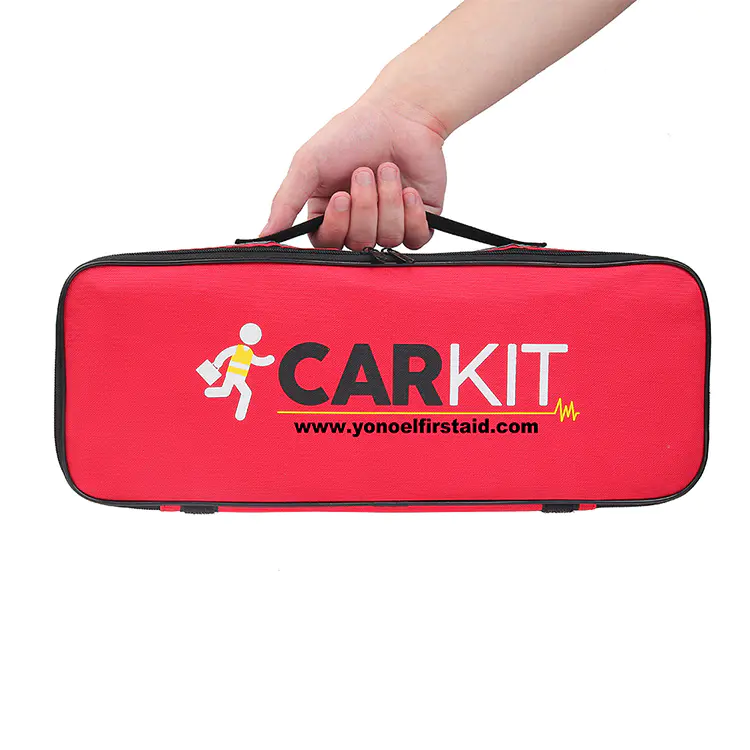
The sections below cover straightforward ways to choose supplies, arrange the kit, pick a container, and keep it maintained. These approaches fit different driving needs, from short city runs to cross-country hauls.
Start with supplies that cover typical road issues. Group them to make packing and finding easier.
Wound care handles cuts or scrapes from tire changes or small incidents. Adhesive bandages in various sizes, gauze pads, antiseptic wipes, roller bandages, and tape allow cleaning and covering. These prove useful for hand injuries from roadside work or package handling.
Medications address travel discomforts. Pain relievers for aches, antacids for digestion, antihistamines for reactions, motion sickness options for passengers. Tweezers remove splinters. Rural routes benefit from insect bite focus. Long drives include alertness aids.
Tools support application. Disposable gloves for hygiene, scissors for materials, thermal blanket for temperature waits, CPR face shield for serious cases. These enable intervention away from help.
Additional supplies add flexibility. Saline for rinsing, notepad and pen for notes, flashlight with batteries for darkness. Multi-tools serve dual purposes.
| Group | Items | Main Role |
|---|---|---|
| Wound Care | Bandages, gauze, wipes, tape | Clean and cover |
| Medications | Pain relief, antacids, allergy, sickness | Handle discomfort |
| Tools | Gloves, scissors, blanket, shield | Aid treatment |
| Additional | Saline, notepad, light | Rinse, record, illuminate |
Arrangement drives usefulness. Containers with sections separate groups. Place common items like gloves and wipes in front spots. This setup aids fast action at roadside.
Label sections for clarity. Transparent cases permit checks without opening. Resealable bags contain small pieces, stopping scatter from motion.
Layer contents: immediate needs top, medications middle, larger items bottom. Bands or pockets hold extras. Limited space vehicles suit folding formats.
Secure the kit in reachable spots—trunk sections or under seats. Avoid heat extremes or luggage piles. Reorganize after trips or scheduled looks.
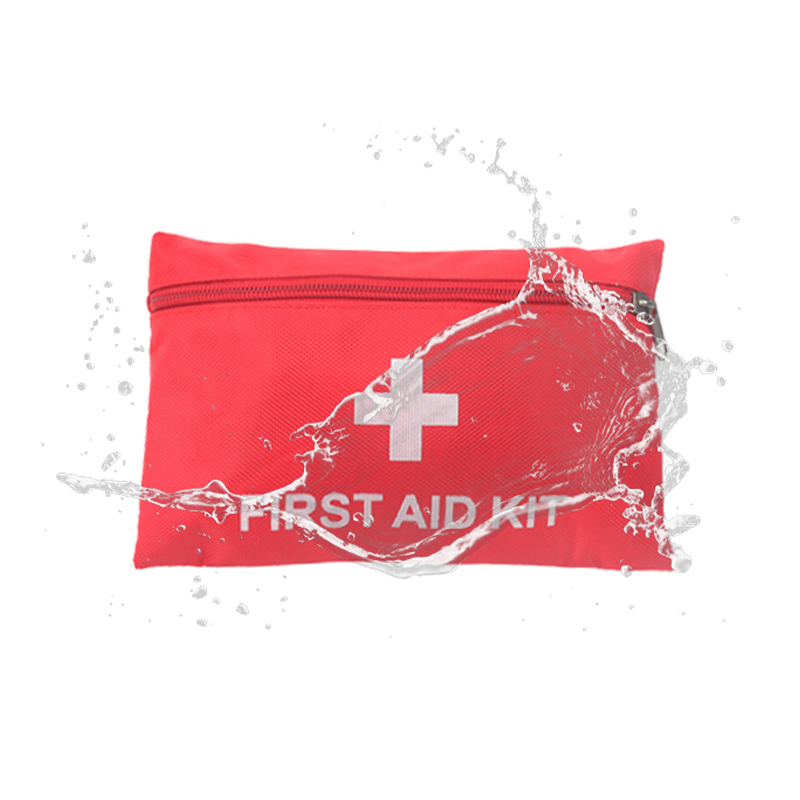
Containers affect handling and safeguarding. Sturdy builds withstand motion, tight lids stop spills. Hard options protect and stack, soft ones fit odd areas. Resistant materials handle wet conditions.
Capacity matches vehicle—small for compacts, larger for vans. Grabs like handles speed removal. Air flow prevents moisture.
Vehicle trials confirm reach from seats. This checks practical fit for commuters or group travel.
Maintenance keeps the kit functional. Inspections replace used or outdated supplies. Clean as required for dust removal.
Restock per patterns, extras for common depletions. Seasonal shifts add relevant items. Moderate storage zones preserve condition.
Shared reviews involve users for familiarity. This builds readiness.
Adjust for frequent scenarios. Maintenance tasks need hand items front. Reactions require marked antihistamines. Extremes call for thermal pieces close.
Family outings include varied sizes. Commercial prioritize multi-user. Route and passenger types guide focus.
Logical setup and practice promote effective handling.
| Situation | Key Items | Placement |
|---|---|---|
| Maintenance | Gloves, bandages | Front access |
| Reactions | Antihistamines | Labeled meds |
| Extremes | Thermal blanket | Thermal section |
| Group Travel | Varied sizes | Dedicated area |
Multi-tools for tasks. Lighting clips for dark. Inner protectors for sensitive. Lists inside for stock.
Roll formats for space. Reflective for visibility. Contact cards for references. Mirrors for checks.
Adding a few extra items can make the roadside first aid kit more versatile without taking up much space. A multi-tool with pliers, knife, and screwdriver handles small repairs alongside medical tasks, such as cutting seatbelts or opening packages. Clip-on LED lights attach to the box or clothing for hands-free illumination during nighttime emergencies, proving useful when changing a tire in the dark or checking injuries under low light.
Waterproof inner bags or pouches protect sensitive supplies like medications or electronic items from spills or rain if the trunk gets wet. An inventory checklist taped inside the lid serves as a quick reference for restocking, listing common items and leaving space for notes on expiration dates.
Include multi-purpose tools for cutting or signaling. LED lighting attachments support nighttime use. Waterproof inner organizers protect sensitive supplies. Inventory checklists taped inside lids simplify restocking.
Compact roll-style kits conserve space in limited storage areas. Reflective elements on the container improve visibility during roadside stops. Emergency contact cards provide quick reference numbers. Some kits incorporate small mirrors for signaling or self-inspection. Seatbelt cutters add utility in entrapment scenarios.
Review kit contents with regular users to ensure confidence in application. Periodic practice reinforces location and access procedures. Update familiarization when modifying the kit to maintain effectiveness. Sharing experiences among drivers or family members strengthens collective preparedness. Many find brief demonstrations during vehicle maintenance routines effective for retention. Written guides supplement hands-on sessions.
Balance expenditure with functionality. Pre-assembled kits provide convenience, while custom builds allow precise control. Refill packs reduce long-term costs. Bulk purchases benefit multi-vehicle setups. Investing in quality containers extends overall kit lifespan, offering better value over repeated replacements. Budget allocation for periodic updates ensures sustained readiness.
Content reviews build confidence. Practice reinforces access. Updates maintain relevance. Shared input strengthens group readiness.
Efficient roadside car first aid kit packing centers on item choice, arrangement, container selection, and maintenance. These create dependable support for road incidents, promoting prepared travel.
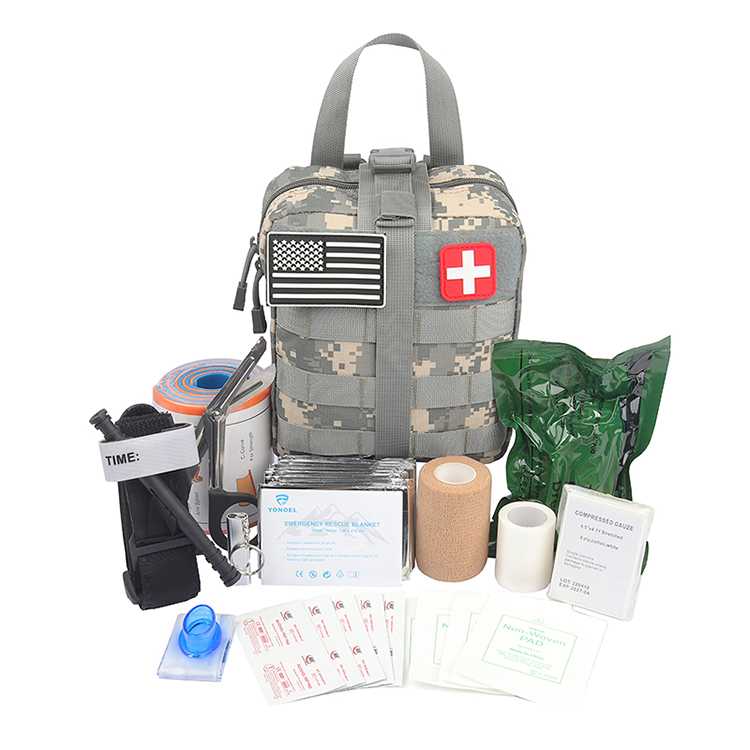
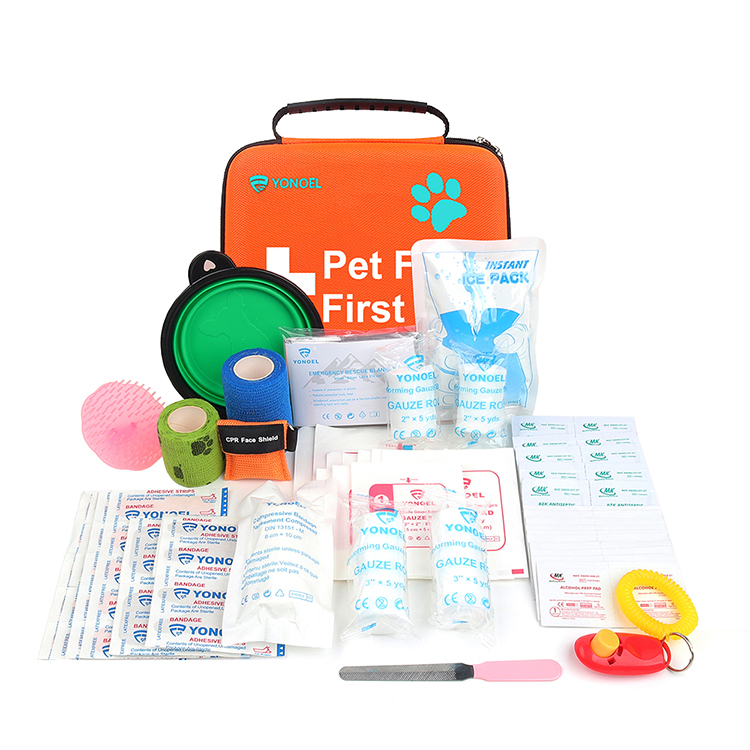
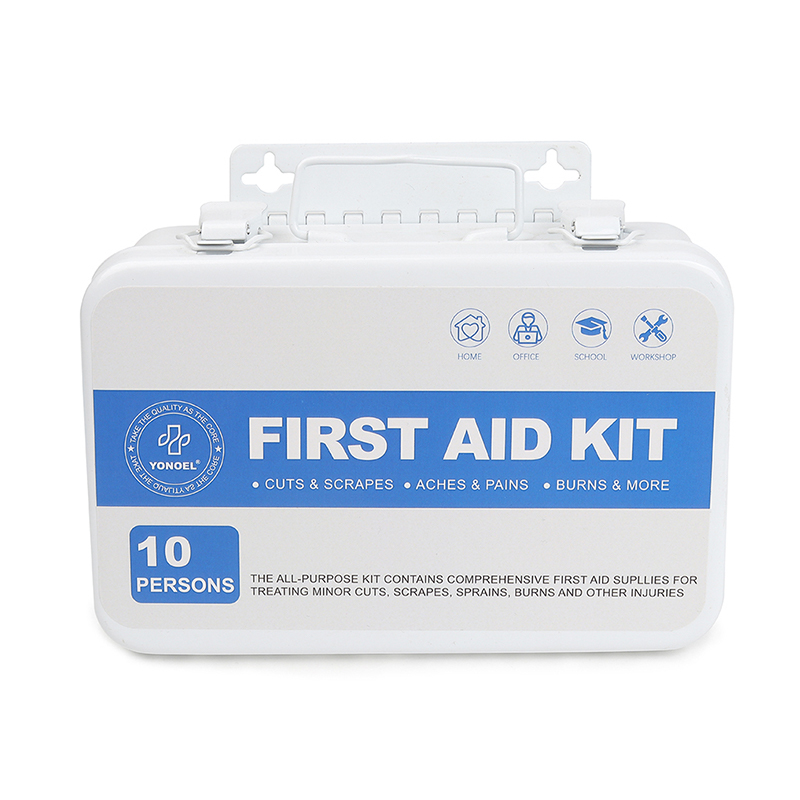
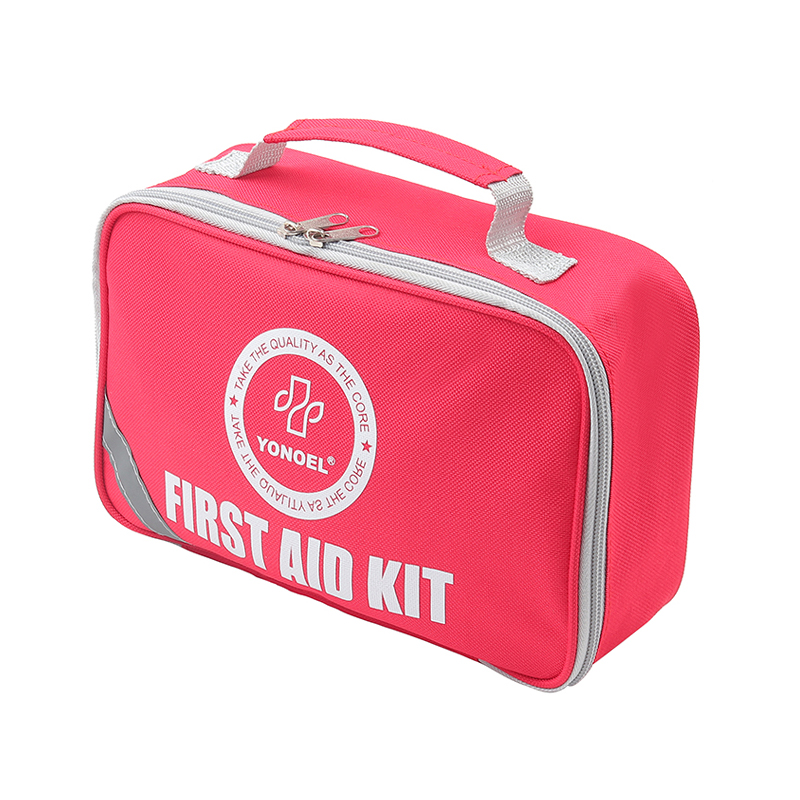
Yonoel operates as a manufacturing factory producing first aid boxes suitable for various applications, including vehicle use. The factory emphasizes durable construction and practical organization in its designs.
Yonoel offers options for customization and content selection, with production processes focused on quality and reliability. Vehicle owners and businesses selecting Yonoel receive kits that support safety needs in mobile settings.
.jpg)
No. 52, Hulian West Street, Jiangbei Street, Dongyang City, Jinhua City, Zhejiang Province, China
Quick Links
Product Center
Contact Us
 PRIVACY

 English
 Deutsch
 Français
 русский
 Español