Riding a motorcycle means dealing with the road in a very direct way. No roof overhead, no doors to shield you, just you, the bike, and whatever the weather or traffic throws at you. That exposure makes even small accidents feel bigger than they would in a car. A simple slide on loose gravel can leave road rash covering an arm or leg. A low-speed tip-over might twist a wrist or ankle. Heat from long summer rides drains energy fast, while sudden cold snaps bring shivering that affects control. A roadside first aid kit built with motorcycles in mind gives riders the tools to manage those situations right there on the spot, before help arrives or before riding becomes impossible.
Most car first aid kits assume you have a trunk full of space. They come in bigger boxes with lots of extras that sound useful but weigh down a bike and take up room needed for tools, spare parts, or clothes. Motorcycle riders need something different—small, tough, light, and easy to reach without unloading half the luggage. The best options balance real coverage for common bike injuries with the hard limits of two-wheel storage. This article walks through what riders actually need, how to store it sensibly, ways to customize for different kinds of riding, and simple habits to keep the kit ready when it counts.
The freedom of riding comes with trade-offs. When something goes wrong, you can't just pull over into a safe parking lot and wait comfortably. Many roads, especially the scenic ones riders love, sit far from towns or hospitals. Cell signal drops in canyons or mountains. Emergency services might take thirty minutes or longer to reach you. In that window, basic first aid can stop bleeding, reduce pain, prevent infection, or keep shock from setting in.
Road rash ranks high on the list of frequent issues. Asphalt tears skin, embeds dirt, and leaves open wounds that sting and bleed. Without cleaning and covering them quickly, infection risk climbs fast. Sprains happen from awkward landings or sudden stops. Dehydration sneaks up during hot rides, causing dizziness or cramps that make staying upright harder. Bug strikes to the eyes, even through a visor crack, can blind a rider temporarily. A kit addresses these directly.
Group riding adds another layer. If one person goes down, others can help, but only if someone carries supplies. Sharing one solid kit among a few riders cuts weight while spreading the safety net. Some riders even rotate who carries it on different legs of a trip. Preparedness like this keeps minor problems from turning into ruined weekends or worse.
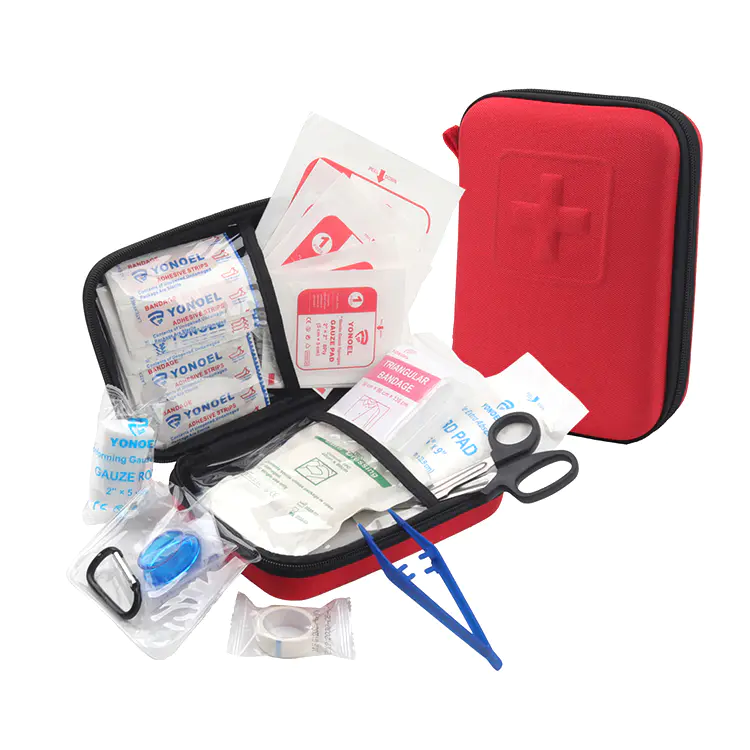
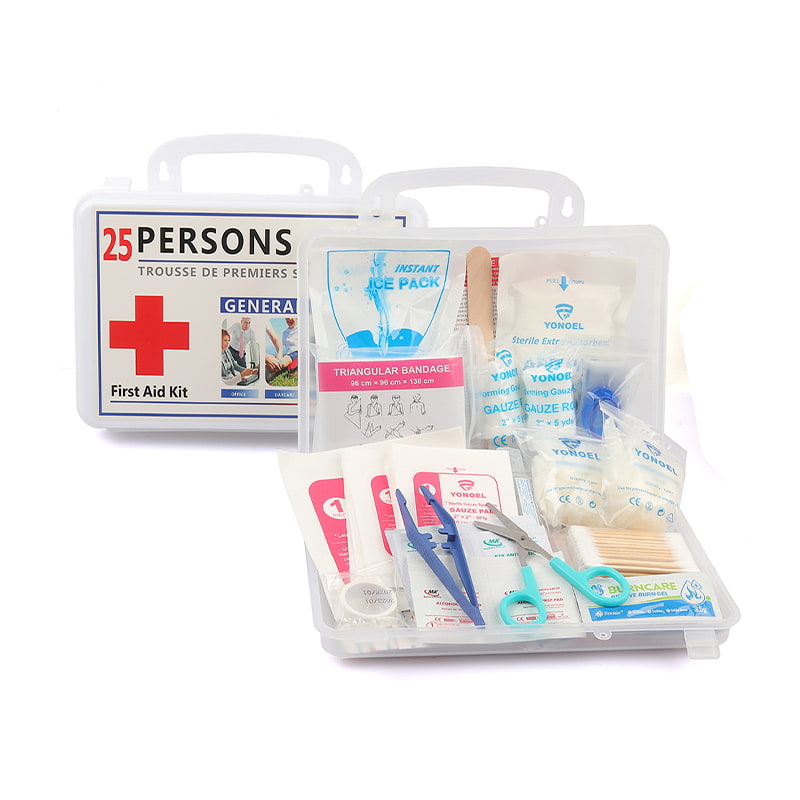
Start with the basics everyone needs. Adhesive bandages in multiple sizes handle small cuts and blisters from long grips or boots. Larger non-stick pads cover road rash without sticking to raw skin. Gauze rolls absorb heavier bleeding until pressure can control it. Antiseptic wipes or small spray bottles clean wounds on the spot—gravel and dirt make infection almost certain otherwise.
Pain management matters. Over-the-counter tablets ease headaches from wind noise, muscle aches from holding position for hours, or impact pain after a fall. Anti-inflammatory options help with swelling around joints. Tweezers pull out embedded bits of gravel or glass. Blunt-tip scissors cut clothing away from injuries or trim tape. Disposable gloves keep hands clean when dealing with blood or dirt.
Motorcycle-specific additions make a big difference. Blister cushions protect hands from vibration or hot grips on extended rides. A compact emergency blanket reflects body heat in cold weather or after blood loss. Saline eye drops or a small flush bottle clear insects or dust from eyes. Electrolyte packets mixed into water fight dehydration faster than plain drinking. A mini flashlight helps check wounds at night or signal passing vehicles. Reflective strips or a small flag make the stopped bike more visible on the roadside.
Multi-purpose items stretch the kit further. Strong tape wraps sprains or secures loose gear. Small zip ties fix broken luggage straps temporarily. A loud whistle carries farther than yelling in windy or remote spots. Keep things sorted in zip-lock bags or mesh pockets so you aren't digging blindly when hands are shaking.
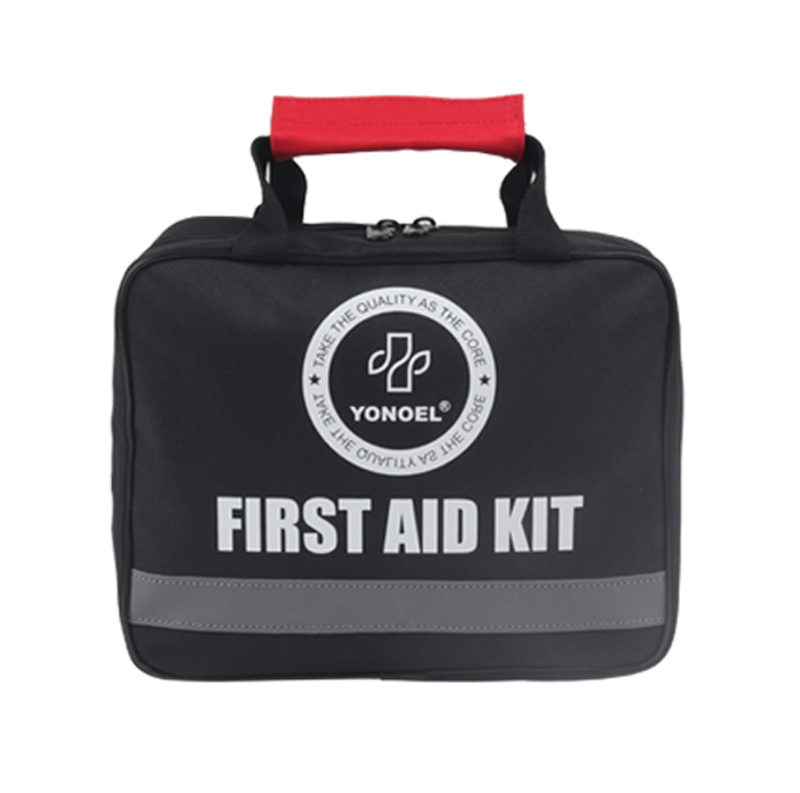
Space is the biggest constraint. Hard-shell cases protect contents from crushing but feel heavy and awkward in a tank bag. Soft pouches made from thick nylon or Cordura fold into tight spots and conform to odd shapes. Many have MOLLE-style straps or D-rings so they clip to frames, sissy bars, or saddlebag lids.
Under-seat storage suits slim, flat kits on bikes with enough room there. Touring models often have dedicated glove-box-style compartments perfect for this. Sport bikes leave less space, so riders lean toward handlebar pouches or magnetic tank bags that stay reachable without dismounting fully. Saddlebags handle larger kits, but weight distribution matters—too much on one side affects steering.
Waterproofing isn't optional. Rain turns supplies into mush if the pouch leaks. Look for sealed zippers, rubber gaskets, or fully coated fabric. Riders in wet climates often double-bag important items like medications. Test the setup on a short ride first—make sure nothing rattles, shifts into the chain, or blocks controls.
Casual riders doing short city loops or weekend jaunts can get by with a basic setup. These usually pack standard bandages, a few wipes, basic pain tablets, and gloves in a pouch no bigger than a wallet. They weigh almost nothing and fit anywhere.
Riders who tour for days, hit gravel roads, or ride in remote areas need more. Advanced kits add things like elastic bandages for compression, instant cold packs, burn cream for hot exhaust contact, or even a commercial tourniquet for serious bleeding. They use tougher materials that stand up to vibration and weather.
| Aspect | Basic Kit | Advanced Kit |
|---|---|---|
| Overall Size | Very small, pocket-friendly | Medium, needs dedicated space |
| Weight | Barely noticeable | Noticeable but still manageable |
| Main Supplies | Bandages, antiseptics, simple meds | Adds compression wraps, burn care, splints |
| Weather Resistance | Basic water-repellent | Fully sealed or heavy-duty waterproof |
| Best For | Daily rides, urban commuting | Multi-day trips, back roads, adventure |
Choose based on how far and how hard you ride.
Supplies go bad if ignored. Pain tablets expire, antiseptics evaporate, adhesive loses grip. Set a reminder to inspect every couple of months. Replace anything past date or showing wear. Wipe tools clean after use—dirt buildup ruins tweezers fast.
Store away from direct engine heat; plastic melts, meds degrade. Humid areas call for moisture absorbers inside the pouch. After an incident, restock immediately—don't ride off thinking you'll do it later.
Match restocking to your habits. Gravel-road regulars need extra gauze and bigger pads. Highway-only riders focus on hydration and fatigue relief. Jot a quick note inside listing what you tend to use most.
Some places list first aid as recommended gear, others tie it to broader safety requirements like hi-vis clothing. Even where not required, it shows you're thinking ahead. Many riding courses include basic first aid practice, which builds confidence using the kit.
On group rides, talk about who carries what. One person handles medical, another tools, a third navigation. Phone apps with offline maps and emergency beacons pair well with physical supplies.
Stay visible—bright jackets, lights, reflective tape on the bike or kit itself reduce crash risk in the first place.
City commuters want fast access for quick fixes—think under-tank pouch with just bandages and wipes. Long-distance tourers pack hydration, blankets, and extra meds for multi-day comfort.
Dirt riders deal with dust, rocks, thorns—go for rugged cases and plenty of wound dressings. Sport riders keep it ultra-light so it doesn't upset balance at high speeds.
Solo female riders sometimes add personal hygiene extras. Families riding two-up include kid-friendly bandages. Adjust for who rides and where.
Summer heat means more emphasis on cooling gels, electrolyte mixes, and sunburn lotion. Winter brings frostbite cream, hand warmers, and extra thermal layers.
Rainy months demand double waterproofing. Allergy season calls for antihistamines. Shift contents as weather changes so nothing sits unused.
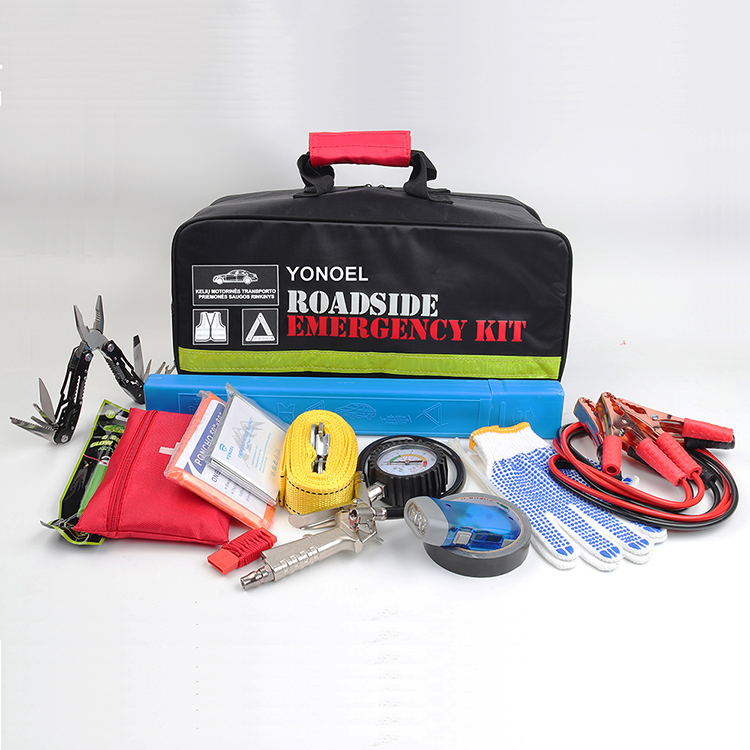
A good roadside setup covers both body and machine. Tire plugs patch punctures. Multi-tools tighten loose bolts. Portable compressors reinflate tires. Cables or battery packs handle electrical issues.
Flares, triangles, or LED markers warn traffic. A charged phone or two-way radio calls for backup. Together, these pieces handle mechanical breakdowns and personal injuries.
Packing too much turns the kit into dead weight. Skip the kitchen-sink approach—focus on likely problems. Buying cheap often means supplies fail when needed.
Not testing fit leads to rattling pouches or lost items. Forgetting practice means fumbling under stress. Train with the kit occasionally so muscle memory kicks in.
The biggest payoff is mental. Knowing you can handle a problem reduces tension on every ride. Quick care often avoids doctor visits or infections that sideline you for weeks.
Helping another rider builds camaraderie in the community. Stories of kits saving rides spread fast. It encourages better habits—better gear, smoother lines, regular bike checks.
Road rash: rinse with water if available, wipe with antiseptic, cover loosely. Sprain: immobilize with tape or wrap, elevate when possible. Dehydration: sip electrolyte mix slowly, find shade. Shock: blanket, feet elevated, calm reassurance.
Mental rehearsal helps reactions stay steady.
Good pouches and cases last years. Reusable containers cut replacement costs. Versatile supplies work at home or on camping trips too.
Over time, it becomes part of the riding ritual—check the kit, top off supplies, roll out confident.
A roadside first aid kit for motorcyclists works best when it stays small, tough, and focused on real bike risks. Compact storage, smart contents, regular checks, and personalization turn it from an afterthought into a reliable companion. Riders who carry one gain more than supplies—they gain peace of mind on roads that demand full attention.
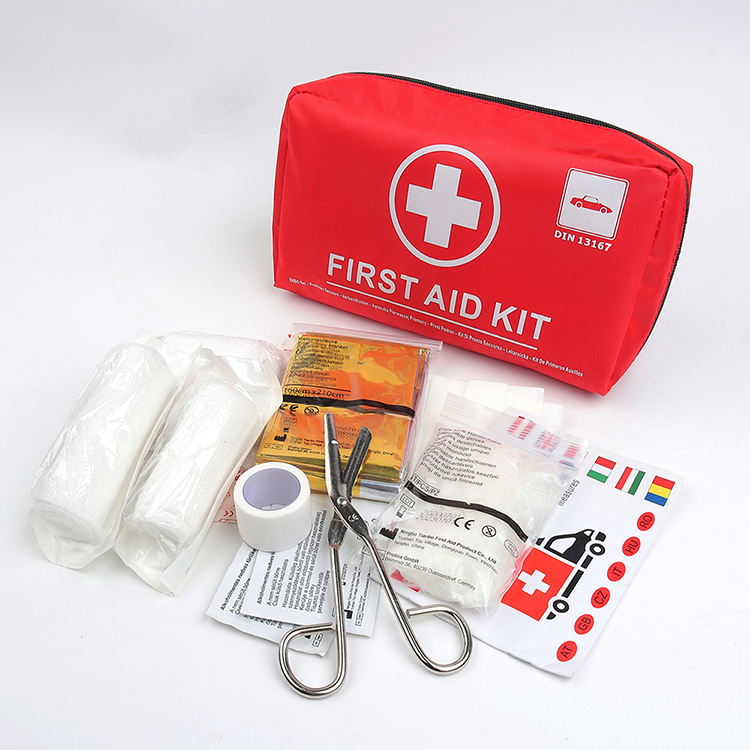
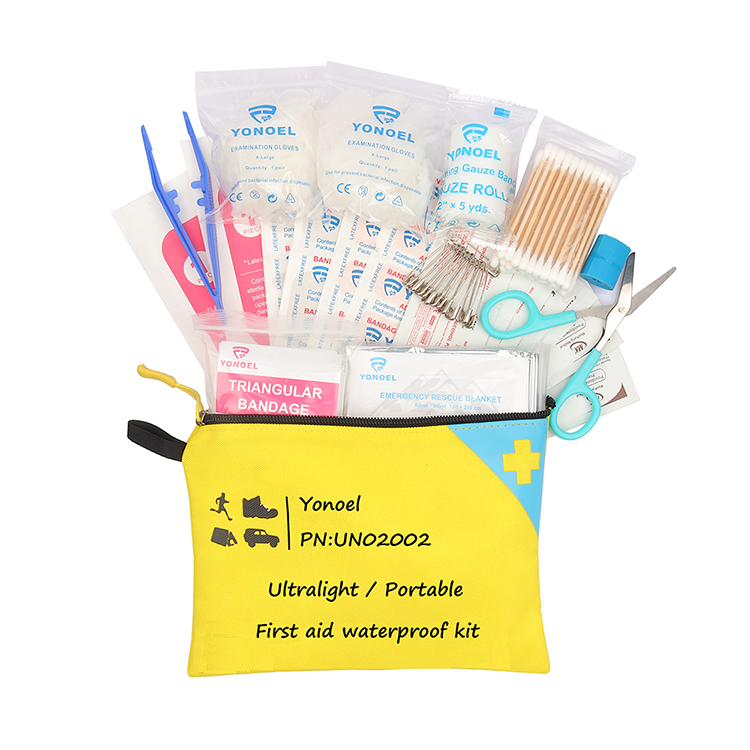
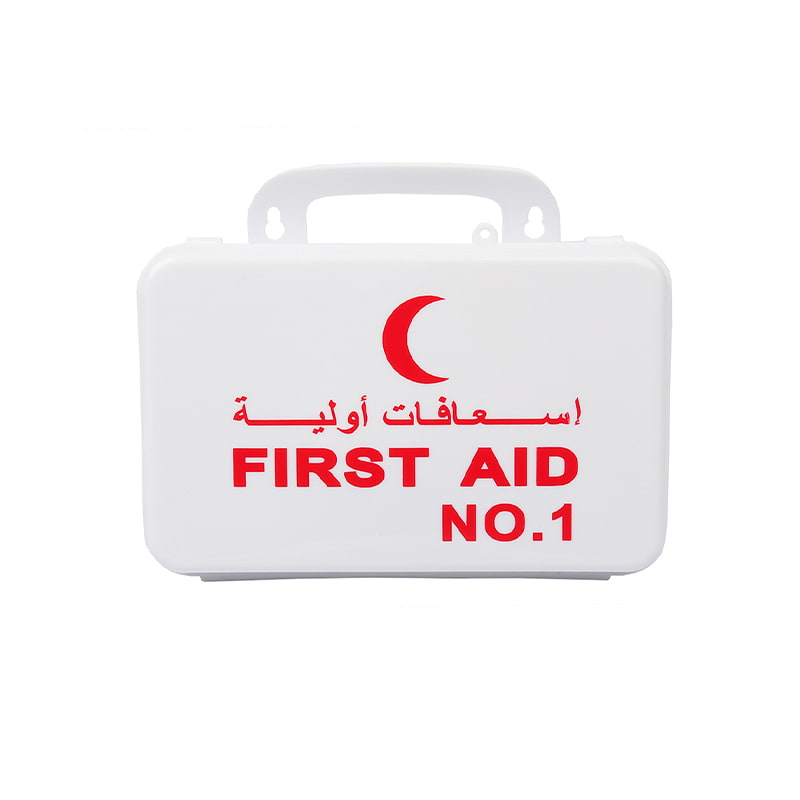
Factories like Yonoel build roadside first aid kits with motorcyclists' needs in focus. Yonoel uses durable, weather-resistant materials and packs practical items that fit tight bike spaces while covering common injuries from scrapes to fatigue.
Choosing Yonoel means getting kits designed for actual riding conditions, with easy organization and solid construction. Their options range from slim commuter packs to fuller tour setups, helping riders stay ready without extra hassle.
No. 52, Hulian West Street, Jiangbei Street, Dongyang City, Jinhua City, Zhejiang Province, China
Quick Links
Product Center
Contact Us
 PRIVACY

 English
 Deutsch
 Français
 русский
 Español