Workplaces deal with all kinds of small accidents—cuts from tools, bumps, strains—and having a solid first aid kit ready makes a real difference. The DIN13164 first aid kit, originally set up for vehicles, has become a go-to choice for many work sites because of its practical contents and straightforward design. It covers the basics for handling everyday injuries without being overwhelming. Companies use these kits to keep things safe, meet basic requirements, and let employees handle minor issues quickly. The sections below walk through what the kit is, why it matters at work, what's usually inside, how to use it properly, and other things worth thinking about.
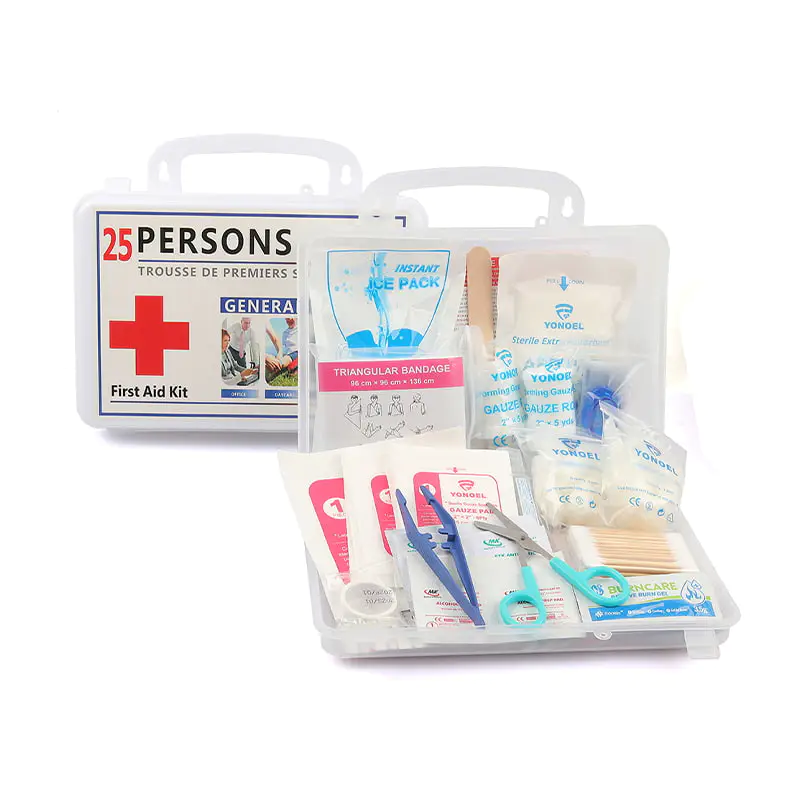
The DIN13164 first aid kit follows a standard that started mainly for cars but works well in lots of other places, including workplaces. It packs the essentials for dealing with cuts, scrapes, minor burns, or sprains that happen during normal tasks. The case is usually tough and compact so it can sit on a shelf, in a cabinet, or even in a work vehicle without taking up much room or getting damaged.
What makes it useful is the consistency—everyone knows roughly what's inside, so there's no guessing when something happens. In offices or shops, it means help is close by without needing someone with medical training. For places like workshops or warehouses, the kit's portability lets you move it where the work is happening.
Businesses pick this type because it's simple, reliable, and covers common problems without extras you rarely need. It helps create the feeling that safety is taken seriously, which matters a lot for how people feel on the job.
First aid kits let you handle small problems right away so they don't turn into bigger ones. In busy work areas—around machines, sharp edges, heavy lifting—someone is bound to get a cut or twist something eventually. Quick access to bandages or cleaning wipes can stop bleeding, keep dirt out, and get the person back to work faster.
Rules in most places say you need first aid supplies based on how many people work there and what kind of risks exist. A DIN13164 kit checks that box while keeping things practical. It shows employees the company cares about their well-being, which can make people feel more comfortable and focused.
Regular use of the kit during training also gets everyone more aware of basic safety steps. In bigger sites or ones with shifts, having kits spread out cuts down on lost time when something happens.
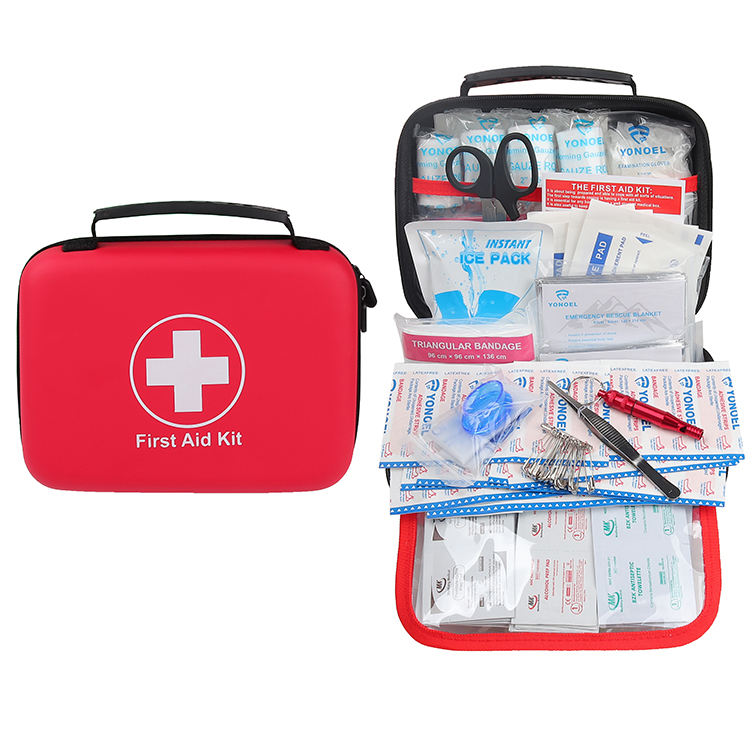
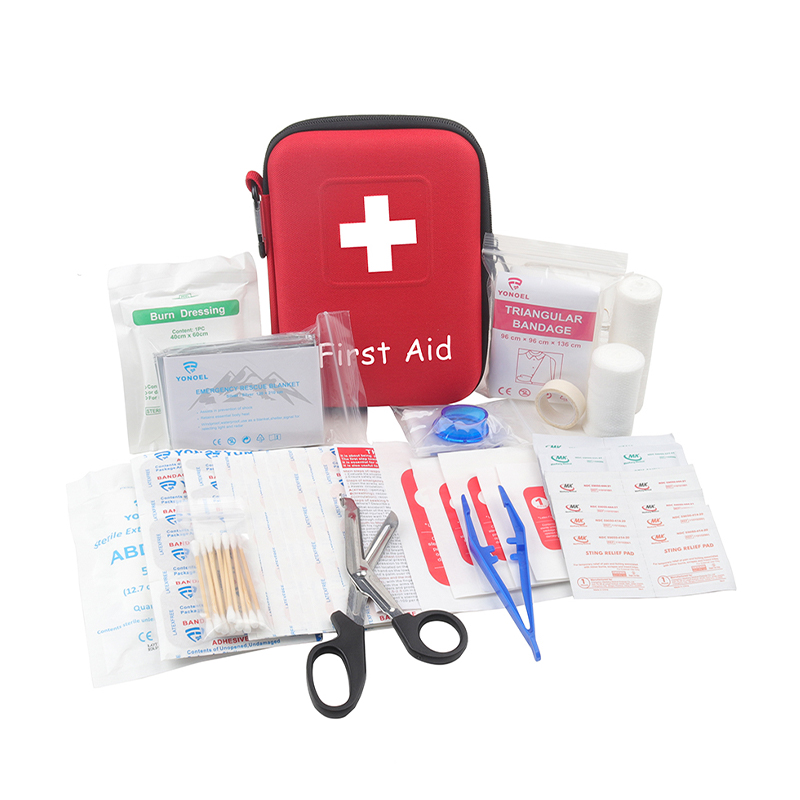
Inside a typical DIN13164 kit you find adhesive plasters in a few sizes for quick coverage of small cuts or blisters. Gauze pads and roller bandages handle bigger wounds or let you wrap a sprain to keep swelling down. Disinfectant wipes or a small bottle of solution clean things up before covering.
Scissors cut tape or clothing if needed, and tweezers pull out splinters or bits of debris. Gloves keep things clean when you're helping someone. A triangular bandage works as a sling for an arm or to hold a dressing in place.
Other bits include a rescue blanket to keep someone warm if they're in shock, and sometimes a simple breathing shield. Everything fits neatly so you can grab what you need fast. The setup works well for the kinds of things that happen in offices, shops, or on job sites.
These kits keep things consistent across different areas or locations—same contents mean the same training works everywhere. That cuts down on confusion when someone needs to use it quickly.
They help deal with injuries on the spot so workers don't have to stop everything and go off-site for something minor. That saves time and keeps the day moving. In higher-risk spots, fast action with the right supplies can keep a small cut from getting infected or a strain from getting worse.
On the compliance side, having a recognized kit makes it easier to show you're meeting basic safety rules. It also gives employees peace of mind—they see the kit and know help is there if something goes wrong. That small detail can improve how people feel about the workplace overall.
Put the kit where people can actually reach it—near the main work area, break room, or close to entrances. Make sure signs point to it so no one has to hunt around when they're hurt.
Build quick checks into regular routines: someone looks at the contents once a month or after every use and writes down what's missing. That keeps it stocked without much effort. Run short training sessions so people know how to open it, find what they need, and use the basics.
In bigger places, have more than one so no one has to run across the floor. For teams that move around, keep a version in vehicles or toolboxes. Encourage people to mention when they use something so restocking happens right away.
Check the kit every few weeks—look for anything torn, expired, or used up. Bandages and wipes don't last forever, especially if the kit sits in a warm or damp spot. Replace missing items as soon as you notice.
Keep it in a dry place out of direct sun and away from heavy traffic so nothing gets crushed or dirty. A simple list of what should be inside makes inspections faster and less likely to miss something.
Spread the job around—different people handle checks each month so everyone gets familiar with the kit. Buy replacements that match the standard so nothing changes unexpectedly. In busy sites, track what gets used most and keep a small extra stock nearby.
Cuts from tools, edges, or materials get cleaned with wipes and covered with plasters or gauze. Sprains or twisted ankles benefit from a roller bandage for support and a triangular one as a sling.
Minor burns or scrapes receive initial cleaning and a protective dressing. Gloves make sure the person helping stays safe. The blanket helps if someone feels shaky after an incident.
The kit handles the kinds of things that happen regularly—paper cuts in offices, abrasions in shops, strains from lifting—without trying to cover every possible emergency.
Show people what's inside and what each thing does—hold up a plaster, demonstrate cleaning a pretend cut, wrap a fake sprain. Hands-on practice makes it stick better than just talking about it.
Run through simple situations: someone gets a cut, what do you do first? Include when to stop and call for more help. Refresh the session every so often, especially when new people start.
Put a short guide or pictures near the kit for quick reminders. The goal is confidence—people who know the basics react faster and calmer when something actually happens.
| Category | Items Usually Included | What It Helps With |
|---|---|---|
| Wound Coverage | Plasters, gauze pads | Small cuts, scrapes, larger wounds |
| Bandaging | Roller bandages, triangular bandage | Wrapping, compression, arm support |
| Cleaning | Disinfectant wipes/solution | Cleaning injuries before covering |
| Tools | Scissors, tweezers | Cutting tape, pulling out splinters |
| Protection | Gloves, rescue blanket | Safe handling, keeping warm |
| Other | Breathing shield | Basic aid if breathing help is needed |
When picking a DIN13164 first aid kit, think about how many people work in the space, what kind of work they do, and where the kit can sit without being in the way. Make sure it's easy to open and the contents are clearly laid out.
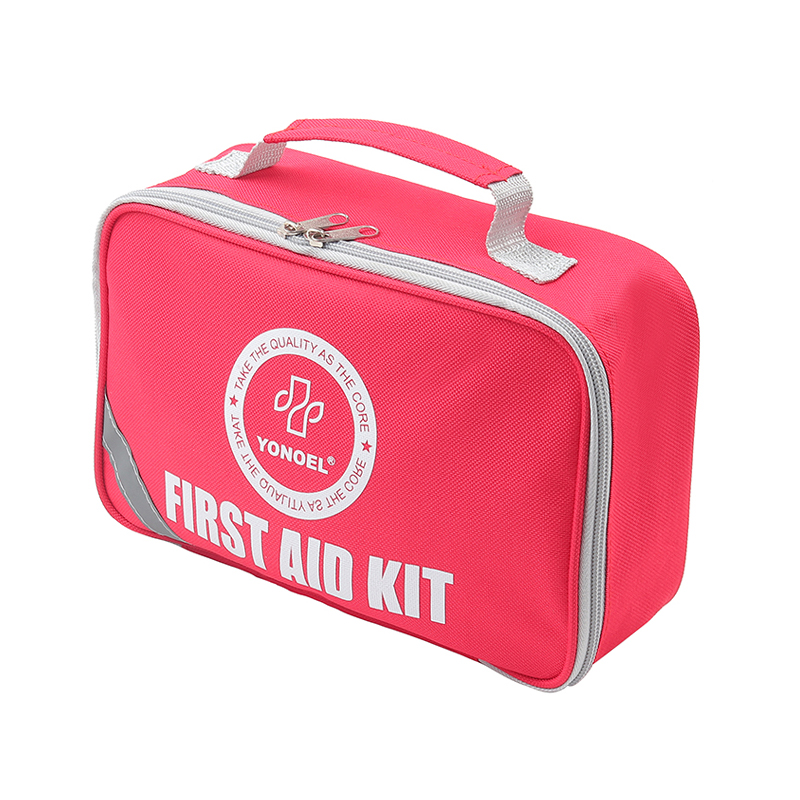
For kits that hold up well and stay organized, check what Yonoel factory offers. They make first aid kits built to the DIN13164 standard, using sturdy materials and practical layouts that suit different work environments.
Yonoel focuses on reliable, no-fuss designs that make restocking and use straightforward. The factory provides options that help teams stay prepared without unnecessary complications.
No. 52, Hulian West Street, Jiangbei Street, Dongyang City, Jinhua City, Zhejiang Province, China
Quick Links
Product Center
Contact Us
 PRIVACY

 English
 Deutsch
 Français
 русский
 Español