Road safety conversations often focus on fuel, tires, weather, and navigation. Yet one topic keeps drawing attention among everyday drivers, commuter families, and long-distance travelers: what happens when an injury or health issue appears far from home? A Roadside Car First Aid Kit is becoming a practical part of vehicle preparation because it helps people respond to small injuries, temporary discomfort, and waiting periods before professional help arrives.
A roadside emergency does not always mean a dramatic crash. It may involve a cut from broken glass, a sprain after stepping out of a vehicle, motion-related discomfort, a minor burn, or a situation where someone simply needs clean supplies while waiting for assistance. That is why many drivers are treating first-aid readiness as part of normal car care rather than a spare idea left for later.
Unexpected delays can leave drivers responsible for themselves, passengers, or other people nearby. Weather, traffic, remote roads, and phone signal problems can all make a simple issue feel larger. In those moments, having basic medical supplies nearby can reduce stress and help a person act with more confidence.
A car kit does not replace medical care. It serves as a bridge between the incident and the next step. That bridge matters because small wounds can worsen, swelling can increase, and discomfort can make travel harder. With a proper kit in the vehicle, drivers may be able to clean a wound, protect skin, reduce friction, or keep a passenger comfortable while waiting.
A vehicle first-aid kit works well when it covers the most common roadside needs without becoming cluttered. The goal is to keep the contents easy to reach, easy to check, and easy to replace after use.
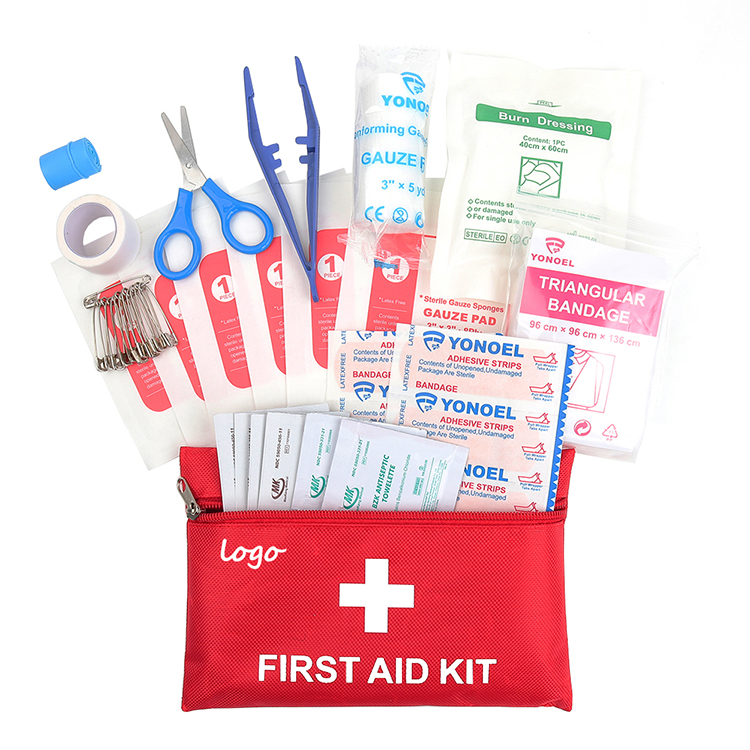
Core wound-care items
Comfort and response items
Common medicines
Hygiene and cleanup supplies
| Kit Category | Purpose | Example Uses |
|---|---|---|
| Wound care | Protect cuts and scrapes | Minor injuries, skin protection |
| Support items | Assist with immediate response | Swelling, discomfort, cleanup |
| Cleanliness items | Reduce contamination risk | Glove use, waste control |
| Medicine items | Ease temporary symptoms | Headache, soreness, mild irritation |
| Reference items | Support quick action | Basic steps during a roadside event |
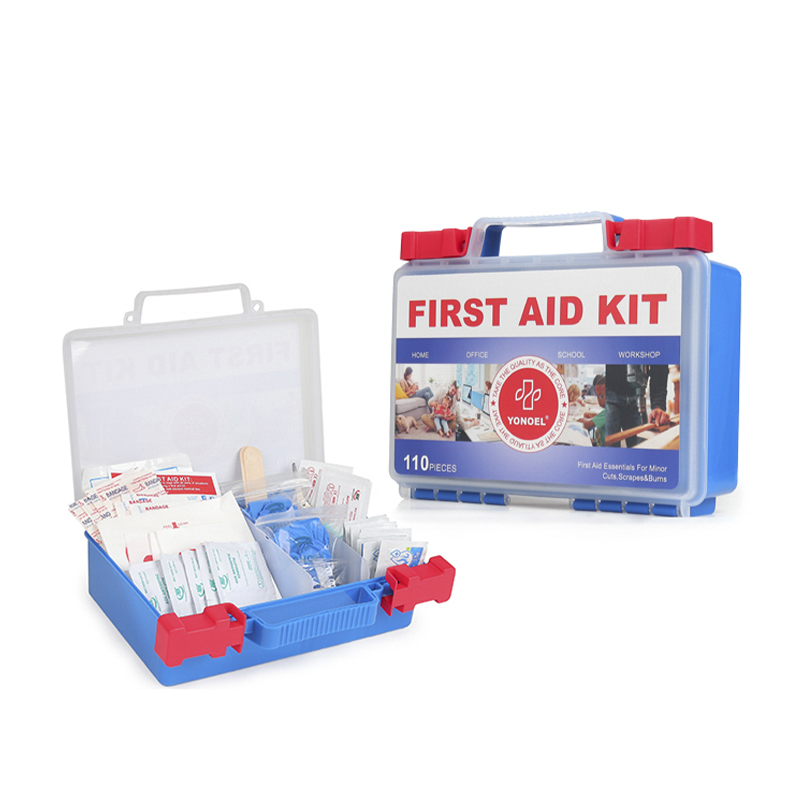
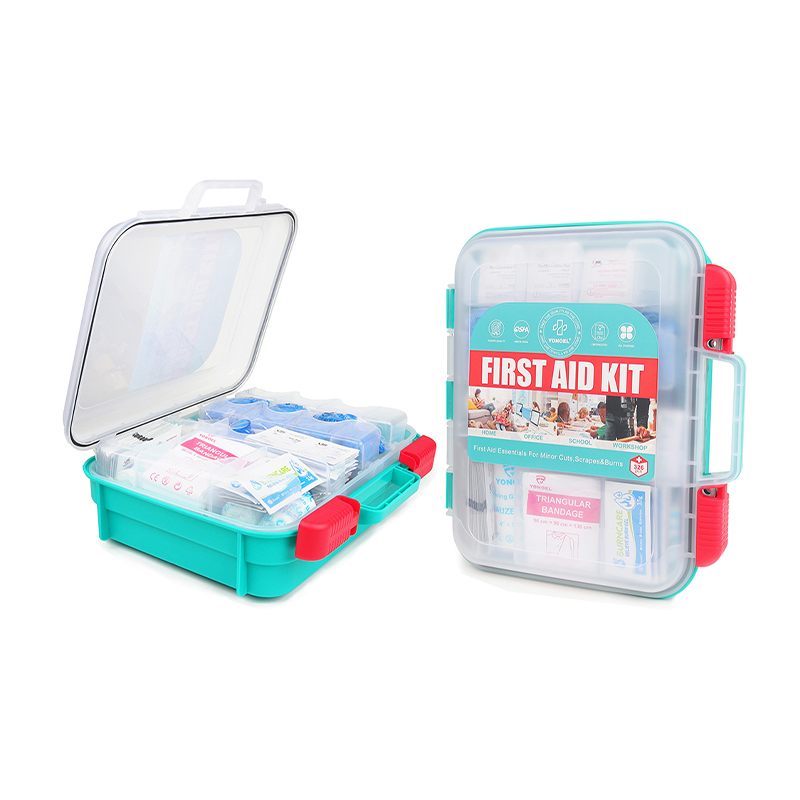
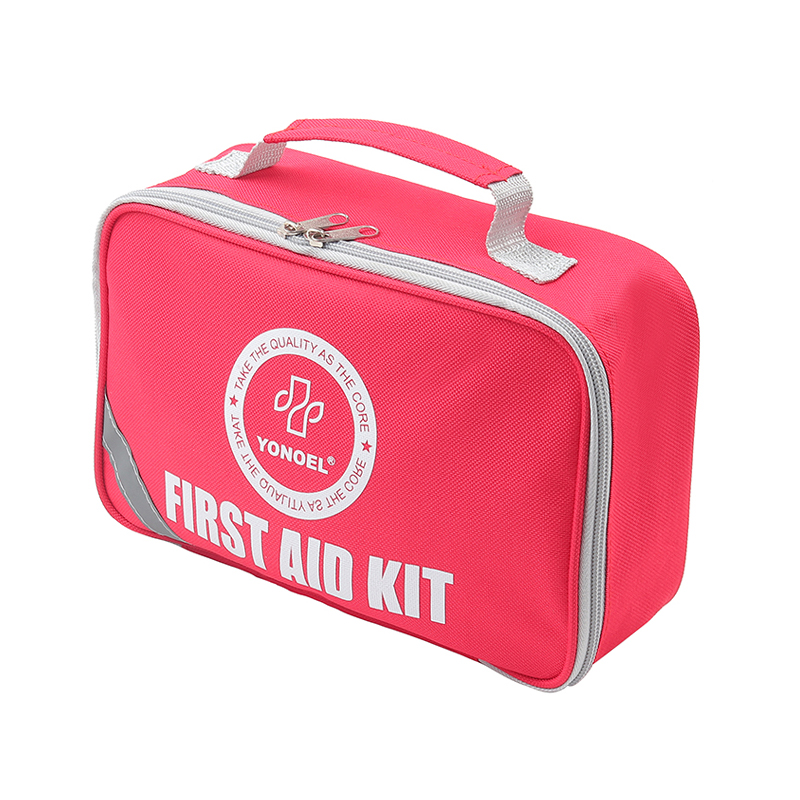
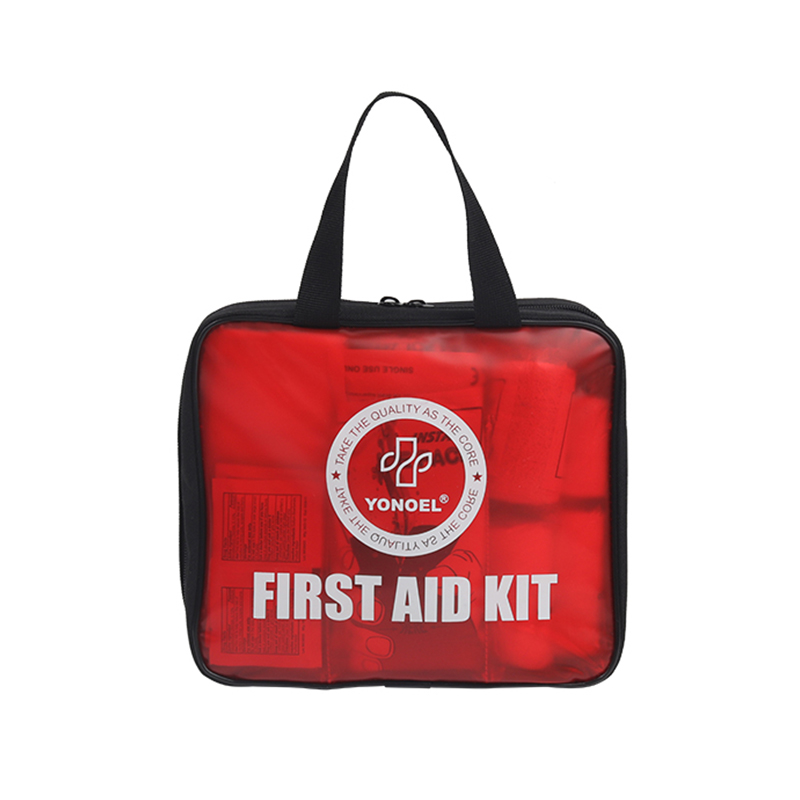
A first-aid kit is useful only when it can be found quickly. That is why organization matters as much as content. Many drivers place the kit in a pouch, box, or compartmented container so items stay separated and visible.
Storage ideas that improve access
A tidy setup can save time during stress. When supplies are arranged by category, a driver is less likely to search through loose items or miss something important. That simple detail can make the difference between calm action and confusion.
What to avoid
Vehicle maintenance used to mean oil, brakes, lights, and tires. Now, many households are adding health readiness to that checklist. The reason is straightforward: the road can create problems that are not mechanical. A driver might be stuck for a while after a breakdown, or a passenger may feel unwell during a long trip. In both cases, quick access to basic supplies can be useful.
This shift is also connected to changing travel habits. Families often spend more time in one vehicle together. Workers may commute farther than before. Road trips remain common, and many people cross areas where help is not immediately nearby. In those situations, a compact kit becomes part of ordinary preparedness.
Cars face heat, cold, and changing conditions. Supplies inside a vehicle should be checked with that in mind. Adhesive products can lose stickiness, ointments can age, and packaging can weaken if exposed to temperature swings or moisture.
Seasonal habits
Preparedness is often about simple decisions made ahead of time. Carrying a first-aid kit in the car does not remove risk, but it can reduce the pressure of small emergencies. Drivers who think ahead are often able to respond more calmly, protect injuries more effectively, and keep travel moving with less disruption.
The idea is not to turn every car into a medical station. The goal is practical readiness: enough supplies to handle the early moments of an incident and enough organization to find them quickly. That approach gives the roadside a little less uncertainty.
For drivers building a dependable travel routine, a Roadside Car First Aid Kit is a practical step that fits naturally beside other vehicle essentials. And for anyone who wants to expand that readiness further, yonoelfirstaid can serve as a simple next stop for related first-aid information.
No. 52, Hulian West Street, Jiangbei Street, Dongyang City, Jinhua City, Zhejiang Province, China
Quick Links
Product Center
Contact Us
 PRIVACY

 English
 Deutsch
 Français
 русский
 Español