Travel plans with family usually change shape once children, snacks, weather, and tiredness enter the picture. A small kit can help handle minor issues before they turn into a larger interruption. The goal is not to carry everything. The goal is to keep a few useful items close at hand, arranged in a way that makes sense when time is limited.
A Family Travel First Aid Kit works well when it fits the trip, the people on the trip, and the way the bag is used. For short outings, the contents can stay compact and focused. For longer plans or less predictable routes, the setup may need a little more room and a clearer structure.
For short trips, the contents can stay practical and simple. The kit does not need to feel crowded. It only needs to cover the kinds of issues that tend to show up during family movement, such as small cuts, skin irritation, motion discomfort, and temporary fever care.
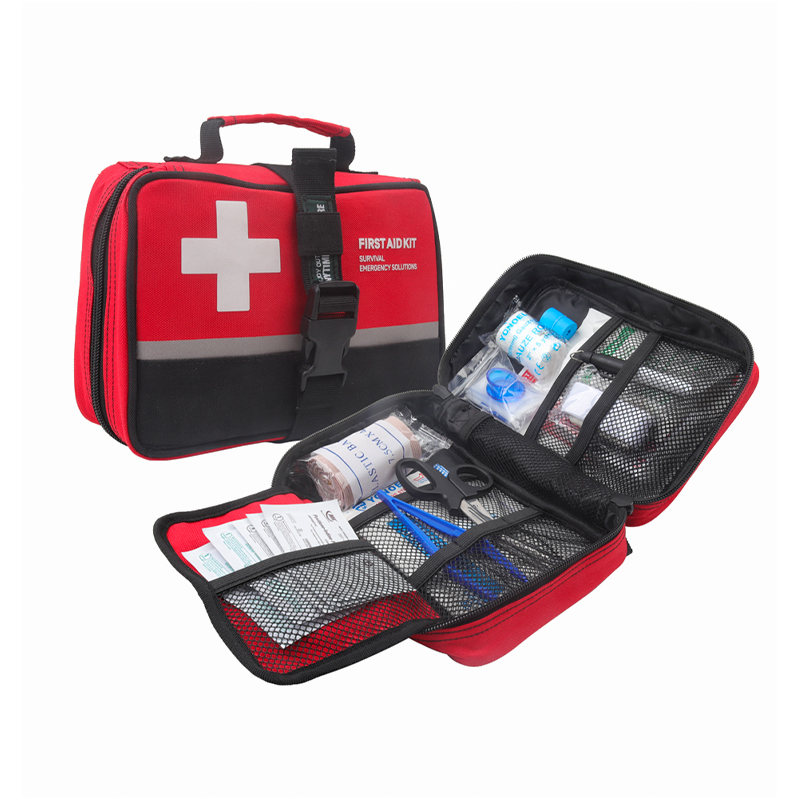
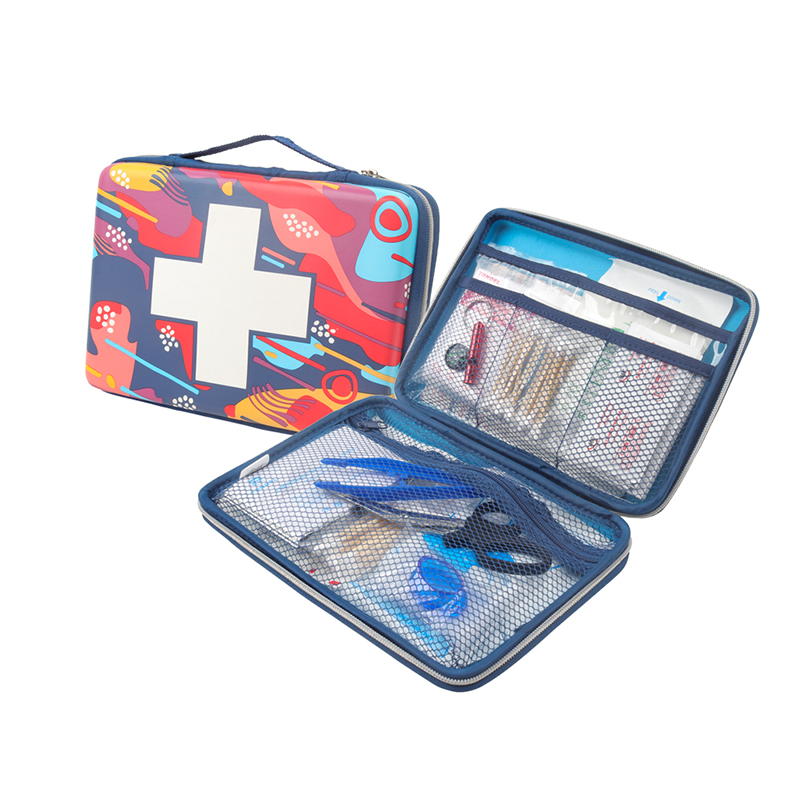
A useful approach is to group items by use rather than by brand or packaging. That keeps the kit easier to scan and easier to restock later. A small pouch that opens flat can also help reduce searching.
| Item group | Typical use | Packing note |
|---|---|---|
| Wound care | Small cuts, scrapes, blisters | Keep in one side pocket |
| Comfort care | Fever, mild discomfort, upset stomach | Store in a labeled pouch |
| Skin care | Rashes, itching, minor irritation | Keep separate from bandages |
| Basic tools | Scissors, tweezers, thermometer | Place where they can be reached quickly |
| Child related items | Child-friendly forms and care items | Keep apart from adult items |
A Family Travel First Aid Kit is easier to manage when each item has a clear place. That is especially helpful when the bag is opened in a car, at a hotel, or in a crowded waiting area.
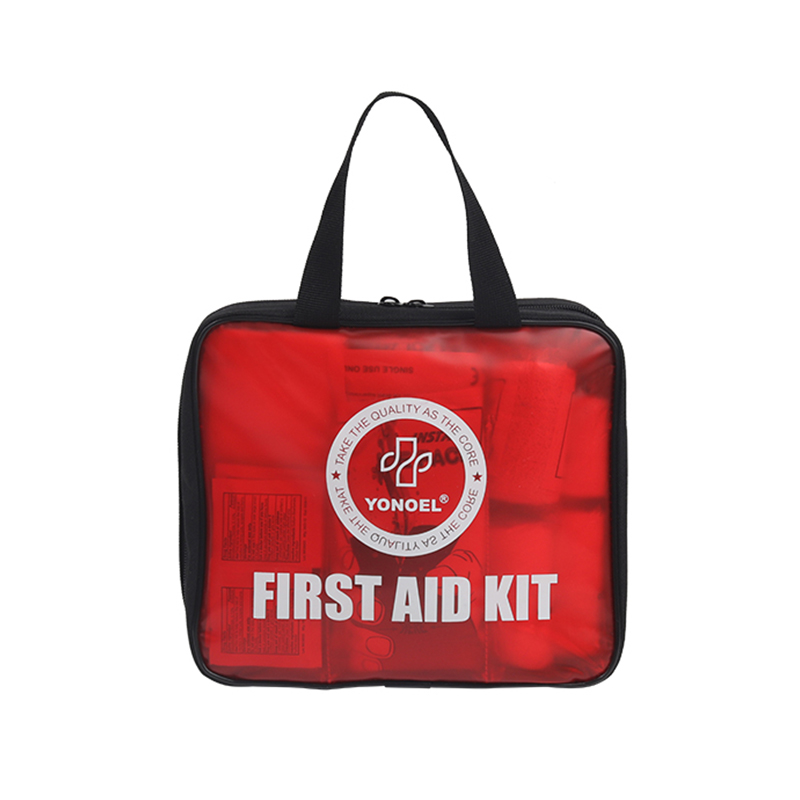
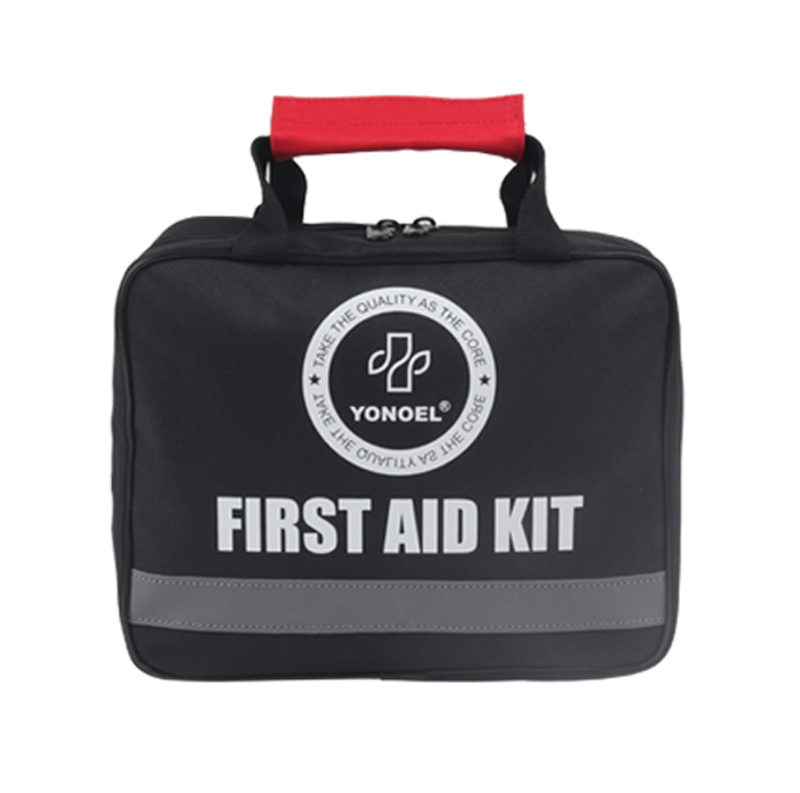
Size choices usually depend on how far the family is going and how much time will pass before normal supplies are available again. A compact pouch may suit a local outing or a short day trip. A wider case may fit better for a longer route, shared family travel, or a plan that involves several stops.
A good rule is to match the size to the trip, not to a general idea of preparedness. Too much space can lead to clutter. Too little space can make the bag hard to close or hard to use.
A few questions help guide the choice:
The right size also depends on how often the kit is opened. If it will stay in a glove box or backpack, a slimmer format may be more practical. If it will stay with a larger family bag, a slightly wider case may feel easier to manage.
The Family Travel First Aid Kit should never feel oversized for the trip. A good fit makes it more likely to stay packed, stored properly, and ready for use.
Organization matters because stress reduces patience. When someone is uncomfortable, no one wants to search through a loose pile of supplies. The layout should help the user reach the right item without thinking too much.
One effective method is to divide the bag by function. Separate the contents into small groups so that the eye can move quickly from one section to another. Clear pouches, labels, or color cues can help, as long as they remain simple.
A practical setup may look like this:
It also helps to place the most likely-to-be-used items near the opening. Rarely used items can stay deeper inside. This reduces friction during use and keeps the bag from turning into a mixed pile after one opening.
| Placement choice | Why it helps |
|---|---|
| Outer pocket | Faster access during minor issues |
| Flat pouch | Easier to see contents at a glance |
| Clear pouch | Reduces time spent searching |
| Separate child section | Helps avoid mix-ups |
| Tool pocket | Keeps sharp or small items together |
A Family Travel First Aid Kit becomes more usable when the structure follows behavior. Items used together should stay together. Items that should not mix should be separated.
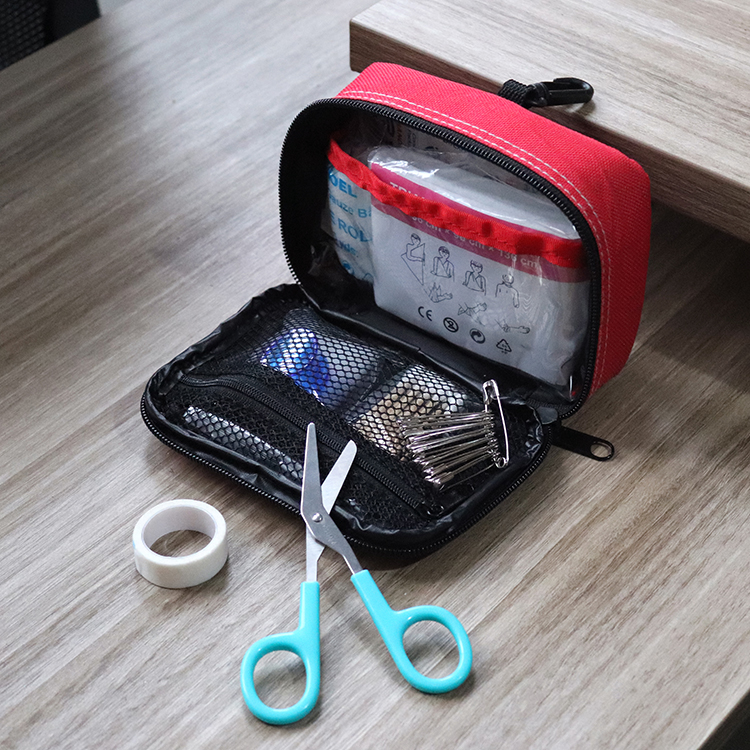
Some omissions do not seem important until a real situation comes up. Many kits cover bandages and basic medicines, yet miss items that help with age differences, routine comfort, or simple handling.
A common gap is child-specific care. Adult items are not always convenient for younger travelers. Another gap is the small support tools that make the rest of the kit easier to use, such as a clean way to hold, cut, or check items.
Frequently missed items may include:
Another item that is sometimes forgotten is a written note with basic instructions or dosing guidance kept in the bag. When travel is tiring, memory is less reliable. A short note can reduce confusion.
A Family Travel First Aid Kit should not depend on guesswork. The more the contents reflect real family needs, the easier the bag is to trust when it is opened.
Packing light is usually less about removing things and more about cutting overlap. In many kits, the same type of care item appears in different sizes or formats, which slowly adds unnecessary weight. Keeping one version per need is often enough for short travel.
Soft pouches tend to work better than rigid boxes because they adjust to space instead of forcing it. That makes it easier to fit the kit into a backpack or side compartment without wasting volume.
A few practical habits help reduce bulk:
A Family Travel First Aid Kit feels easier to carry when it moves with the trip instead of sitting like a fixed block in the bag.
Different places tend to bring different small issues. A warm environment can lead to skin discomfort, while colder conditions may create dryness or irritation. The kit does not need a full rebuild each time, just a few small changes.
Instead of changing everything, it is easier to adjust a few areas based on the trip:
A Family Travel First Aid Kit becomes more flexible when it stays stable in structure but flexible in small details.
Updating the kit works better when it becomes part of normal travel habits rather than something done randomly. Most changes come from use or from small shifts in family needs.
It usually makes sense to check the kit:
Small restocks tend to work better than rebuilding everything. Replacing only what is missing keeps the kit consistent and easier to trust.
A Family Travel First Aid Kit that is checked from time to time stays closer to real travel needs instead of becoming outdated.
Different travel settings can limit access to simple supplies in different ways. On road trips, help or shops may be far apart. On flights, movement is limited. Outdoors, there may be no easy access at all. Small issues can become inconvenient if they are not handled early.
A basic kit helps deal with minor situations like small cuts, skin irritation, or mild discomfort before they interrupt travel plans. It also reduces the need to search for supplies in unfamiliar places.
| Travel setting | Common limitation | How the kit helps |
|---|---|---|
| Road trips | Long gaps between stops | Provides quick care during travel time |
| Flights | Limited movement space | Helps manage small discomforts in place |
| Outdoor time | Few nearby supplies | Supports basic needs on the spot |
| Mixed travel routes | Changing conditions | Keeps care items within reach |
A Family Travel First Aid Kit is less about complexity and more about readiness during movement.
.jpg)
No. 52, Hulian West Street, Jiangbei Street, Dongyang City, Jinhua City, Zhejiang Province, China
Quick Links
Product Center
Contact Us
 PRIVACY

 English
 Deutsch
 Français
 русский
 Español