A Portable Medical Box is often valued for one simple reason: it brings basic care closer when something small turns urgent. In home settings, it may sit in a drawer or cabinet until a cut, scrape, or minor swelling needs attention. Outdoors, it becomes easier to reach when a trip, walk, or travel plan brings a small injury into the picture. The point is not complexity. The point is readiness, clear layout, and items that make basic response less awkward when time feels limited.
People usually notice the box most when they do not want to improvise. A clean cover for a wound, a tool for removing a tiny splinter, or a pair of gloves for keeping hands clean can change the flow of a stressful moment. That is why the discussion around this kind of kit often starts with use, not appearance.
At home, small incidents tend to happen in ordinary places: the kitchen, bathroom, garden, or stairway. A minor cut from a knife, a scraped knee, or a slight bump during daily activity may not require advanced treatment, but it still calls for a clean and organized response. A well arranged kit helps avoid delay, especially when someone needs to act before outside help is available.
Outdoors, the setting changes. Light may be limited, surfaces may be uneven, and supplies may be scattered through a bag. In that kind of setting, the value of a compact care kit becomes more visible. It supports a simple response to common issues without forcing the user to search for loose items.
A practical way to think about it is this:
In both settings, the goal is to reduce confusion and help the user move from concern to action with less hesitation.
The contents should match the kind of situations people usually face first. A small wound needs clean cover. A minor impact may need cooling. A skin irritation may call for simple hygiene support. That means the internal layout should favor core items that are easy to identify and easy to use.
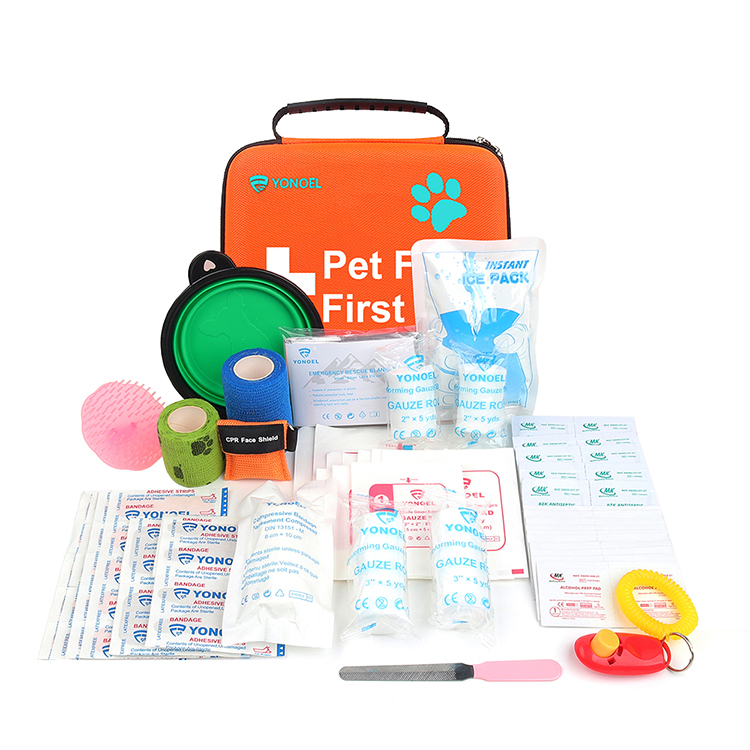
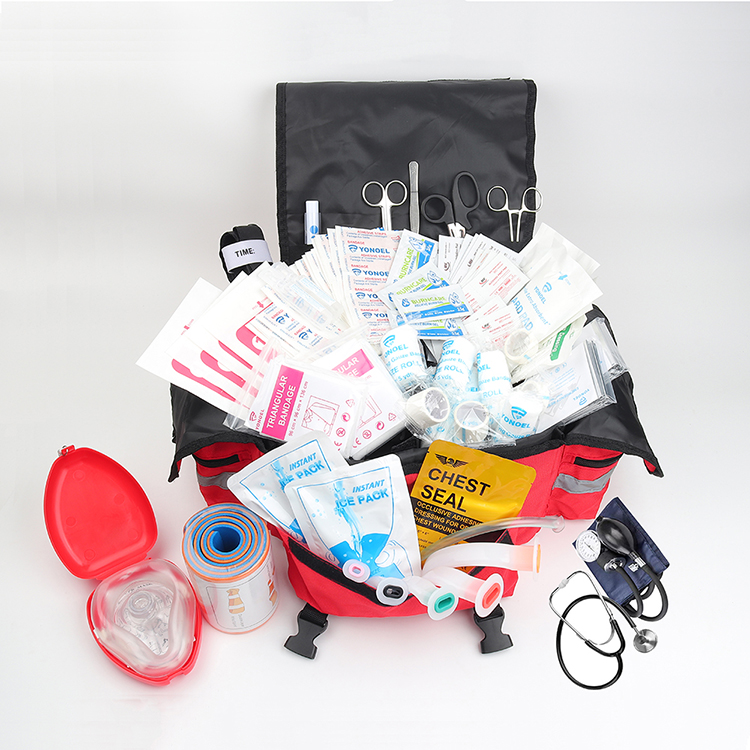
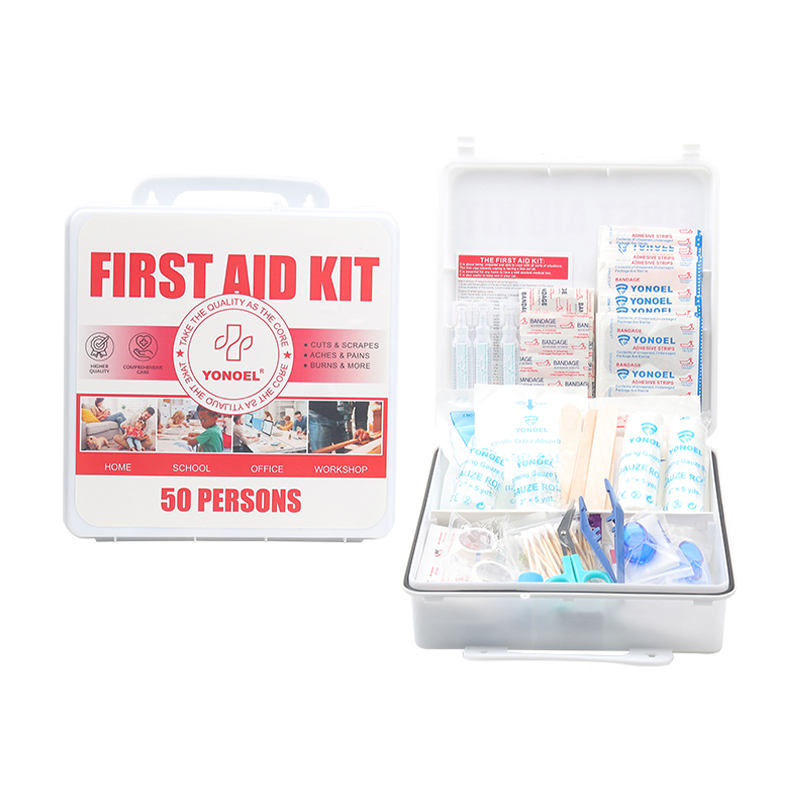
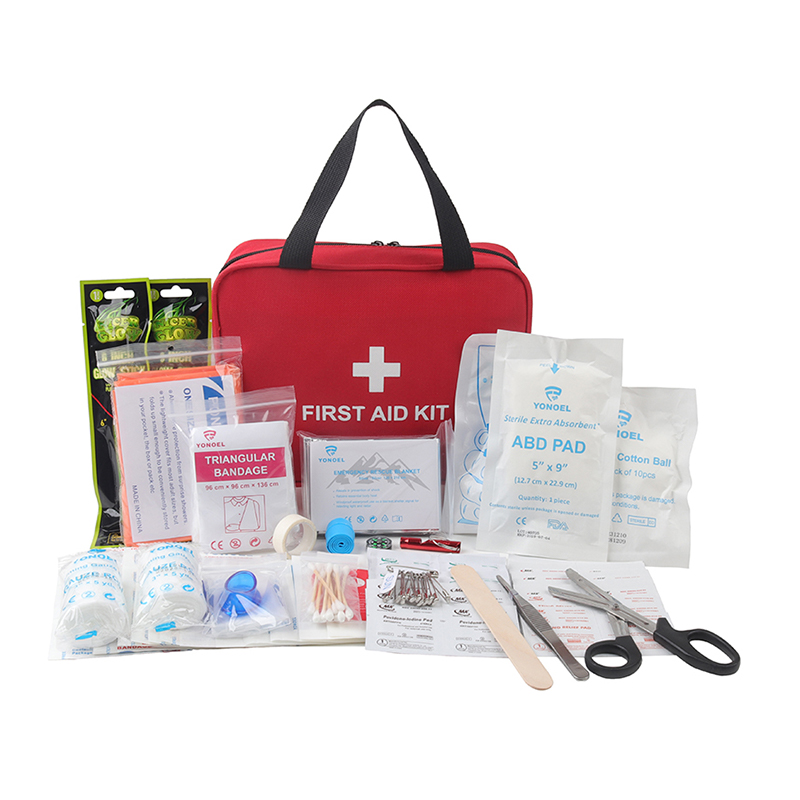
A useful kit usually includes materials for wound protection, cleaning, and basic handling. The items should not feel scattered or overly specialized. When the box is opened, the user should be able to tell where each item belongs.
| Item Type | Common Use | Why It Matters |
|---|---|---|
| Sterile gauze pads | Covering minor wounds | Helps keep the area clean |
| Bandage scissors | Cutting wraps or tape | Supports quick adjustment |
| Tweezers | Lifting small debris | Useful for tiny foreign objects |
| Alcohol wipes | Surface cleaning | Supports hygiene before contact |
| Iodine pads | Skin cleansing | Helps prepare the area |
| Disposable gloves | Hand protection | Reduces direct contact |
| Cold pack | Temporary cooling | Useful for swelling or discomfort |
The selection does not need to be crowded. It needs to be balanced. Items that handle the same task from different angles are more useful than a box full of duplicates. Clear labeling and separate compartments also make the contents easier to trust during a rushed moment.

When a wound appears, the first concern is often protection. A clean cover helps shield the injured area from dirt, contact, and unnecessary friction. That is where sterile gauze pads matter. They are simple, familiar, and suitable for many minor wound situations.
Dressing materials also support the next step after cleaning. A wound that remains open to touching, rubbing, or movement may become harder to manage. With the right dressing, the user can maintain a more controlled environment around the injured area until further care is available.
There is also a practical side to size and texture. A dressing that is too bulky may feel awkward. One that is too small may not sit securely. A good fit helps the user feel more confident that the wound is covered without drawing extra attention to it.
Some useful questions to keep in mind:
These questions matter because wound care is often done under mild pressure, not in perfect conditions.
Cleaning and debris removal are related, but they are not the same task. Cleaning usually comes first. It prepares the area so the rest of the process is easier. Removing debris comes after that, when a small object, dust, or splinter needs careful handling.
Alcohol wipes and iodine pads serve different roles. One is commonly used for cleaning the skin surface, while the other can support skin preparation in a different way. The user does not need a complicated routine. What matters is choosing the item that fits the situation and using it with care.
Tweezers are useful when something tiny must be lifted away from the skin. Their value lies in control. Bandage scissors help with cutting materials cleanly, which matters when a wrap needs to be adjusted without pulling on nearby skin.
A simple order of use often looks like this:
Disposable gloves also belong in this part of the discussion. They help keep hands cleaner and reduce direct contact during handling. In a stressful moment, that small barrier can make the process feel more controlled and less messy.
The main idea is not to turn basic care into a complex routine. It is to keep the process clear enough that a person can act without guessing.
Alcohol wipes, iodine pads, and cold packs each serve a different purpose, so they should not be treated as interchangeable items. The value of keeping them together is not about duplication. It is about having a small set of tools that answer different needs during a minor injury.
Alcohol wipes are commonly used when a surface needs a clean start before contact. Iodine pads may be used when skin preparation is needed in a separate step. Cold packs serve a different role altogether, since they are not for cleaning but for temporary cooling after a bump, strain, or swelling.
A simple way to think about these items is:
That separation matters because using the wrong item at the wrong moment can create confusion. When supplies are grouped with a clear purpose, the response feels more controlled and less improvised. In a Portable Medical Box, that kind of clarity is often more useful than having too many similar items.
| Item | Main Role | Typical Use |
|---|---|---|
| Alcohol wipes | Surface cleaning | Before touching a minor injury area |
| Iodine pads | Skin preparation | When a different cleansing step is needed |
| Cold packs | Temporary cooling | After a small impact or swelling |
The practical point is simple. Each item has a different job, and the user benefits when those jobs are easy to recognize.
Organization affects how quickly a person can act. Even a well stocked kit becomes harder to use when items are mixed together without order. In a small emergency, the search process can matter almost as much as the supplies themselves.
A useful layout usually follows the way people think under pressure. Items for cleaning should sit together. Dressing materials should sit together. Tools for cutting or removing small debris should not be buried under softer supplies. Gloves should be easy to spot, not tucked behind other layers.
The arrangement can be shaped around three practical ideas:
A tidy interior also reduces the chance of opening the box and seeing a pile of loose items. That kind of layout can slow movement and increase hesitation. With better organization, the user spends less time deciding where to look.
The box itself does not need to be complicated. It just needs to behave in a way that matches the urgency of its purpose. That is where a Portable Medical Box can feel reliable without trying to do too much.
Storage is not only about where the box sits. It is about whether it can be reached quickly in the place where it is likely to be used. A good location reduces delay and avoids unnecessary searching.
At home, the kit should be placed where people actually remember to look. A high shelf may keep it safe, but it may also make it inconvenient. A deep drawer may hide it from view. A visible and stable place often works better than a hidden one.
In a vehicle or travel bag, the same logic applies. The box should not shift around too much or get buried under unrelated items. It should stay in a position where it can be found with minimal effort.
| Storage Place | What It Helps With | What to Watch For |
|---|---|---|
| Drawer or cabinet | Easy indoor access | Do not hide it too deeply |
| Backpack or travel bag | Mobility | Avoid overcrowding around it |
| Vehicle compartment | Travel readiness | Keep it stable and visible |
The right storage place is the one that matches the real setting of use. A kit stored in the wrong spot may still be complete, but it may not be helpful when speed matters.
The most common mistakes are usually not dramatic. They are small errors caused by stress, haste, or uncertainty. A person may grab the wrong item, use too much pressure, or try to clean too aggressively. Those actions may seem harmless, but they can make the situation harder to manage.
One common issue is treating every item as if it had the same function. Cleaning materials are not the same as dressing materials. Tools for cutting are not the same as tools for lifting debris. When the roles blur, the process becomes less stable.
Another issue is touching the center of a dressing or the part meant to stay clean. That can reduce confidence in the material and make the user feel unsure about whether it should still be used. Gloves also do not replace careful handling. They help with hygiene, but they do not remove the need for steady movement.
A few frequent problems are easy to name:
These mistakes are often avoidable when the box layout is simple and the user knows the role of each item. A Portable Medical Box works better when the supplies inside are treated as distinct tools, not as a single general set.
.jpg)
No. 52, Hulian West Street, Jiangbei Street, Dongyang City, Jinhua City, Zhejiang Province, China
Quick Links
Product Center
Contact Us
 PRIVACY

 English
 Deutsch
 Français
 русский
 Español