In December 2025, Indonesia was struck by extreme torrential rains that triggered massive floods and landslides across several regions. Entire villages were swept away, homes collapsed under mud and debris, and roads were cut off for days. According to international reports, more than 600 people lost their lives, and thousands were left injured or missing.
Rescue teams struggled to reach remote areas, as overflowing rivers and landslides blocked access routes. Many survivors were trapped without clean water, electricity, or medical supplies — relying only on what they had at home. This tragedy revealed a hard truth: when disaster hits, emergency services may not arrive immediately. Having a well-prepared first aid kit can be the difference between survival and helplessness in those first critical hours.
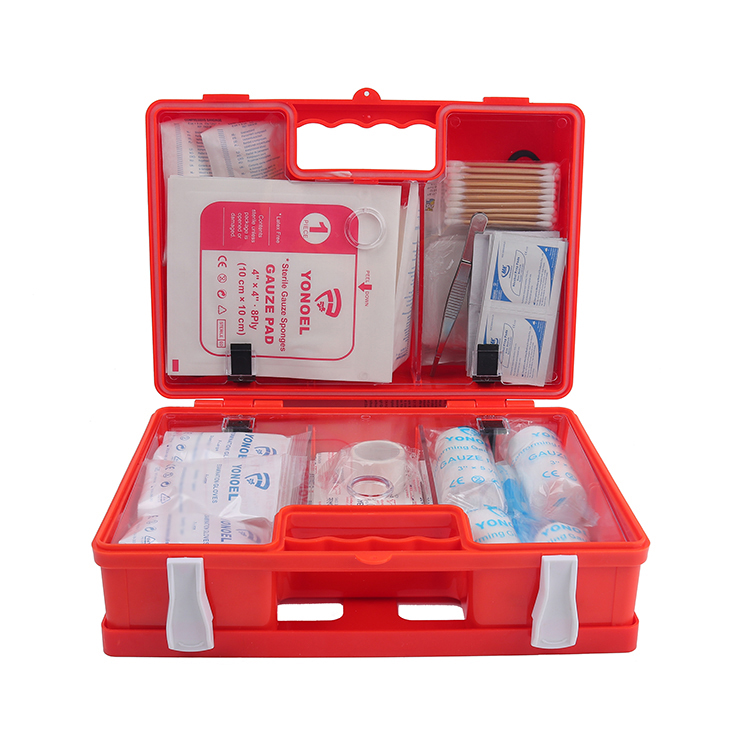
During disasters, the first few hours are often the most dangerous. Cuts become infected quickly in dirty floodwater, sprains and fractures worsen without support, and dehydration sets in when clean water is unavailable. In many Indonesian communities, people were left to treat wounds with whatever they could find — torn cloth, boiled water, makeshift splints — because they had nothing else on hand.
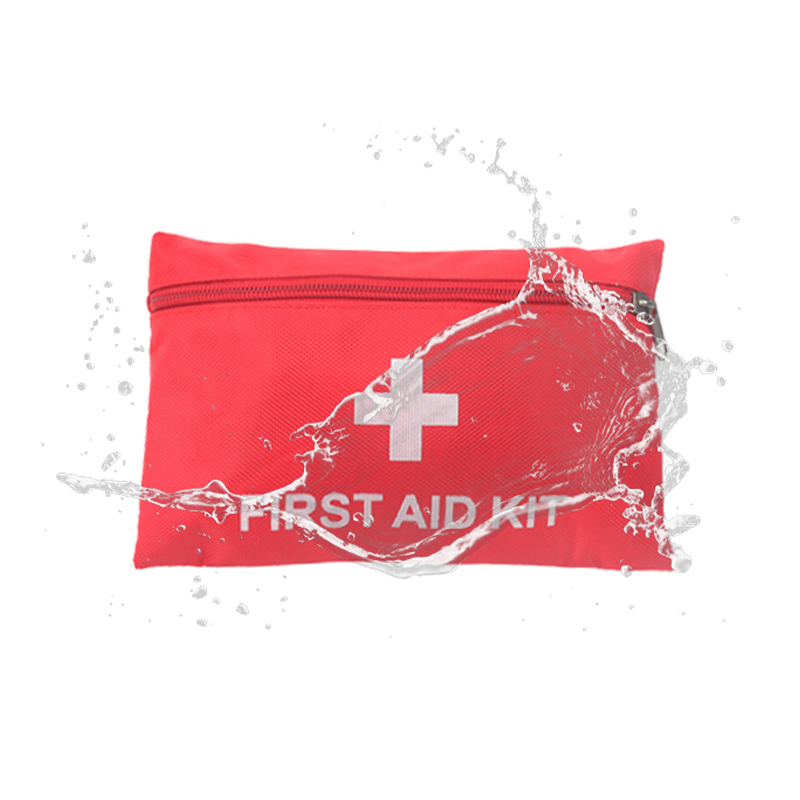
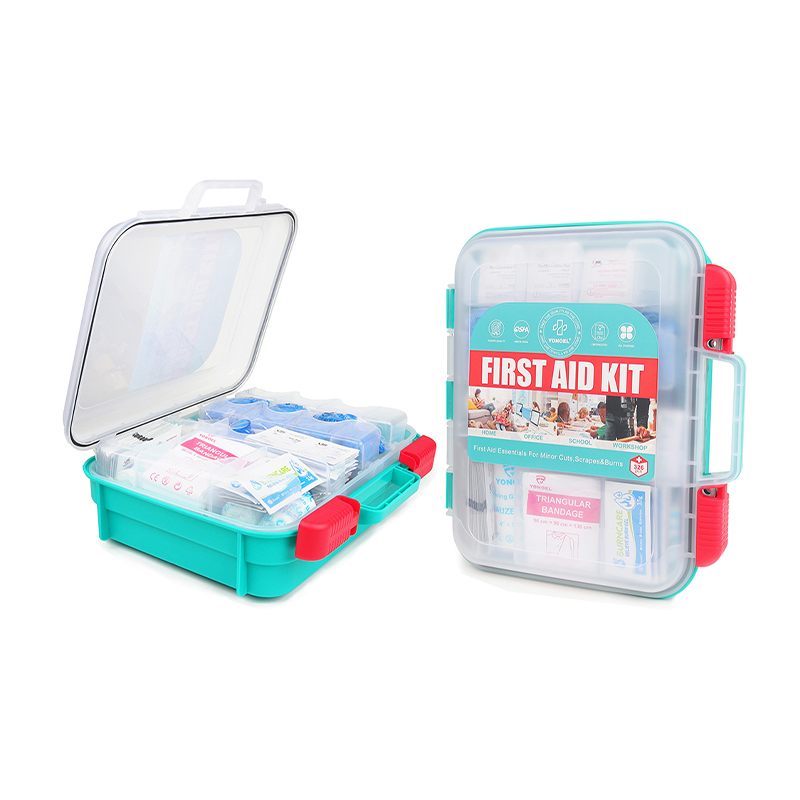
A first aid kit isn’t just a box of supplies; it is a lifeline. It allows families to respond immediately when someone is bleeding, injured, or struggling to breathe. It helps stabilize a wound before infection spreads. It buys precious time until professional help arrives.
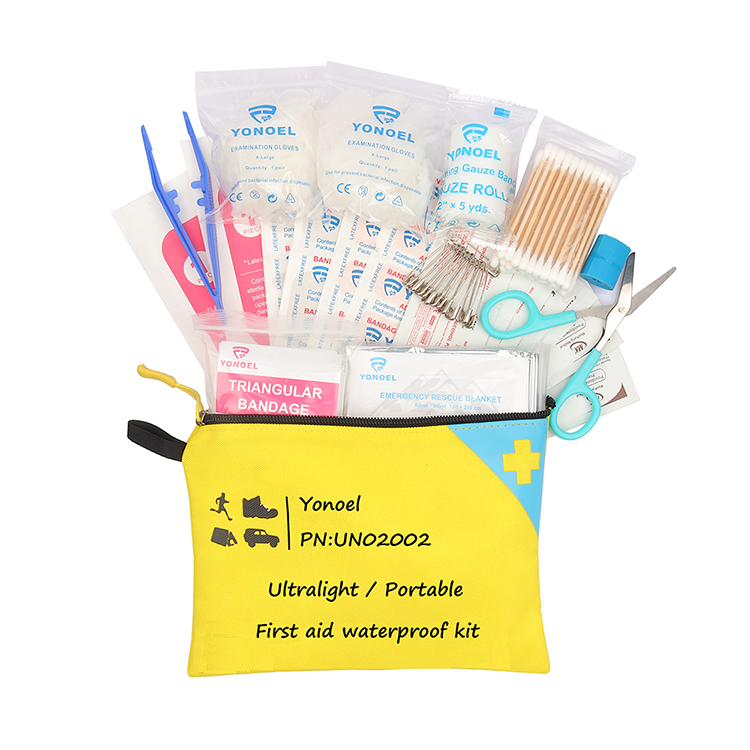
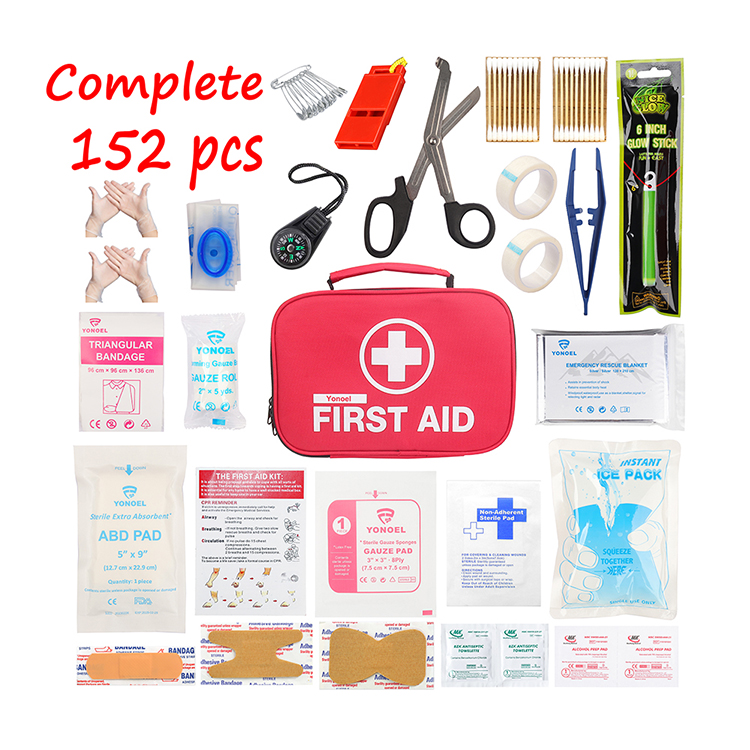
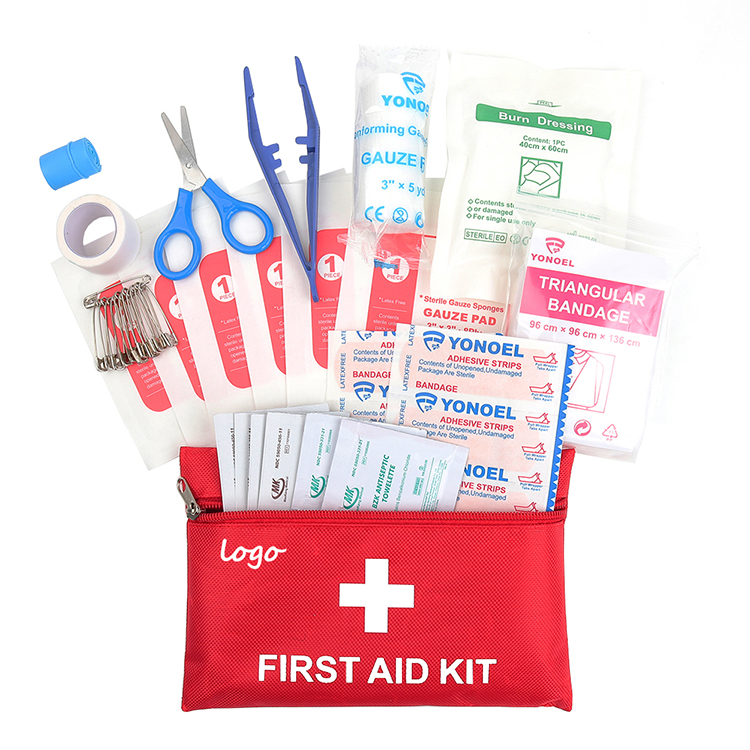
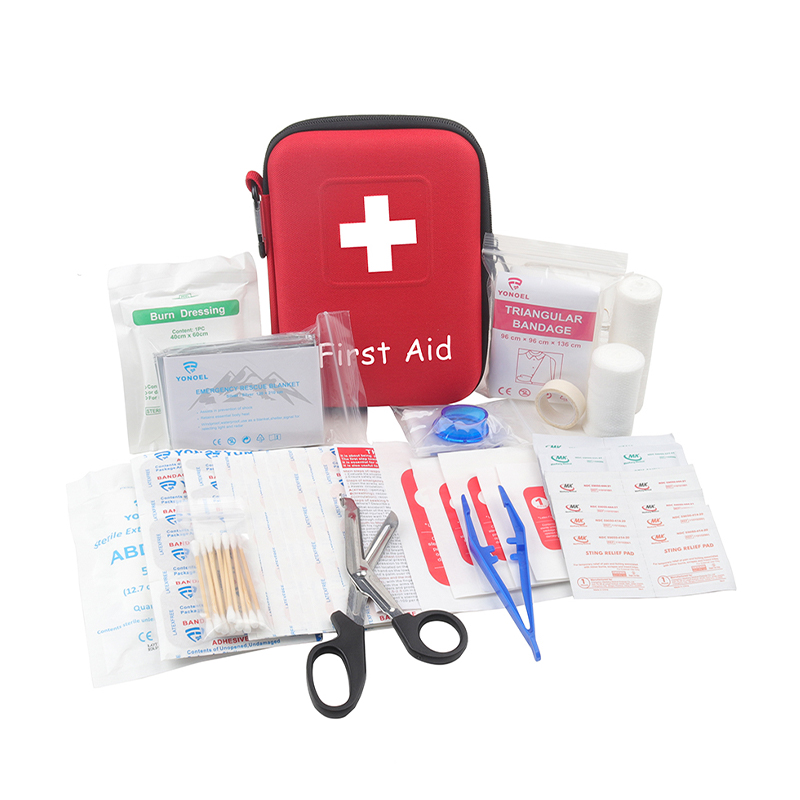
The crisis showed how basic tools — antiseptic wipes, bandages, medical tape, scissors, even simple pain relief — can dramatically change an outcome. Something as small as a clean dressing can prevent a minor cut from turning into a life-threatening infection. A proper bandage can keep a sprain from worsening while waiting for evacuation. A thermal blanket can prevent hypothermia in cold, wet conditions.
These are not complicated medical tools. They are simple items that anyone can use with minimal instruction, yet they become invaluable during emergencies.
Floods, earthquakes, storms, power outages… they don’t follow schedules. Indonesia’s 2025 floods served as a powerful reminder that emergencies strike without warning — sometimes when families are asleep, at school, or on the road. Having a first aid kit at home, in the car, or at the workplace ensures that no matter when disaster hits, you are not starting from zero.
Preparedness isn’t fear-driven — it’s responsible. It’s an act of protection, especially for children, elderly family members, and those with medical conditions who may need immediate attention.
You can’t control the weather. You can’t stop a flood. But you can strengthen your family’s ability to respond. A well-stocked first aid kit empowers ordinary people to take action, stay calm, and care for one another when every second counts.
Prepare today. Protect your family tomorrow. Let the lessons of 2025 remind us that readiness saves lives — long before official help can reach us.
No. 52, Hulian West Street, Jiangbei Street, Dongyang City, Jinhua City, Zhejiang Province, China
Quick Links
Product Center
Contact Us
 PRIVACY

 English
 Deutsch
 Français
 русский
 Español