Driving behavior plays a significant role in determining what kind of roadside car first aid kit is truly practical for everyday use. While many drivers rely on a standard kit that appears suitable for general travel, individual driving patterns, environmental exposure, and the type of vehicle can influence the effectiveness of the tools stored inside. A well-considered kit matches daily routines, anticipated risks, and the nature of the roads a vehicle frequently encounters. When the kit's structure aligns with real driving habits, drivers can manage unexpected situations more smoothly and maintain a sense of control during roadside challenges.
A roadside first aid kit does more than store basic items. Its interior structure, compartment layout, materials, and accessibility features determine how quickly a driver can react when facing an injury or sudden discomfort. Whether someone frequently drives in dense city environments or spends long periods on remote highways, the kit must reflect those needs with thoughtful organization.
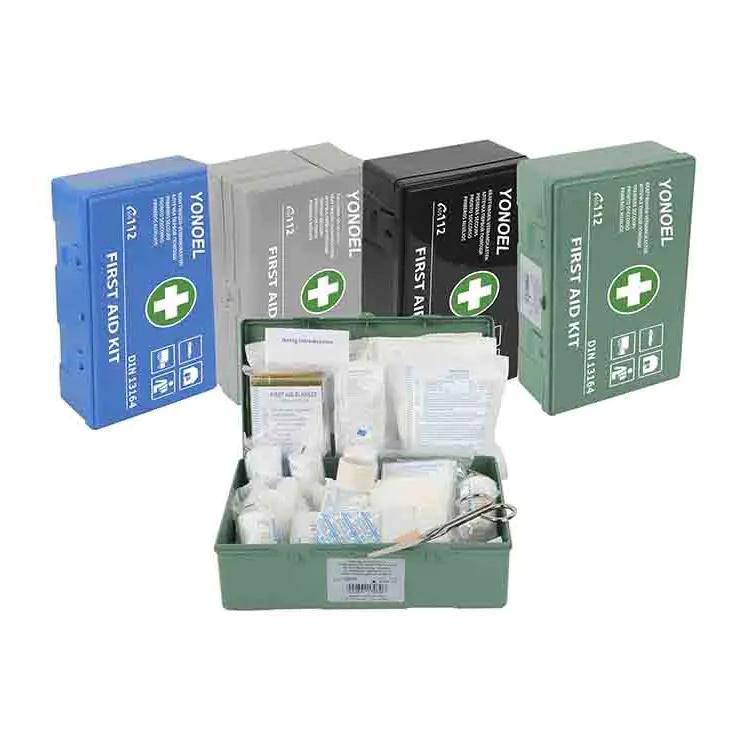
Driving habits vary widely, and each set of behaviors influences the type of first aid items drivers may need access to. Urban drivers often face continuous stop-and-go movement, which carries small but frequent risks of minor scrapes or stress-related discomfort. Drivers who spend time on highways experience longer stretches of uninterrupted travel, which creates fatigue-related risks. Those who enjoy off-road routes or rural environments may require protection against environmental exposure.
Several factors shape these patterns:
Each factor subtly alters the category of first aid supplies and the arrangement of compartments within the kit.
Urban commuters experience numerous brief stops and turns. Traffic congestion increases the possibility of minor strain, small abrasions, or headaches resulting from prolonged focus. Kits meant for urban users benefit from compact solutions and organized compartments that allow quick access to frequently needed essentials.
A kit suited for city driving should include:
These features provide immediate support during small incidents, whether a driver experiences a minor cut while exiting the vehicle or needs a clean, easy-to-reach tool after helping another road user.
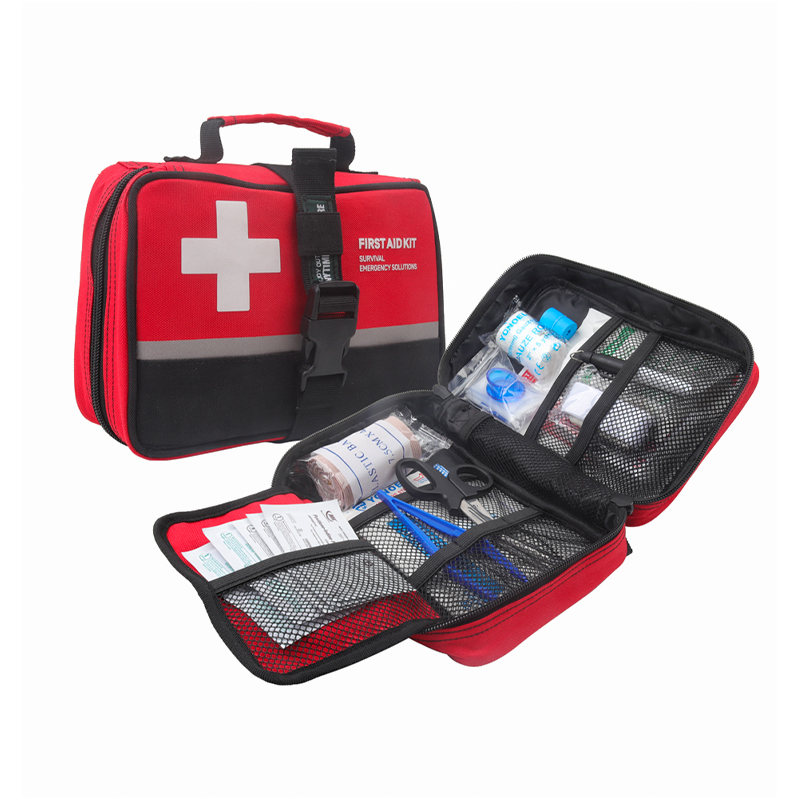
Urban drivers often store their kits under the seat, within the glove compartment, or inside the console. This makes flexible, foldable construction more suitable than rigid cases, as the kit must adapt to limited space.
Long-distance drivers face different challenges. Staying on the road for extended periods can create muscle tension, dryness, fatigue-related discomfort, and unexpected roadside waiting. On open highways, assistance may not be immediately available, which means the kit must be structured to address a wider range of minor issues.
Kits for long-distance driving typically benefit from:
The interior shouldn't be cluttered. Instead, long-distance drivers need a design that separates categories such as body comfort items, cleaning supplies, tool loops, and general support materials. A practical organizational layout supports smoother management during unexpected stops.
Drivers who frequently brake hard, accelerate quickly, or navigate sharp turns may experience an increased risk of small impact-related injuries. Sudden movement within the vehicle can cause minor cuts or small burns from equipment friction. Because of this, a roadside car first aid kit used by such drivers needs superior stability inside the case.
Practical features include:
The case structure itself should resist compressive stress and maintain its form even when placed in areas subject to vibration.
Rural and remote areas often involve unpaved surfaces, dust, moisture, and unpredictable terrain. Drivers may be farther away from immediate roadside support, making preparedness even more important. A kit designed for these conditions must prioritize protection of the contents.
Useful design aspects include:
Such kits often need to withstand placement in cargo spaces, back seats, and outdoor surfaces. Easy cleaning is another key factor, as rural environments bring higher exposure to mud, grass, and debris.
Off-road habits introduce potential risks from uneven ground, scratches, slips, or insect interactions. Drivers who engage in outdoor activities may also carry additional gear in their vehicles, requiring a kit with adaptable internal space.
Off-road drivers typically require more durable organization materials to protect contents from shaking, dust, and weather exposure.
Drivers who regularly travel with family members must consider gentle-care items, hygiene supplies, and additional tools for unexpected discomfort. Children may need softer, non-intimidating items, while elderly passengers may require easier-to-open sections.
A family-oriented kit benefits from:
Pet travel habits often involve fur, spilled water, or outdoor exposure, making easy-clean surfaces and water-resistant linings valuable.
Delivery drivers or work-related vehicle operators spend long hours behind the wheel and have higher exposure to unfamiliar surroundings. Their kits should have professional-grade durability and an interior layout that supports quick, repeated access.
Key structural elements include:
A well-organized kit helps drivers manage small workplace injuries or environmental irritations quickly without interrupting workflow.
Climate influences the type of discomfort or minor injuries drivers may face. Hot conditions may cause skin dryness or irritation, while cold environments reduce flexibility. Rain-heavy regions introduce slippery surfaces and interior moisture.
Kits adapted to weather conditions should feature:
Climate-aware organization ensures the kit remains functional during seasonal changes.
Driving frequency also affects kit selection. Drivers who move short distances a few times per week may only need compact setups. Regular commuters benefit from mid-sized kits with extra pockets. Those with high driving frequency require a larger arrangement to accommodate a wider set of predictable needs.
Drivers should evaluate:
| Driving Habit Type | Key Risks | Preferred Kit Style | Structural Features |
|---|---|---|---|
| Urban Commuting | Minor scrapes, stress discomfort | Compact/foldable | Clear pockets, quick-access |
| Long-Distance Travel | Fatigue, dryness, extended waiting | Medium–large | Multi-section layout |
| Aggressive Driving | Small impact injuries | Reinforced | Elastic loops, tight pockets |
| Rural/Remote | Dirt, moisture, limited help | Water-resistant | Mesh ventilation, sealed edges |
| Off-Road | Outdoor interaction, scratches | Hard-shell | Vertical dividers, reinforced linings |
| Family Driving | Hygiene, gentle care, pet travel | Soft-edged | Labeled sections, sealed pockets |
Many drivers select kits based solely on appearance or general-purpose assumptions. Common mistakes include:
A well-selected kit addresses these factors with balanced organization, durable construction, and environmentally suited materials.
A roadside car first aid kit becomes significantly more effective when it matches the driver's habits, environment, and vehicle type. Thoughtful organization, reliable materials, and strategic compartment placement make a meaningful difference during stressful roadside moments. By reviewing personal driving patterns, drivers can choose a kit that supports smoother reactions and reduces unnecessary delays in handling small incidents.
Selecting a first aid kit aligned with driving behavior becomes easier with a manufacturer that focuses on structured design, practical materials, and consistent quality. Yonoelfirstaid offers roadside-oriented kit solutions built with organized interiors, cleanable surfaces, and compartments that support real-world driving challenges. Each layout aims to help users quickly locate essential tools without confusion, especially in situations where time and clarity matter.
Yonoelfirstaid also provides support in kit selection by reviewing intended vehicle use, environment, and user priorities. With attention to both structure and reliability, the company assists drivers in preparing for varied road conditions through well-built, thoughtfully arranged first aid kits. This approach helps drivers maintain a more confident and stable experience during unexpected roadside situations.
No. 52, Hulian West Street, Jiangbei Street, Dongyang City, Jinhua City, Zhejiang Province, China
Quick Links
Product Center
Contact Us
 PRIVACY

 English
 Deutsch
 Français
 русский
 Español