A serious highway pileup occurred in Northern California on the afternoon of November 28, when multiple vehicles collided after an SUV reportedly lost control on a busy stretch of road. The impact triggered a chain reaction involving several cars, leaving the roadway blocked and multiple passengers injured. While firefighters and EMS teams arrived quickly, the incident once again underscored an issue that safety experts have been stressing for years: every vehicle should carry a properly stocked first aid kit, because immediate care in those first few minutes can make a lifesaving difference.
In this incident, several bystanders and nearby residents rushed to help as soon as the crash occurred. Before emergency responders reached the scene, they assisted injured passengers out of damaged vehicles and attempted to stop bleeding, calm shock reactions, and support those who were immobilized or disoriented. These courageous efforts offered crucial stabilization—but their ability to help largely depended on whether someone nearby had even a basic first aid kit in their car.
Situations like this expose a common reality: even in well-connected regions with fast emergency response times, there is always a critical gap between the accident and professional medical care. Bleeding, airway obstruction, and trauma reactions can worsen rapidly. A first aid kit isn't just a safety accessory—it is a frontline tool that empowers ordinary people to perform essential, potentially lifesaving support before trained responders arrive.
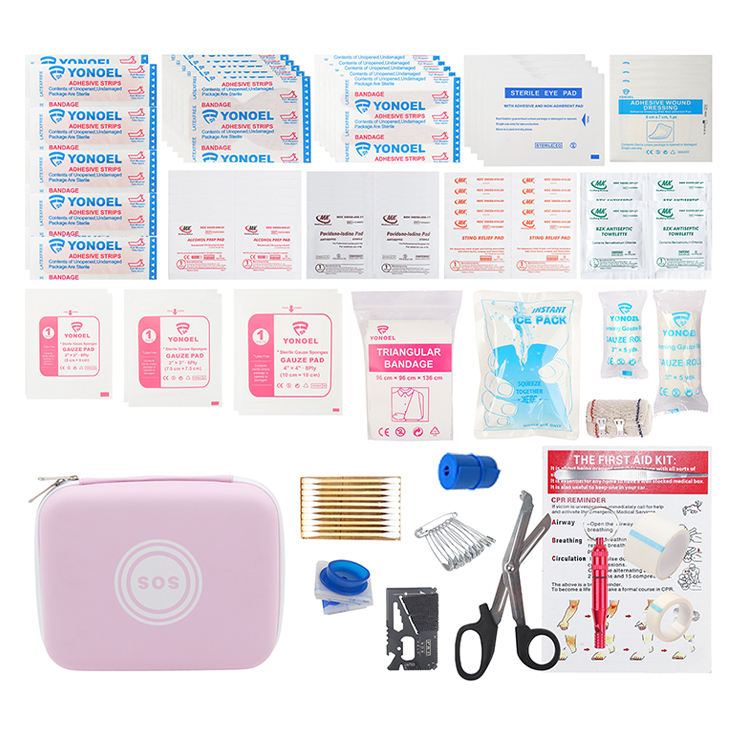
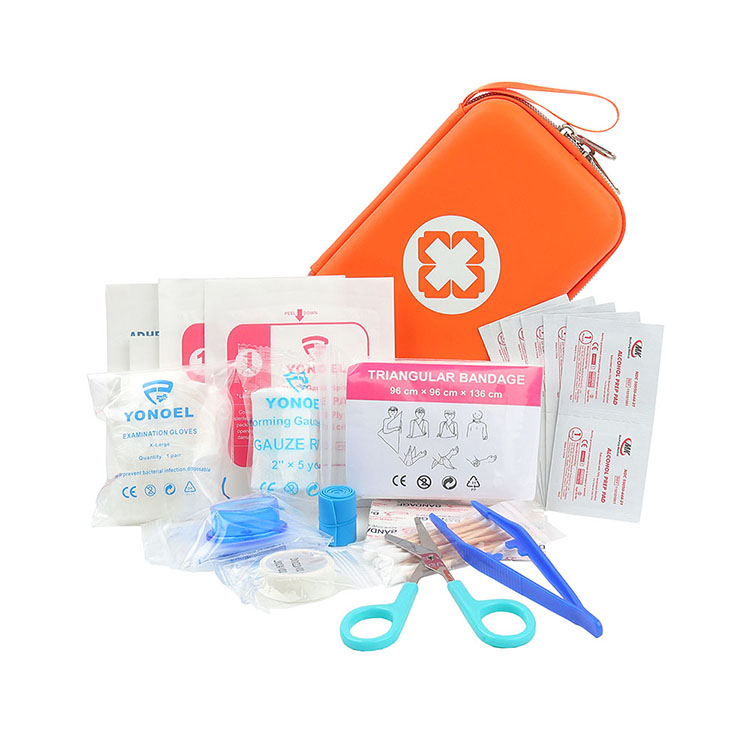
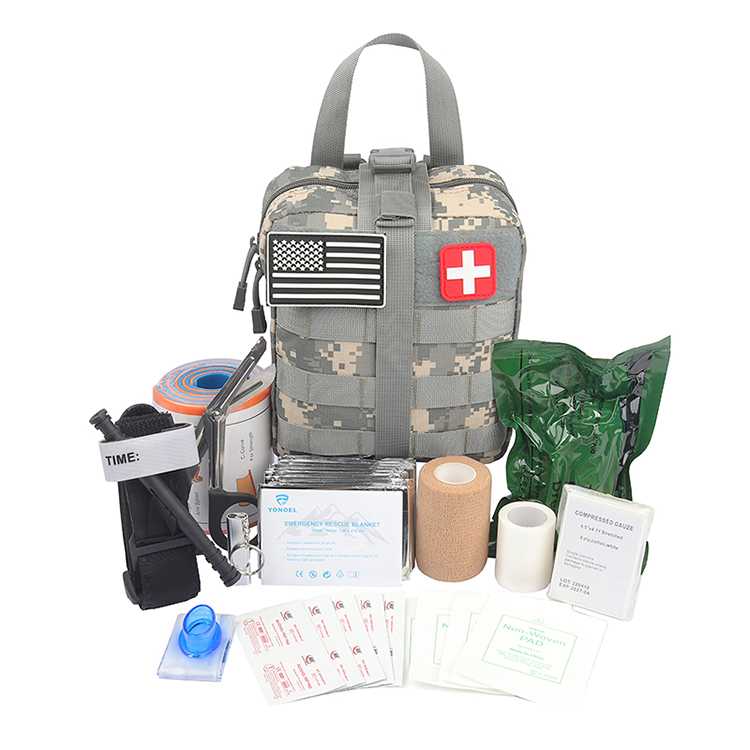
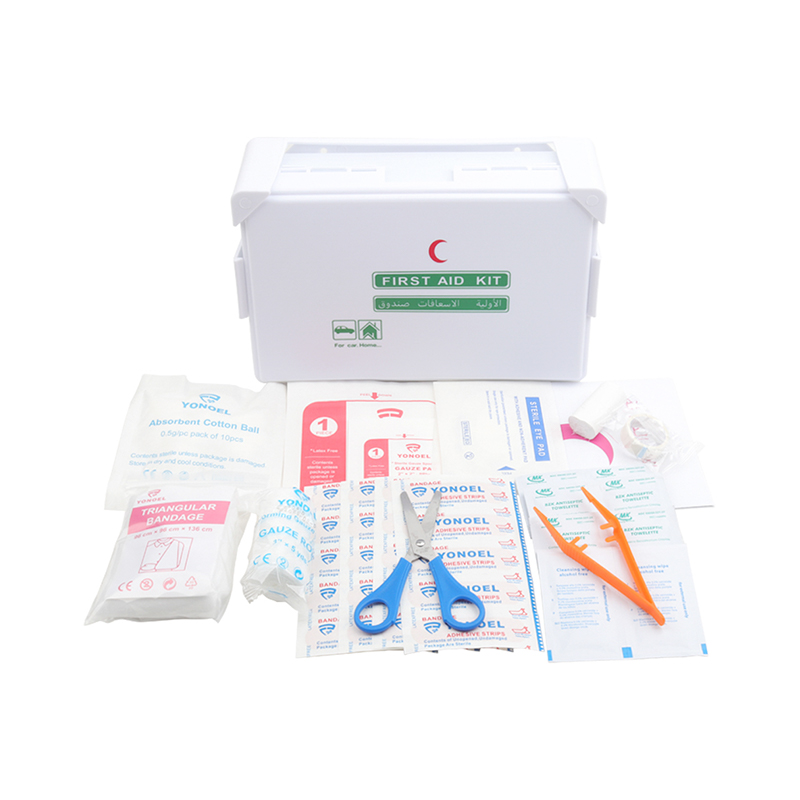
Experts note that even a compact automotive first aid kit can transform the outcome of an emergency. Items such as sterile gauze, trauma dressings, antiseptic wipes, triangular bandages, and disposable gloves allow bystanders to:
Control moderate to heavy bleeding
Clean and cover open wounds
Stabilize suspected fractures
Support the neck or spine before EMS arrival
Reduce infection risks
In highway accidents—where sharp metal edges, shattered glass, and impact trauma are common—these capabilities are invaluable. Without a first aid kit, people must improvise with clothing or bare hands, which limits what they can safely and effectively do.
Authorities investigating the Northern California crash emphasized that tire fatigue, fast driving, and rapidly changing winter road conditions may have contributed to the collision. Drivers are urged to perform regular vehicle maintenance and reduce speed in unpredictable weather. But safety extends beyond preventing accidents; it also involves preparing for what to do if an accident occurs.
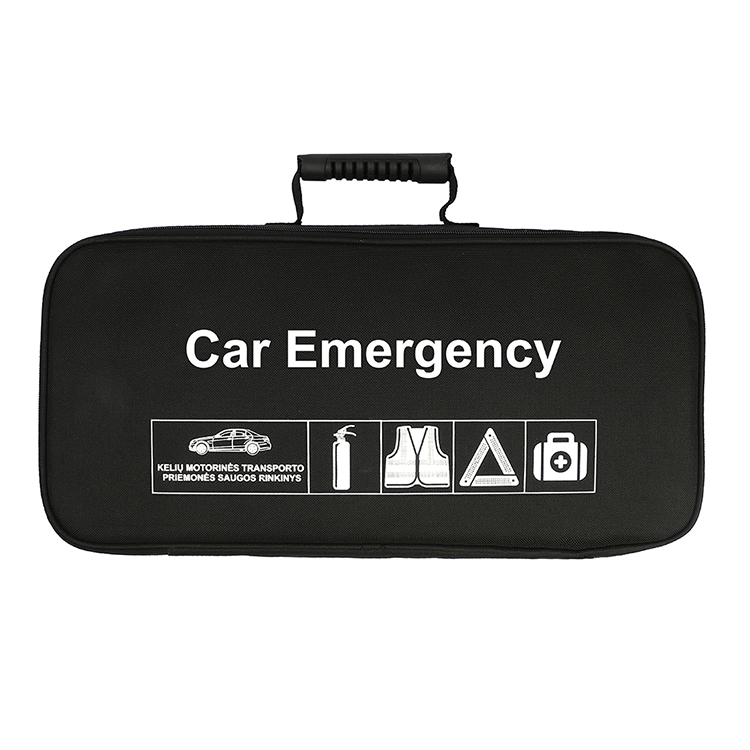
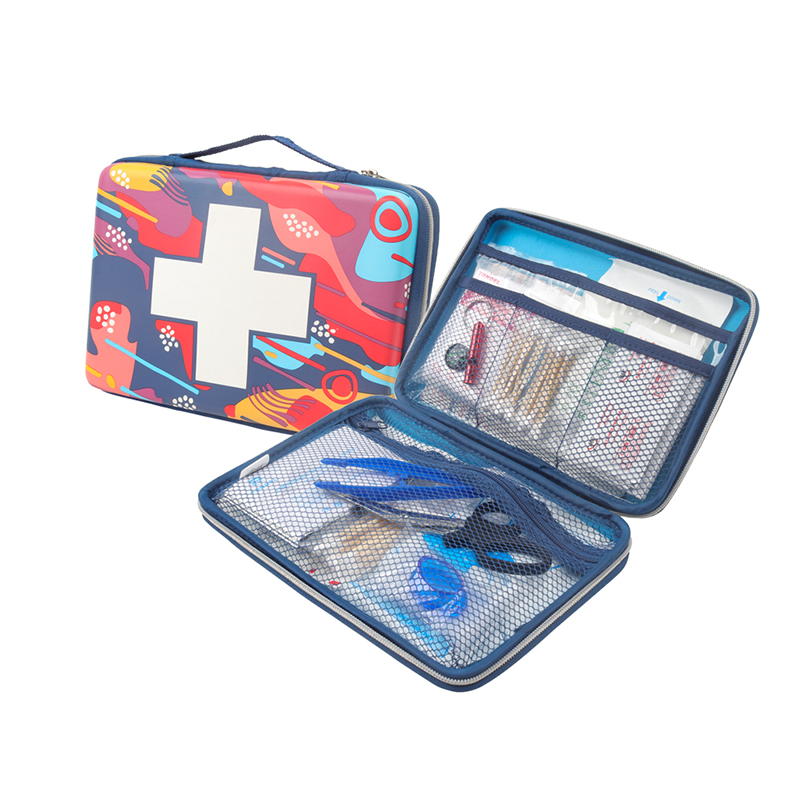
Carrying a first aid kit is one of the simplest, most practical forms of preparedness. It takes up little space, requires minimal cost, and can offer tremendous peace of mind.
The Northern California highway pileup is a powerful reminder that emergencies can happen without warning, even to cautious and experienced drivers. While emergency services responded quickly, those first moments before their arrival remain the most critical. By keeping a reliable first aid kit in every vehicle—whether for daily commuting, family travel, or long-distance trips—drivers can be better equipped to protect themselves and others when it matters most.
No. 52, Hulian West Street, Jiangbei Street, Dongyang City, Jinhua City, Zhejiang Province, China
Quick Links
Product Center
Contact Us
 PRIVACY

 English
 Deutsch
 Français
 русский
 Español