Most gifts get opened, admired for five minutes, and then forgotten. A first-aid kit is different. It just sits on a shelf or in a drawer until the exact moment someone is bleeding, crying, or panicking, and suddenly it becomes the best thing anyone ever gave you. It's quiet, practical, and says "I want you and the people you care about to be okay" in a way no other present really does.
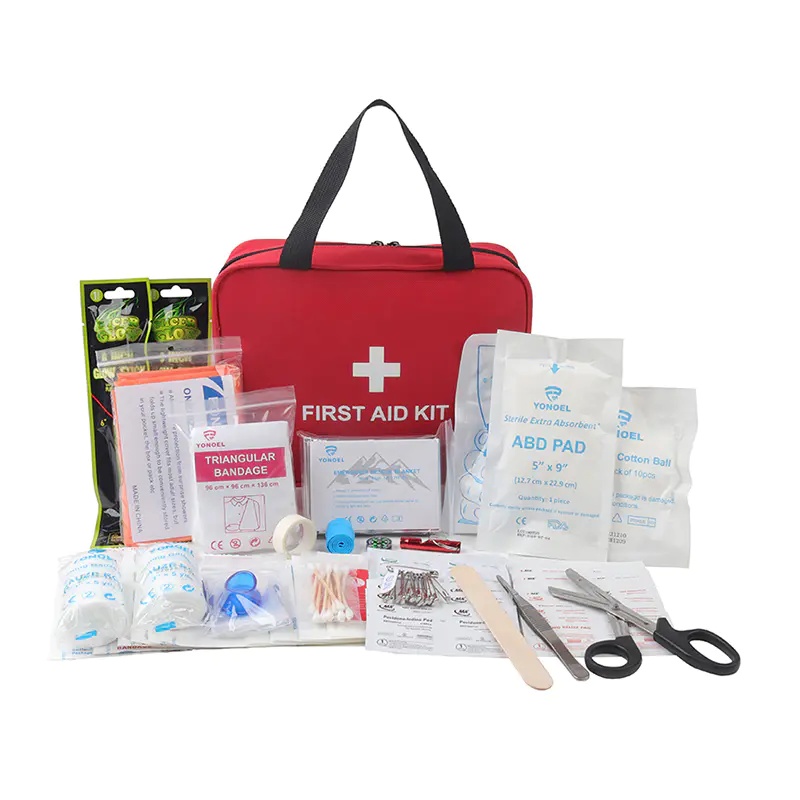
Gift first aid kits are designed to combine practical medical supplies with thoughtful presentation. They differ from standard first aid kits in that they often prioritize portability, aesthetics, and customization. Typically, these kits include items such as adhesive bandages, antiseptic wipes, gauze pads, scissors, gloves, and basic emergency tools. Some kits may also feature specialized items such as burn treatments, thermal blankets, and CPR masks.
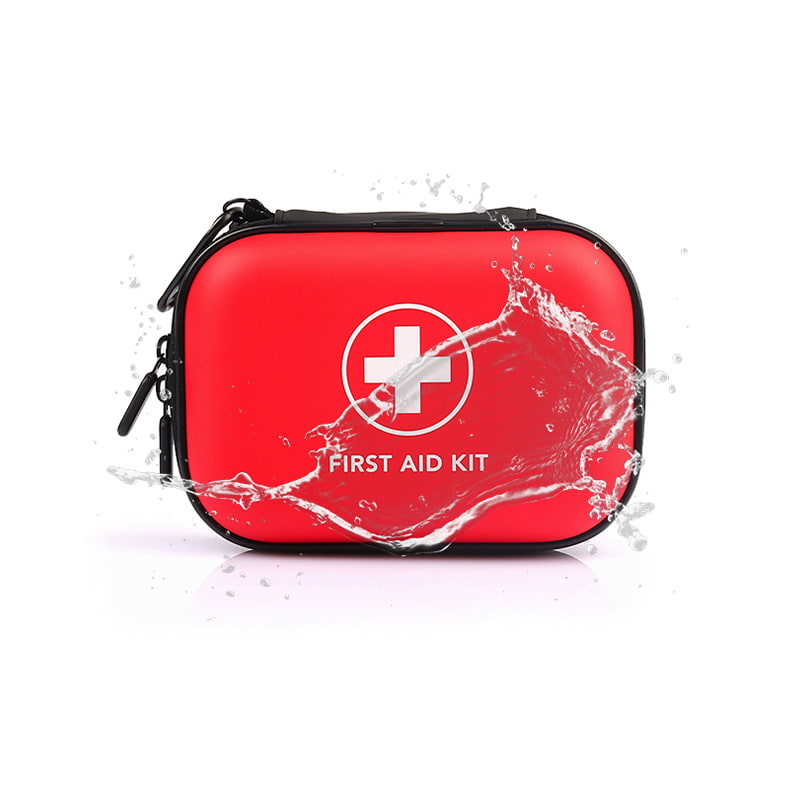
Packaging can make a significant difference in how a kit is received. Kits may come in compact boxes, decorative tins, or backpack-style pouches, and some can be customized with names, colors, or themes. This approach not only encourages regular use but also makes first aid supplies more approachable and visually appealing.
Nothing complicated, just the things people grab first when something goes wrong:
That's the foundation. From there you tweak it for where it's going to live.
They handle the little emergencies that happen every week but can ruin an entire day if you're not ready. A burn cools fast instead of blistering, a cut gets cleaned properly instead of turning red and angry, a headache fades instead of forcing someone home early. Beyond the practical side, it's deeply thoughtful. It shows you were thinking about their real life — the scraped knees, the kitchen accidents, the playground falls — not just the Instagram version. It saves money on unnecessary clinic visits, gives people confidence to help instead of freeze, and quietly strengthens relationships because the recipient knows you genuinely care.
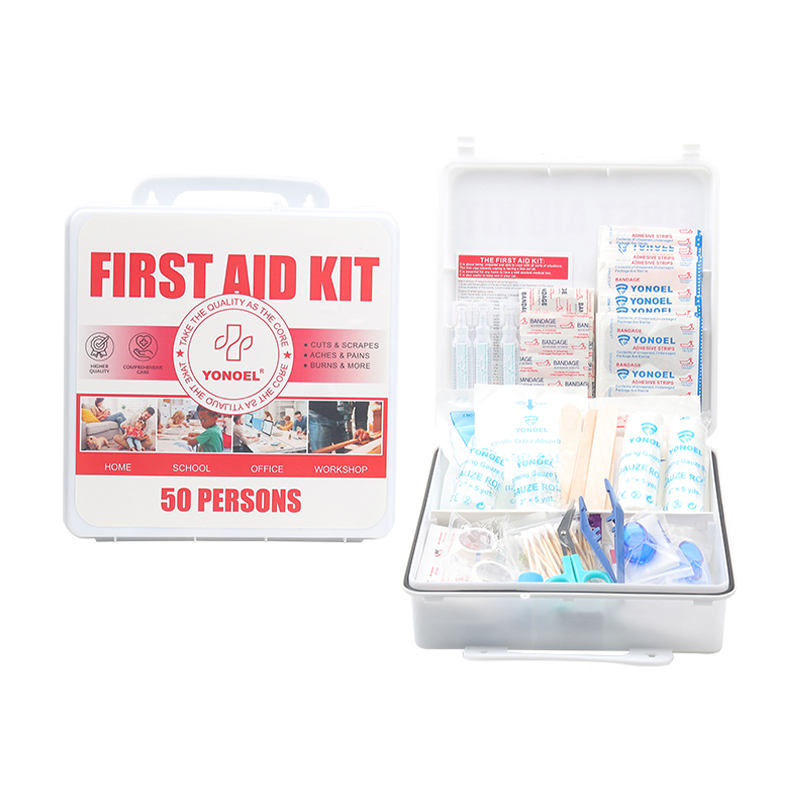
Homes are full of sharp corners, hot pans, slippery floors, and kids who think they're superheroes. Add burn gel (someone always brushes the oven rack), a couple of triangular bandages for slings, a finger splint, and a tick remover if you have pets or a backyard. Keep everything in a bright, waterproof box mounted inside the pantry door or on a high kitchen shelf — adults spot it instantly, toddlers can't reach it. A clear lid means you can see at a glance if anything needs replacing.
When choosing a home kit as a gift, consider the household size and the ages of residents. Kits should be easy to access, clearly labeled, and include instructions for basic first aid procedures. Storage in an accessible location such as a kitchen or bathroom ensures that supplies are available when needed.
For instance, a family gift kit may include child-safe bandages, burn cream, and a small pair of scissors, while also providing a first aid guide. This combination supports both children and adults in responding to everyday injuries efficiently.
Paper cuts, tension headaches from too much screen time, someone fainting by the printer, or twisting an ankle rushing to a meeting — offices have their own brand of chaos. Go for a sleek gray or black case that doesn't scream "emergency" but still looks professional. Stock extra pain relievers, a small bottle of eye wash, glucose packs for skipped lunches, and plenty of plain bandages. Tuck it next to the coffee machine or microwave — places people already visit ten times a day.
Office kits should account for staff size, office layout, and the nature of work. For example, kitchens or workshops may require burn treatments or protective gloves, whereas administrative areas may focus on bandages, antiseptic wipes, and pain relief.
Regular checks to restock used items and monitor expiration dates are essential. Kits should be visible and easy to reach, with staff trained on how to access and use contents effectively.
Teachers and coaches spend their own money on bandages every single year. A compact zipper pouch with fun-pattern kid bandages, mini ice packs, gloves, and a carabiner clip so it hooks onto a backpack or gym bag is something they'll use weekly. Bright colors make it easy to spot on a crowded playground or in a busy nurse's office.
School-oriented kits should be compact, portable, and safe for children. Contents may include child-size bandages, gentle antiseptics, and soft-tipped scissors. Portability is key, especially for playground or gym use.
While kits provide necessary supplies, staff familiarity with their contents is equally important. Regular practice in minor injury response helps ensure that students receive timely and appropriate care.
| Where the Kit Lives | Must-Have Extras People Actually Use | Best Container Style |
|---|---|---|
| Home | Burn gel, triangular bandages, tick remover | Bright waterproof box, wall-mounted |
| Office | Eye wash, glucose packs, extra pain meds | Sleek black/gray case |
| School/Teacher | Fun kid bandages, mini ice packs, carabiner clip | Colorful pouch with hook |
By evaluating these factors, a gift first aid kit can provide both immediate utility and long-term value.
Proper maintenance ensures that gift first aid kits remain functional and reliable. Monitoring expiration dates and replacing used items prevents unexpected shortages. Storage in a dry, cool location protects items from moisture or heat damage. Additionally, periodic inspection ensures that all essential components are in place and ready for use.
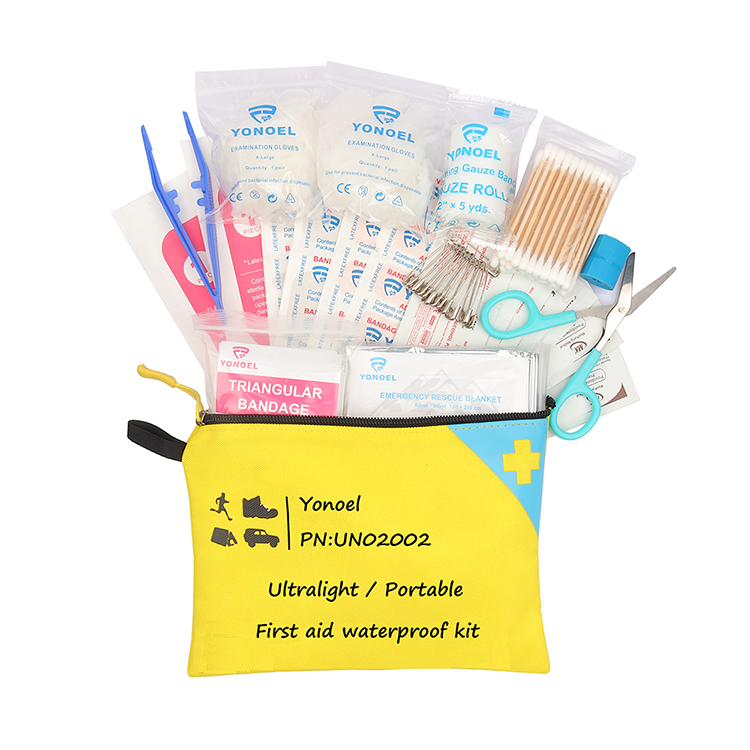
Modern gift first aid kits incorporate practical design innovations. Lightweight and waterproof containers improve portability, while compartments organize items efficiently. Some kits include visual guides, instructional cards, or QR codes for step-by-step assistance. Eco-friendly materials and reusable containers are also gaining attention, appealing to environmentally conscious users.
For schools and offices, compliance with local safety regulations is important. While gift kits are primarily for minor injuries, adherence to recommended standards ensures that users can trust the contents. Proper labeling, safe materials, and inclusion of essential items support both regulatory compliance and practical use.
Wrap it properly — tissue paper and ribbon make even a red box feel special. Add a handwritten note: "Hope this just collects dust, but glad it's there if you ever need it." Throw in one small personal touch: hand lotion for a new mom, a nice coffee packet for a coworker, or a pack of colored pencils for a teacher. Skip the giant red cross sticker; a simple "Stay Safe" tag feels warmer and less clinical.
Cheap kits spill everywhere the first time you open them, scissors barely cut paper, and half the bandages lose their stick before you peel the backing. Spend a little more on sturdy zippers, logical compartments, and supplies that actually work, and you've given something that won't get shoved to the back of a closet.
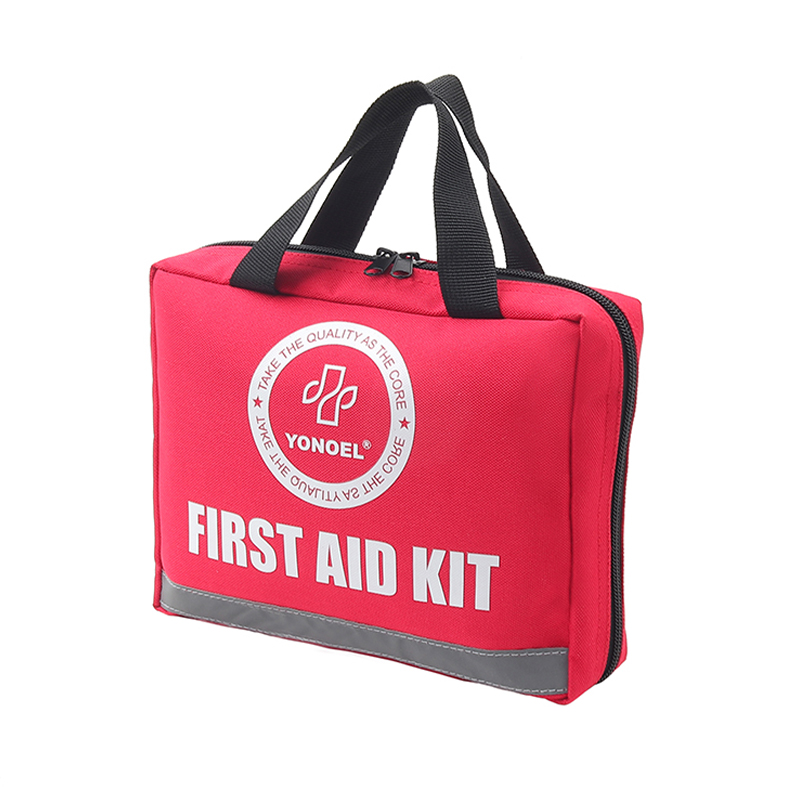
When you want a kit that looks good, holds up to real life, and feels thoughtful rather than generic, Yonoel makes versions that hit the sweet spot. Clean designs, tough fabric cases, and everything arranged so anyone can find what they need in seconds — whether it's headed to a family kitchen, an office break room, or a teacher's desk.
Yonoel offers different sizes and colors and is happy to swap items in or out if you have something specific in mind. Parents, office managers, and teachers keep coming back because the kits stay useful and don't fall apart after the first real emergency. If you're after a gift that quietly says "I care about you staying safe," they're a solid choice.
No. 52, Hulian West Street, Jiangbei Street, Dongyang City, Jinhua City, Zhejiang Province, China
Quick Links
Product Center
Contact Us
 PRIVACY

 English
 Deutsch
 Français
 русский
 Español