As outdoor recreation continues to surge across parks, hiking trails, and camping areas, emergency authorities have released a new industry advisory highlighting the growing importance of emergency preparedness. Recent reports from regional rescue teams show a noticeable rise in outdoor-related injuries, prompting officials to stress that early response and proper equipment—especially a well-prepared first aid bag—can significantly reduce injury severity and prevent complications in remote environments.
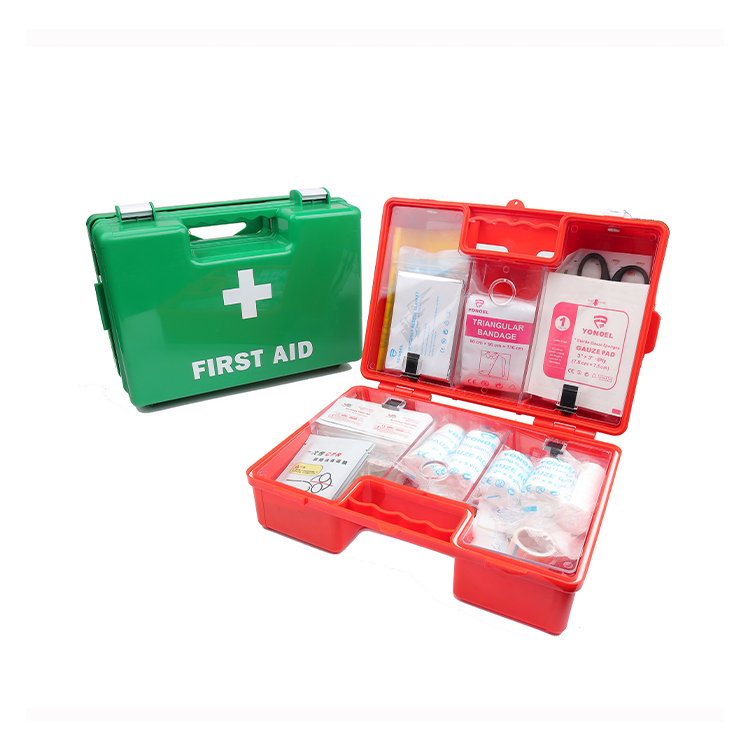
With more people seeking fresh air through hiking, trekking, and camping, first responders are encountering a wider range of incidents. Commonly reported injuries include cuts, abrasions, sprains, dehydration, and heat-related conditions. While many of these injuries are not immediately life-threatening, rescue teams note that delays in basic first aid often lead to worsening outcomes.
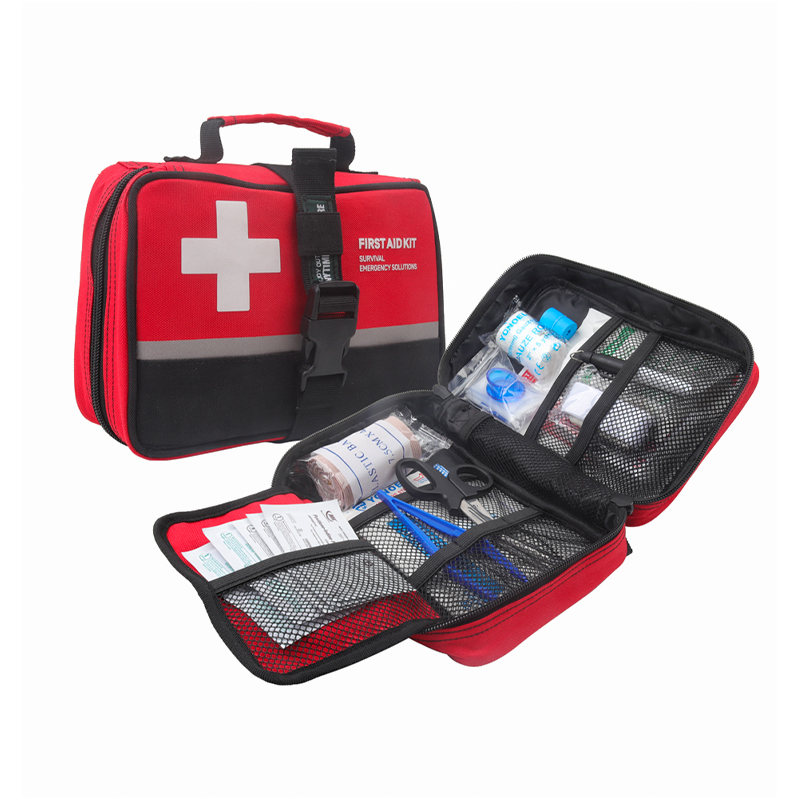
In several cases, individuals lacked the necessary supplies to control bleeding or stabilize an injured limb while waiting for professional assistance. Officials emphasize that carrying a compact but properly stocked first aid bag is no longer optional—it is an essential part of responsible outdoor travel.
Unlike urban settings, outdoor locations often involve long response times. When trails are isolated or weather conditions limit access, emergency services may take hours to arrive. During this critical window, immediate care can make a decisive difference.
Medical professionals highlight bleeding control as one of the most important first-response actions. Applying direct pressure with sterile dressings or bandages—items typically found in a quality first aid bag—can prevent excessive blood loss and reduce the risk of infection.
Similarly, musculoskeletal injuries such as sprains or soft-tissue damage are increasingly common on uneven or wet terrain. Early stabilization using compression wraps and basic support materials helps prevent further injury and allows the affected person to remain safe until rescue teams arrive.
Authorities also stress that equipment alone is not enough. Understanding how to use the contents of a first aid bag correctly is equally important. Simple techniques such as wound cleaning, bandaging, and temporary splinting can significantly improve outcomes when applied promptly.
Emergency coordinators recommend that outdoor enthusiasts familiarize themselves with foundational first aid principles, including managing dehydration, recognizing heat exhaustion, and responding to cold exposure. These skills are especially valuable in environments where professional medical help is not immediately accessible.
Beyond emergency response, officials remind the public that prevention plays a key role in outdoor safety. Monitoring weather conditions, wearing appropriate footwear, staying hydrated, and choosing routes that match physical ability all help reduce risk. Traveling in groups and sharing trip plans with a trusted contact further improves safety and response readiness.
As outdoor recreation continues to grow, authorities encourage individuals to view preparedness as part of the experience, not an afterthought. A reliable first aid bag, combined with basic training and situational awareness, empowers hikers and campers to respond calmly and effectively when unexpected situations arise.
Industry experts agree that strengthening first-aid readiness not only protects individuals but also reduces strain on emergency services. As the season progresses, officials urge all outdoor enthusiasts to prioritize preparation and ensure every journey begins with safety in mind.
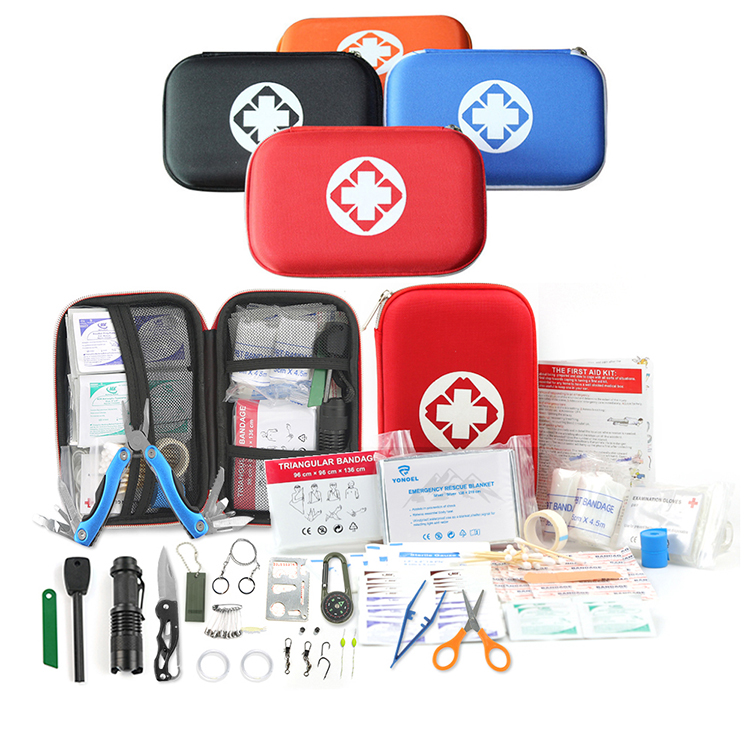
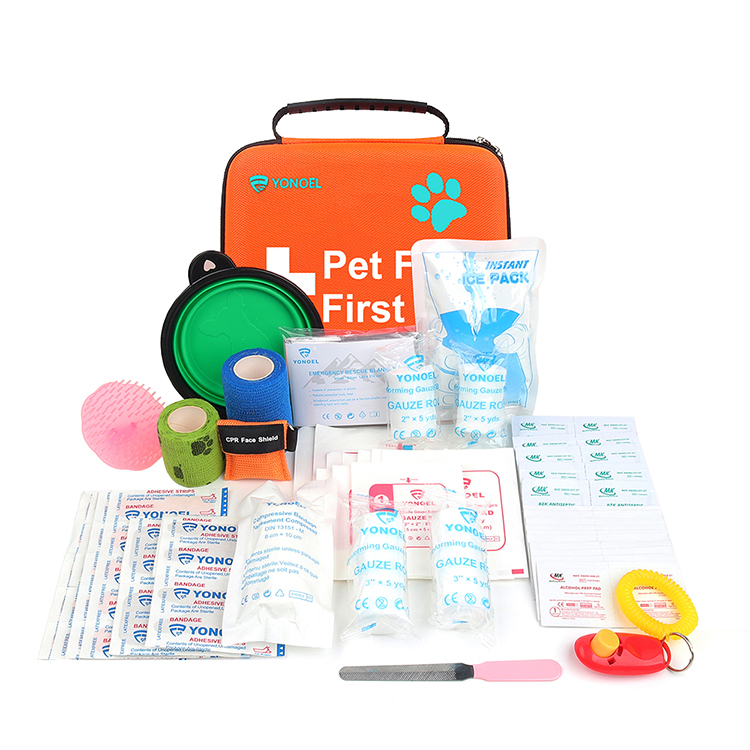
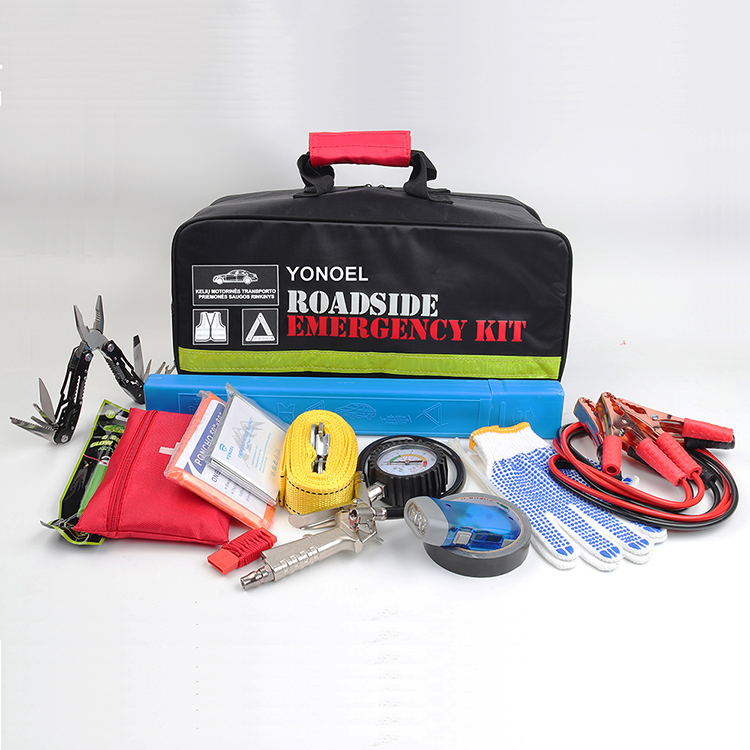
.jpg)
No. 52, Hulian West Street, Jiangbei Street, Dongyang City, Jinhua City, Zhejiang Province, China
Quick Links
Product Center
Contact Us
 PRIVACY

 English
 Deutsch
 Français
 русский
 Español