A new industry analysis examining home, vehicle, travel, and workplace emergency supplies across the United States and Europe has revealed a concerning reality: the majority of first aid kits currently in use are outdated, incomplete, and poorly maintained. Safety experts warn that relying on an old or insufficient first aid bag can create a false sense of security and leave individuals unprepared during critical moments.
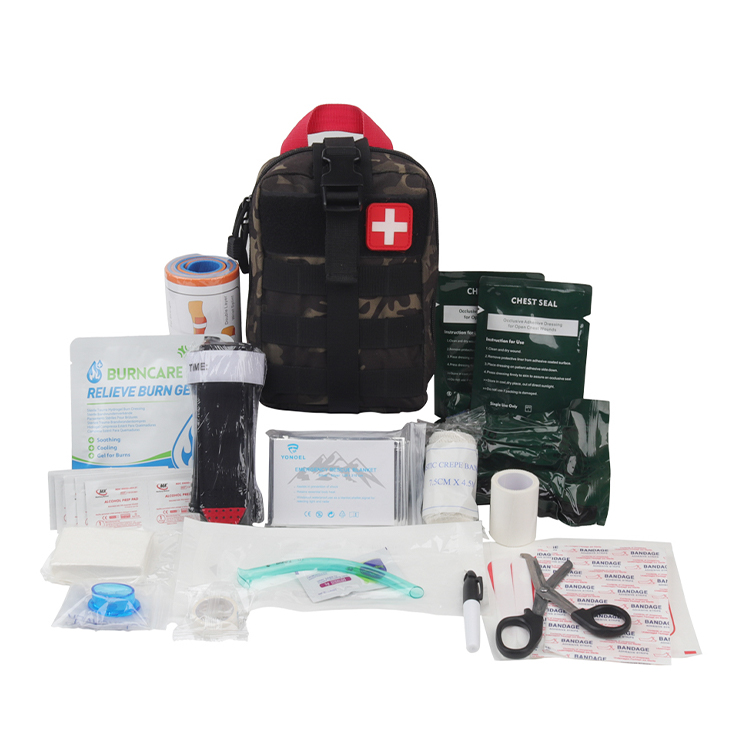
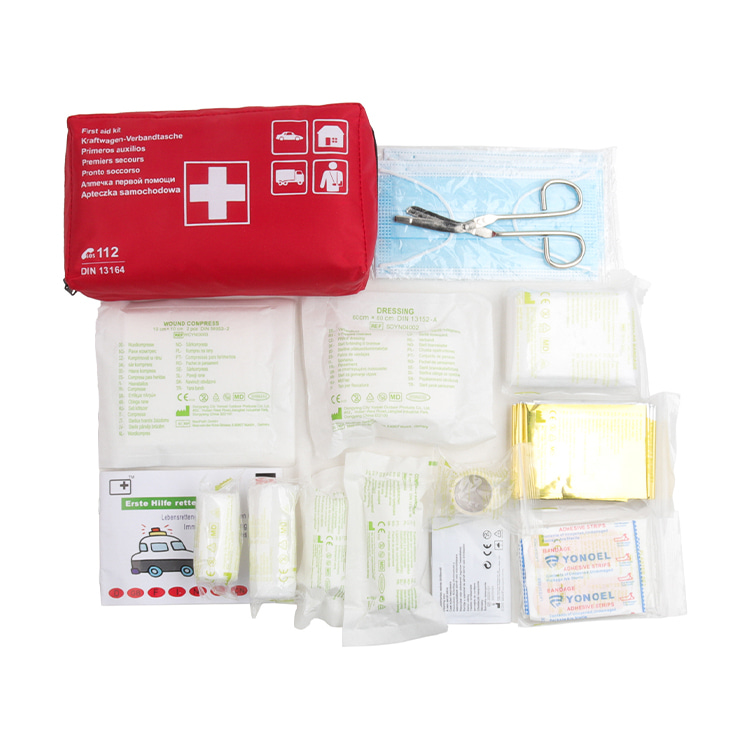
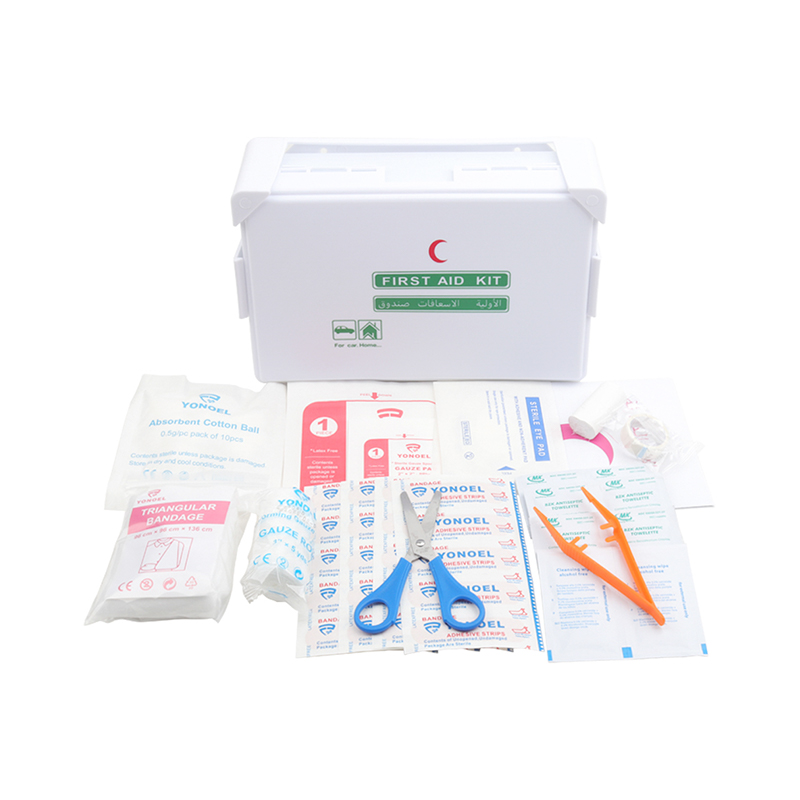
The research found that nearly 60% of inspected kits contained expired, damaged, or ineffective items that no longer meet modern first aid standards. Common issues included dried-out alcohol wipes, expired ointments, missing bandages, and the complete absence of protective gloves. Many kits also lacked basic tools such as scissors or tweezers, along with burn-care supplies, emergency blankets, or CPR barriers.
In interviews, many households admitted they had purchased their first aid bag several years ago and never reviewed or replenished its contents. Emergency response trainers caution that time-sensitive situations demand reliable supplies, and outdated materials may fail when they are needed most.
According to emergency medical technicians and first aid instructors, several critical items are frequently absent from standard kits:
Protective gloves, which reduce infection risk for both caregiver and patient
Trauma scissors, allowing quick access to injuries by cutting clothing or bandages
Tweezers, essential for removing splinters, debris, or ticks
Cold or ice packs, important for managing swelling and soft-tissue injuries
Modern wound-cleaning solutions, which are safer alternatives to traditional alcohol or hydrogen peroxide
Experts emphasize that without these essentials, even minor injuries can become difficult to manage effectively.
Changing lifestyles have increased everyday exposure to injury risks. More people are traveling, engaging in outdoor recreation, performing home improvement projects, and participating in sports and family activities. At the same time, climate-related emergencies and natural disasters are becoming more frequent, increasing the likelihood that medical assistance may be delayed.
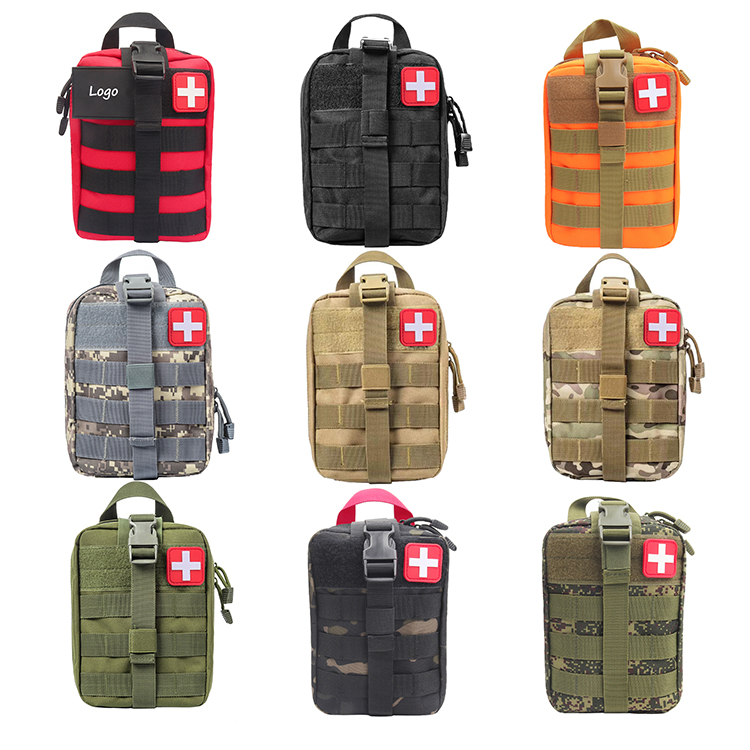
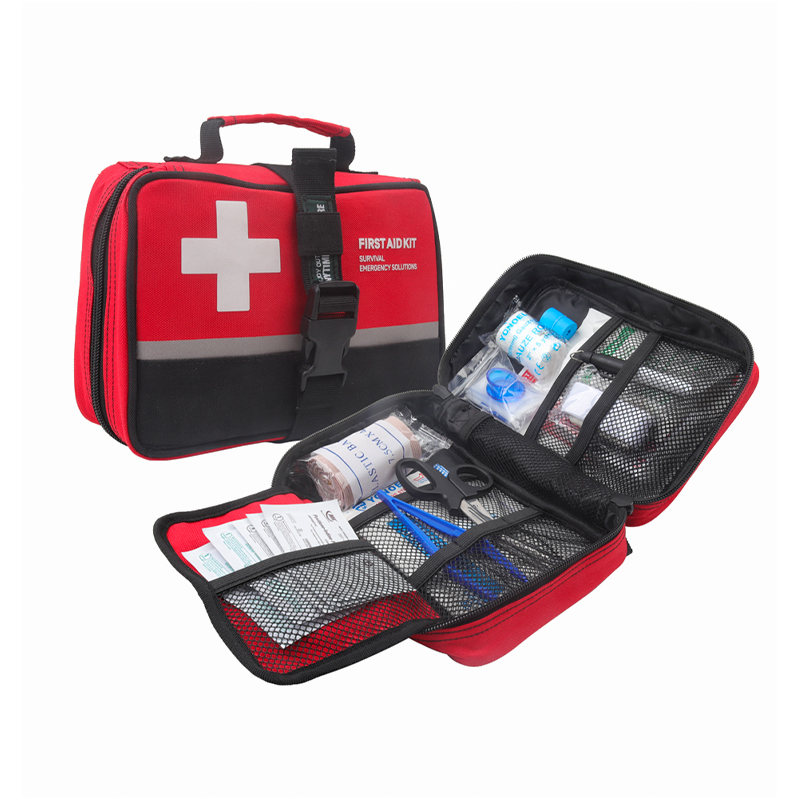
In such situations, a well-organized Outdoor Survival First Aid Kit provides the tools needed to stabilize injuries, prevent complications, and support recovery until professional help arrives. Unlike basic kits, survival-oriented solutions are designed to handle a wider range of unexpected scenarios.
The research also highlights gaps in workplace emergency preparedness. Despite updated safety guidelines, many small and mid-sized businesses were found to have first aid bags that lacked mandatory items or were stored in hard-to-access locations. Industry observers note that inadequate workplace kits increase risk and may lead to compliance issues during inspections.
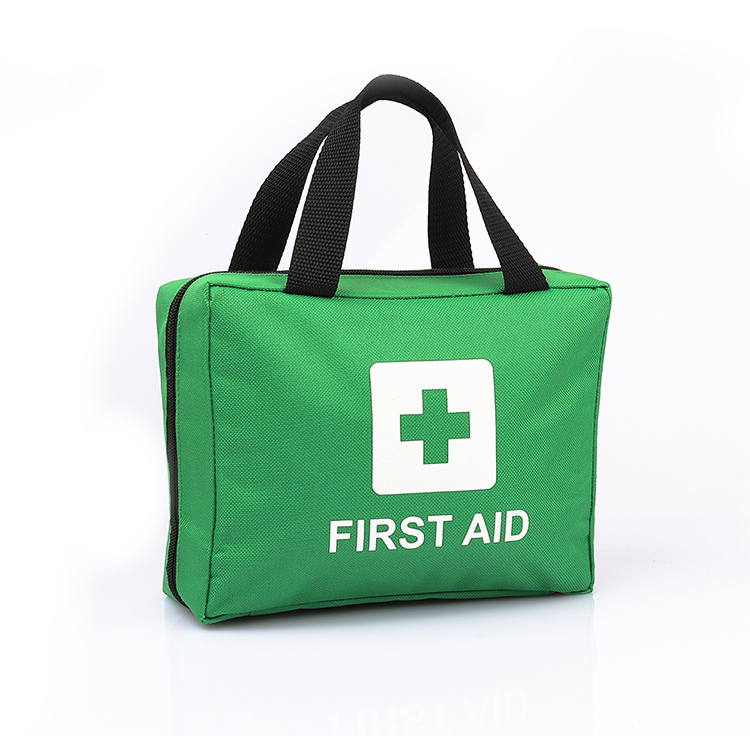
Safety organizations recommend reviewing first aid supplies at least once a year, replacing expired items, and upgrading to kits that reflect modern emergency needs. Choosing a comprehensive first aid bag or an Outdoor Survival First Aid Kit ensures readiness across daily life, travel, and outdoor environments.
As experts emphasize, preparation is not about fear—it is about responsibility. In emergencies, the right equipment at the right time can make all the difference
No. 52, Hulian West Street, Jiangbei Street, Dongyang City, Jinhua City, Zhejiang Province, China
Quick Links
Product Center
Contact Us
 PRIVACY

 English
 Deutsch
 Français
 русский
 Español