In February 2025, Chile faced one of the most destructive wildfire seasons in recent memory. Driven by extreme heat, prolonged drought, and powerful winds, rapidly spreading fires tore through central and southern regions, destroying thousands of homes and displacing tens of thousands of residents. Entire communities were forced to evacuate within minutes, often leaving with nothing more than what they could carry.
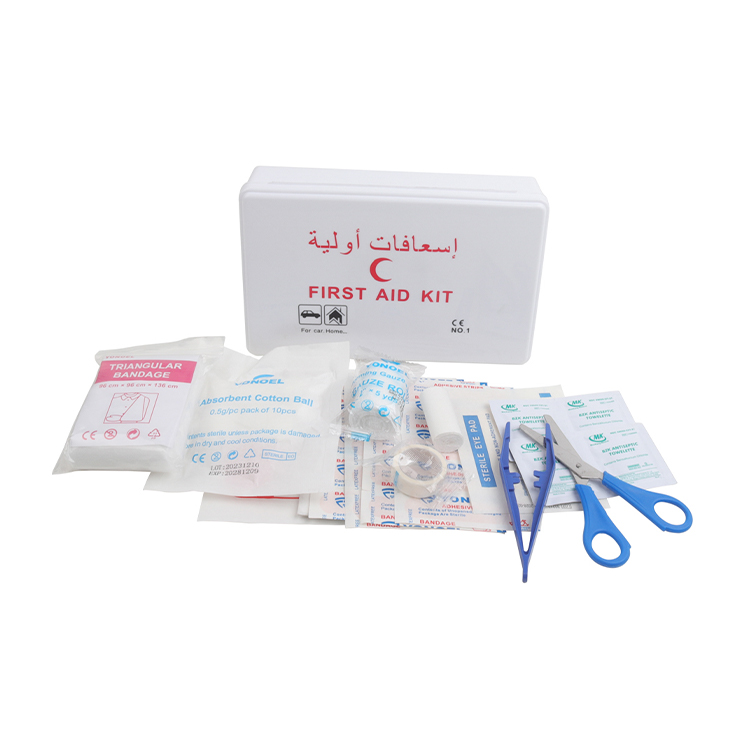
As flames advanced at alarming speed, power lines failed, water supplies were disrupted, and emergency medical services struggled to reach affected areas due to blocked roads and dense smoke. Many residents suffered burns, smoke inhalation, cuts, and impact injuries while attempting to escape. The events exposed a harsh reality shared across wildfire-prone regions worldwide: when disasters move fast, preparation must already be in place.
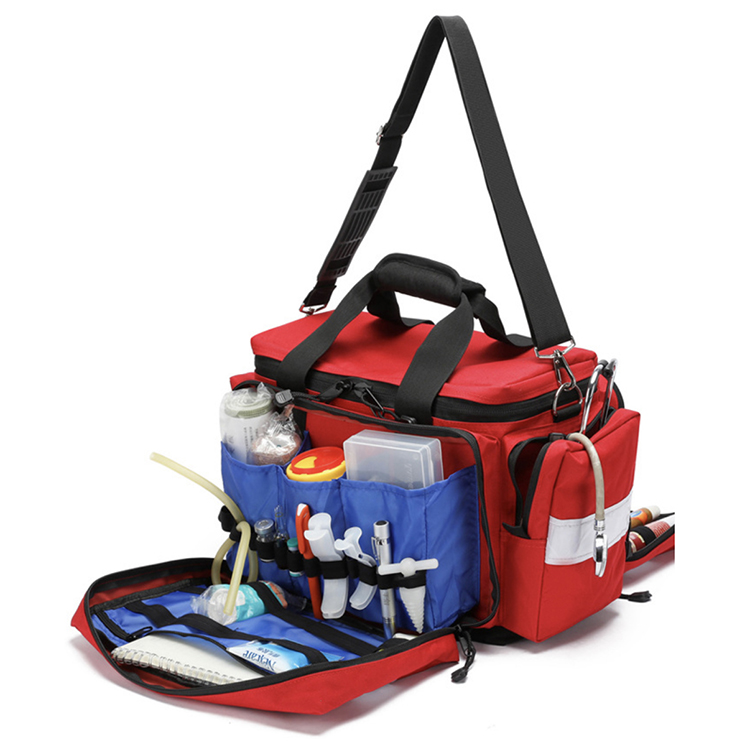
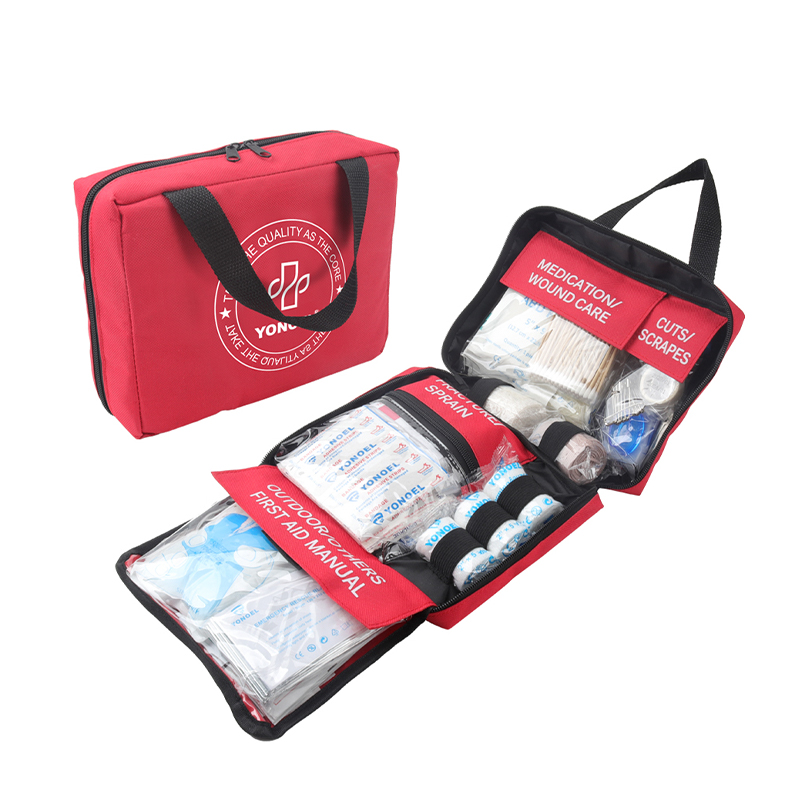
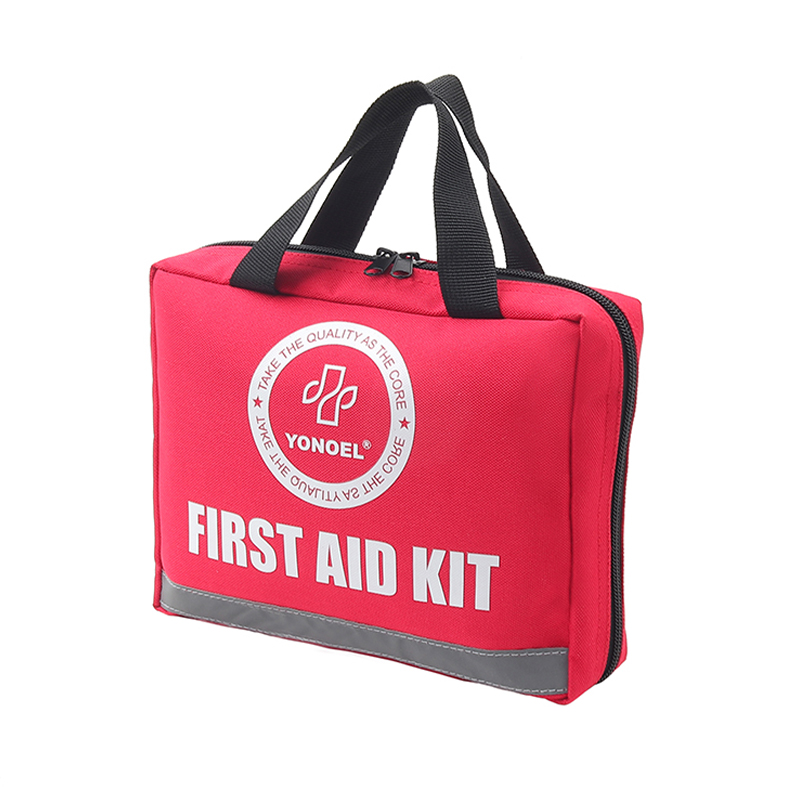
Wildfires rarely allow time for careful planning. Evacuation orders may arrive late, visibility can drop suddenly, and panic can set in quickly. In these moments, a well-prepared first aid bag becomes one of the most important safety tools a household can have. Unlike general emergency supplies, a first aid bag is designed to address immediate injuries and stabilize conditions until professional help becomes available.
During the Chile wildfires, many injuries occurred not from direct flames but from secondary hazards—falls in low visibility, cuts from debris, burns from hot surfaces, and respiratory distress caused by smoke. Having a first aid bag readily accessible allows individuals to respond immediately instead of searching for supplies or improvising with inadequate materials.
Emergency response experts emphasize that early intervention significantly reduces injury severity. A properly stocked first aid bag enables people to clean and cover wounds, control bleeding, protect burns, and reduce the risk of infection during evacuation or sheltering.
Smoke exposure is another major concern during wildfires. While a first aid bag cannot eliminate smoke hazards, it can include items that support breathing comfort, eye irrigation, and basic care until clean air is reached. In chaotic evacuation environments, these small interventions can prevent injuries from worsening.
One of the key advantages of a first aid bag is portability. In fast-moving disasters like wildfires, residents may only have minutes to evacuate. A compact, organized bag ensures essential medical supplies move with the family, whether evacuating by car, on foot, or seeking temporary shelter.
Unlike fixed home kits, a first aid bag can remain near exits, in vehicles, or packed as part of a go-bag, making it immediately accessible when evacuation becomes unavoidable.
The 2025 Chile wildfires serve as a powerful reminder that emergencies do not wait for ideal conditions. Infrastructure can fail, emergency services can be delayed, and individuals may be forced to rely on their own resources during the most critical moments.
Safety professionals increasingly stress that disaster preparedness is not about fear—it is about readiness. A reliable first aid bag is a practical, responsible step that supports families during fires, earthquakes, storms, and other sudden crises.
As climate-driven disasters become more frequent worldwide, authorities and safety experts continue to encourage households to review their emergency plans and ensure that a first aid bag is part of their core preparedness strategy. When evacuation happens without warning, what you have on hand can make a decisive difference in safety and recovery.
No. 52, Hulian West Street, Jiangbei Street, Dongyang City, Jinhua City, Zhejiang Province, China
Quick Links
Product Center
Contact Us
 PRIVACY

 English
 Deutsch
 Français
 русский
 Español