Every year, as winter settles in and the days grow shorter, homes light up with strings of bulbs, tables fill with homemade treats, and people start hunting for just the right tokens of affection to share. Big, showy presents get plenty of attention, but the quiet ones—the ones slipped into a stocking or handed over with a smile—often leave the deepest mark. Among these, a small first aid kit stands out as something truly special. It's modest in size and price, yet it carries a weight of real kindness. A little pouch or box filled with bandages, a few wipes, some ointment, and maybe a pain tablet or two doesn't shout for attention; instead, it quietly says, "I hope nothing goes wrong, but if something small does, I've thought of you."
December and January bring their own particular bumps and scrapes. There's the rush of wrapping gifts late at night, when a slip of the scissors leaves a thin line of blood on a finger. There's the excitement of children racing around on new skates or sleds, tumbling more than they glide. Kitchens grow hot and crowded, with pans sizzling and knives flashing. Roads ice over, and long drives to visit relatives leave backs stiff and heads aching from too much coffee or not enough sleep. Parties mean more people in close quarters, more glasses clinking, more chances for a stubbed toe or a minor spill. Even the simple act of hanging ornaments can lead to a poked finger or a small cut from broken glass. Decorating cookies turns into sticky fingers and occasional burns from hot trays. Snowball fights and building snowmen invite rosy cheeks and the occasional scrape from a hidden rock. In all of this joyful bustle, tiny troubles pop up like uninvited guests. A well-chosen mini kit sweeps them away before they spoil the mood, letting everyone get back to laughing, eating, and making memories.
-1.jpg)
These little kits cost almost nothing compared to most gifts—often less than the price of a couple of fancy coffees—yet they travel everywhere the recipient goes. They fit in a coat pocket, a handbag, a car glove box, or the corner of a backpack. Long after the wrapping paper is recycled and the holiday sweets are gone, the kit remains, ready for everyday moments that have nothing to do with celebration and everything to do with ordinary life. A blister from new winter boots, a splinter from chopping firewood, a headache after a long day at work, a paper cut from opening mail—these are the quiet challenges it meets year-round. It becomes a constant, unobtrusive companion, slipping into routines without fanfare.
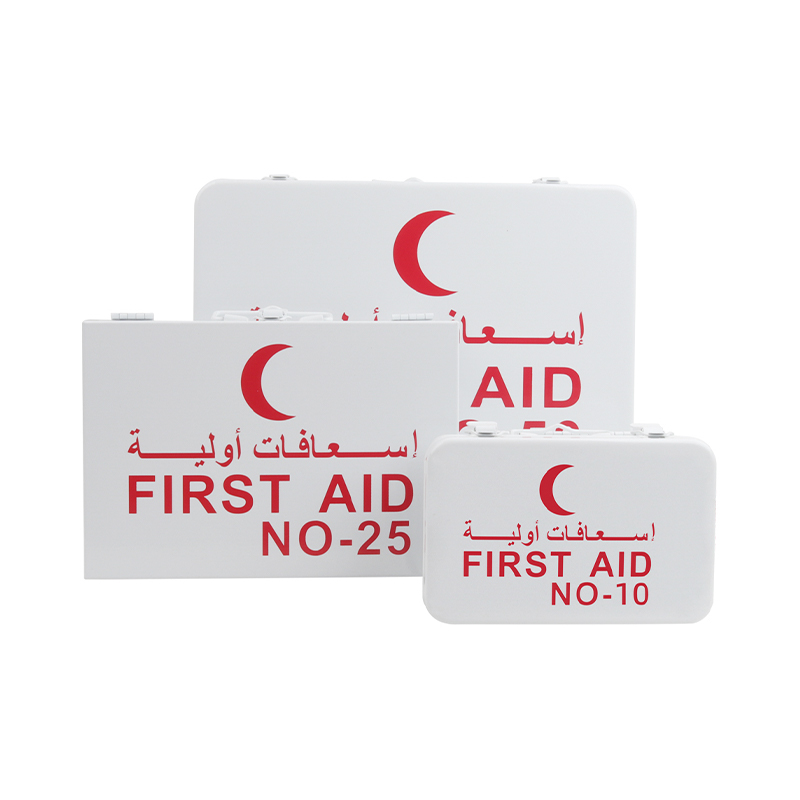
One of the best things about them is how they feel in the hand. Some are soft fabric pouches that fold flat when empty, others are small plastic cases that snap shut with a satisfying click. A few come in metal tins that rattle gently, reminding you they're there without being loud about it. Whatever the container, the contents stay organized and easy to find—no digging through a big box when you need something quickly.
A gift like this works because it comes from noticing. It comes from remembering the time your sister burned her hand pulling cookies from the oven last Christmas, or how your nephew always seems to find the one sharp corner in any room no matter how carefully you childproof. It comes from knowing that your friend who travels for work spends hours in airports where headaches arrive without warning, or that your dad loves winter hikes but hates dealing with blisters afterward. It comes from thinking about your mom, who hosts every family gathering and ends up with tired feet and small kitchen nicks by the end of the day.
When someone opens a stocking and finds a neat little case tucked among the chocolates and silly toys, they don't just see supplies—they feel seen. That's the magic: a present that proves someone paid attention to the small, unglamorous parts of life, the parts we all experience but rarely talk about. It's not about expecting accidents; it's about acknowledging that life is full of little interruptions, and wanting to smooth them out for someone you care about.
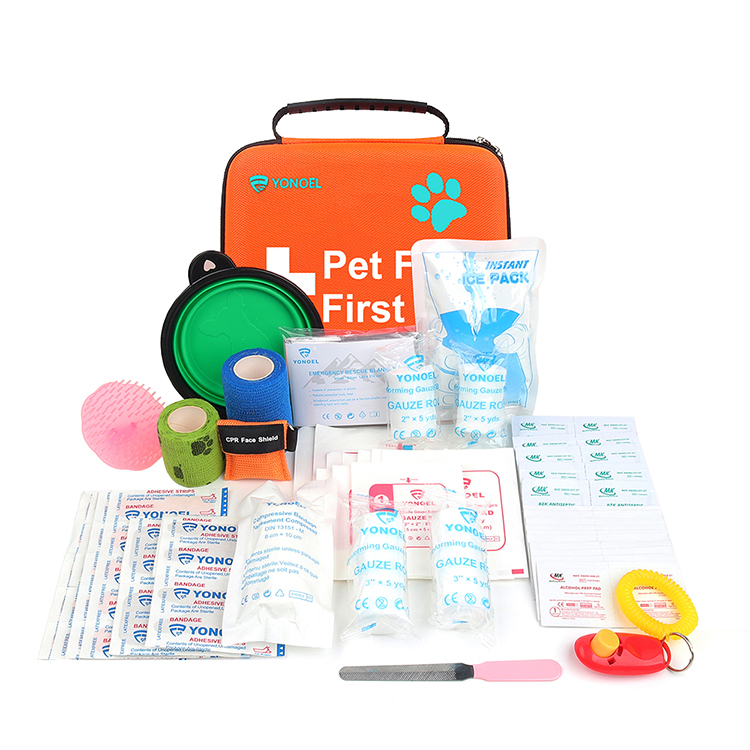
These kits also cross every boundary. Age doesn't matter. A bright pouch with fun-patterned bandages delights a child and teaches them gently about taking care of themselves, turning a potential tears moment into a lesson in independence. A plain, sturdy case suits a teenager heading off to college parties or late-night study sessions, slipping unnoticed into a backpack full of books and snacks. A soft roll of supplies slips easily into a grandparent's handbag for walks in the park or trips to the market. Lifestyle doesn't matter either. The hiker gets something to handle blisters and scrapes, the commuter gets pain relievers for traffic stress, the homebody gets basics for kitchen mishaps, the pet owner might appreciate a few extra items safe for furry friends.
And in a world where many gifts end up forgotten in a drawer or regifted next year, these feel different. They're used. They're appreciated. They spark a small smile every time they come out of a pocket or purse, reminding the person of the giver's quiet thoughtfulness. Months later, when someone pulls out a bandage for a child's scraped knee at the playground, they think of the person who gave it. That lasting connection is rare in holiday giving.
Ready-made versions appear in all sorts of shapes. Some come in hard cases that feel solid and reliable. Others fold into soft pouches that feel nice in the hand, easy to grab quickly. You can find plain ones that let the thought speak for itself, or cheerful ones already decorated with simple patterns. Prices stay low, and quality varies little—most include the same trustworthy basics: a handful of different-sized sticky bandages, alcohol wipes or antiseptic gel, a small packet of cream for cuts, and a couple of pain relievers sealed in foil. Some add extras like tweezers for splinters or small scissors for trimming tape. A few include lip balm for chapped winter lips or hand sanitizer for crowded gatherings.
Making your own adds another layer of warmth. Start with any small container—an empty tin cleaned out after the last breath freshener, a drawstring bag left over from jewelry, even a sturdy plastic bag if you want to keep it simple and clear. Fill it thoughtfully: a strip of waterproof bandages for snowy days, a few individually wrapped wipes to stay clean, a squeeze of ointment in a tiny tube, a pair of tweezers rescued from an old makeup kit. Add one or two personal touches—a soothing balm for dry hands, a note on a slip of paper saying "For the little moments—take care." Tie a ribbon around it or add a simple tag. The time spent assembling it becomes part of the gift, a quiet evening activity that feels as rewarding as receiving.
Children love helping with this. Sitting around the table with scissors, stickers, and supplies, they learn about caring for others while creating something useful. It turns into a family ritual, one that might continue year after year, with kids growing proud of making gifts that actually help people.
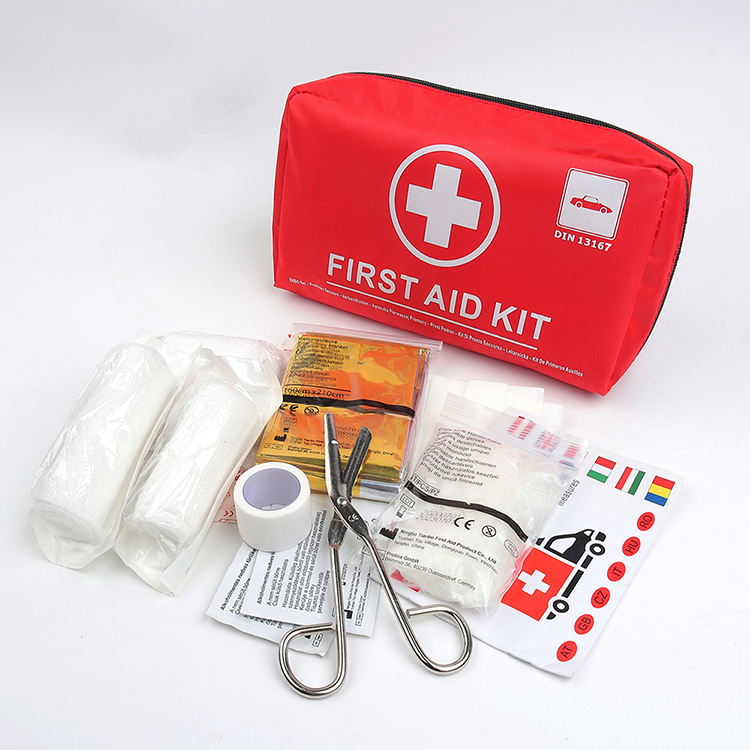
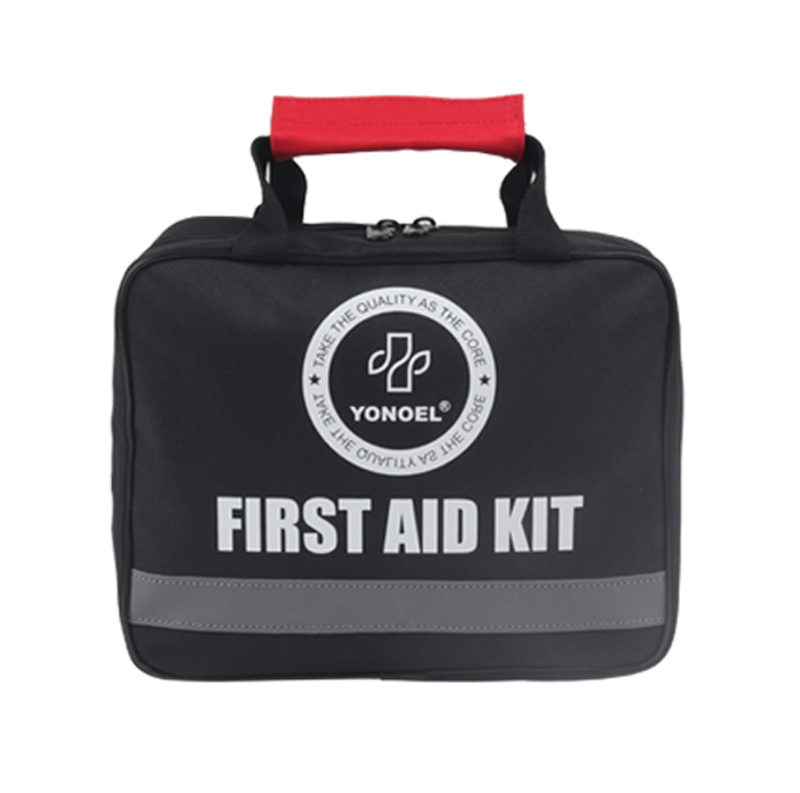
The Gift First Aid Kit is the one you'll actually use. It's light, fits in your palm, and holds everything needed for the small things that go wrong every day.
The tough, water-repellent pouch opens easily and keeps every item in its own spot. Nothing gets lost. You see what you need and grab it fast.
Inside, the kit stays simple and effective: strong adhesive bandages that stick where others peel off, clean antiseptic wipes that don't sting, fast-working triple-antibiotic ointment, quick pain relievers for headaches or aches, sharp tweezers for splinters, soft gauze pads with reliable tape, and nitrile gloves for safe handling. All latex-free and clearly dated.
Carry it in the car on family trips, drop it in a handbag before heading out, or leave it in the kitchen drawer where holiday prep happens. Its clean design and quiet colors mean it looks good anywhere.
It handles the paper cut that comes from wrapping gifts, the blister after walking the neighborhood lights, the playground scrape that could spoil a winter afternoon. One moment of care and the day moves on.
We built it for exactly these moments — not dramatic emergencies, but the everyday hiccups that steal joy if you're not ready.
One kit. One smart design. One quiet promise: the little problems stay little.
Add it to your cart today or tuck one into a stocking tomorrow. Your family will reach for it the first time something small happens — and feel glad it was there.
Stockings have always been for surprises that feel a bit magical. Legend says they began with small gifts of fruit, coins, and useful items dropped into hanging socks by a generous saint. A mini kit carries that same spirit forward. It nestles perfectly at the toe, waiting to be discovered among the sweeter treats, perhaps the last thing pulled out on a sleepy Christmas morning. In families that fill advent pockets or open one small gift each night of Hanukkah, pieces of a kit can appear gradually—a bandage here, a wipe there—building to the complete set on the final day, adding anticipation to the countdown.
They work beautifully in group exchanges too. At office parties or friend-group swaps where budgets stay modest and "no junk" rules sometimes apply, everyone ends up with something genuinely helpful instead of another novelty mug or scented candle that will sit unused. Children can help assemble kits for teachers, coaches, or neighbors, learning early that giving something practical can feel just as generous as giving something flashy. In larger families, where buying for every cousin or aunt might stretch the wallet thin, a handful of these kits solves the problem elegantly—thoughtful, uniform, yet easily personalized with a tag or ribbon.
Beyond Christmas, they suit any winter gathering. For New Year's resolutions focused on health, they symbolize starting fresh with better preparedness. For quiet seasonal celebrations emphasizing reflection and community, they represent looking out for one another in tangible ways.
Months later, when the decorations are packed away and the new year feels less new, the little kit remains. It rides along on spring picnics where thorns lurk in grass, summer road trips with unexpected bug bites, autumn hikes through crunchy leaves that hide roots. Each time it's opened for a scraped knee during playground play or a splinter from gardening, the person using it remembers who gave it and why. That's the quiet strength of this kind of present: it doesn't demand attention in the moment, but it earns gratitude over and over again, weaving itself into the fabric of daily life.
In a season that sometimes feels overwhelmed by noise and excess—piles of presents, endless lists, pressure to impress—a tiny first aid kit offers something rare: simple, honest care wrapped up in a small package. It doesn't try to compete with bigger gifts; it complements them, grounding the extravagance in reality. It reminds everyone that looking out for each other, even in the smallest ways, lies at the heart of celebration. This year, consider tucking one into a stocking, slipping one into a card, or handing one over with a hug. The space it takes is minimal, but the feeling it creates can last a very long time, echoing through seasons long after the holidays fade.
Yonoel's Gift First Aid Kit is designed for organizations that value practicality, presentation, and everyday safety. Created with both function and appearance in mind, this kit offers a thoughtful way to provide essential care while maintaining a refined and professional image. It is suitable for employee programs, client appreciation, family use, and community initiatives where usefulness matters as much as design.
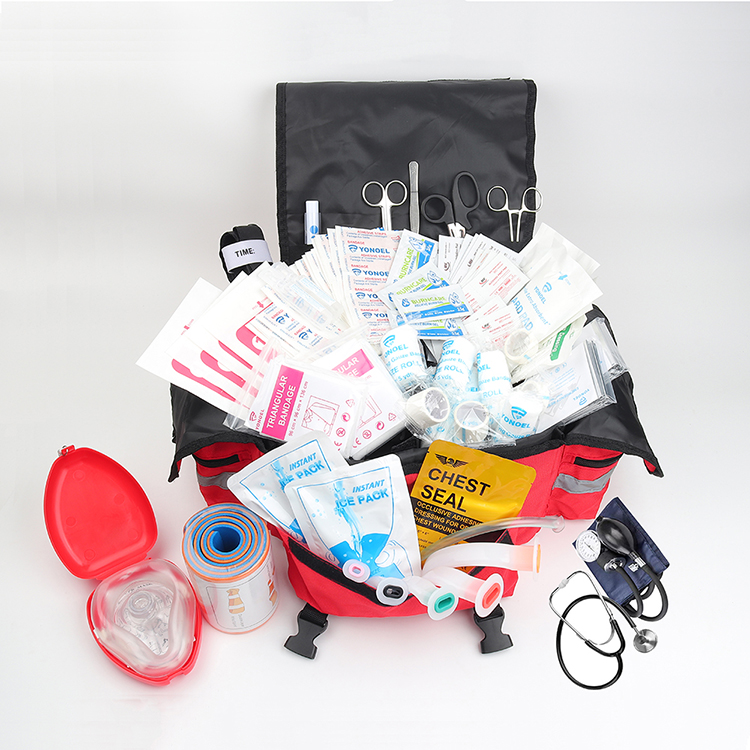
Each kit is carefully organized to support quick access and clear visibility of contents. The bag structure focuses on durability and ease of handling, helping ensure that supplies remain protected during storage and transport. The overall design balances compact form with sufficient internal space, making it appropriate for homes, offices, vehicles, and travel scenarios.
.jpg)
No. 52, Hulian West Street, Jiangbei Street, Dongyang City, Jinhua City, Zhejiang Province, China
Quick Links
Product Center
Contact Us
 PRIVACY

 English
 Deutsch
 Français
 русский
 Español