A workplace can change quickly. A clean area can turn messy in minutes. A quiet shift can be interrupted by a cut, a burn, a slip, or a sharp edge that was missed earlier in the day. That is why a Worksite First Aid Kit is not just a box of spare items. It is part of everyday site readiness, and it needs to fit the way people actually work.
For buyers, supervisors, and safety teams, the real question is not only what goes inside it. The real question is how it fits the space, the tasks, and the people using it. A kit for a warehouse will not always look the same as one for a repair room, an assembly area, or an outdoor job site. Once the setting changes, the supplies, storage method, and use pattern change as well.
A regular medical kit is often built for light use. It may cover small daily needs at home or in a car. A workplace kit needs a wider mindset. It has to support people who are moving, lifting, cutting, carrying, and working around tools, equipment, heat, dust, or rough surfaces.
A work setting also creates shared risk. One person's mistake can affect a team. A dropped object, a sharp corner, or a slippery floor can involve more than one worker. For that reason, the kit is not only about one person's injury. It is also about helping staff respond without delay and without confusion.
Another difference is the pace of use. At home, a person may have time to search through a pouch. At a job site, the person reaching for supplies may be under stress, may be wearing gloves, or may be trying to help someone else. That means layout matters. Labels, visible sections, and a simple packing order are more useful than a crowded bundle of random items.
| Work Setting | Common Need | Useful Kit Feature |
|---|---|---|
| Repair Area | Minor cuts and scrapes | Easy access to dressings and gloves |
| Warehouse | Trips, bumps, and small wounds | Clear placement and quick grab items |
| Outdoor Job Site | Dust, heat, and rough handling | Tough outer case and sealed supplies |
| Assembly Area | Repeated hand contact | Clean storage and simple sorting |
| Shared Work Room | Mixed minor injuries | Flexible supplies and easy refill checks |
There is no single layout that suits every business. A small office workshop, a loading area, and a production room may each need a different mix. Still, some items are common across many work settings because they deal with the kinds of minor problems that happen often.
A practical setup usually includes dressings for cuts, wraps for support, wipes for cleaning, tape for holding material in place, gloves for clean handling, and a few simple tools for closing or separating wrapped areas. The goal is not to pack every possible item. The goal is to cover the situations that are likely to happen in the space where the kit is kept.
Placement inside the container matters as much as the contents. Items used often should sit near the top or in clearly marked pockets. Supplies that stay sealed until needed can go deeper inside. When the layout follows a simple pattern, people can move faster and make fewer mistakes.
A useful way to think about the contents is by use type:
That structure keeps the kit practical without becoming cluttered. It also helps the buyer review the contents with a clear eye instead of relying on guesswork.
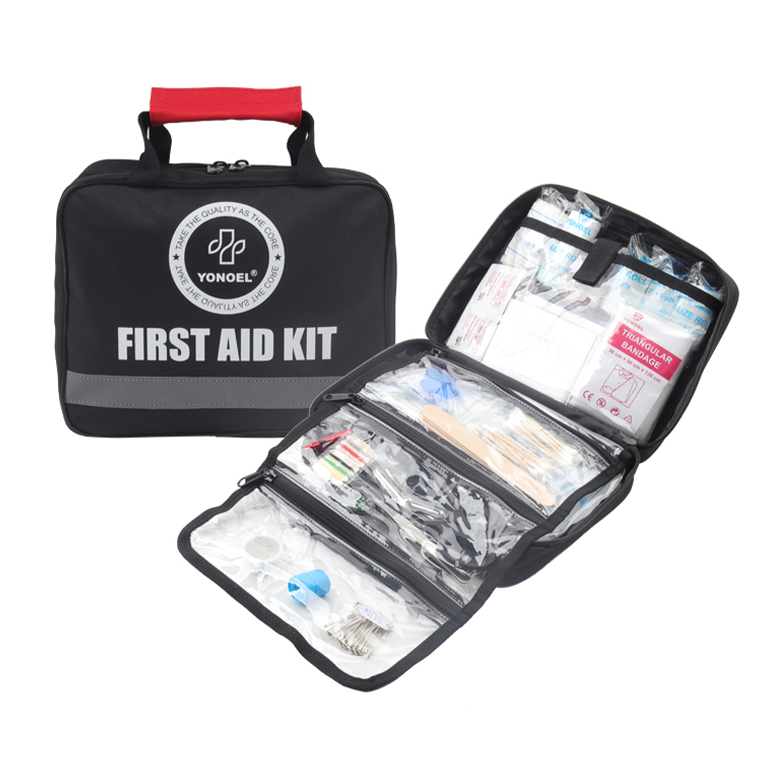
Different injuries call for different handling. A small cut does not need the same response as a burned hand or a strained wrist. A good kit gives workers enough room to respond in a calm, organized way.
For minor cuts, clean pads and wrap materials are useful because they help control bleeding and keep the area covered. For scrapes, clean wipes and simple dressings can help remove dirt and reduce further irritation. For a sprain or a sore joint, a flexible wrap can give support and limit awkward movement. For eye irritation, a sterile rinse item may be relevant in some spaces, especially where dust or particles are common.
The supplies should also match the level of contact in the workplace. In a busy area, items that are easy to open and easy to read save time. In a dusty area, sealed packaging helps keep supplies clean. In a place where hands are used constantly, gloves and hand-cleaning items are worth close attention.
A simple checklist for this section of planning can look like this:
The value of these items is not in being impressive. It is in being ready when the need appears.
Construction and industrial spaces ask more from a kit than many other environments. There may be more movement, more contact with hard surfaces, more sharp edges, and more items that can fall, spill, or leave debris behind. That means the kit should be chosen with the site, not against it.
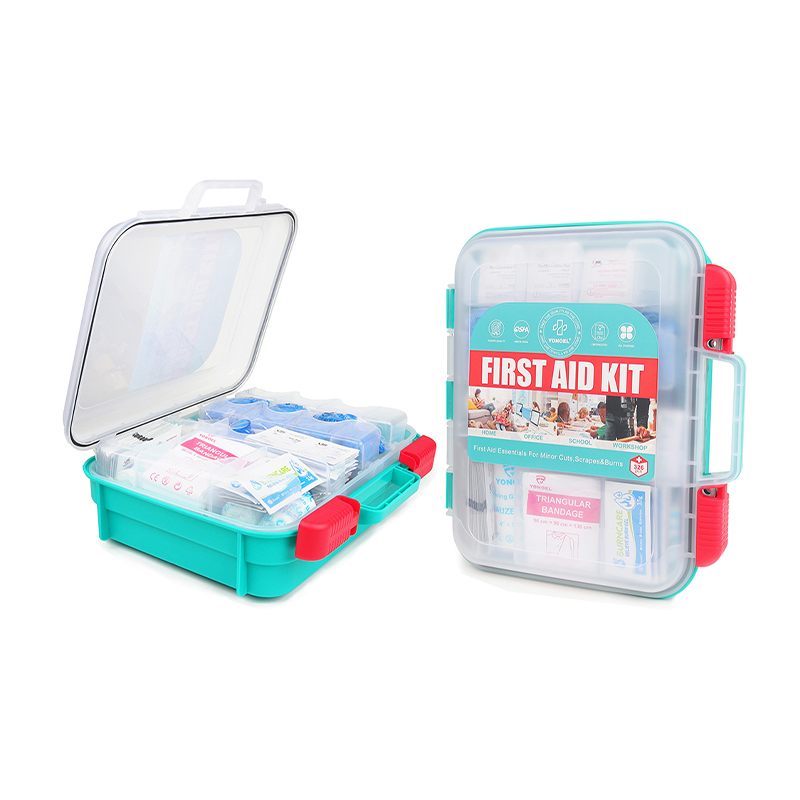
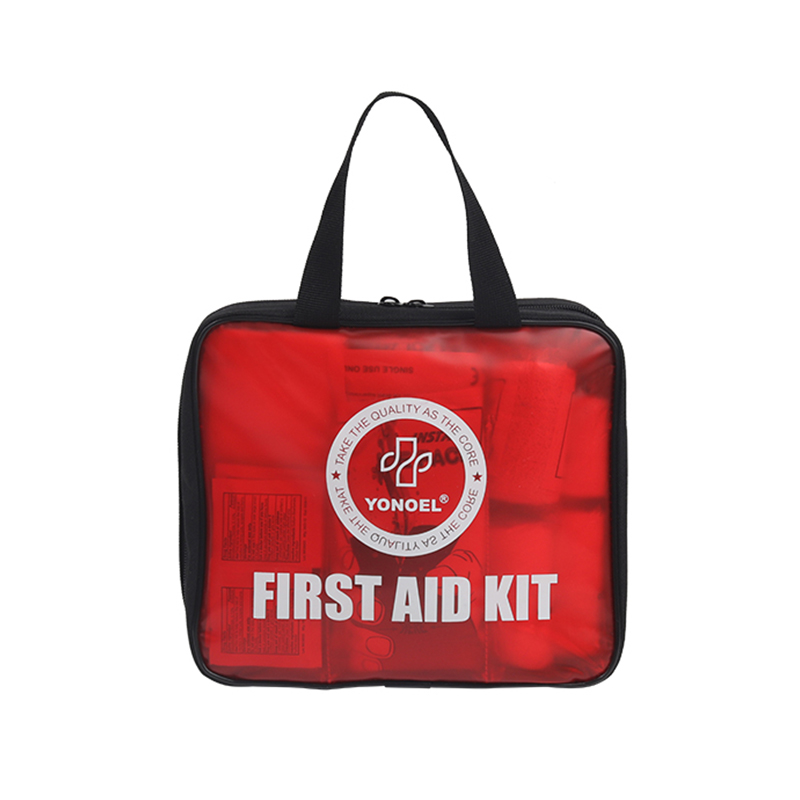
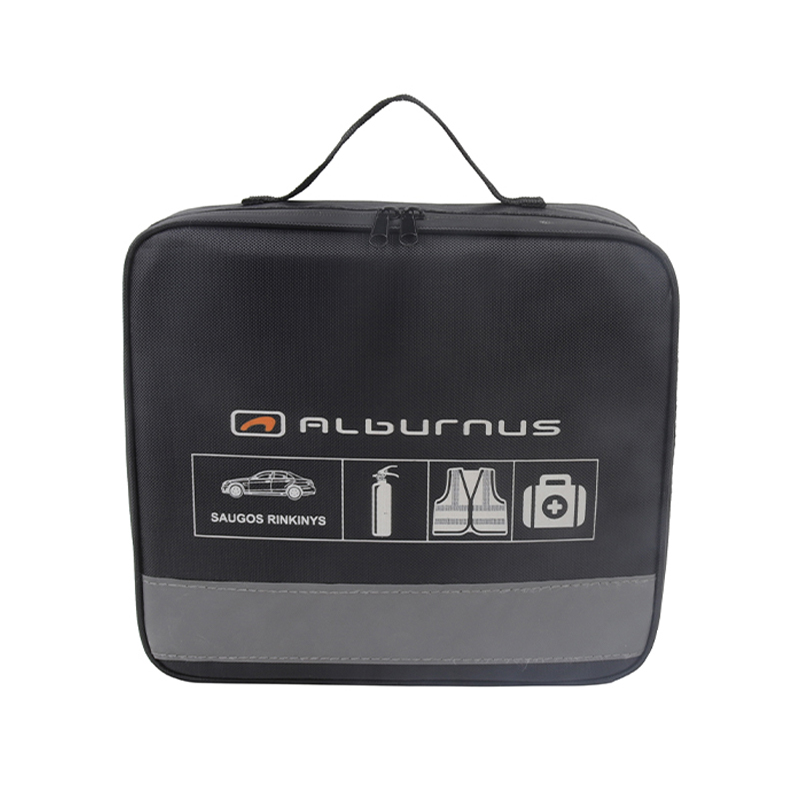
One useful question is whether the container itself can handle the setting. A soft pouch may work in a lighter area. A harder case may make more sense where dust, vibration, or rough handling is common. Another question is whether the contents fit the type of work. A place with frequent hand tools may need a different setup than a place with repetitive lifting or long-distance carrying.
Choosing also depends on how the kit will be shared. A single-person setup can be simpler. A group setting may need more spare items, more structure, and clearer sorting. In a larger work area, the placement of the kit can matter as much as the supplies inside it.
| Workplace Setting | What to Think About | Kit Shape That May Fit |
|---|---|---|
| Construction Area | Impact, cuts, dust, and movement | Tough case, clear layout, sturdy carry handle |
| Industrial Room | Repeated contact and shared use | Organized pockets and sealed items |
| Warehouse Floor | Mobility and quick access | Portable case with visible sections |
| Outdoor Work Area | Heat, weather, and rough transport | Durable storage with protected contents |
| Small Repair Space | Limited storage and simple needs | Compact case with essential supplies |
A kit can contain useful items and still be awkward to use. That happens when the inner layout is unclear. A person opening it under pressure should not have to search through loose items or guess where something is stored.
Sorting by function usually works well. One section can hold cleaning items, another can hold covering and wrapping supplies, and another can hold protective items for the person helping. Clear labels are helpful, but even without labels, a steady internal order makes a difference.
Restocking habits matter too. If an item is used once and never replaced, the kit quietly becomes weaker over time. A simple visual check helps: open the kit, look at what is missing, and return each item to the same place. That short routine prevents confusion later.
Useful organization habits include:
A well-organized kit saves time not because it is complex, but because it is consistent.
Daily safety management is not only about rules on paper. It is also about whether people can respond when something small goes wrong. A minor injury can slow work, cause discomfort, or create a larger issue if it is ignored. A ready kit gives the team a practical way to react before the situation grows.
It also supports habit. When staff know where supplies are and how the kit is arranged, they are more likely to act with calm rather than panic. That calm response can improve communication between coworkers and make the whole site feel more orderly.
Managers often focus on equipment, checks, and schedules. Those are important, but the response space matters too. A kit that is placed in a known location, checked on a regular rhythm, and kept in usable shape becomes part of the site's normal routine.
The presence of a Worksite First Aid Kit also sends a clear message. It shows that the workplace expects people to stay aware, stay prepared, and handle small issues before they become larger interruptions. That message is useful even when the kit is never needed during a shift.
Bulk buying is not just a larger order. It is a planning choice. The right approach starts with the way the kit will be used after delivery. A company should look at the number of work areas, the type of tasks, the amount of handling, and the storage conditions before choosing a fixed setup.
The contents should be suitable for the setting, but so should the packaging and refill method. If the kit is easy to refill, the company can keep it active with less effort. If the outer case is weak, storage becomes a problem. If the layout is unclear, training becomes harder. These issues matter more than appearance.
Another factor is whether the contents stay consistent from one order to the next. A company may need the same layout across several sites so staff can move between spaces without relearning the system. Consistency also helps with checking and replenishment.
Questions to consider during purchase:
A careful purchase process avoids mismatch later.
Buyers often focus on the finished item, but the way it is put together matters just as much. A kit can look complete on the outside and still be difficult to use if the packing order is poor or if the supplies are not selected with care.
Production usually involves choosing the outer case, selecting the inner items, arranging them in a useful order, and checking that the kit closes well and opens without trouble. The build should support visibility and access, not just storage. That is especially important when the kit is used in a shared work area.
Quality checks should look at practical points. Are the items packed in a way that keeps them neat. Can the user see the main supplies right away. Is the case durable enough for repeated movement. Are the contents clean and stable inside the container. These are simple questions, but they shape day-to-day use.
For buyers, it helps to request clear pictures, inner layout details, and refill guidance before placing an order. That keeps expectations aligned and reduces confusion later. A good production process does not try to impress with unnecessary detail. It focuses on function, consistency, and ease of use.
A Worksite First Aid Kit earns its place when it feels simple in the hand and clear in the moment. That is usually the sign that the setup was planned with the workplace in mind rather than copied from a generic storage idea.
No. 52, Hulian West Street, Jiangbei Street, Dongyang City, Jinhua City, Zhejiang Province, China
Quick Links
Product Center
Contact Us
 PRIVACY

 English
 Deutsch
 Français
 русский
 Español