An Empty IFAK Pouch often has to serve very different users at once. Some people want a compact carrier for quick access. Some want a layout that holds a personal kit without clutter. Others care more about mounting, material feel, or how easily the pouch can be changed for a new setup. That is why the question is not only what it holds, but how it behaves in daily use, in movement, and during a rushed moment.
A practical way to evaluate an Empty IFAK Pouch is to start with selection, move through structure and carry style, and then consider materials and customization. Each element connects with the others. A pouch with a well-arranged interior can still feel difficult to use if the opening design is not convenient. A strong outer shell may also lose its value if the attachment method does not match the user's equipment. For manufacturers, these small design choices often influence the overall product experience more than any single feature.
| What People Often Check | Why It Matters | What to Look For |
|---|---|---|
| Opening style | Affects access and handling | Clear opening path, simple closure, easy grip |
| Interior layout | Affects order inside the pouch | Flexible pockets, fixed loops, room for sorting |
| Mounting method | Affects daily carry | Stable attachment, easy removal, secure fit |
| Material feel | Affects long term use | Firm fabric, reinforced stitching, steady shape |
| Layout changeability | Affects adaptation | Space for different packing styles, simple rearrangement |
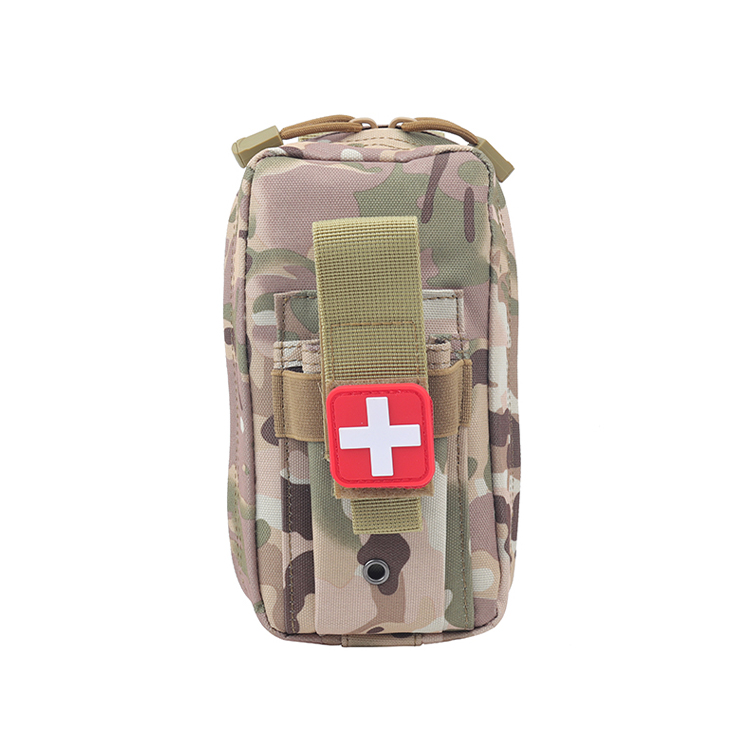
Choosing a pouch is rarely about one feature alone. People usually notice several things at the same time: how easy it is to open, how much control they have over the interior, and whether the shape feels useful when the pouch is full or partly filled. A clean outer profile can matter because many users do not want extra bulk on their belt, bag, or vest. At the same time, a too-flat design may make sorting harder if the interior does not support clear placement.
A good buying decision often begins with the user's habit, not with the product label. Someone who wants fast access may prefer a design that opens in a wide, readable way. Someone who expects to reorganize the contents often may care more about the interior structure. Someone who carries the pouch while walking, climbing, or traveling may focus on stability and comfort.
The main question is whether the pouch fits the way the person actually works. A design that looks neat on a shelf can still feel awkward in use if the opening is narrow, the side walls collapse, or the inside shifts too much. That is why feature choice should stay linked to real movement, real handling, and real storage needs.
| User Need | Helpful Feature | Possible Concern |
|---|---|---|
| Fast access | Wide opening, clear layout | Slow retrieval if the opening is tight |
| Daily carry | Low profile, secure fit | Bulk or movement during wear |
| Flexible packing | Adjustable interior | Items shifting around too freely |
| Simple use | Clear design flow | Confusing inner structure |
| Repeated handling | Strong closure and stitching | Wear at stress points |
A well planned design does more than make the pouch look orderly. It helps the user place items in a way that makes sense under pressure. When the layout is clear, people spend less time searching and more time acting. That matters because a small carrier can become frustrating very quickly if every item needs to be pulled out just to reach the one underneath.
Design also shapes memory. If the same type of item always sits in the same area, the user does not need to think through the whole pouch every time. That is useful for anyone who packs the kit by habit and expects to reach inside without hesitation. A thoughtful layout can separate items by shape, urgency, or frequency of use. It can also keep softer items from covering harder ones, which makes the inside easier to scan by touch.
A pouch that organizes well usually gives the user a clear visual path. It may open in a way that keeps the contents visible. It may hold items upright rather than loose. It may leave enough space to return items without forcing them into a tight corner. These are small design choices, but they add up to a calmer user experience.
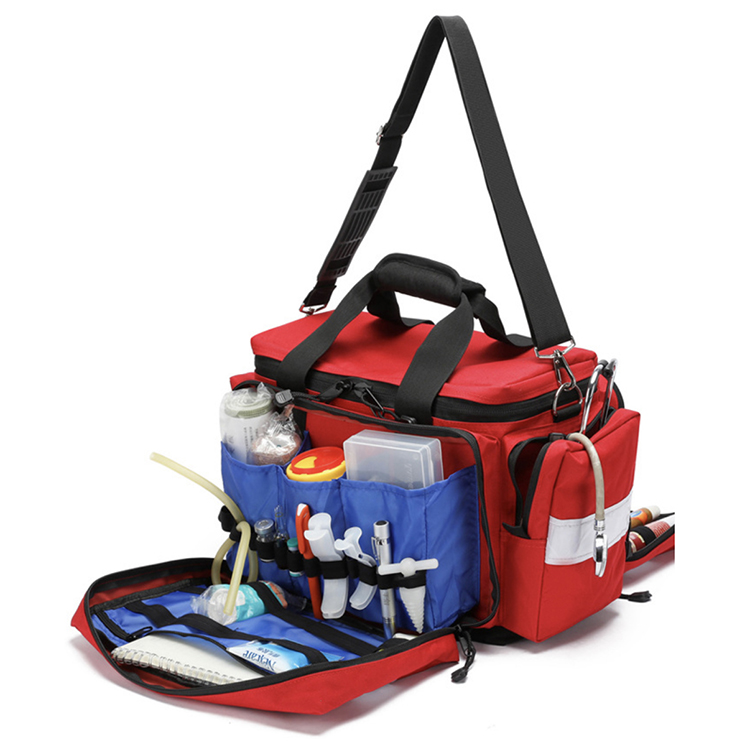
Internal compartments turn empty space into usable space. Without them, a pouch often becomes a mixed pocket where items slide together and become harder to sort. With compartments, each item has a place, and the user can keep related items near each other. That can reduce clutter and make repacking easier after use or inspection.
Compartments also support different packing styles. Some users like a fixed arrangement that stays the same. Others prefer a more open interior with flexible loops or partial dividers. Both approaches can work, but they serve different habits. A fixed structure gives more order. A looser structure gives more freedom. The right choice depends on whether the customer wants a strict layout or a changeable one.
There is also a comfort angle. When the interior is organized, hard edges and loose objects do not press against each other as much. That can help the pouch keep a cleaner shape. It may also reduce the chance of items rubbing together during movement. For a manufacturer, this is where the inside of the product becomes just as important as the outside shell.
Some of the most useful interior details are simple:
The best interior is not the fullest one. It is the one that makes the contents easy to read and easy to return.
A carry system matters because the pouch is only useful if it stays where the user expects it to stay. A stable mount keeps the pouch from swinging, sliding, or shifting while the person moves. That is why attachment style can matter as much as fabric or zipper shape. If the pouch feels secure, the user is more likely to trust it and use it often.
A modular mounting approach gives the pouch more placement options. It can sit on a larger bag, a belt setup, or another piece of equipment depending on the user's routine. That kind of flexibility is useful for customers who move between settings and do not want a different pouch for each one. It also helps brands serve more than one market with the same core product.
The carrying system should also make sense during removal and reattachment. A pouch that is secure but difficult to move can slow down the user when gear changes are needed. A pouch that comes off too easily can feel loose or uncertain. The balance sits between stability and convenience.
For many users, the important question is not whether the system looks technical. It is whether the pouch remains steady, sits in a usable place, and does not become a distraction during normal movement.
Material choice affects shape, feel, and wear. A pouch used often needs enough body to hold form, but not so much stiffness that it becomes hard to handle. It should feel controlled rather than floppy. It should also hold up to repeated opening, closing, and mounting without losing its shape too quickly.
The outer shell is only part of the story. Stitching, edge finishing, zipper strength, and join points all influence how long the pouch remains reliable. A strong fabric can still fail at a weak seam. A clean seam can still fail if the closure is under pressure. This is why material discussion should include the full build, not just the fabric name.
Users often notice materials in indirect ways. They may notice whether the pouch keeps its shape when half full. They may notice whether it feels thin or solid in the hand. They may notice whether the pouch remains neat after repeated use. These are useful signs of build quality without needing technical language.
| Material Related Detail | What It Changes | User Experience |
|---|---|---|
| Outer shell firmness | Shape retention | Cleaner profile and steadier carry |
| Stitching points | Structural strength | Less stress at corners and seams |
| Closure quality | Opening reliability | Smoother use over time |
| Edge finishing | Wear resistance | Fewer frayed areas |
| Internal lining | Packing comfort | Easier sorting and removal |
Customization becomes important when one product must suit several types of users. An outdoor user may want a different arrangement from someone who keeps the pouch in a work kit. A personal carry setup may also differ from a team setup. The same pouch base can support those needs if the structure allows room for change.
One common path is changing the exterior look while keeping the internal layout familiar. Another is adjusting the inside while keeping the outside compact. A third path is changing both for a market with a very specific habit. For a manufacturer, the main task is to keep the changes useful rather than decorative. The goal is not variety for its own sake. The goal is a pouch that feels natural in the hand and fits the user's routine.
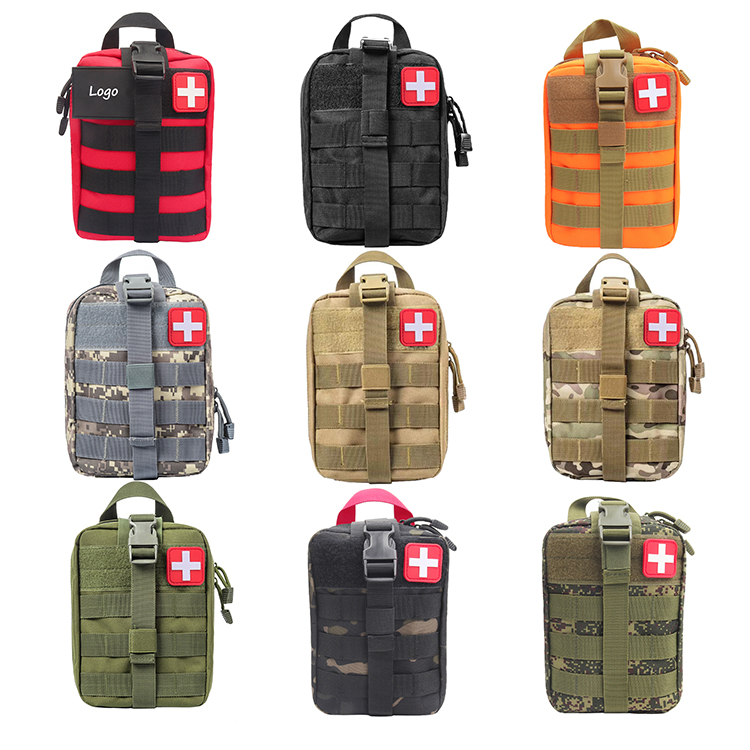
Customization can include color choices, surface feel, mounting style, inner layout, closure direction, and pocket placement. These choices may sound small, but they influence how different buyers see the product. A buyer for outdoor use may care about toughness and visibility. A buyer for organized carry may care about internal order. A buyer for mixed use may care about balance.
The strongest customization plan usually starts with real usage questions: Where will the pouch sit? How often will it be opened? What shape of items will go inside? What kind of movement will it face? Once those questions are clear, design choices become easier to match.
People often choose a pouch like this because they want control over the contents. A prepacked kit may suit a fixed use case, but a flexible pouch lets the user build the inside around personal habits and changing needs. That makes it attractive to buyers who prefer to organize their own equipment instead of accepting a preset layout.
It also fits a wider range of users. One person may want a compact personal kit. Another may want a pouch that supports a larger gear system. A third may want something that can be repacked for travel, field work, or stored equipment. The same outer form can serve all of those cases if the inside is adaptable.
For manufacturers, this trend shows a shift in what people expect from carry gear. Buyers are not only looking for a container. They are looking for a structure that can stay useful as their routine changes. That is why clarity, access, and changeability matter so much.
Manufacturers usually do well when they build around use patterns instead of surface appearance. A clear market fit begins with the kind of buyer the pouch is meant for. Some buyers want compact carry. Some want simple packing. Some want a more adjustable interior. Some want a design that can move across different settings without feeling out of place.
Development starts with the basic shell, but it does not end there. The opening path, inner hold points, mounting method, stitching strength, and feel in the hand all affect the final result. If these parts work together, the pouch feels coherent. If one part is out of balance, the user notices it quickly.
A good manufacturing approach usually follows a practical sequence. First, define the user habits. Then, match the internal layout to those habits. After that, check how the pouch mounts, how it opens, and how it behaves when full or partly filled. Only then should the external appearance be finalized.
That process helps the product stay useful across different markets without losing its identity. It also gives buyers a clearer reason to choose it, because the design choices are tied to function instead of decoration. In the end, that is what makes the pouch adaptable: not extra features, but a build that answers real needs with a calm and workable structure.

No. 52, Hulian West Street, Jiangbei Street, Dongyang City, Jinhua City, Zhejiang Province, China
Quick Links
Product Center
Contact Us
 PRIVACY

 English
 Deutsch
 Français
 русский
 Español