A well planned gift item has to do more than look neat on a shelf. It should feel useful, easy to trust, and simple to keep in daily life. That is especially true for a Gift First Aid Kit, because buyers often judge it from two angles at once: as a present and as a useful household item. For a manufacturer, that means the design must speak to comfort, order, and everyday readiness without looking harsh or clinical.
Market needs are rarely the same from one customer group to another. Some people want something compact for travel. Others want a home set that can stay in a drawer or cabinet without taking up much room. Some buyers care about the outer look, while others care more about internal layout and refill ease. A product that works across these different expectations needs a clear structure, a flexible content plan, and a presentation that feels calm rather than crowded.
People often respond well to items that feel thoughtful and ready for real life. A gift that can sit quietly in the background until it is needed has a different value from a decorative item alone. That is why this kind of product fits so many occasions. It can suit housewarming gifts, travel bundles, workplace welcome sets, school living essentials, and family care packages.
The appeal comes from balance. It is personal without being overly intimate. It is useful without feeling plain. It can be given to a friend, a family member, a colleague, or a customer with little risk of mismatch. For a manufacturer, that makes occasion based planning important. The same outer shell may work across several buyer groups, but the inner arrangement, size, and visual style may need small changes.
A good market fit usually depends on three things: where the set will be used, how often it may be reached for, and how much space the recipient has. A compact home version may need a tidy case that blends into a shelf. A travel version may need a shape that slides into luggage without awkward edges. A workplace version may need simple labeling and quick access. These details shape how a shopper sees the product before any purchase is made.
Content planning is where many products either gain trust or lose it. Buyers want to feel that the set is complete enough for common small issues, yet not overloaded with pieces that are hard to sort. A smart assortment usually starts with core care items, then adds convenience pieces that improve daily usability.
For home use, people often prefer a broader layout with room for storage and replacement. For travel, compactness matters more. Daily carry use sits somewhere in between. That is why one fixed layout does not always serve every buyer. A manufacturer can think in layers: a core group for routine care, a flexible group for different use cases, and a packaging approach that keeps everything tidy.
| Use case | Main focus | Helpful content style | Design note |
|---|---|---|---|
| Home use | Easy storage and regular access | A fuller set with clear sections | A case that fits a drawer or cabinet |
| Travel use | Light carry and compact fit | A smaller mix of common care pieces | A slim shape with secure closure |
| Daily use | Quick reach and simple handling | A balanced set for small needs | Clear inner organization and easy opening |
| Shared use | General household readiness | A calm, practical mix of items | Labels that help users find things quickly |
The right content mix should also leave room for local habits and buyer expectations. Some markets prefer a cleaner, simpler set that feels easy to understand. Others may want more variety in the same package. In both cases, the product should still feel orderly. A crowded layout can make a useful set seem harder to trust.
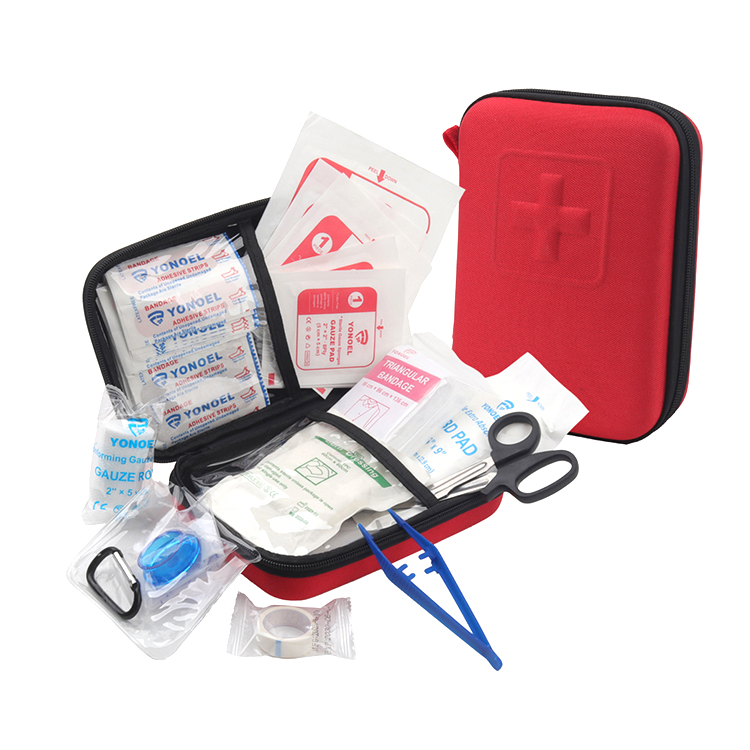
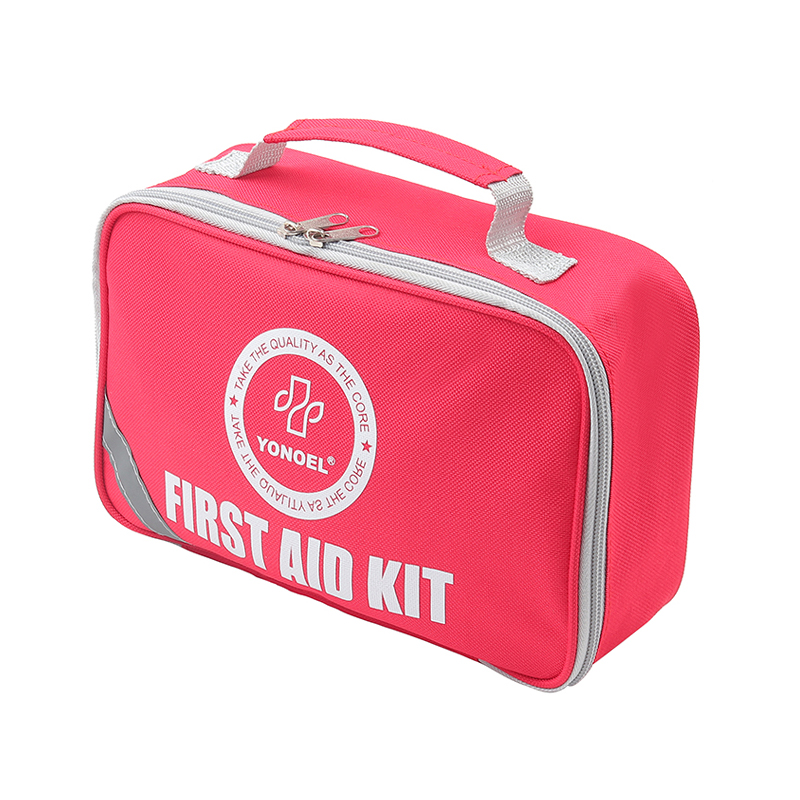
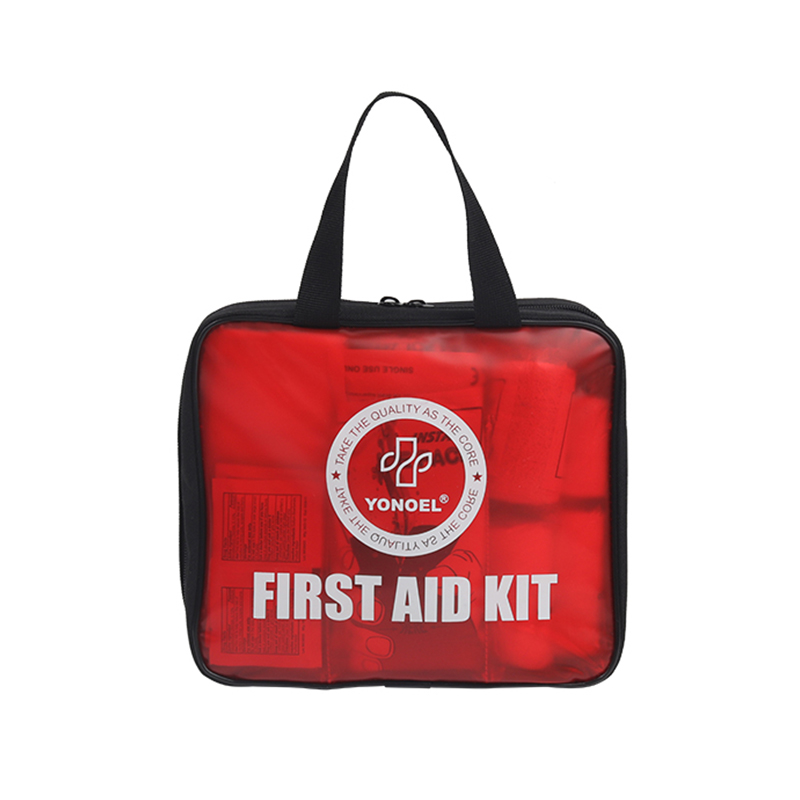
Design is more than appearance. It shapes how the product feels before it is opened. Shape, color, closure style, handle choice, and inner arrangement all influence whether a shopper sees the set as gift worthy, useful, or too plain for display. That is why design should follow the buyer profile rather than a single visual trend.
For family buyers, a soft and calm look often works well. For travel buyers, compact form and easy carry matter more. For workplace buyers, a neat and neutral look can fit shared spaces more naturally. A manufacturer should think less about decoration alone and more about how the outer form supports use.
A useful design process often starts with questions like these:
The answers guide material choice, closure type, and pocket arrangement. A design that is too soft may not protect the contents well. A design that is too rigid may feel difficult to handle. The right approach sits between those two. It should protect the contents, remain easy to open, and avoid visual clutter.
Customization is where a manufacturer can respond to different customer groups without rebuilding the product from zero each time. The key is to separate the parts that stay steady from the parts that change. A stable base makes production smoother, while adjustable details make the set more useful across markets.
Some buyers care about packaging language and outer style. Others care about which pieces are included. Others ask for a shape that matches retail display or corporate gifting. A factory that can adjust these parts in a controlled way will usually have a clearer path to repeat orders.
| Market need | Packaging direction | Content direction | Buyer concern |
|---|---|---|---|
| Retail shelf sales | Clean, easy to display outer form | Simple and readable inner layout | Visual appeal and quick understanding |
| Corporate gifting | Calm presentation with brand space | Balanced practical contents | A gift that feels useful and presentable |
| Travel channels | Compact and easy to carry | Smaller and more portable assortment | Size, weight, and convenience |
| Family markets | Soft visual tone and clear use flow | Broader household oriented contents | Everyday usefulness and storage fit |
Customization should stay controlled. Too many versions can make the product line hard to manage. A better method is to create a core model and then adjust selected parts such as outer fabric, pocket count, label style, insert card design, or item mix. This keeps production easier to follow and helps buyers see consistent quality across versions.
Gift packaging changes how people read the product. Even a useful item can feel ordinary if it is packed without care. On the other hand, a thoughtful outer presentation can make the same item feel more inviting. The design does not need to be flashy. It only needs to feel neat, balanced, and ready to give.
Packaging should support both shelf presence and real use. That means it must look organized from the outside and stay easy to reopen after the gift is received. A clean panel, calm color balance, and clear closure style can do more than decorative extras. Buyers often notice whether the product feels easy to hand over, easy to store, and easy to use later.
Key details worth attention include:
The packaging should also match the emotional tone of the gift. A home oriented set may call for a warmer feel. A travel oriented version may work better with a more neutral look. The point is not to impress through excess. It is to create a calm and useful impression that fits the purpose.
The inside of the product often decides whether the user feels confident or confused. When items are sorted clearly, a person can find what they need with less hesitation. When pieces are scattered or hidden, even a useful set may feel less reliable. Internal organization is therefore not just a production detail. It is part of the user experience.
A practical layout usually groups items by purpose or frequency of use. Common items should be easy to see. Smaller pieces should have secure placement so they do not shift around during transport. A clear division between sections also helps when the set is checked and replenished later.
Some useful principles are simple:
A strong inner structure also supports trust. Users tend to feel more comfortable with a set that looks orderly, even before any item is taken out. For shared environments, such as family homes or workplaces, clear organization can reduce confusion and make replacement easier.
Bulk buyers often look beyond the finished product and focus on consistency, communication, and control. They need to know whether the supplier can keep the same look and feel across repeated orders, whether changes are easy to manage, and whether the chosen layout matches the target market.
Before placing a large order, it helps to clarify the purpose of the product. Is it meant for retail resale, brand gifting, channel promotion, or household distribution? Each use case may call for a different balance between outer design and internal contents. Buyers should also think about shelf fit, storage needs, and how the item will be presented to the end user.
It is useful to ask for sample views of the outer look, internal layout, and packaging flow. That way, changes can be made early rather than after production has started. Buyers should also confirm whether the supplier can keep the product line stable while still allowing room for small adjustments across different market groups.
A clear order process usually depends on three things: a shared understanding of the target user, a stable product structure, and a practical approval path. When these parts are clear, the result is easier to manage and easier to repeat.
Market needs shift as people change how they travel, store things, and choose gifts. A product that fits one setting may not fit another without adjustment. That is why a flexible product plan matters. The aim is not to create a single version that tries to do everything. The aim is to build a structure that can move with the market while staying clear and useful.
A manufacturer can start with a steady base model and then adjust the visual tone, closure style, inner sorting, or content mix for each group. This approach keeps the line manageable while still giving buyers options that feel relevant to their own setting. It also helps a product stay readable on retail shelves, in gift boxes, and in online listings.
The strongest direction is usually the one that keeps function visible. When the outer look, inner order, and use logic all work together, the product feels easier to understand. That clarity matters more than decoration alone. In a crowded market, simple structure and practical presentation often carry more weight than extra detail.
.jpg)
No. 52, Hulian West Street, Jiangbei Street, Dongyang City, Jinhua City, Zhejiang Province, China
Quick Links
Product Center
Contact Us
 PRIVACY

 English
 Deutsch
 Français
 русский
 Español