Picking a suitable supplier for vehicle emergency kits takes more than a quick glance at product photos. For businesses sourcing from a DIN 13164 First Aid Kit Factory, the production background, quality control process, material selection, and overall cooperation style all shape how smoothly the purchasing experience actually goes.
A vehicle first aid kit needs to stay organized, be easy to store, and hold up in genuine emergency situations. Behind each finished kit sits a series of connected steps covering material preparation, assembly, inspection, and packaging. For buyers, understanding how a manufacturer actually operates tends to make communication clearer and helps sidestep friction once cooperation is underway.
A dependable production partner isn't only about shipping finished goods out the door. It's also about whether the factory grasps market requirements, keeps production processes steady, and offers workable options across different business needs. From private vehicle markets through to commercial transportation applications, different customers often carry different expectations around packaging, configuration, and delivery arrangements.
When weighing up a supplier, buyers generally want some clarity on how products get made, what materials go into them, and how quality gets managed before anything ships out. These details give companies a clearer picture of the manufacturing process and support more informed decisions along the way.
Before cooperation gets underway, buyers typically need to weigh up several sides of a potential supplier. A factory shouldn't just hand over products — it should also offer clear visibility into production capability, communication habits, and how it manages its own workflow.
One thing worth checking early is whether the manufacturer genuinely understands what vehicle emergency kits need to deliver. A supplier already familiar with these products tends to explain packaging styles, item arrangement, and production steps with a lot more clarity than one working outside its usual scope.
A few areas worth reviewing before moving forward:
Supplier evaluation also comes down to transparency in a lot of ways. Clear product descriptions, reasonable explanations of the production process, and organized communication all help cut down on misunderstandings between buyers and manufacturers over the course of a project.
| Buyer Concern | What To Review |
|---|---|
| Product knowledge | Whether the supplier understands vehicle emergency kit requirements |
| Production process | Whether assembly and inspection steps are clearly explained |
| Custom requests | Whether packaging and product adjustments can be discussed |
| Communication | Whether questions receive clear, timely responses |
For buyers working across borders, choosing a fitting partner means looking past the product catalog itself. Being able to provide steady, consistent information throughout the whole cooperation process matters just as much as the products on offer.
Large purchasing projects call for careful planning on both sides. A factory handling bulk orders needs organized production arrangements, dependable material preparation systems, and workflow management that doesn't fall apart under volume.
The production process needs different stages working together without friction. Material checking, product assembly, packaging, and final inspection all shape whether orders can move forward on schedule or start slipping.
A few questions tend to help buyers here:
Bulk purchasing isn't purely about quantity moving through the line. It also comes down to coordination between supplier and buyer throughout the process. A manufacturer that genuinely understands customer needs tends to make cooperation feel a lot less stressful for everyone involved.
A fitting production partner focuses on steady, repeatable processes rather than just getting individual orders out the door one at a time. That focus tends to build a far more predictable supply relationship over time.
The production journey behind a vehicle emergency kit runs through several connected stages, and each one shapes the condition of the finished product in some way.
Things generally start with preparing the different components involved. Materials get checked before assembly begins, making sure the required items are actually ready to go. Workers then organize the contents according to the product's requirements and place everything into the chosen packaging.
Once assembly wraps up, products typically move through inspection. The factory checks whether package appearance, internal arrangement, and labeling all meet the required standard before anything gets prepared for delivery.
A fairly typical production flow tends to include:
The packaging stage carries real weight here too, since vehicle emergency kits need to stay organized through transportation and storage alike. A well-managed production process helps keep consistency across different batches, rather than letting quality drift from one run to the next.
Quality control sits at the center of medical and emergency product manufacturing generally. Buyers usually want some insight into how manufacturers handle possible issues as production moves forward.
A factory's quality process tends to involve checking incoming materials, keeping an eye on assembly procedures, and reviewing finished packages before they leave the floor. These steps help catch problems before products ever leave the production area.
Quality management usually zeroes in on details such as:
| Production Stage | Quality Focus |
|---|---|
| Material preparation | Checking whether components meet requirements |
| Assembly process | Ensuring correct arrangement and packaging |
| Finished product review | Checking appearance and product information |
Good quality management rarely comes down to a single step in isolation. It grows out of cooperation between workers, production planning, and inspection procedures working together consistently.
For buyers, getting a handle on these processes tends to build more confidence when picking a supplier for cooperation that's meant to last beyond a single order.
Materials shape how a vehicle emergency kit holds up during storage and transportation. Different markets often carry different preferences around packaging style, flexibility, and durability, so there's rarely one universal answer here.
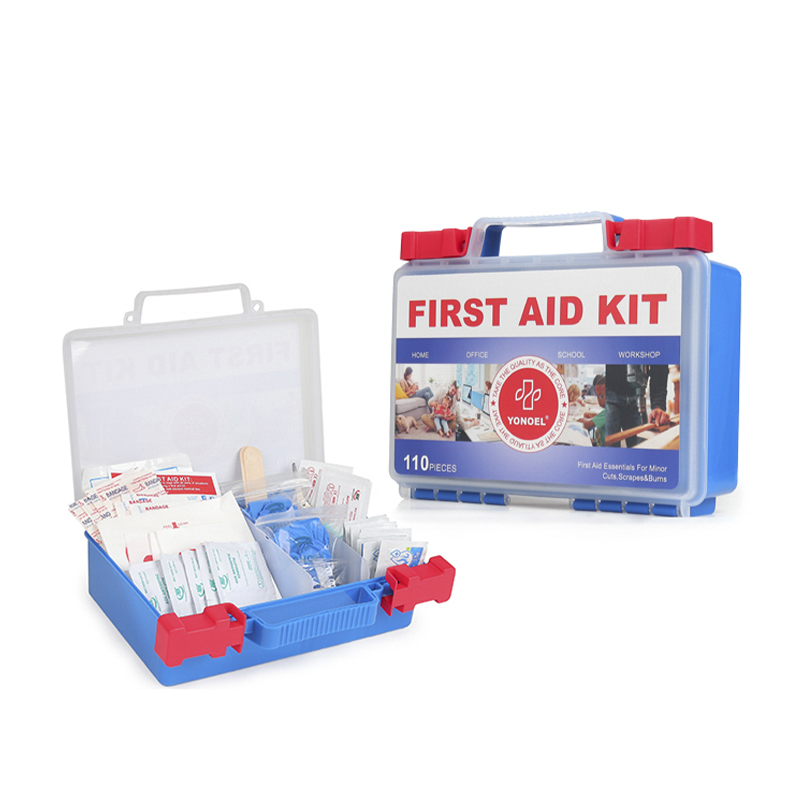
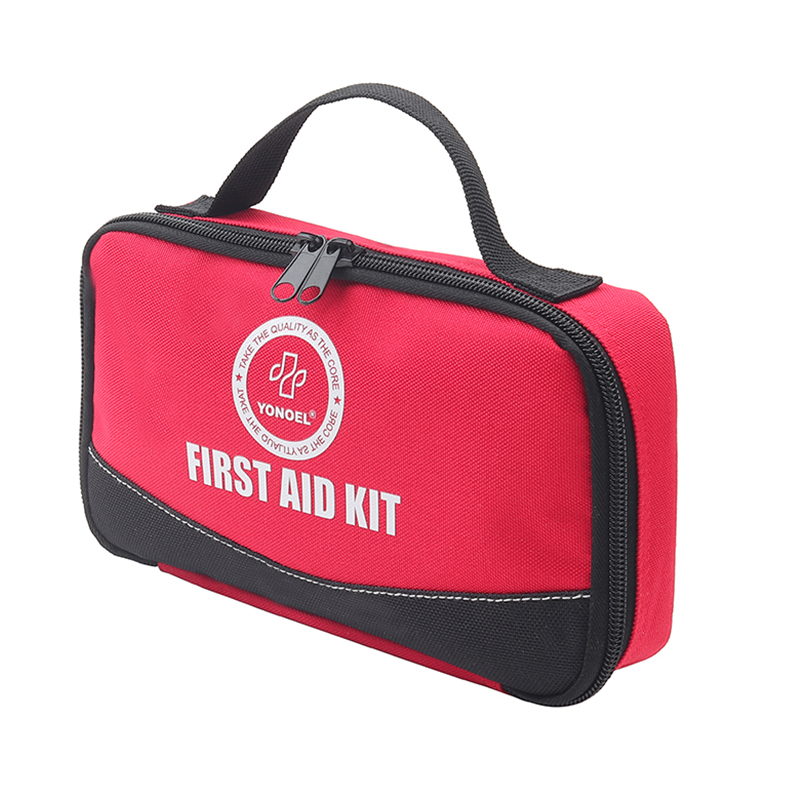
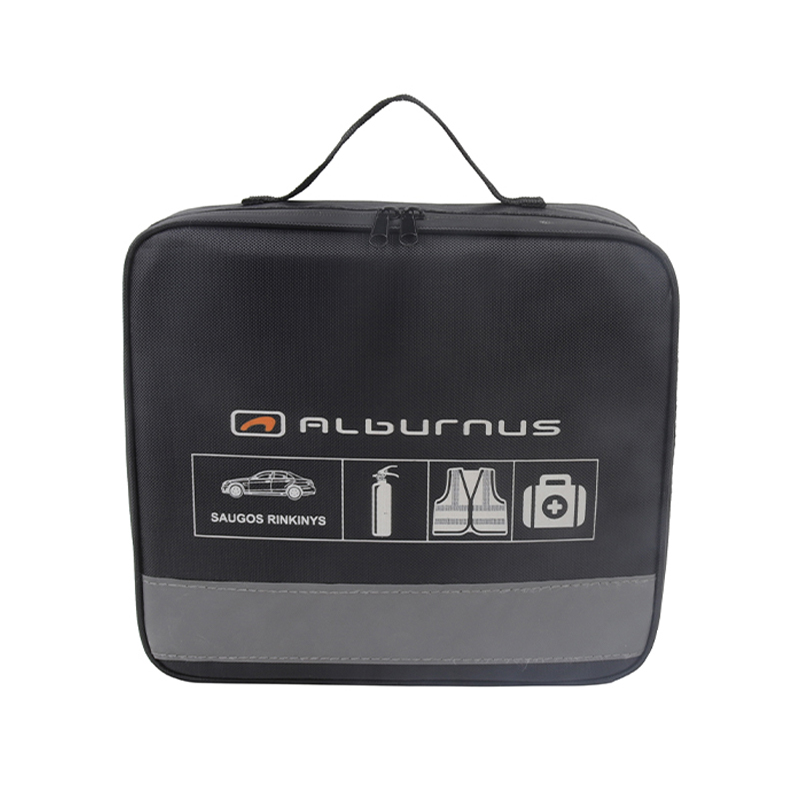
Common packaging options include fabric-based bags, plastic cases, and other protective packaging solutions, and each carries its own set of characteristics.
Fabric bags tend to get chosen because they're lightweight and simple to carry around. Plastic cases offer a more structured appearance and help protect what's inside. Which option actually fits depends heavily on customer requirements and the environment the kit will end up being used in.
| Material Type | Common Characteristics |
|---|---|
| Fabric packaging | Flexible structure and convenient storage |
| Plastic case | More structured protection and organization |
| Mixed materials | Combines different packaging features |
A capable manufacturer weighs up more than just the material on its own — how the package actually gets used matters just as much. Thoughtful material selection tends to improve storage convenience and how the finished product presents overall.
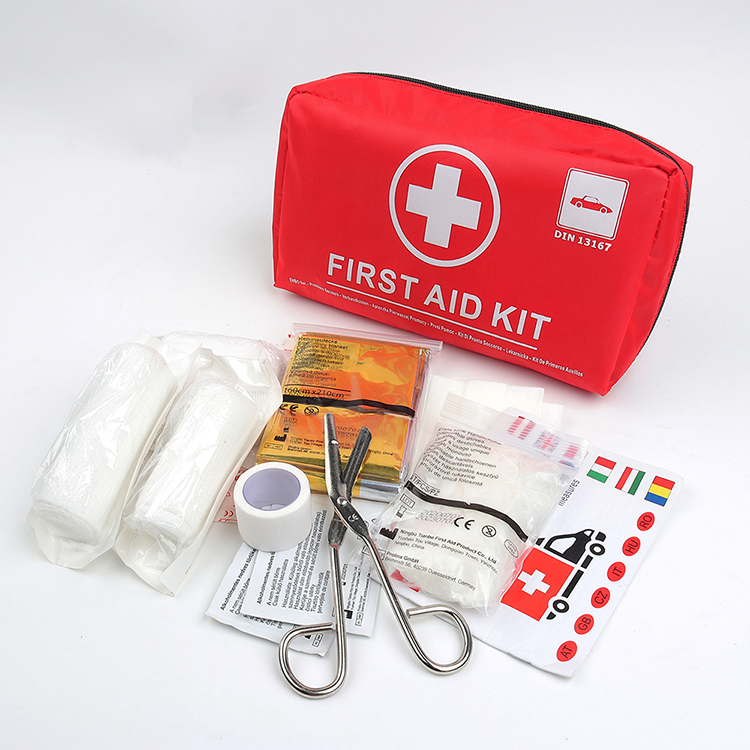
Packaging carries real significance for emergency products, since users may need to spot and reach them quickly when it actually counts.
A workable package design needs to account for storage space, product visibility, and how easy the kit is to handle. For vehicle applications specifically, compact organization helps drivers tuck the kit into a sensible spot without it becoming an afterthought jammed somewhere awkward.
Packaging design usually touches on:
A carefully planned package tends to make transportation smoother for distributors and improves storage management once it reaches end users.
For manufacturers, packaging isn't just an outer shell wrapped around the product. It's part of the whole experience someone has with the kit, and it can shape how buyers perceive the product before they've even opened it.
OEM cooperation gives businesses room to shape products around their own market needs, but getting real value out of that arrangement depends heavily on clear communication between both sides from the start.
Before production kicks off, buyers generally need to share information covering packaging preferences, product requirements, labeling needs, and the markets they're targeting.
A workable OEM process tends to include:
Manufacturers and buyers need to keep communication flowing throughout the project, not just at the beginning. Clear information exchange helps cut down on last-minute changes once production is already underway.
For companies building out their own product lines, working alongside an experienced DIN 13164 First Aid Kit Factory can open up more flexibility in product planning and how they position themselves in the market.
International purchasing brings in more than just product quality as a consideration. Buyers also need to weigh communication style, packaging requirements, transportation preparation, and how cooperation actually plays out day to day.
Before settling on a supplier, companies can work through a few points:
A solid supplier relationship gets built through clear communication and steady, consistent cooperation over time. Buyers do well to weigh both immediate purchasing needs and how the relationship might evolve down the line.
Choosing a fitting DIN 13164 First Aid Kit Factory takes a fair amount of careful evaluation. By reviewing production methods, quality management, material choices, and how a supplier communicates, businesses can settle on a partner that genuinely fits what they need for vehicle emergency products.
No. 52, Hulian West Street, Jiangbei Street, Dongyang City, Jinhua City, Zhejiang Province, China
Quick Links
Product Center
Contact Us
 PRIVACY

 English
 Deutsch
 Français
 русский
 Español