An Outdoor Survival First Aid Kit is not only a bag of medical items. It is a practical response to real field conditions, where small problems can become difficult if help is far away. For hikers, campers, trekkers, and remote travelers, the value is often in readiness, clear layout, and simple use under pressure.
What matters is not filling space with random supplies. It is building a kit that matches the setting, the route, the weather, and the people using it. A well planned Outdoor Survival First Aid Kit should support quick action, reduce confusion, and fit the kind of outdoor activity being done. That is why the structure of the kit matters as much as the items inside it.
A useful way to think about it is to start with four questions: what should go in, who will carry it, how will it be used, and what kind of conditions may affect it.
| Planning factor | What to consider | Why it matters |
|---|---|---|
| Activity type | Hiking, camping, travel, or mixed use | Different settings bring different needs |
| Group size | One person or several people | More users can mean more use and more variation |
| Trip length | Short outing or extended stay | Longer outings create more chances for wear, loss, or change |
| Weather | Dry, wet, cold, or mixed conditions | Materials may behave differently in each setting |
| Access to help | Easy reach or remote area | The farther help is, the more careful the setup should be |
A kit for outdoor use should begin with items that help handle common field problems without adding complexity. People often need to deal with small cuts, scrapes, blisters, and pressure points before anything else. In a remote setting, those minor issues can affect movement, comfort, and decision making.
A balanced setup may include:
For hiking, the pack should stay light and easy to reach. For camping, there may be room for a few extra comfort items. For remote travel, the setup should be more careful about coverage, because access to outside help may not be immediate.
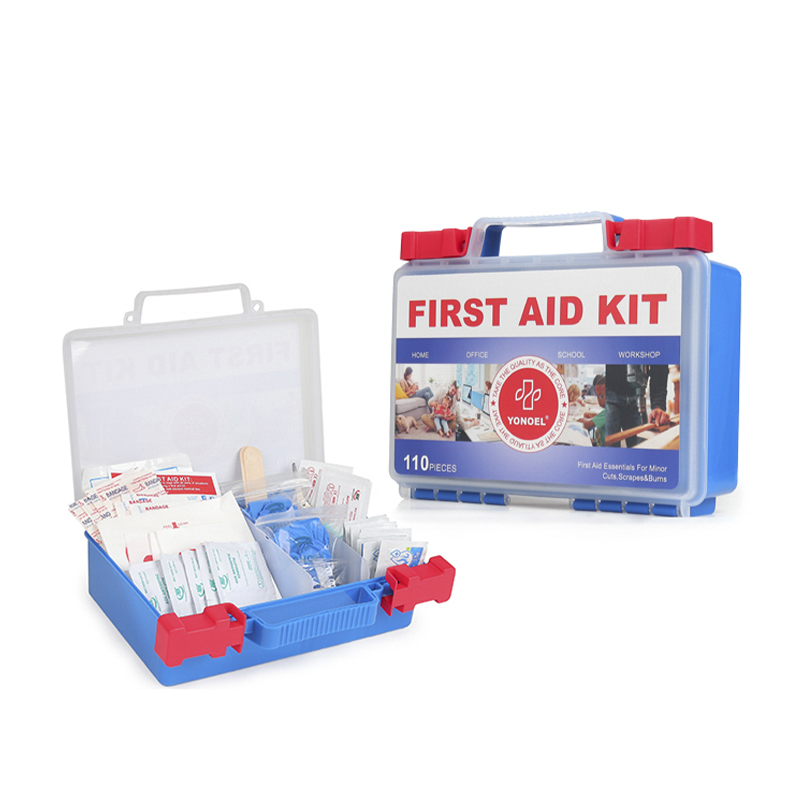
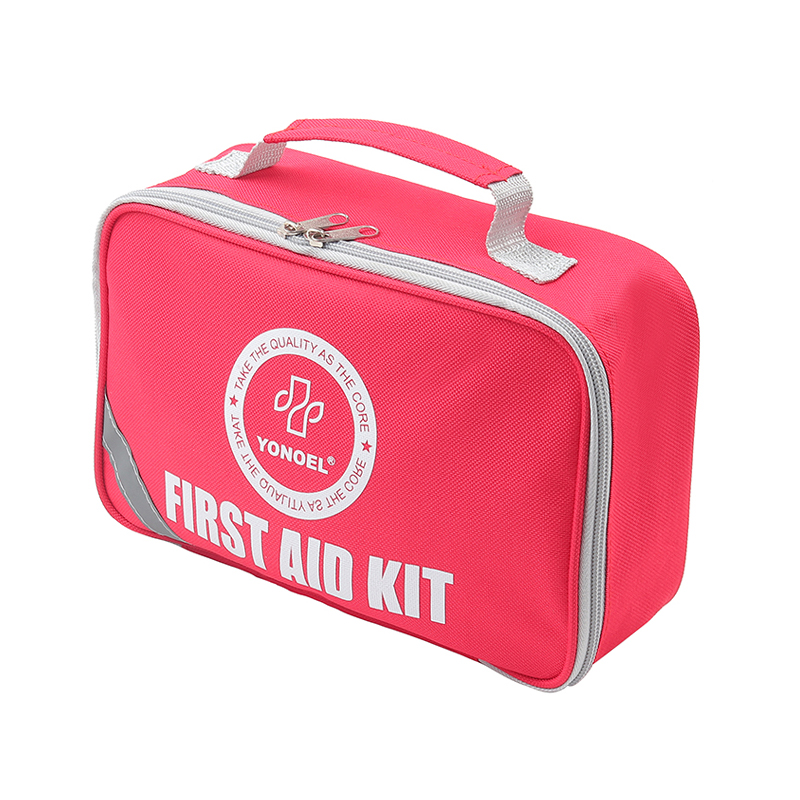
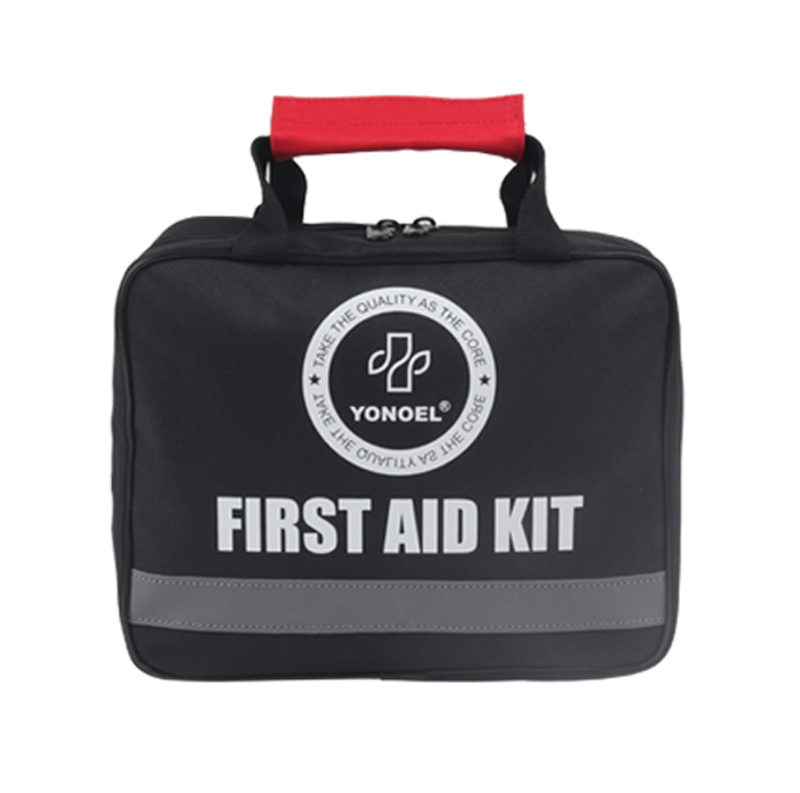
An Outdoor Survival First Aid Kit works well when it matches use rather than style. If the kit is hard to open, difficult to read, or packed without order, it may look prepared while still being hard to use.
Choice should follow the trip, not a fixed idea of what an emergency pack should look like. A short walk on a marked path does not call for the same setup as a long stay in a remote area. Group size also changes the picture, because one person can manage a smaller pack, while several people create a wider range of needs.
A simple way to choose is to look at three layers:
A single traveler may want a compact kit with quick access items and clear labeling. A family group may need more dressing material, more storage space, and a layout that different users can understand. A remote trip may call for a more complete pack, since replacement is not easy once the trip begins.
| Situation | Kit focus | What to avoid |
|---|---|---|
| Short outdoor walk | Light and simple layout | Overpacking with little use value |
| Group outing | Shared supplies and easy labeling | Small pouches that confuse users |
| Remote route | Wider coverage and clear order | Items that are hard to reach fast |
| Mixed activities | Flexible storage and modular layout | One fixed layout for every use |
An Outdoor Survival First Aid Kit should feel practical in hand, not only complete on paper. The right choice is the one that fits the outing without becoming a burden.
Good organization reduces delay. Under stress, people do not want to search through loose items or guess where something was placed. A strong layout can make the kit easier to use even for someone who has little practice.
A useful method is to divide the contents by purpose. For example:
This kind of grouping helps the user move step by step instead of digging through the whole pack. Clear labels also help, especially if more than one person may use the kit.
It is also smart to place the most likely needed items in the outer or upper area. Less urgent items can stay deeper inside. That way, the person reaching for help does not waste time moving everything aside.
Some simple habits improve use:
A well organized Outdoor Survival First Aid Kit should support fast action without demanding memory. The user should be able to open it, see the structure, and move with little delay.
Outdoor settings often create a pattern of predictable problems. Many of them are not dramatic at the start, but they can interrupt movement, comfort, and safety if ignored. The kit should reflect that reality.
Common issues include:
These are the kinds of problems that often appear during normal activity rather than during rare events. That is why the kit should focus on practical response, not only emergency image.
A user who can deal with a blister early may keep walking. Someone who can clean and cover a cut may reduce discomfort and avoid further trouble. In that sense, the kit helps with both comfort and continuation of the trip.
An Outdoor Survival First Aid Kit is useful when it matches these routine field problems. It should help the user respond early, stay calm, and keep the outing on track.
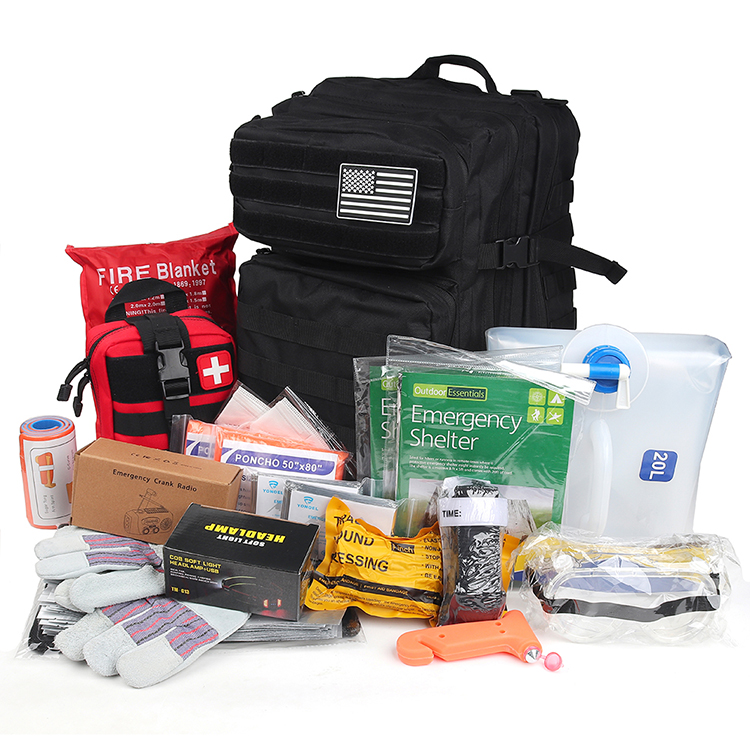
Outdoor settings can place quiet pressure on supplies. Heat may soften adhesive materials. Cold can make some items stiff and harder to open. Damp air can affect packaging, labels, and the way pieces fit together after long carry time. Dust and grit can also get into closures and make fast access less reliable.
That is why storage matters. A pack kept in a dry place inside a bag will usually hold up better than one left exposed in a vehicle or on the ground. The layout also matters, because a neat interior is easier to handle when hands are cold, wet, or shaky.
A useful habit is to check the condition of wraps, seals, and outer pouches before each outing. If an item feels difficult to open at home, it will usually feel worse outside. An Outdoor Survival First Aid Kit should be treated as field gear, not shelf display. It needs to stay ready for changing conditions, not only for calm moments.
Restocking should happen before the kit becomes partly empty or uncertain. After any trip, it helps to open the pack and look at what was used, what was moved, and what may have been damaged. A missing piece is easy to overlook if the next outing begins in a hurry.
There are a few clear moments to review contents. One is after use, even if only a small item was taken out. Another is after a long period in storage, when packaging may have weakened or items may have shifted. A third is before any new outing, especially when the route is remote or the weather may change.
A simple method is:
This keeps the pack predictable. A well maintained Outdoor Survival First Aid Kit should not depend on memory. It should open in the same way each time, with no guessing about what is still inside.
Climate changes how people move, sweat, grip tools, and protect skin. It also changes how materials behave. A dry route may create more friction and irritation. A wet route may increase the chance of softened skin and slipping. A cold route may make handling slower and reduce comfort during simple tasks.
The goal is not to rebuild the whole pack every time. The goal is to adjust a few parts so they match the setting.
For cold conditions, easier-to-open packaging and items that remain flexible can help. For wet settings, water-resistant storage and secure sealing become more useful. For dry places, items that support skin care and friction protection may matter more than usual.
A practical adjustment plan can be as simple as this:
An Outdoor Survival First Aid Kit should feel stable across climates, but not identical in every situation. Small changes in packing often make a larger difference than adding more items.
The most useful training is simple, repeatable, and tied to the exact layout of the pack. Someone with no medical background does not need a long list of technical ideas. They need calm, clear practice that matches what they may actually face outdoors.
Three things matter most. The first is knowing where each item is stored. The second is knowing how to open and use the main supplies without delay. The third is learning a basic response order, so the person does not freeze when something goes wrong.
Good training can include:
This kind of preparation makes the kit more useful than a full pack that nobody knows how to use. An Outdoor Survival First Aid Kit becomes far more practical when the user recognizes every part by touch, sight, and placement.
The purpose is not to turn every user into a specialist. The purpose is to make normal outdoor care more direct, less confusing, and easier to handle when conditions are not comfortable.
No. 52, Hulian West Street, Jiangbei Street, Dongyang City, Jinhua City, Zhejiang Province, China
Quick Links
Product Center
Contact Us
 PRIVACY

 English
 Deutsch
 Français
 русский
 Español