Keeping a car first aid kit ready for immediate use is a straightforward step that can make a practical difference in roadside situations. A kit that is easy to reach reduces response time, avoids unnecessary fumbling, and helps occupants respond calmly. Good placement is a combination of predictable location, internal organization, and secure mounting.
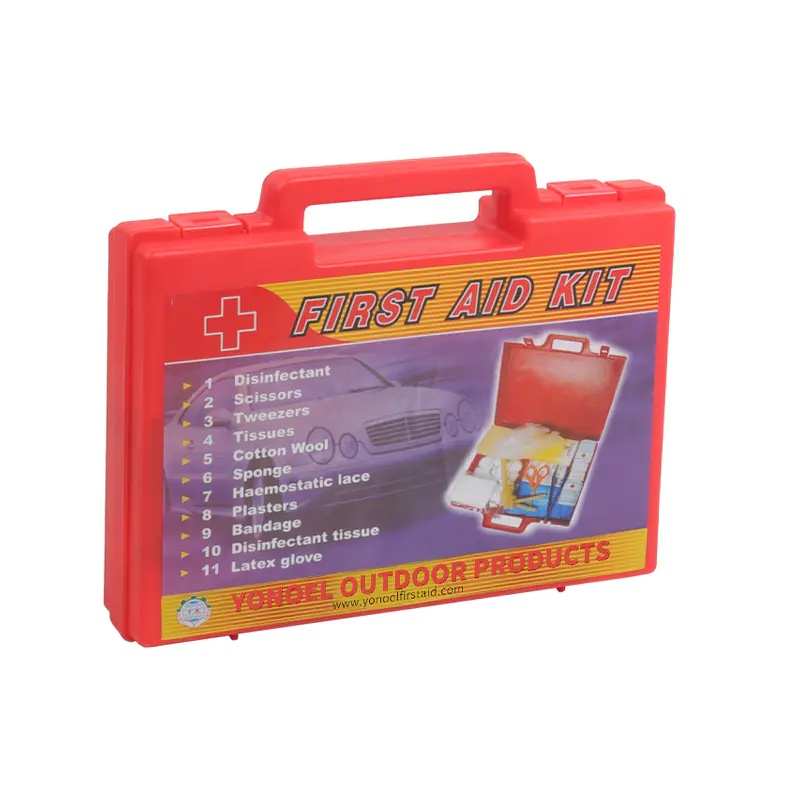
Many drivers assume that a larger kit equals better preparedness, but the physical position of the kit often matters more than its capacity. A compact kit kept within arm's reach will usually be more useful at the moment of need than a larger kit stored under heavy luggage in the trunk. Location influences who can reach the kit, how quickly it can be retrieved, and whether it remains accessible when the vehicle is crowded. When choosing a storage spot, think about situations where time and mobility are limited—such as when the vehicle must stay on the road shoulder or when one hand is needed to steady a passenger.
Vehicles offer several practical locations for a first aid kit. Each has advantages and trade-offs:
Glove compartment. The glove compartment is close to the front seats and convenient for small, compact kits. Its front-facing location helps the driver or front passenger grab items quickly without leaving the seat. The main drawback is the tendency to accumulate unrelated documents and small items, so the compartment should be kept tidy.
Center console. The center console is a good compromise for kits that must be accessible to both driver and front passenger. When kept clear of clutter, it allows quick reach while staying protected from sun and weather.
Under-seat storage. The space beneath the front seats suits slim roll-style kits or narrow pouches. This placement keeps the kit within reach while hidden from view, but users should ensure it does not slide backward or become trapped.
Seat-back pocket. Rear passengers can access kits stored in seat-back pockets. This placement is useful for family cars but less suitable when immediate driver access is essential.
Door pockets. Side door compartments support quick open-and-grab action and are a sensible option for compact kits. Care must be taken to secure the kit so it does not fall out when doors open.
Trunk near the rear edge. Larger or more comprehensive kits are practical in the trunk, provided they are positioned close to the trunk lip so retrieval does not require digging through cargo. The kit should never be buried beneath heavy items that block access.
When deciding on a location, consider who is most likely to use the kit and whether the kit needs to be reachable from inside the cabin or only by exiting the vehicle.
Placement alone will not ensure quick access if the kit's contents are disorganized. Internal layout matters. Arrange items by frequency of use so that the most urgent supplies are the easiest to reach.
A simple internal scheme works well: designate a top pocket or outer sleeve for immediate items such as adhesive bandages, antiseptic wipes, gloves, and a compact compress. Place cleaning supplies and wound care materials in the middle section, and supportive items like slings, blankets, or extra dressings in lower compartments. If the kit contains tools or specialized components, keep them in labeled side pockets so a user will not need to search through the whole bag.
Use pouches, elastic loops, and small zippered compartments to separate categories. Color-coded tags or visible labels help reduce hesitation, especially when someone unfamiliar with the kit must act. Resist overpacking; a dense kit slows retrieval and creates distractions at a crucial moment.
A kit that moves during driving can become hard to find or create noise that masks other warnings. To prevent this, secure the kit with one or more restraint methods:
Avoid storing the kit where it can become a projectile; anchor it behind a lip or within closed compartments. A secured kit protects both occupants and supplies.
In many situations, the driver may not be the one to retrieve the kit. Parents, passengers, or roadside helpers should know where the kit is located. A visible placement or a short orientation for frequent passengers improves response time. For shared vehicles, agree on a single, consistent spot and avoid moving the kit between trips. If caregivers or older passengers travel regularly, make sure the kit is placed so they can reach it without twisting or bending.
When multiple users share a vehicle, a small card placed on the visor or on the dashboard (kept out of the way of driving) that notes the kit location can be helpful. This is especially useful in rental, carpool, or rideshare settings.
Different vehicle types require tailored approaches.
Sedans often rely on glove compartments and center consoles. Keep these areas free of unrelated items so a compact kit fits at the top.
SUVs and crossovers have more storage options and vertical space; choose an interior shelf or side pocket for quick access, and use trunk space only for larger kits that serve as backups.
Pickup trucks may offer secure under-seat storage or behind-seat compartments; a kit fitted to a toolbox or a seat-back organizer is practical.
Vans and commercial vehicles often have wall-mounted or open-cargo options; in these vehicles, consider mounting a kit at chest height near the side door to allow fast exit and access.
Recreational vehicles and campers benefit from dual placement—one kit near the driving area for quick use and another in the living area for longer-term care.
A few accessories can help:
Quick-release pouches let a user grab the kit and carry it to the casualty without searching for multiple items.
MOLLE-compatible panels or modular mounting pads can fix a kit in place in vehicles designed for rugged use.
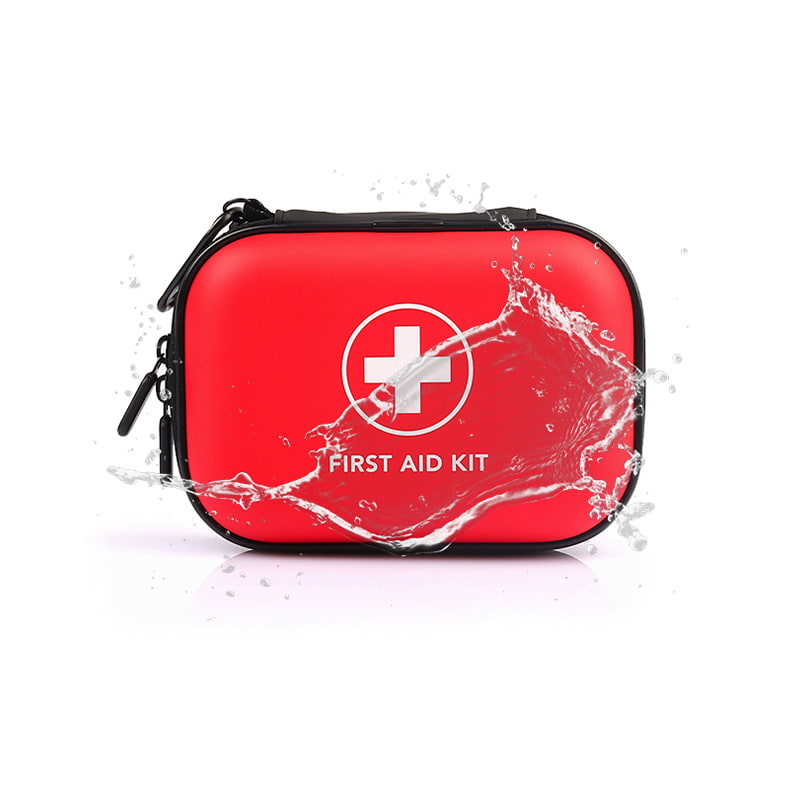
Hard-shell cases protect sensitive supplies and can be anchored with brackets to prevent movement.
Small lights or reflective tabs on the kit help retrieval in low light; battery-free glow strips are an option for nighttime roadside situations.
Choose accessories that match travel habits and do not add complexity.
A stored kit is useful only when it remains complete and functional. Regular checks should confirm that supplies are dry, packaging is intact, and items used previously are replaced. Clean the exterior of the kit and remove any accumulated debris from compartments that can cause sticking. Check that mounting straps and Velcro remain strong enough to hold the kit in place. A quick monthly check or a check tied to a routine event—such as the first day of each month—keeps readiness high.
When restocking, avoid adding rare or unnecessary items that complicate retrieval; keep the kit streamlined for common roadside needs.
Store the kit where it will not block airbags, seat rails, or other safety mechanisms. Keep the kit out of reach of children while ensuring adults can access it quickly. Do not place the kit where it interferes with driving controls or sight lines. Secure placement protects both people and equipment.
Common errors include burying the kit under luggage, leaving the trunk filled so the kit is inaccessible, placing the kit in a crowded glove compartment, and failing to secure it against movement. Another frequent mistake is adding so many items that the kit becomes confusing to use. Simplicity enhances speed.
For solo commuters who travel light, a compact kit in the center console provides immediate reach. Families may use a two-location system: a compact kit in the glove compartment and a larger kit near the rear edge of the trunk. Drivers who spend time on rough roads should secure a kit under the front seat and mount a flashlight on the visor for quick use after exiting the vehicle. Carpool vehicles can benefit from a clearly labeled seat-back kit for easy access by passengers.
| Storage Location | Best for | Access Notes |
|---|---|---|
| Glove compartment | Compact kits | Quick for front-seat use; keep compartment tidy |
| Center console | Driver & front passenger | Keep free of clutter; ideal for compact kits |
| Under-seat area | Hidden, reachable | Secure against sliding; suitable for slim kits |
| Seat-back pocket | Rear passengers | Visible but less accessible to driver |
| Trunk (front edge) | Larger kits | Position near trunk lip to avoid deep reach |
An effective storage plan combines a consistent location, sensible internal organization, and secure mounting. Predictability is the overarching principle: when every passenger knows where the kit is and can reach it without fumbling, the kit becomes a reliable tool rather than a hidden object. Small actions—tidying the glove compartment, adding a strap, or labeling an internal pocket—create measurable improvements in speed and confidence during roadside events.
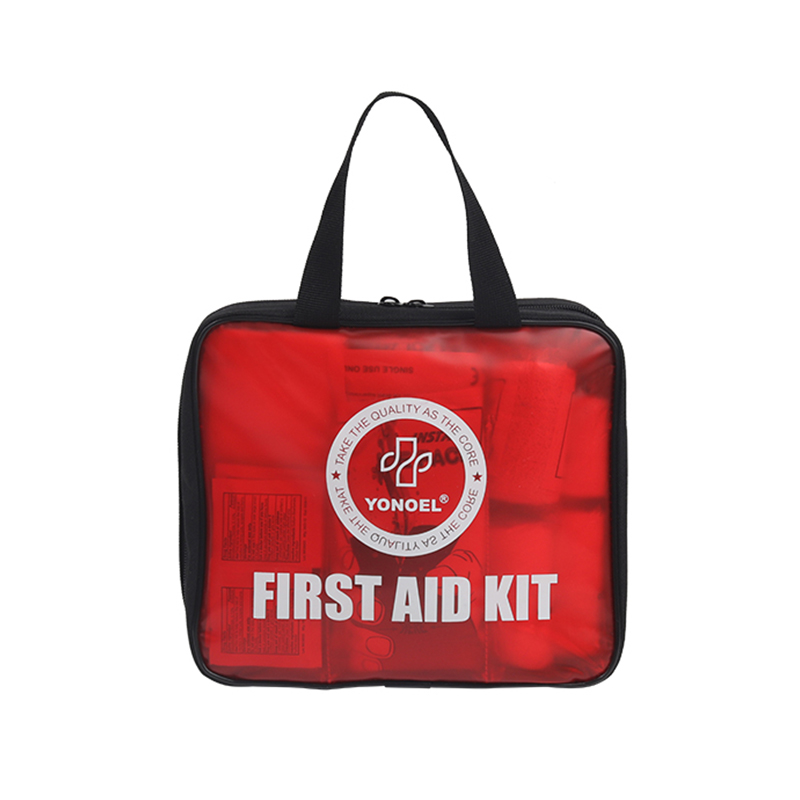
Yonoel develops vehicle-ready first aid solutions with a focus on practical organization and consistent build quality. The product approaches emphasize clear internal layouts, secure casing options, and mounting choices suitable for daily travel and longer trips. Manufacturing facilities are geared toward steady production of medical consumables and kit assembly, with a focus on stable processes and product usability.
For businesses or teams seeking collaboration, Yonoel offers manufacturing support for customized kit layouts and packaging options designed to match specific vehicle storage needs. The factory approach centers on cooperation, reliable production practices, and solutions that align with real-world vehicle use.
No. 52, Hulian West Street, Jiangbei Street, Dongyang City, Jinhua City, Zhejiang Province, China
Quick Links
Product Center
Contact Us
 PRIVACY

 English
 Deutsch
 Français
 русский
 Español