As global safety awareness continues to increase, new research from several international organizations reveals that many households and workplaces remain under-prepared for emergencies — especially when it comes to first aid kits. These findings have sparked renewed calls for families, travelers, and employers to strengthen their emergency readiness and ensure they have complete, up-to-date first aid supplies.
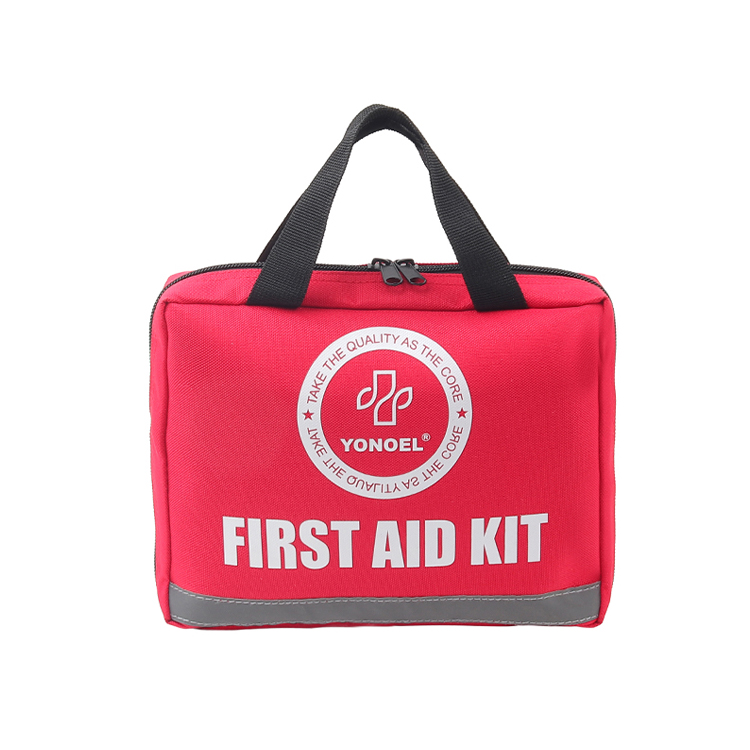
A report published by ABC17 News / Stacker-Science (June 2025) found that a large number of American first aid kits are “woefully out of date.” The article highlights that many kits contain expired ointments, dried-out bandages, or are missing essential tools such as sterile dressings, gloves, and wound-cleansing products.
Experts interviewed in the report urged users to inspect and restock their kits at least every six months, emphasizing that a first aid kit is only effective when properly maintained.
Modern emergency specialists also recommend upgrading traditional antiseptics (such as hydrogen peroxide or alcohol) with biofilm-disrupting wound cleansers, which support safer and faster healing.
A national statement released by St John Ambulance Australia (September 2025) reported that:
34% of Australians do not have a first aid kit at home
17% have no kit at home, work, or in their car
Only 28% of working adults say they have access to a kit at their workplace
St John urged the public to perform annual “first aid kit checks” to ensure supplies are not expired, missing, or damaged — calling it a “simple but essential step” for protecting families and employees.
Market studies indicate that global demand for first aid kits is rising steadily.
According to a Global Market Forecast (GlobeNewswire, June 2025):
The global first aid market, valued at USD 4.66 billion in 2023, is projected to reach USD 6.9 billion by 2032
The U.S. market alone is expected to grow from USD 1.59 billion to USD 2.33 billion in the same period
Industry analysts attribute this growth to stricter workplace regulations, increased travel, outdoor activities, and rising public interest in home emergency preparedness.
A separate industry report (IMARC Group, 2025) also forecasts consistent annual growth from 2025 to 2033, noting that first aid kits are becoming essential not only in households and vehicles but also in schools, sports facilities, and public venues.
Emergency response professionals emphasize that first aid kits play a critical role in stabilizing injuries before medical help arrives. Cuts, burns, sprains, insect bites, and minor bleeding incidents are among the most common cases where a kit can make an immediate difference.
Recommendations from international safety experts include:
Keeping multiple kits — at home, in the car, and during travel
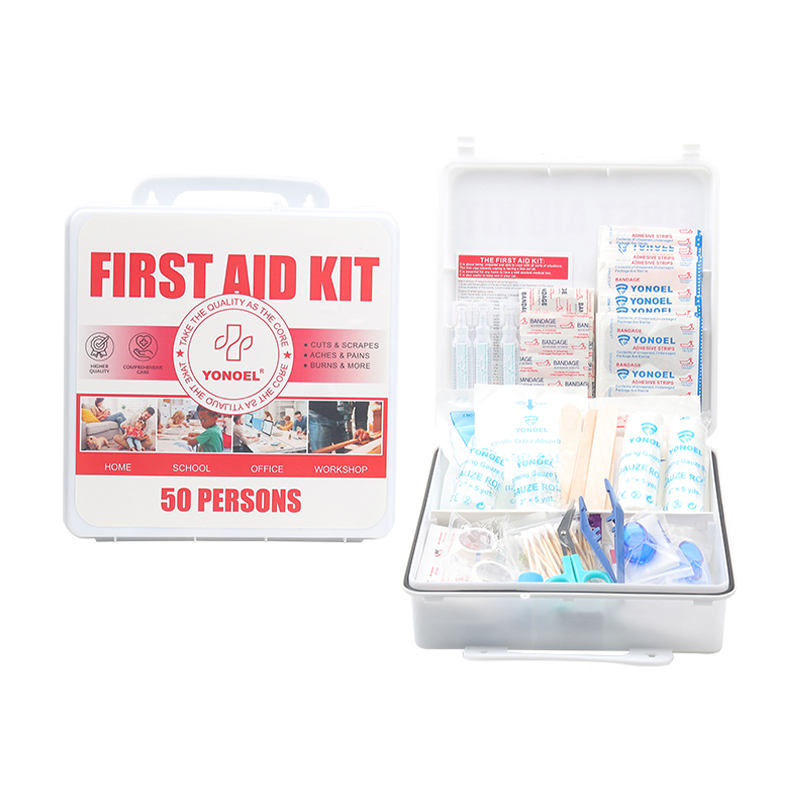
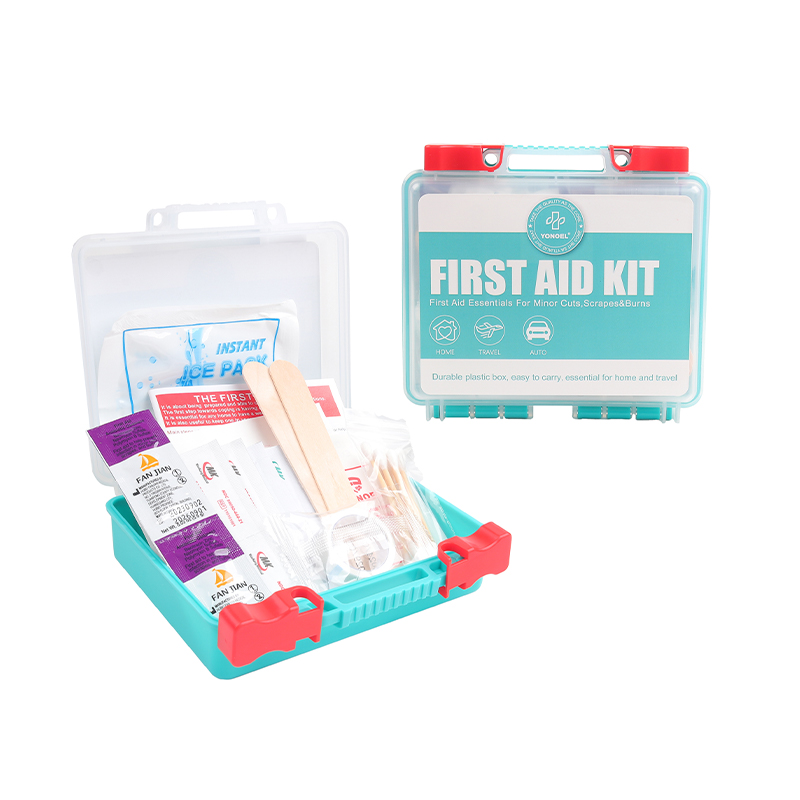
Ensuring every kit includes essentials such as dressings, bandages, gloves, scissors, antiseptic products, and emergency tools
Updating kits to meet modern safety standards and local regulations
A Growing Global Mindset: Safety as a Daily Priority
With natural disasters, travel activities, and workplace safety concerns increasing worldwide, more individuals and organizations are treating emergency preparedness as a necessity rather than an option.
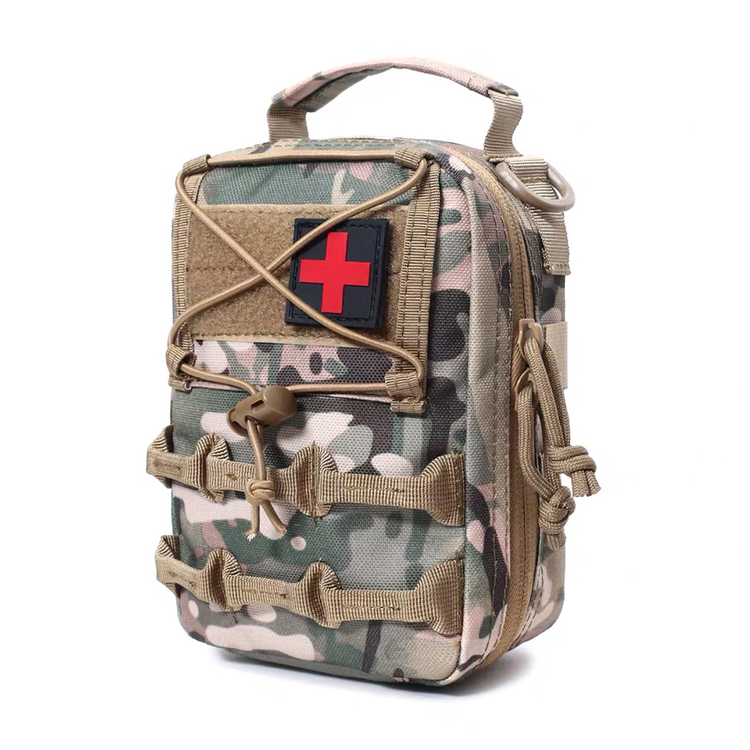
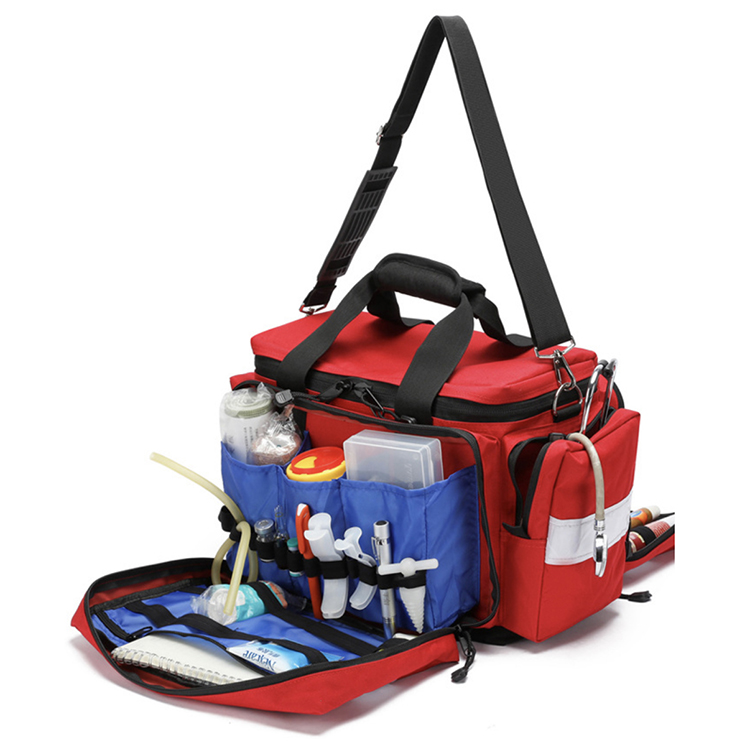
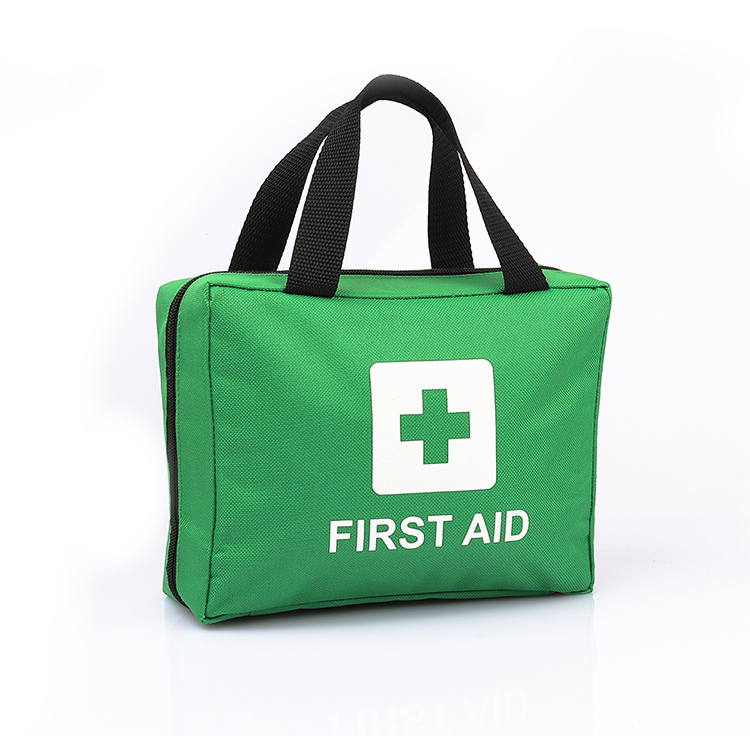
This trend has encouraged manufacturers, global distributors, and online retailers to expand their offerings of durable, customized, and scenario-specific first aid kits — including travel kits, outdoor kits, pet emergency kits, automotive kits, and professional workplace kits.
As the data shows, improved first aid readiness remains one of the simplest yet most effective ways to reduce the impact of unexpected injuries and protect the people around us.
No. 52, Hulian West Street, Jiangbei Street, Dongyang City, Jinhua City, Zhejiang Province, China
Quick Links
Product Center
Contact Us
 PRIVACY

 English
 Deutsch
 Français
 русский
 Español