Outdoor activities really do pull people closer to nature, but different environments throw up their own set of challenges. Whether it's a hiking trip, a camping weekend, or an outdoor travel plan, preparation plays a genuinely big role in making the whole experience safer and more comfortable. Picking suitable equipment takes more than just counting how many tools come in the box. The right choice really depends on where the gear's actually headed, what activities are planned, and which functions genuinely matter.
An Outdoor Survival Kit is built to offer practical support once you're out there dealing with real conditions. A well-thought-out set of tools can help handle common needs — simple repairs, better visibility, managing outdoor tasks, prepping for whatever unexpected thing comes up. For buyers, getting a feel for product features and usage scenarios really makes the selection process a lot less overwhelming.
For manufacturers, building a useful outdoor kit means thinking through tool arrangement, portability, material choice, and how people actually use these things. Different customers carry different expectations, so product design needs to balance function against convenience. From basic outdoor prep to longer adventures, picking the right gear really starts with understanding how each piece works alongside the others.
Outdoor activities involve conditions that shift constantly. A sunny day can turn windy fast, a familiar path can get tricky to navigate, and simple tasks can suddenly need tools that just aren't around. That's really why a lot of outdoor enthusiasts pull together a compact set of helpful gear before heading out.
An Outdoor Survival Kit usually bundles several practical tools into one package. The point really isn't to replace all outdoor equipment out there — it's to offer support for the situations that come up most often. Depending on how it's built, it might include lighting items, basic repair tools, navigation aids, emergency prep gear, and things for handling everyday outdoor tasks.
People carry these kits for pretty different reasons. A camper might need tools for setting up gear, while a traveler cares more about convenience and easy storage. Someone into hiking might lean toward lightweight items that are simple to carry while on the move.
The real value of a survival kit comes down to how well it matches what the user's actually doing. A pile of unnecessary items just adds extra weight, while a carefully picked set of useful tools makes outdoor prep feel a lot more organized.
| Outdoor Activity | Common Considerations |
|---|---|
| Hiking | Easy carrying, basic tools, quick access |
| Camping | Multiple outdoor tasks, storage convenience |
| Travel | Compact design, flexible usage |
| Outdoor exploration | Adaptability and practical functions |
A suitable kit really isn't defined by how many tools it packs in. It should instead offer functions that genuinely line up with real outdoor needs.
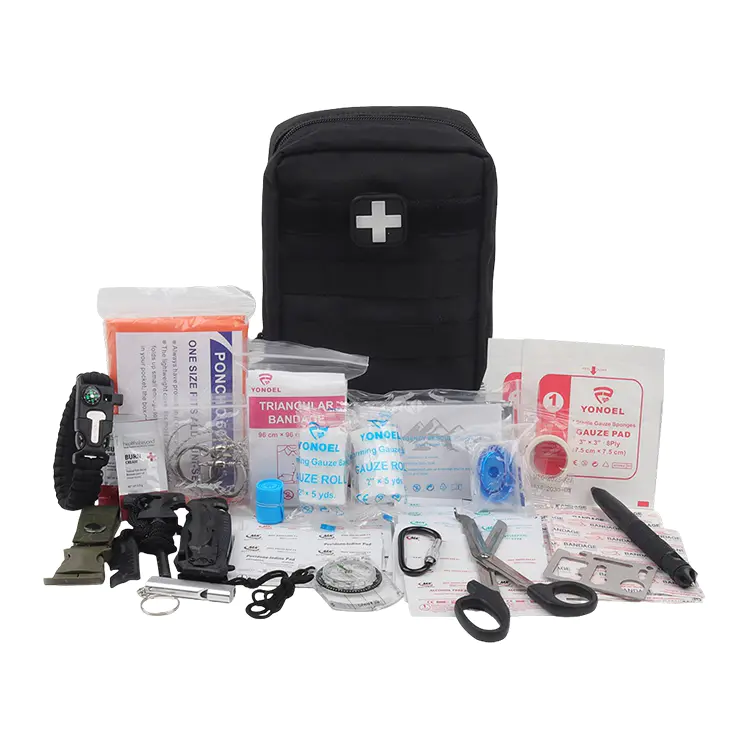
When picking outdoor gear, a lot of buyers wonder which items actually matter. The answer really depends on the activity, the environment, and personal habits.
Basic tool categories tend to cover cutting tools, lighting equipment, emergency supplies, repair accessories, and navigation-related items. Each category serves a different purpose. Lighting tools, for instance, help with visibility once it gets dark, while repair tools help sort out small equipment hiccups along the way.
A useful way to think about it is picturing possible situations before picking the actual contents. Someone heading out for a short trip probably needs a different setup than someone planning something longer.
Items worth thinking through:
How these items come together should really support practical use, rather than chasing appearance alone. Good organization also means users can actually find the right tool fast when they need it.
| Tool Category | Possible Outdoor Use |
|---|---|
| Lighting tools | Improve visibility during low-light conditions |
| Repair tools | Handle simple equipment adjustments |
| Emergency items | Support basic outdoor preparation |
| Storage solutions | Keep equipment arranged and accessible |
Getting a handle on what each item's actually for helps buyers build a setup that fits their own outdoor lifestyle.
Picking the right gear really starts with pinning down the main activity first. Different outdoor situations call for pretty different things, so it's worth thinking through the actual plan before committing to anything.
For hiking, portability usually tops the list. People generally want gear that's easy to carry and doesn't get in the way while moving. A compact design covering the essentials tends to suit walking routes and outdoor trips well.
For camping, flexibility tends to matter more. Camping usually means setting up a space, organizing supplies, and knocking out a bunch of small tasks. A kit with practical tools can support all these different moments around the campsite.
For outdoor travel, convenience becomes the priority. Travelers often need gear that slides easily into luggage or vehicle storage while still pulling its weight functionally.
Before choosing, it's worth asking:
A thoughtful selection process really helps avoid picking gear based purely on looks or sheer quantity.
Different tools serve different purposes, and getting a sense of their roles helps people make smarter calls. Rather than fixating on every single included item, it helps to think through how each tool actually supports outdoor tasks.
For hiking, lightweight tools that are easy to grab tend to work best. Items that help with simple repairs, visibility, and basic prep can genuinely come in handy along a trip.
For camping, a wider range of functions tends to matter more. Setting up gear, organizing supplies, managing outdoor tasks — all of it can call for different kinds of tools working together.
Functions worth considering:
How useful a tool is really depends on the situation it's facing. Something valuable for one activity might be pretty pointless for another. That's really why choosing based on personal needs matters so much.
From a manufacturing angle, product design shapes how people actually interact with outdoor gear. A well-designed kit thinks through both function and everyday handling together.
How tools get arranged really matters here. When someone needs an item fast, clear organization makes a real difference. Storage design should keep tools from getting lost or buried at the bottom of a bag.
Material choice shapes the overall experience too. Outdoor equipment needs to hold up across different environments, so manufacturers weigh durability, weight, and maintenance needs pretty carefully during development.
Other design points worth thinking through:
For manufacturers, understanding how customers actually use these products really matters. Outdoor users tend to value gear that's simple to use and easy to keep up.
Before buying outdoor gear, it's worth thinking through actual usage rather than picking something based purely on how it looks.
Activity type comes first. Someone who enjoys weekend camping probably has different needs than someone who leans toward hiking or travel. Environment matters just as much — weather, location, and trip length can all shape which functions actually turn out useful.
Personal experience matters here too. Beginners often prefer straightforward designs, while more experienced outdoor users tend to look for specific functions that match habits they've already built up.
Worth asking:
Working through these questions before buying really helps people land on gear that actually fits their needs.
Proper maintenance keeps outdoor gear ready for whatever's coming next. After each trip, tools should get checked, cleaned, and put away properly.
Moisture and outdoor conditions can mess with certain materials, so keeping gear dry and organized really matters. Regular checks help catch missing items or tools that need a bit of attention before they cause problems later.
A simple maintenance routine might include:
Organization affects convenience too. When every item has a fixed spot, prepping for the next trip goes a lot faster.
A well-maintained Outdoor Survival Kit can keep supporting different activities while cutting down on unnecessary replacements over time.
Different environments really call for different prep approaches. A suitable setup should factor in weather, activity type, and personal needs together.
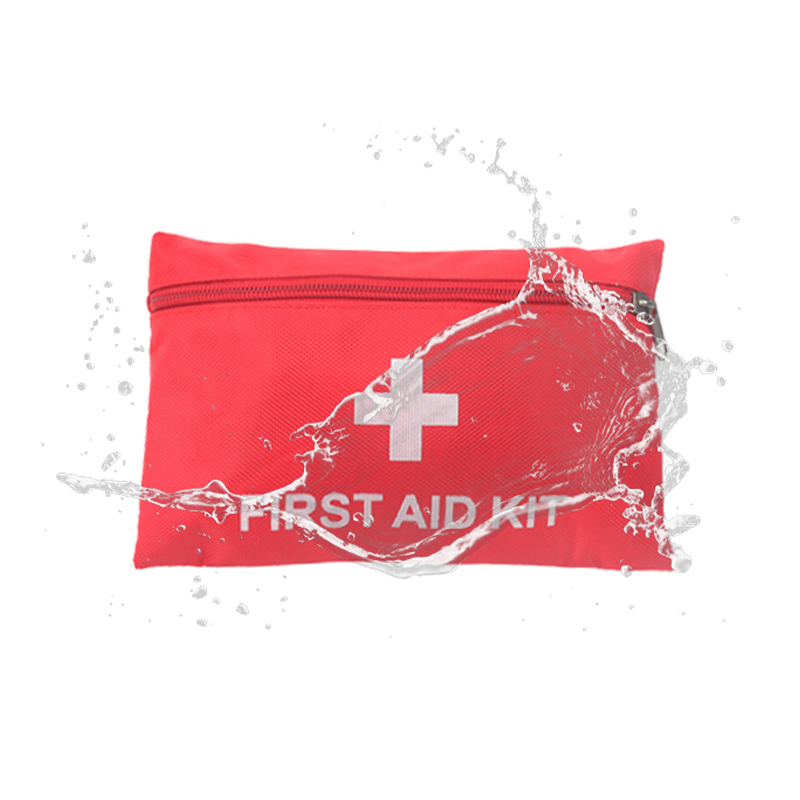
For wet environments, it's worth paying attention to storage protection and moisture management. For colder conditions, tools tied to comfort and safety tend to matter more. For general outdoor activities, balance and flexibility carry the most weight.
A few helpful tips:
Building an effective Outdoor Survival Kit really is an ongoing process. As people pick up more outdoor experience, they tend to adjust their gear around whatever their needs actually turn into.
Choosing an Outdoor Survival Kit really isn't only about picking a pile of tools. It's about finding something practical that matches the activities, the environment, and personal preferences all at once. With some careful thought around design, function, and maintenance, people can build a much more organized approach to outdoor prep.
.jpg)
No. 52, Hulian West Street, Jiangbei Street, Dongyang City, Jinhua City, Zhejiang Province, China
Quick Links
Product Center
Contact Us
 PRIVACY

 English
 Deutsch
 Français
 русский
 Español