First aid kits make excellent gifts because they combine thoughtfulness with real-world usefulness in a way that few other presents achieve. They provide essential supplies for handling minor injuries and everyday discomforts like small cuts from paper edges, scraped knees from playground falls, minor kitchen burns, blisters after long walks, or sudden headaches after a stressful day. These kits stay relevant in homes, cars, offices, backpacks, or suitcases, offering quiet preparedness that does not require constant attention or maintenance. Affordable versions ensure the gift remains accessible across different relationships and occasions while still delivering dependable basic protection suitable for children, adults, seniors, or active individuals.
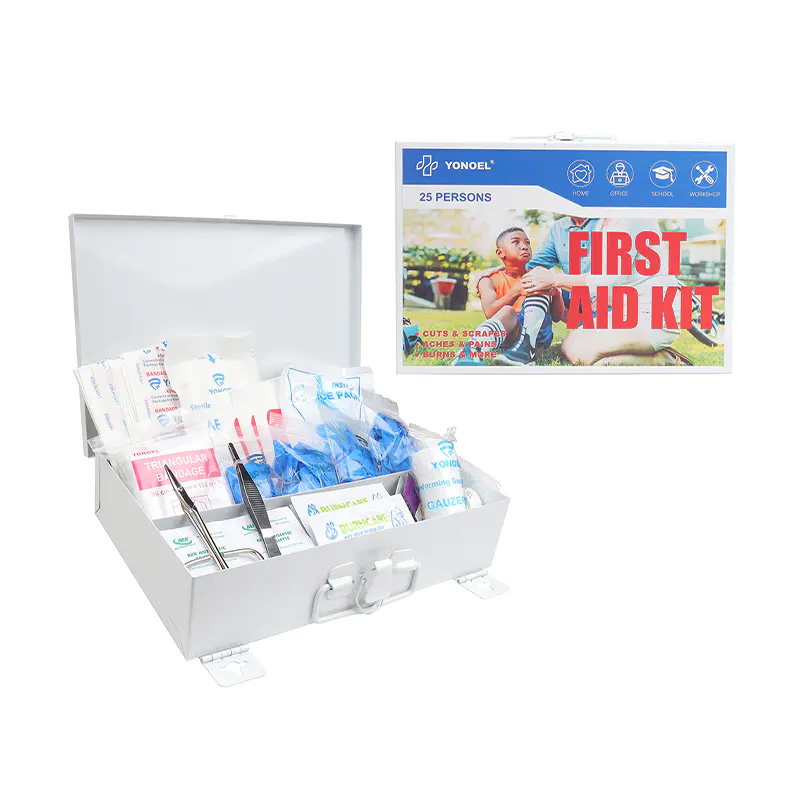
First aid kits show genuine concern for someone's well-being without coming across as overly dramatic or intrusive. They slip easily into normal routines and storage spots—kitchen drawers, glove compartments, gym bags, desk drawers, or nightstands—so the recipient actually uses them instead of storing them away forgotten. The supplies target the most frequent minor problems people encounter at home, during travel, at work, or outdoors, giving the gift ongoing practical value that many other items simply cannot match. Because they encourage basic safety habits and readiness, they feel like a caring, forward-thinking choice for birthdays, housewarmings, new-parent congratulations, college send-offs, coworker appreciation, holiday exchanges, or even small thank-you gestures.
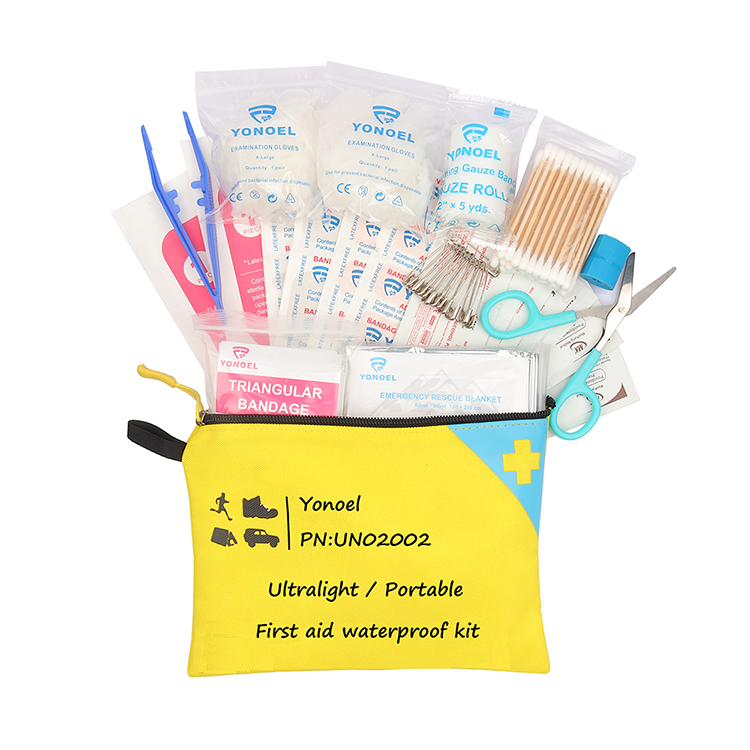
Low-budget first aid kits focus on the absolute essentials packed into very simple, lightweight containers such as soft zippered nylon pouches, small fabric drawstring bags, or basic plastic snap-shut boxes. Standard contents usually include adhesive bandages in a range of shapes and sizes (standard strips, knuckle bandages, fingertip pads), individually wrapped antiseptic wipes for cleaning minor wounds, several sterile gauze pads, a small roll of medical adhesive tape, single-dose packets of pain reliever tablets, anti-itch cream for insect bites or rashes, and a tiny pair of plastic tweezers for removing splinters or ticks. These compact kits weigh almost nothing and fit comfortably in purses, jacket pockets, school backpacks, or car consoles.
Because they remain inexpensive, they work perfectly as gifts for teenagers heading to college dorms, young adults starting first jobs, distant relatives during holiday gatherings, office Secret Santa exchanges, or as thoughtful add-ons to larger birthday or graduation presents. The simplicity ensures the recipient can quickly understand what is inside and how to use it without confusion or intimidation.
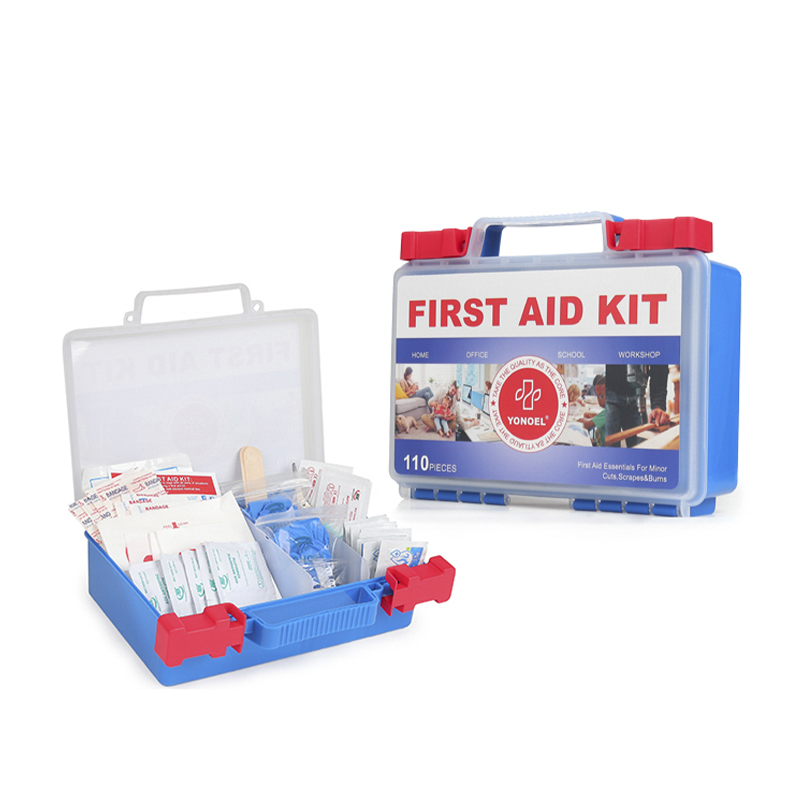
Mid-budget first aid kits step up noticeably in both quantity and organization, offering better value for people who want more than the bare minimum without moving into high-cost territory. Typical contents build on the basics by adding several pairs of disposable latex-free gloves for safe wound handling, small trauma shears or rounded-tip bandage scissors for cutting tape or fabric, flexible elastic wrap bandages to support sprained wrists or ankles, single-use burn-relief gel packets for minor heat injuries, chemical instant cold packs that activate with a squeeze, hydrocortisone cream for skin irritation, oral rehydration salts for mild dehydration, and sting-relief pads for insect bites or jellyfish stings. Many include a short laminated first-aid instruction card that outlines basic steps for common problems.
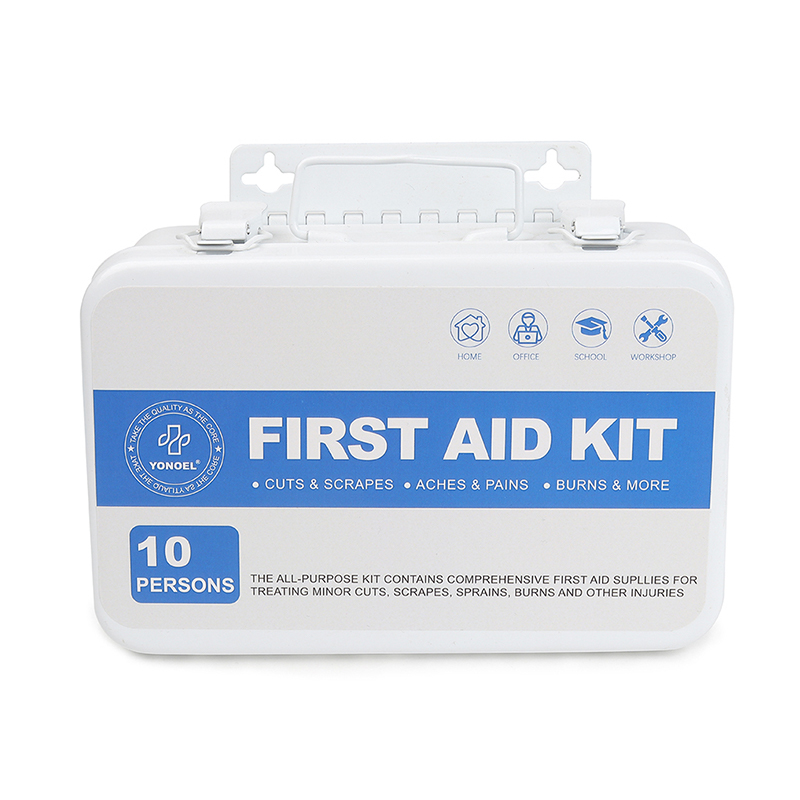
Containers often feature sturdy molded plastic cases with snap lids and internal dividers or multi-pocket fabric organizers with zippered sections that keep supplies neatly separated and easy to locate quickly. These kits suit families with young children who frequently experience playground scrapes, new homeowners setting up their first residence, frequent commuters who spend long hours driving, or anyone who appreciates a more complete yet still reasonably priced option for everyday readiness.
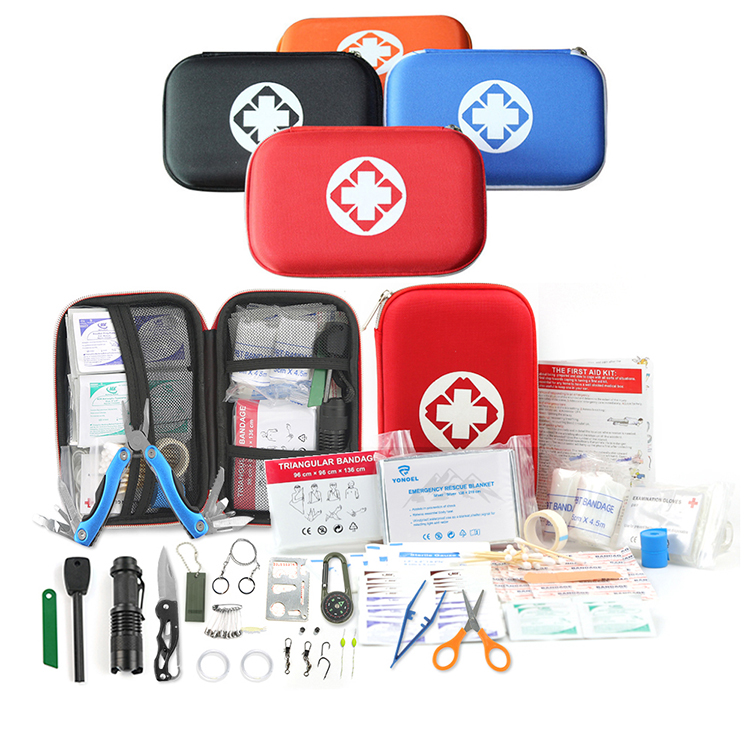
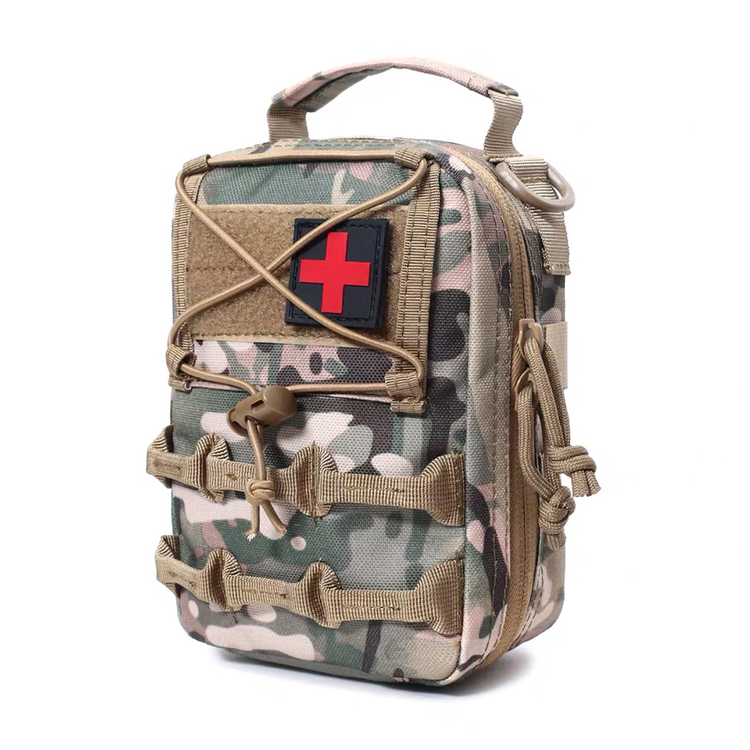
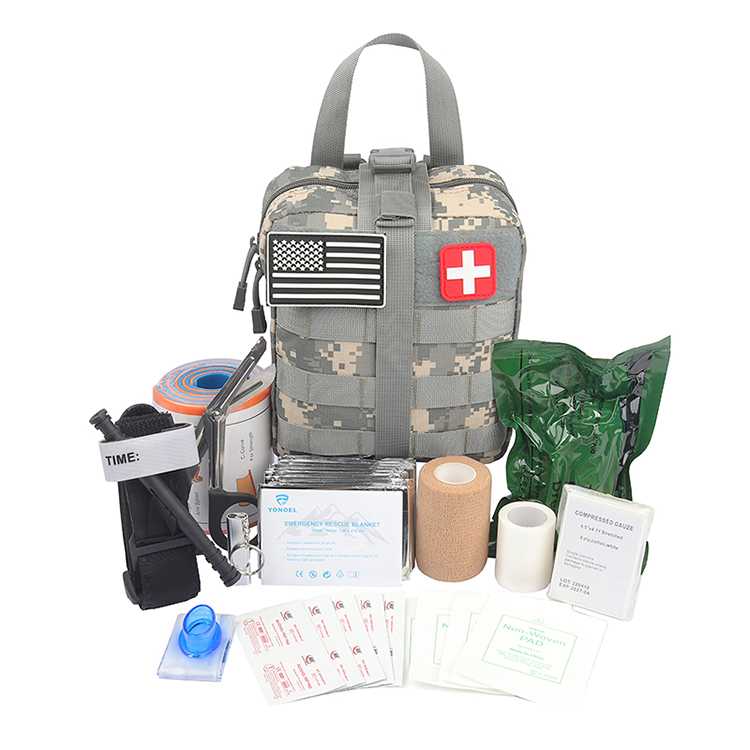
Higher-budget first aid kits use noticeably more robust construction and include a wider assortment of supplies tailored to more varied or demanding situations. In addition to all the standard and mid-range items, they commonly contain padded finger splints for immobilizing injured digits, butterfly wound-closure strips or steristrips for closing small lacerations, emergency mylar thermal blankets to retain body heat in cold conditions, a compact multi-tool equipped with scissors, pliers, file, and screwdriver bits, a small LED flashlight with spare batteries, moleskin padding for blister prevention during hikes, and sometimes a basic CPR face shield with one-way valve for safer rescue breathing. Water-resistant or impact-resistant hard-shell cases protect contents from moisture, dust, and rough handling.
These more comprehensive kits appeal strongly to people who hike regularly, camp overnight, participate in outdoor sports, travel frequently by road or trail, or live in households where children play competitive sports and are prone to more active injuries. The added durability and specialized tools give the recipient confidence that the kit can handle situations beyond simple household mishaps.
Low-budget kits keep things minimal with soft pouches and only the most essential items needed for basic wound care and pain relief. Mid-budget kits add practical tools, better organization, and extra comfort items that make them suitable for families or moderate travel needs. Higher-budget kits prioritize rugged containers, protective features, and advanced supplies designed for outdoor activities or extended preparedness. As budget increases, the focus shifts from bare necessity to enhanced versatility, durability, and peace of mind while core safety functions stay consistent across every price range.
Regardless of cost, every reliable first aid kit includes adhesive bandages in assorted sizes, antiseptic cleansing wipes or solution, sterile gauze pads for covering larger wounds, medical adhesive tape to secure dressings, and disposable gloves to maintain hygiene during treatment. Tweezers for splinter removal, small scissors for cutting tape or clothing, and basic over-the-counter pain relievers remain standard in nearly every version. Many kits also contain a simple instruction guide or quick-reference card that outlines steps for cleaning wounds, applying bandages, controlling minor bleeding, and knowing when to seek professional help. These core elements ensure the kit remains capable of addressing the majority of minor incidents that occur in daily life.
Selecting the right kit becomes much easier when you consider the recipient's typical daily routine, primary location of use, and any known preferences or limitations. Compact, lightweight versions suit frequent travelers, commuters, or students who need something that fits in a backpack or purse without adding noticeable weight. Larger, home-oriented kits with greater quantities of bandages, tape, and comfort items work better for families, parents of young children, or people who spend most time indoors or near a fixed residence. Taking allergies into account—choosing latex-free gloves or fragrance-free creams—shows extra attention and prevents potential issues.
Proper storage significantly extends the usefulness of any first aid kit. Keep them in cool, dry places away from direct sunlight, high humidity, or extreme temperature swings that can degrade medications, adhesives, or plastic components. Periodically inspect contents every six to twelve months to replace expired ointments, used bandages, or depleted cold packs so the kit stays fully functional. Clearly labeling compartments or using color-coded pouches inside helps anyone locate supplies quickly during stressful moments. Including a small maintenance checklist or reminder note inside the kit encourages the recipient to perform simple upkeep without much effort.
Different occasions naturally pair well with certain kit styles. Housewarming presents often benefit from home-focused kits that emphasize burn-relief items, extra gauze, and kitchen-safe supplies for common cooking accidents. Travel gifts lean toward compact, lightweight versions that pack flat and resist moisture for road trips, flights, or weekend getaways. Holiday exchanges or birthday surprises allow room for small personal touches such as handwritten notes explaining key items or themed ribbons that match the wrapping. The broad adaptability of first aid kits means they fit comfortably into casual coworker appreciation, new-parent congratulations, college send-offs, retirement acknowledgments, or any situation where a useful, caring gesture feels appropriate.
First aid kits remain one of the most sensible yet meaningful gifts available across almost any budget range. They quietly equip recipients to manage small emergencies confidently and safely in whatever environment they spend time.
Factories such as Yonoel produce first aid kits intended for everyday household use, vehicle storage, and thoughtful gifting. Yonoel assembles kits using standard, dependable supplies arranged in practical, organized, and durable packaging that suits home drawers, car trunks, travel bags, or office desks.
Yonoel places consistent emphasis on material reliability, clear layout, and straightforward assembly to ensure the kits perform well when needed. This method delivers affordable, no-nonsense options for gifts that focus on genuine safety and long-term convenience.
No. 52, Hulian West Street, Jiangbei Street, Dongyang City, Jinhua City, Zhejiang Province, China
Quick Links
Product Center
Contact Us
 PRIVACY

 English
 Deutsch
 Français
 русский
 Español