First aid kits aren't the flashiest gifts, but they're one of those things people actually end up using—and appreciating—long after the wrapping paper is gone. Whether you're shopping for a birthday, a housewarming, a new graduate heading off to college, or someone who's always out hiking or traveling, a well-chosen kit says "I care about your safety" without being preachy. The trick is picking one that matches the person's life, the occasion, and the practical realities of what they'll actually reach for when something goes wrong.
Too many kits end up buried in a drawer because they're either too big to carry, too basic to be useful, or just not suited to the person's routine.
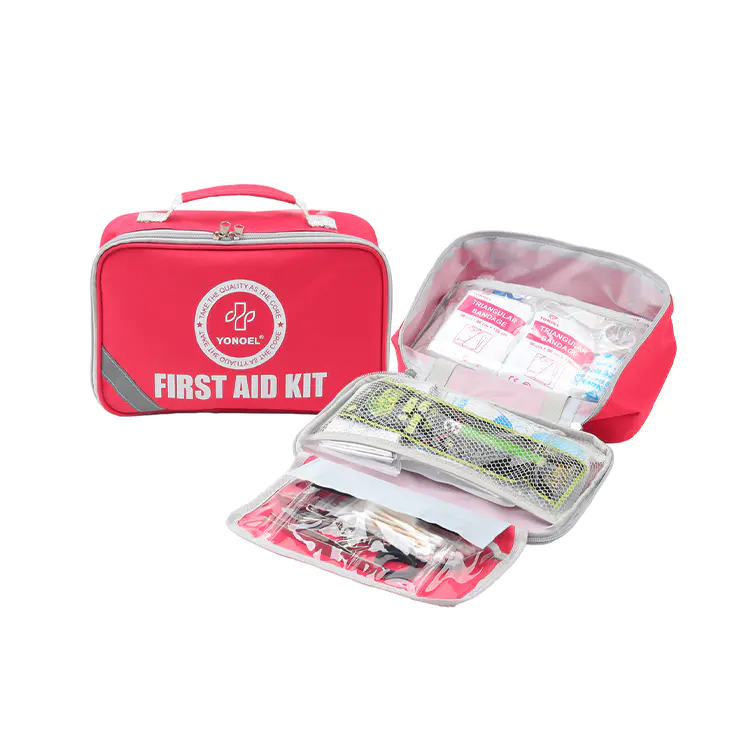
The best place to begin is the recipient's everyday life. A college student moving into a dorm needs something small that fits in a backpack or under the bed—basics like bandages, antiseptic wipes, pain relievers, and maybe a few cold packs for late-night study mishaps or sports injuries. A parent with toddlers might want a kit with kid-sized bandages (the fun cartoon ones actually get used), child-safe pain medicine, and extra gauze for scraped knees.
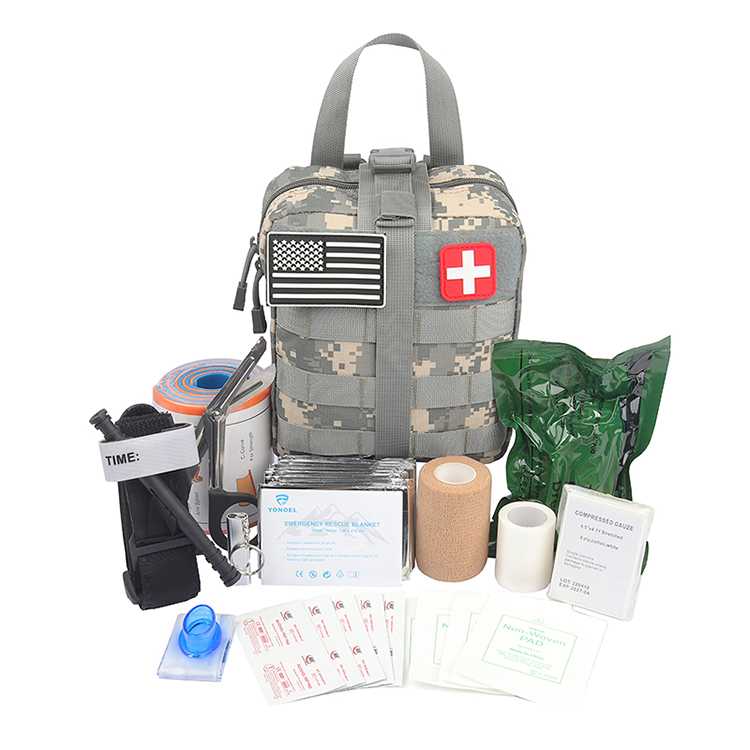
If the person hikes, camps, or bikes regularly, look for a rugged, weather-resistant version with blister pads, tweezers for splinters or ticks, and elastic wraps for twisted ankles. Office workers or commuters do better with a slim, desk-drawer kit focused on headaches, cuts from paper, or minor burns from the break-room microwave.
Age matters too. For older relatives, easy-to-open compartments and larger-print instructions make a difference. For active teens or young adults, something portable with room to add personal items like allergy meds or contact solution feels thoughtful.
Think about any known health quirks. If they have bad allergies, a kit with space for an EpiPen or extra antihistamines is smart. If they get frequent headaches or muscle strains, include more pain relief options. The goal is a kit that feels custom-made for them, even if you're buying off the shelf.
Different events call for different vibes. Birthdays can handle a bit of fun—kits with bright colors, playful patterns, or even a small engraved plate on the case. Holiday gifts (Christmas, Hanukkah, etc.) often lean toward seasonal practicality—winter-themed kits with extra hand warmers or lip balm for dry air, or summer ones with sunburn cream and bug bite relief.
Housewarmings are perfect for home-centered kits: larger cases meant for the kitchen drawer or laundry room, stocked for cooking burns, minor cuts, or falls on slippery floors. Weddings or anniversaries for adventurous couples might call for a duo-friendly kit—something compact enough for travel but stocked for two people on weekend getaways.
Graduations deserve portable options. New grads starting jobs or moving to new cities need kits that slip into a briefcase, gym bag, or car console. Retirement parties suit relaxed, home-use kits with a wider range of supplies for a slower-paced life.
For group events like team outings, sports leagues, or family reunions, consider multiple matching kits or one larger shared version. Outdoor send-offs (camping trips, road trips) favor tough, waterproof designs with carabiners or straps for attaching to gear.
| Occasion | Best Kit Style | Why It Fits |
|---|---|---|
| Birthday | Compact with fun colors | Easy to carry, feels celebratory |
| Housewarming | Medium home case | Stays in kitchen or bathroom |
| Graduation | Slim portable pouch | Travels to new job or apartment |
| Outdoor/Adventure | Rugged waterproof | Handles weather and rough use |
| Holiday/Family | Larger family-oriented | Covers multiple people |
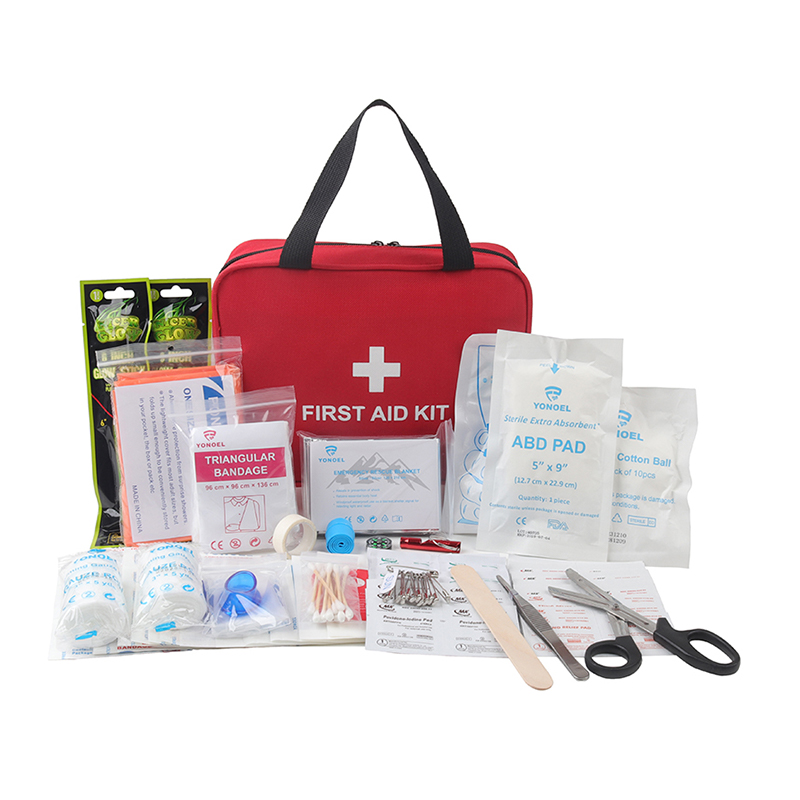
The contents are the heart of the gift. At minimum, a solid kit should have adhesive bandages in assorted sizes, sterile gauze pads, antiseptic wipes or ointment, medical tape, tweezers, small scissors, and disposable gloves. Beyond basics, versatility comes from extras like instant cold packs, elastic wraps, hydrocortisone cream, burn gel, or sting relief pads.
Occasion-specific additions make a difference. Travel gifts benefit from motion sickness tablets, antidiarrheal meds, or a small thermometer. Family kits do well with children's fever reducers or colorful bandages that make kids less scared of treatment. Outdoor kits need splinter removers, moleskin for blisters, and irrigation syringes for cleaning wounds.
Check that items are sealed and have reasonable shelf life left. A kit full of expired supplies is worse than no kit at all. Also look for clear labeling inside—simple diagrams or instructions printed on the lid or dividers help non-medical people use it confidently.
Size determines whether the kit gets used or forgotten. Compact soft-pouch kits (about the size of a large wallet) are great for daily carry—purse, backpack, glove box. They're ideal for commuters, travelers, or anyone who doesn't want bulk.
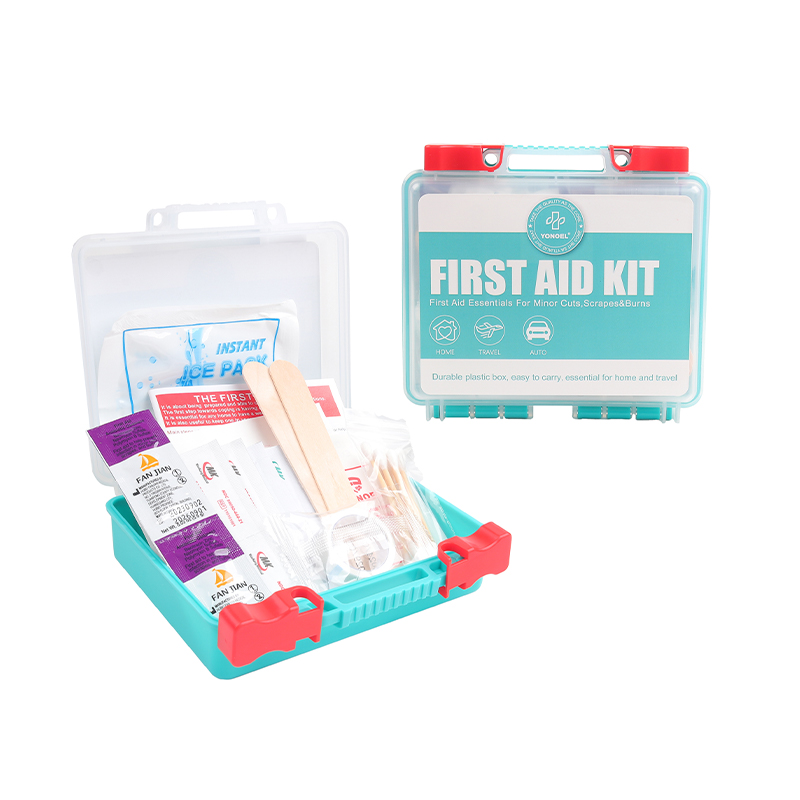
Medium hard-case kits offer more supplies without becoming unwieldy. These suit home use or car storage, with rigid shells that protect contents from crushing. Larger soft or hard cases work for families or base camps, but they're less likely to be carried regularly.
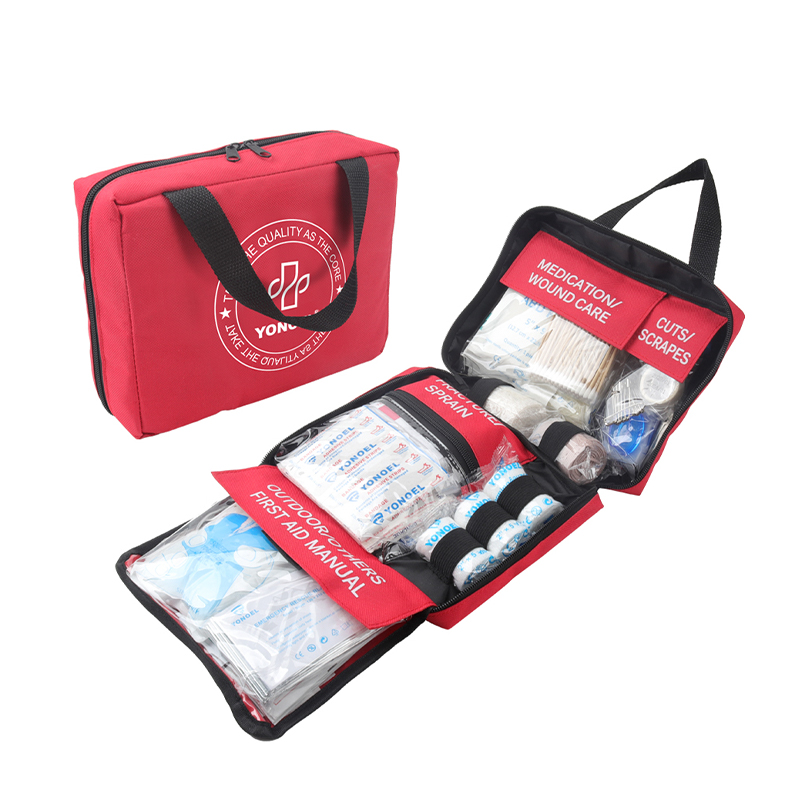
Portability features matter. Look for handles, belt loops, carabiner clips, or MOLLE-style straps for outdoor folks. Waterproof or water-resistant exteriors are essential for anyone near water or in rainy climates. Fold-out designs that lay flat make supplies easy to see and grab quickly.
A gift kit should last longer than the occasion. Cheap plastic cases crack easily; look for sturdy ABS plastic or reinforced nylon fabric. Zippers need to be heavy-duty—coil or metal ones resist jamming. Seams should be double-stitched, especially on fabric pouches.
For outdoor or adventure gifts, prioritize weatherproofing—sealed zippers or rubber gaskets keep moisture out. Indoor kits can focus more on aesthetics—sleek black cases or neutral colors that blend into home decor.
Internal organization counts too. Removable dividers, elastic loops, and mesh pockets keep things from shifting and make restocking simple. A kit that stays neat after a few uses is more likely to be kept stocked.
Personalization turns a good gift into a great one. Some cases allow engraving—a name, short message, or date. Others have clear ID windows for adding a card or photo. You can also tuck in extras: a handwritten note explaining why you chose it, a small keychain light, or favorite candies to make opening it fun.
For kids, add stickers or temporary tattoos to the bandages. For adults, include a gift card for refills or a small multi-tool. These little additions show you put real thought into it.
You don't need to spend a fortune. Basic kits with solid contents are available at reasonable prices and work well for most occasions. Mid-range options add better materials, more items, and nicer cases—good for special events. Higher-end kits bring premium touches like waterproofing, lifetime guarantees, or modular refills.
Value comes from usability, not just quantity. A kit with 50 cheap bandages isn't as useful as one with 20 high-quality ones plus the right tools. Read descriptions carefully to see what's included and whether refills are easy to find.
| Lifestyle | Priority Features | Typical Additions |
|---|---|---|
| Commuter/Office | Slim, desk-friendly | Pain relievers, small bandages |
| Parent with Kids | Kid-safe items, colorful | Character bandages, fever meds |
| Hiker/Camper | Lightweight, weather-resistant | Blister care, insect sting relief |
| Senior | Easy-open, large print | Joint wraps, simple instructions |
| Traveler | Compact, TSA-friendly | Motion sickness aids, mini tools |
How you give the gift matters. Wrap it in sturdy paper with a tag explaining "This is for the little things that can go wrong so they don't become big ones." Include a short card listing what's inside and why you picked it.
For group gifts, coordinate matching colors or add a collective note. If it's for a family, wrap it with a bow and place it under the tree or on the new-home counter.
A first aid kit isn't flashy, but it's one of the few gifts that can genuinely make someone's day safer and easier. When chosen thoughtfully—matching lifestyle, occasion, size, contents, and durability—it becomes the thing they reach for and think of you every time. In a world full of forgettable presents, that's rare.
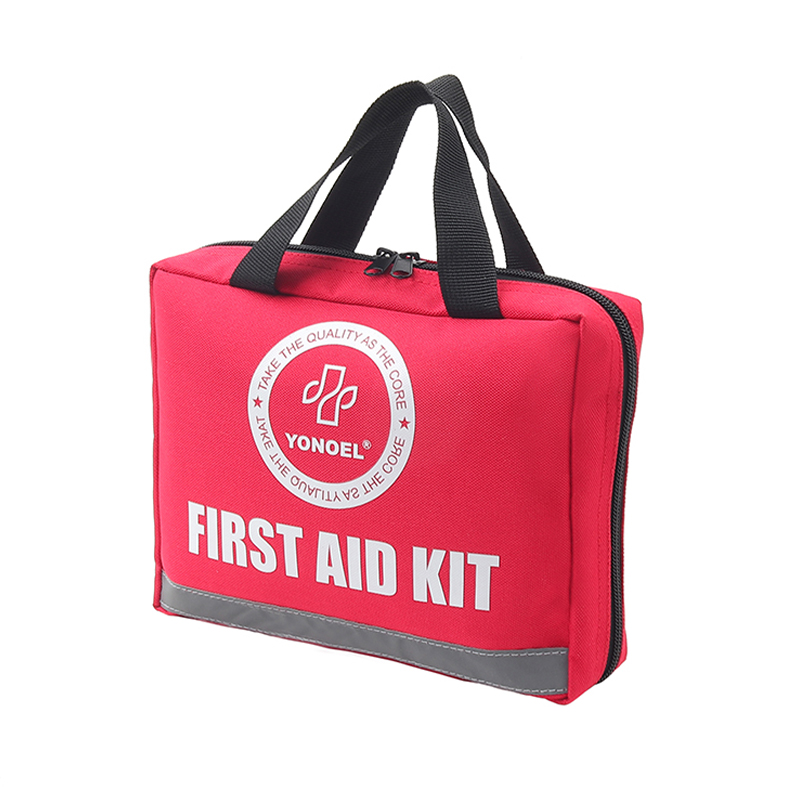
For anyone looking to source reliable first aid kits that work well as gifts, Yonoel operates a dedicated factory focused on producing practical, well-made options. They emphasize durable cases, sensible organization, and versatile contents so the kits are ready for real use across different occasions.
Yonoel offers a range of sizes and styles, with room for simple custom touches that make gifting more personal. If you're putting together thoughtful presents that people will actually keep and use, contacting Yonoel can help you find kits that deliver both safety and sentiment.
No. 52, Hulian West Street, Jiangbei Street, Dongyang City, Jinhua City, Zhejiang Province, China
Quick Links
Product Center
Contact Us
 PRIVACY

 English
 Deutsch
 Français
 русский
 Español