Outdoor survival kits are usually judged by how they work in real use, not by how they read on a product page. People notice whether the contents are easy to reach, whether the case feels practical to carry, and whether the layout makes sense when time is limited. That is why an Outdoor Survival Kit Manufacturer rarely treats a kit as a random group of items. Each part has to fit into a working system.
The same type of kit can serve very different people. A hiker, a camper, a roadside traveler, and a brand buyer looking for private label products may all expect something different. Some want a compact set that stays light in a backpack. Others care more about storage space and item variety. Once those use cases are placed side by side, the reason for different configurations becomes much easier to see.
At the factory level, the work is not only about assembling products. It also involves matching item choice, case structure, material behavior, and packing logic so the final kit feels practical rather than crowded.
People do not carry outdoor kits in the same way, so the kits themselves cannot be built in the same way either. A short day hike creates one kind of need. A long camping trip creates another. A car emergency set brings in a different set of expectations again.
Some users want a kit that opens quickly and gives them access to the most necessary items first. Others prefer a layout that keeps everything neatly separated, even if that means a slightly slower opening process. Neither approach is wrong. The point is that the kit should match the setting.
A few common reasons for configuration differences are:
For an Outdoor Survival Kit Manufacturer, this means one design cannot serve every market segment in the same way. A compact setup may work for travel sales, while a fuller layout may fit camping or preparedness channels better. The variation is usually intentional, not accidental.
Choosing contents is one of the most careful parts of the process. A kit is not improved simply by adding more items. Too many pieces can make the case harder to organize and the user slower to respond. Too few items can make the kit feel incomplete.
The usual approach begins with the core purpose of the kit. Is it meant for short outdoor trips, general preparedness, or mixed use? After that, the team looks at how the pieces work together. Some items are useful only when paired with others. Some are small but matter because they support the overall function of the kit.
There is also a practical side to selection. Components need to fit the case, remain stable during transport, and be easy to pack consistently. If one item is awkward in shape or fragile in storage, it affects the entire layout.
| Component Group | Typical Role | What Matters During Selection |
|---|---|---|
| Shelter-related items | Basic outdoor protection | Foldability and storage shape |
| Signaling tools | Help draw attention | Visibility and easy access |
| Fire-related items | Support warmth or cooking needs | Safe placement and moisture control |
| Basic care items | Support simple response needs | Clean packaging and size control |
For an Outdoor Survival Kit Manufacturer, the goal is to keep the set balanced. The kit should feel complete without becoming bulky or difficult to manage.
Material choice affects how the kit feels, stores, and holds up over time. The outer shell is only one part of the decision. Internal dividers, pockets, closures, and protective layers also matter. If those parts work poorly together, the product may look fine at first but behave badly in daily use.
The main question is usually not "what looks strong," but "what works in the intended use case." A rigid case may protect contents well, yet it may be less flexible in tight storage spaces. A soft case may carry more easily, but it still needs enough structure to keep items from shifting too much.
Common material considerations include:
The choice often depends on the final market. Some buyers prefer a tougher outer form. Others care more about light handling and compact storage. An Outdoor Survival Kit Manufacturer has to make these tradeoffs early, because material changes can affect the whole build process.
This is where product planning becomes more detailed. A kit can hold many useful items and still fail if it becomes awkward to carry. It can also stay very compact and still fail if it leaves out too much of what the user expects.
The balance usually comes from arranging the contents in a way that supports both access and portability. Critical items are placed where they can be reached without digging through the whole kit. Smaller pieces may be grouped together. Larger pieces may be positioned to avoid creating uneven pressure inside the case.
A practical balance often depends on:
When an Outdoor Survival Kit Manufacturer handles this stage well, the kit feels coherent. It does not seem overloaded, and it does not seem stripped down. That middle ground matters because many buyers judge the product by how it behaves in real carrying conditions, not just by the component list.
Inside a survival kit, placement is not just about fitting items into available space. It affects how quickly a person can react, how naturally the kit opens, and how easy it is to return items after use. When things are arranged without clear logic, even a well-equipped kit can feel difficult to handle.
An Outdoor Survival Kit Manufacturer usually treats internal layout as part of the product's function, not just packaging. The position of each item is linked to how often it may be needed and how urgent that need might be in real situations.
Some placement logic tends to follow simple practical thinking:
The structure also needs to remain stable when the kit is carried in motion. If items shift too freely, the internal order breaks down and slows down use. For this reason, separators, elastic straps, and layered compartments are often introduced to reduce internal movement.
Over time, the arrangement becomes less about filling space and more about shaping predictable access behavior. That is where design starts to influence real usability.
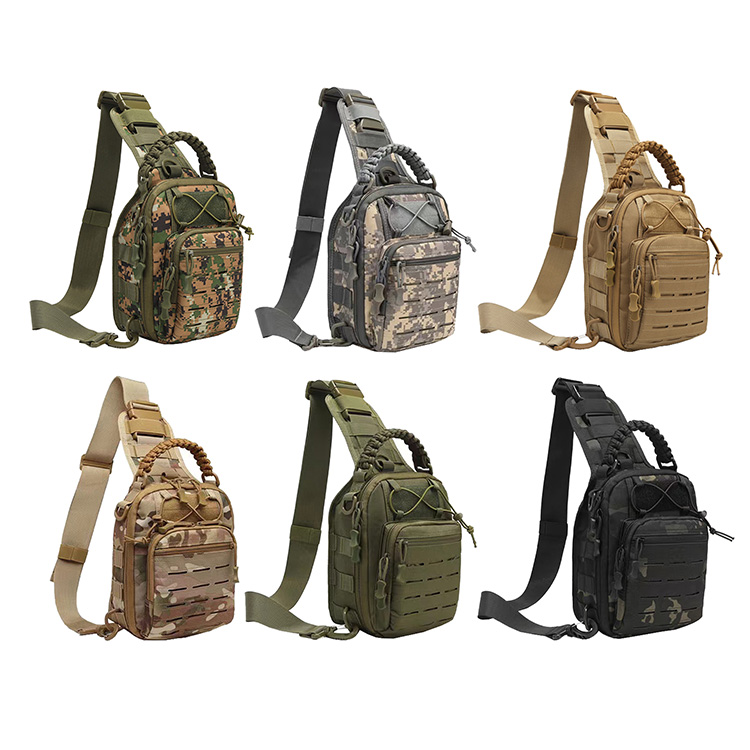
Custom development usually begins with a basic idea of how the kit will be used. Some buyers already have a clear list of components, while others only describe the activity scenario. In both cases, the work gradually turns abstract needs into a physical structure.
At the early stage, an Outdoor Survival Kit Manufacturer typically reviews three things: intended use environment, expected carrying style, and preferred size range. From there, a draft configuration is built.
The process is rarely linear. Adjustments often happen after sample testing or layout checks. One item may be replaced because it takes too much space. Another may be repositioned because it slows down access to more important tools.
| Stage | Focus Area | What Happens |
|---|---|---|
| Concept shaping | Use scenario | Initial discussion and basic direction |
| Layout planning | Internal structure | Placement and grouping of items |
| Sample creation | Physical build | First version assembled for review |
| Adjustment phase | Usability flow | Changes to fit feedback and handling |
Each stage connects back to practical handling rather than theory. The final structure is usually the result of repeated small adjustments instead of a single design decision.
Before any physical assembly starts, there is a preparation stage that often determines how smooth production will be. Components need to be checked, organized, and matched with the correct kit version. If this step is not stable, inconsistencies can appear later in packaging.
An Outdoor Survival Kit Manufacturer typically organizes this stage around material readiness and structure planning. Items are sorted based on category, size, and function so that assembly workers can follow a clear flow.
There is also attention to storage conditions. Some items require protection from moisture or pressure before they are even placed into kits. Others need to be pre-packed in smaller units to avoid contamination or mixing.
Typical preparation steps include:
This stage is often less visible but important for keeping output stable. Once preparation is aligned, the assembly line becomes more predictable and less dependent on correction during the process.
Outdoor activities place different expectations on survival kits. A kit designed for short walking trips will not feel the same as one intended for longer outdoor stays. The adjustments are usually made through changes in structure rather than completely different product lines.
An Outdoor Survival Kit Manufacturer often modifies three main areas: internal content balance, container format, and access design. These adjustments help match the kit to specific movement patterns and usage speed.
For example, travel-focused kits may prioritize compactness, while camping-oriented kits may allow more internal separation and storage depth. Roadside emergency kits tend to focus on fast access and simple layout, since use conditions are more time-sensitive.
Key adaptation factors include:
Different activity types require different internal logic. A single layout cannot comfortably serve all of them, so variation becomes part of the design system rather than an exception.
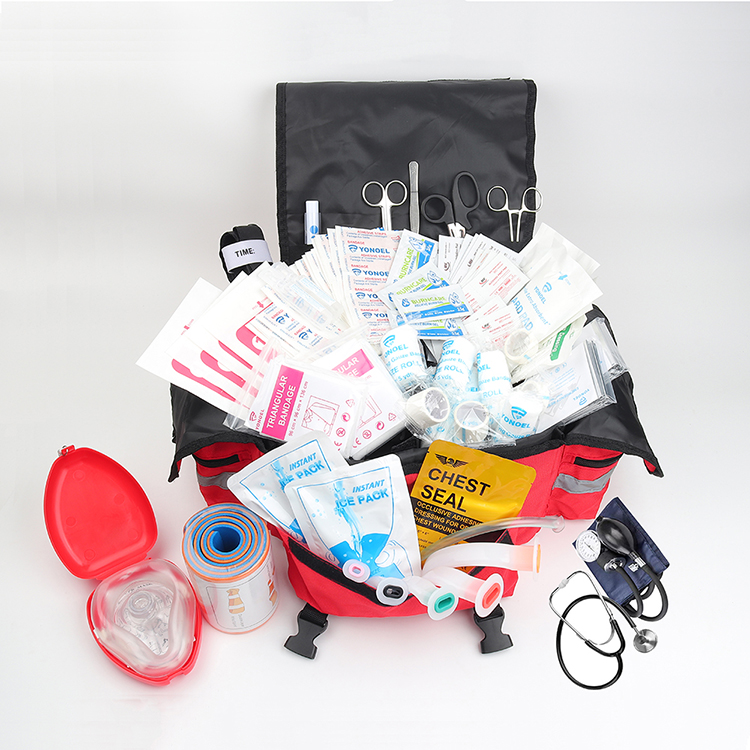
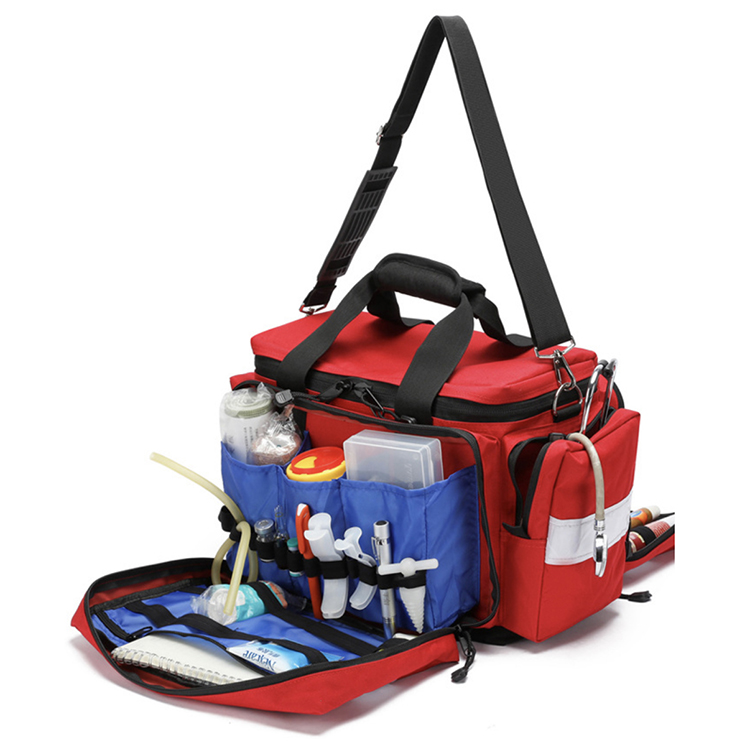
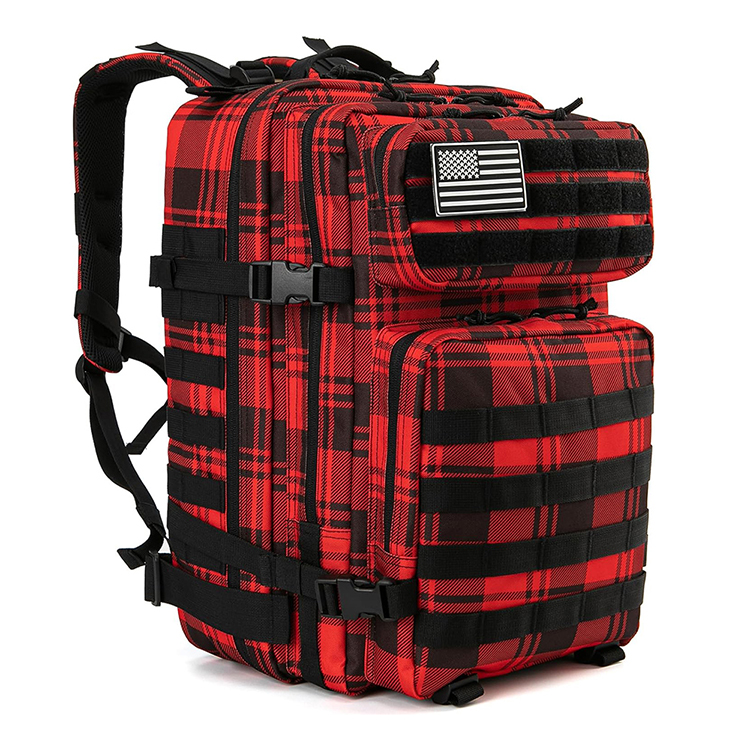
No. 52, Hulian West Street, Jiangbei Street, Dongyang City, Jinhua City, Zhejiang Province, China
Quick Links
Product Center
Contact Us
 PRIVACY

 English
 Deutsch
 Français
 русский
 Español