A First Aid Bag Factory usually works at the point where practical use, product structure, and user habits meet. The value is not only in putting medical items into a bag. It is also in deciding how the kit should be arranged, how quickly it can be opened, and how well it fits the setting where it will be used. A kit for a workshop is not built in the same way as one for travel, outdoor use, or shared public spaces. The details inside, the outer shape, and the way the contents are grouped all affect how useful the final product feels in real situations.
A clear view of this kind of product starts with the contents, then moves into the production flow, then into design choices, and finally into the checks that keep the output stable across orders.
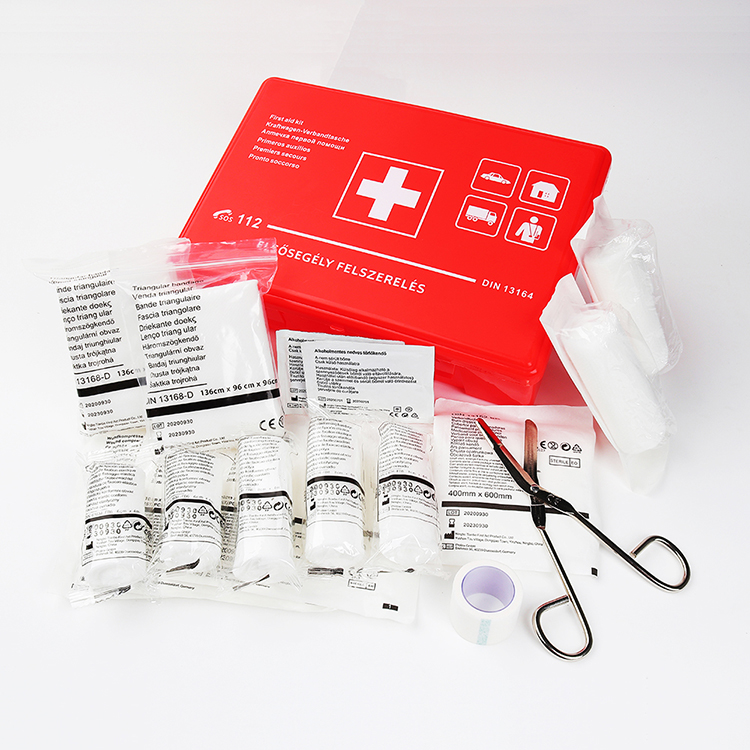
The contents of a kit usually follow the setting it is meant for. A workplace kit may focus on common minor injuries, while a travel kit may need compact items that fit in a smaller space. An outdoor kit often needs a layout that makes sense when the user is away from a fixed location. The real question is not only what is inside, but how the contents are grouped so they can be found without delay.
| Usage setting | Content focus | Packaging style | User priority |
|---|---|---|---|
| Workplace | Basic wound care and quick access items | Clear internal separation | Fast use during routine incidents |
| Travel | Compact and lightweight supplies | Small and portable structure | Easy carrying |
| Outdoor use | Practical items for changing conditions | Durable outer shell | Protection during movement |
| Shared public space | Broad, general purpose supplies | Easy to inspect layout | Simple opening and restocking |
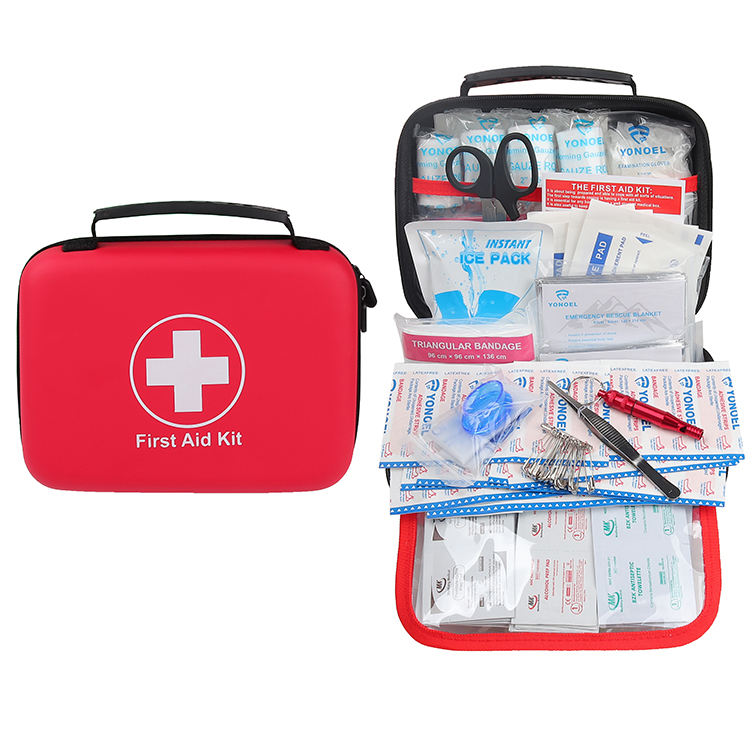
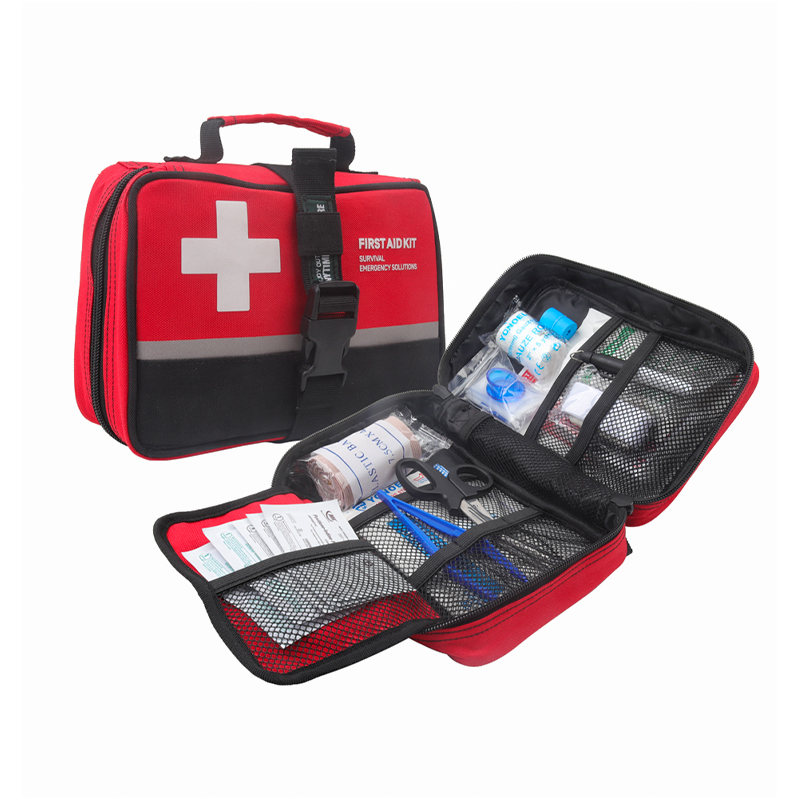
The internal arrangement matters as much as the items themselves. A pouch with loose contents may contain useful supplies, yet still feel difficult to use. A structured layout can make the same supplies easier to identify and handle.
A few patterns often matter to buyers:
For a buyer, the key point is fit. A product that feels suitable in one environment may be awkward in another. That is why a First Aid Bag Factory often needs to adjust both the list of contents and the internal layout instead of treating every kit as the same.
Production begins with material selection, then moves through assembly, filling, closure, and inspection. Each stage has a direct effect on how the finished kit behaves in use. If the outer material feels weak, the bag may wear quickly. If the internal layout is not planned carefully, the contents may shift around too much. If the closing method is loose, the kit may feel unfinished even before it is used.
The production flow usually follows a practical sequence:
Each stage builds on the one before it. A small problem early in the process can affect the final feel of the whole kit. That is why production control is not only about speed. It is also about keeping the build stable from one order to the next.
Another point is flexibility. Some buyers need a standard layout, while others need a product that changes with the intended use. The production line has to handle both without losing order. That is where a First Aid Bag Factory becomes more than a packing site. It becomes a place where structure, assembly, and final use are connected.
A simple production view can be described like this:
This flow helps keep the kit practical rather than decorative. In this type of product, the finished item must feel ready for use, not only complete on the outside.
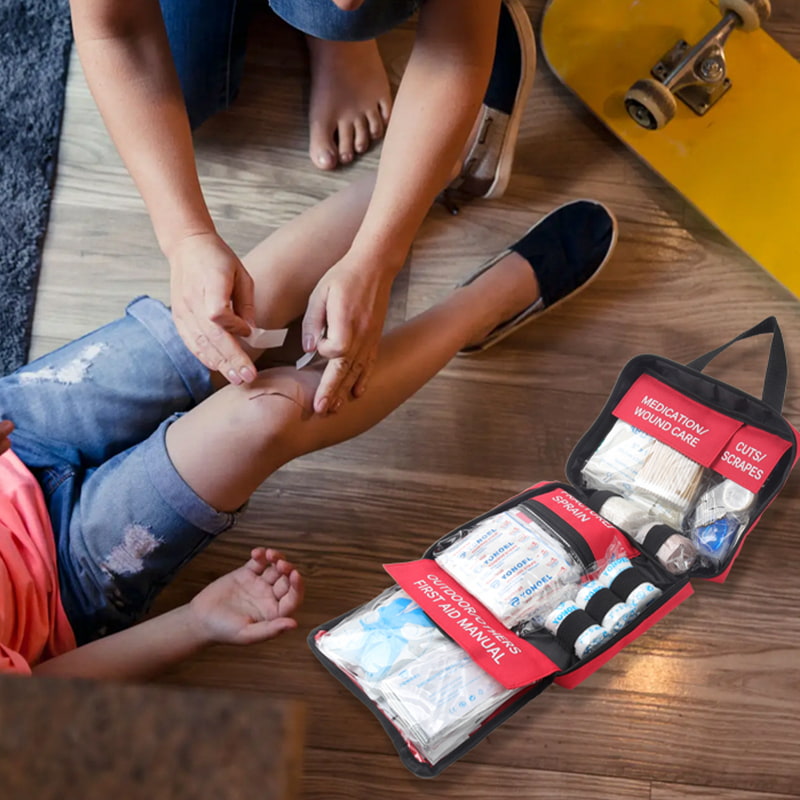
Design choices shape how quickly a person can act in a stressful moment. A kit that opens easily and shows its contents clearly can reduce hesitation. A kit with poor layout may force the user to search, move items around, or reopen sections that should have been clear from the start. In urgent use, that extra time can make the product feel less reliable.
Several design details have a direct effect on response speed:
Design is not only about appearance. It is also about behavior under pressure. A good layout reduces confusion. It helps the user move from opening the kit to locating the needed item without unnecessary steps. That is especially important in shared environments, where the person using the kit may not be the one who packed it.
A practical design decision may also reflect the setting. For a vehicle, the bag may need to stay compact. For a workplace, it may need to sit in a fixed location and open in a controlled way. For outdoor use, the outer layer may need to handle movement and rough handling better. These choices all change how the product performs when it is needed.
This is one of the reasons a First Aid Bag Factory cannot rely on a single format for every buyer. The same inner contents can feel very different when the bag shape, opening method, and internal organization change. In this product category, usability is part of the design itself.
Quality control keeps the final product close to the intended structure. Without it, one batch may feel neat while another feels uneven, even if both were made from similar materials. Buyers usually notice that kind of variation quickly, especially when they order for repeated use or shared distribution.
Inspection is not limited to the finished item. It can also happen during assembly, so problems are caught before the product moves forward. That reduces the chance of mixed output. In a product that is meant to support safety readiness, consistency carries real weight.
It also helps to think about order control in layers. The first layer is the material itself. The second is the assembly process. The third is the final appearance and function of the packed kit. When these layers stay aligned, buyers receive products that feel dependable from batch to batch.
A First Aid Bag Factory that treats quality control as part of the workflow rather than a final glance usually creates more stable output. The point is not perfection. The point is keeping the product aligned with the intended use so it can be stored, opened, and used with less uncertainty.
In a First Aid Bag Factory, OEM and ODM services give buyers different ways to shape a product before it reaches the market. OEM usually follows the buyer’s own structure and layout plan, while ODM gives room for a factory-side design path that can be adjusted to fit a requested use. Both routes support a more focused product, but they serve different working styles.
A buyer may already know the target user and only need production support. In that case, the main task is to keep the structure consistent with the original idea. Another buyer may need help shaping the bag from an early stage. Then the work often includes decisions about compartment layout, bag size, outer material, and content grouping.
The practical value of these services is not in complicated wording. It is in reducing gaps between an idea and a usable product. When the bag is meant for travel, workplace use, or shared public storage, the internal structure may need to change in quiet but important ways. Small changes in pocket placement or opening style can affect how the kit feels in use.
A common way to view the service flow is:
That kind of process helps a First Aid Bag Factory keep custom work manageable without losing order. The point is to make the kit feel aligned with the buyer’s use case, not simply filled and packed.
Customization matters because users do not all expect the same structure from a safety kit. Some markets prefer compact designs, while others lean toward larger kits with broader contents. Language on the label, inner arrangement, outer color, and storage style can all change based on the place where the product will be used.
| Custom area | Common adjustment | Practical effect |
|---|---|---|
| Inner layout | Change pocket order or section size | Easier access to contents |
| Outer look | Adjust color, shape, or surface feel | Better fit for the setting |
| Labeling | Change language or item naming | Clearer use for local users |
| Packing style | Shift between compact or spread-out structure | Easier storage and transport |
| Contents | Add or remove selected items | Better match for the intended use |
These changes are not about decoration. They are about fit. A kit that works in one setting may feel awkward in another if the bag shape, item mix, or labeling style does not match local habits. In that sense, customization is part of product usefulness rather than a separate feature.
A First Aid Bag Factory that handles this kind of adjustment usually needs to balance structure with flexibility. The goal is to keep the product easy to understand while adapting it to different use patterns. That balance can matter more than adding extra elements that do not support daily use.
Different industries use emergency kits in different ways, but the common need is readiness. A workplace with tools and movement needs a different setup from a school, a transport setting, or a warehouse. The setting shapes both the bag itself and the way it is stored.
Common use areas include:
Each setting brings its own type of handling. In a fast-moving workplace, the bag may need to stay visible and reachable. In a vehicle, the structure may need to stay compact and protected. In a shared building, the contents may need to be easy to check and restock. The same general purpose does not remove the need for different forms of organization.
A useful First Aid Bag Factory product often reflects these differences through size, pocket layout, and internal grouping. That is why industries do not usually ask for the same kit in the same form. They need something that fits daily conditions, not only a label that sounds suitable.
The real connection between industry and product lies in routine use. If the kit is stored in a place where people can reach it quickly and understand it at a glance, it becomes part of the safety setup rather than a spare item sitting aside.
When a buyer looks at international supply, product appearance is only one part of the decision. The other part is whether the factory can support the level of process control that different markets expect. Certificates and compliance records often matter because they show that the production line follows a clearer system.
Important points usually include:
A buyer may not need the same level of documentation for every use case, but cross-border supply often places more attention on process control. That does not mean the product needs to be complicated. It means the manufacturer should be able to show that the work is done in a repeatable way.
A First Aid Bag Factory with clear quality routines can make communication easier for buyers who need steady supply. The product itself still needs to be practical, but the production side becomes part of the trust the buyer places in it. That trust usually comes from clear handling, stable output, and a process that can be checked without confusion.
For buyers reviewing options, the most useful question is often not how impressive the factory sounds. It is whether the factory can keep product structure, content arrangement, and finish quality steady across repeated orders. That is where a name such as Dongyang City Yonoel Outdoor Products Co., Ltd. can naturally appear in a supplier discussion, especially when the focus stays on practical fit and consistent output.
No. 52, Hulian West Street, Jiangbei Street, Dongyang City, Jinhua City, Zhejiang Province, China
Quick Links
Product Center
Contact Us
 PRIVACY

 English
 Deutsch
 Français
 русский
 Español