Outdoor trips rarely follow exactly the same routine. A short walk on a familiar trail has different equipment needs from a camping trip in a remote area. A kit kept in a vehicle faces another set of conditions, especially when it stays packed between trips. Weather, storage space, travel method, and the activities planned for the day all affect what is worth carrying.
That is why putting together a survival kit is not simply a matter of adding as many supplies as possible. A bulky bag can become difficult to carry, while an overly small selection may leave out something useful. The better approach is to consider what the equipment is expected to do and where it will be used.
For people choosing Tactical Survival Gear Kits, this means looking beyond the contents of the bag. The way supplies are arranged, protected, checked, and adapted to different outdoor situations also matters. Hiking, camping, vehicle travel, and changing weather can all call for small adjustments.
The contents of an outdoor kit usually start with a few basic needs: visibility, water, minor first aid, warmth, shelter, navigation, and simple outdoor tasks. Not every trip requires the same combination, so the selection should reflect the activity rather than follow a fixed formula.
For a short outdoor trip, a compact collection of frequently useful supplies may be easier to manage. A longer camping outing can leave room for additional shelter or cooking-related equipment. Someone traveling away from established facilities may also place more attention on water and communication supplies.
The condition of each item matters as well. A tool that is damaged or a light with a depleted power source does little good when it is needed. It is worth checking unfamiliar equipment before taking it outside, particularly when it has a specific operating method.
| Equipment Type | Typical Outdoor Use | Storage Consideration |
|---|---|---|
| Lighting | Visibility after dark or in shaded areas | Keep easy to reach and protect the power source |
| Water Supplies | Carrying or treating drinking water | Keep clean and protected from damage |
| First Aid Supplies | Minor cuts, scrapes, or basic care | Keep sealed and dry |
| Fire-Starting Supplies | Supporting warmth or cooking | Protect from moisture |
| Basic Tools | Small outdoor tasks | Select according to the planned activity |
| Emergency Cover | Additional protection from weather | Fold and store where it will remain dry |
There is also little value in carrying several items that perform nearly the same job simply because they came together in a set. A smaller selection with clear uses can be easier to organize and carry.
Hiking and camping often take place outdoors, but the equipment does not have to be arranged in the same way.
A person hiking for several hours carries the kit throughout the trip. Weight becomes noticeable, and items that are needed regularly should not be buried beneath everything else. Water supplies, lighting, basic first aid materials, and navigation tools are easier to use when they can be reached without unpacking the whole bag.
Camping is different. Once a campsite has been established, some equipment can stay in one place. There is less reason to keep every item within immediate reach while moving. This can make room for additional shelter, cooking, lighting, or comfort-related supplies, depending on the trip.
The distinction becomes clearer when looking at how the equipment is actually handled.
A hiking setup generally benefits from:
A camping setup can allow:
The choice is therefore tied to movement. Equipment that feels reasonable beside a campsite may become inconvenient when carried for several hours.
Space inside a backpack disappears quickly. Once clothing, water, food, and other personal supplies are added, there may not be much room left for additional equipment.
Rather than asking whether an item could possibly be useful, it is more helpful to ask whether it has a clear place in the planned activity. A tool that has no obvious purpose for the trip may not justify the space it occupies.
Another point is duplication. Carrying several tools that perform similar functions can make the bag heavier without adding much practical value. On the other hand, removing every backup item can leave the user with little flexibility when something is lost or damaged.
A simple way to review the contents is to place each item into one of three groups:
The third group is worth reviewing before every trip. Some items will stay because the potential use is reasonable; others may simply be taking up space.
For Tactical Survival Gear Kits, weight is only one part of the decision. An item that is light but difficult to reach can still be inconvenient. Likewise, a compact kit is not particularly useful if everything inside has been packed so tightly that individual supplies are hard to remove.
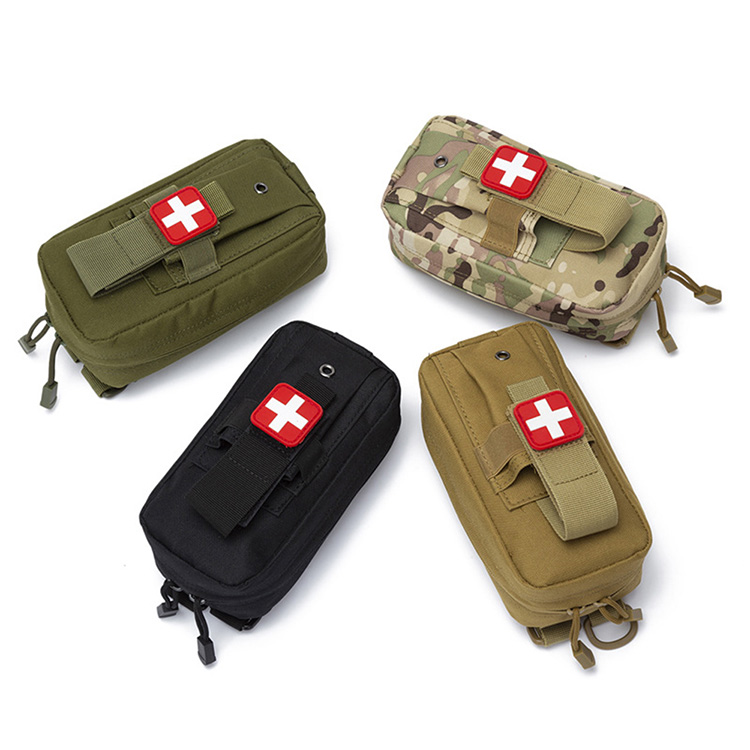
A kit can contain sensible equipment and still be frustrating to use if everything is mixed together.
Small items tend to disappear beneath larger tools. Packaging can become separated from its contents. Frequently handled supplies may end up at the bottom of the bag after being returned in a hurry. These small problems become more noticeable when visibility is poor or when the user is dealing with an unexpected situation.
Grouping items by purpose is one straightforward way to keep things manageable. Lighting supplies can stay together, first aid materials can have their own area, and weather-related items can be separated from smaller tools.
Frequently needed supplies are generally easier to handle when placed near an outer compartment or another accessible location. Items that are rarely used can remain deeper inside.
It also helps to keep the same arrangement between trips. If the location of an item changes every time the bag is repacked, finding it becomes a matter of searching rather than remembering.
A good storage arrangement does not need to look complicated. What matters is that the person carrying the kit knows where things are and can return them to the same place after use.
Weather can change how ordinary equipment behaves.
Cold conditions can affect battery-powered lights and make some materials harder to handle. Wet conditions create concerns about moisture reaching paper supplies, metal tools, matches, clothing, or other vulnerable items. Hot environments bring a different concern: equipment left inside enclosed spaces can be exposed to prolonged heat.
For wet conditions, keeping sensitive supplies separated and protected can reduce unnecessary exposure. A small damaged package can also become a problem if moisture spreads to other contents.
Cold weather calls for attention to both equipment and the person using it. Gloves, for example, can make small buckles, zippers, or tools harder to operate. Equipment that is easy to handle with bare hands may feel very different when the user's hands are cold.
Hot conditions call for careful storage. Some supplies should not be left exposed to unnecessary heat for long periods. A kit kept in a vehicle deserves particular attention because the storage environment can change considerably compared with an indoor cupboard.
These differences are easy to overlook when a kit is assembled once and then left untouched. The surrounding conditions should be considered whenever equipment is prepared for a different type of trip.
Survival supplies do not remain unchanged simply because they are sitting inside a bag.
Batteries can lose charge. Packaging can become damaged. Metal tools can develop surface corrosion when exposed to moisture. Adhesive materials can lose their usefulness over time. Even a bag that looks completely intact may contain supplies that need attention.
A quick inspection before an outing can catch many of these problems. There is no need to unpack everything without reason. The focus can stay on items that are easily damaged, consumed, or affected by storage conditions.
| Item Area | Inspection Point | What to Do When a Problem Appears |
|---|---|---|
| Lights | Power and physical condition | Test and replace damaged or depleted parts |
| First Aid Supplies | Packaging and cleanliness | Remove compromised supplies |
| Metal Tools | Moisture or visible corrosion | Clean and dry before storage |
| Water Supplies | Packaging and condition | Replace damaged components |
| Emergency Cover | Tears or damaged packaging | Replace when it cannot provide intended protection |
| Small Accessories | Missing or broken pieces | Reorganize or replace as needed |
The storage area deserves attention too. A damp corner, direct heat, or repeated pressure from other objects can affect the condition of the contents. After an outdoor trip, used supplies should be put back, damaged items separated, and wet equipment allowed to dry before the kit is closed again.
This kind of routine maintenance is easy to postpone because nothing appears urgent. The problem is that a neglected kit may only reveal the missing or damaged item when someone is already outdoors.
A vehicle offers something a backpack cannot: fixed storage space. There is no need to carry every item on the body throughout the trip, so larger supplies can be kept without adding weight to a person's shoulders.
That does not mean a vehicle kit can simply be filled with everything that would not fit in a backpack. Storage conditions create their own concerns. Equipment may remain unused for long periods, move around during travel, or be exposed to heat and cold inside the vehicle.
A hiking kit has a closer relationship with the person carrying it. The location of each item matters because the kit may be opened while standing, walking, or dealing with limited space. A vehicle kit can be arranged differently, with less frequently needed equipment stored separately from items intended for immediate use.
For example, a vehicle arrangement may divide supplies into:
The vehicle itself also affects access. A kit placed beneath other luggage may technically be available but still difficult to reach when needed.
The distinction is therefore about more than size. Tactical Survival Gear Kits used in vehicles and those carried outdoors face different storage conditions, so their contents and organization can reasonably differ.
There is no single arrangement that fits every outdoor activity. Someone who spends most of a trip walking will have different priorities from someone who drives to a campsite and stays there. A person familiar with certain tools may also choose differently from someone who prefers simpler equipment.
The starting point is the activity itself. Think about what will actually happen during the trip instead of what might happen in every imaginable situation.
Then consider the surroundings. A wet forest, dry open area, cold campsite, and roadside stop can place different demands on the same equipment.
Transportation matters too. A backpack encourages compact choices, while vehicle storage permits a broader arrangement. Neither approach is automatically right for every situation.
Personal familiarity is another practical factor. Equipment that looks useful on paper still needs to be manageable in real conditions. If a tool requires handling that the user has never practiced, it may not be a sensible choice simply because it is included in a kit.
Before leaving, a short review can focus on five questions:
A Tactical Survival Gear Kit can then be adjusted without turning every outdoor trip into the same equipment routine. The result is a kit shaped by the actual activity, surroundings, storage method, and user's familiarity with the equipment.

No. 52, Hulian West Street, Jiangbei Street, Dongyang City, Jinhua City, Zhejiang Province, China
Quick Links
Product Center
Contact Us
 PRIVACY

 English
 Deutsch
 Français
 русский
 Español