Combat military first aid kits are built for situations where seconds count and help might be far away. They need to handle real trauma—gunshot wounds, shrapnel cuts, blast injuries, burns, or broken bones—while being carried through mud, sand, rain, or extreme heat for days or weeks at a time. A good kit isn't just a collection of bandages; it has to survive being slammed around in a ruck, dragged through brush, or left in a vehicle under direct sun. The most reliable ones combine tough outer shells, smart internal organization, and supplies focused almost entirely on stopping major bleeding and stabilizing the casualty until a medic or evacuation arrives.
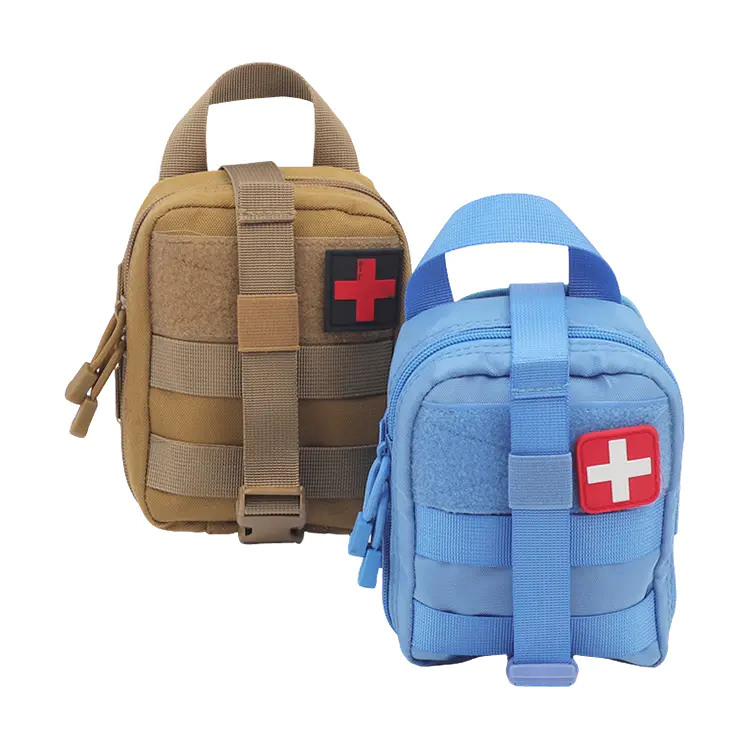
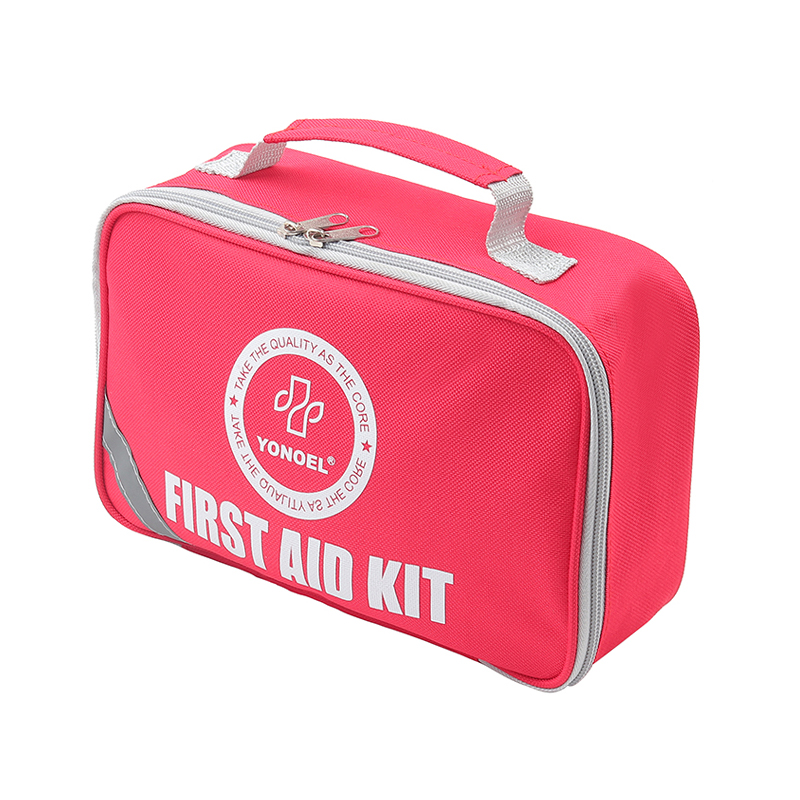
The outer material makes or breaks a combat first aid kit in the field. Most serious kits use heavy rip-stop nylon or Cordura-style fabric that doesn't tear easily when snagged on barbed wire, rocks, or equipment. Seams get double or triple stitching, especially around zippers and attachment points, so the bag doesn't split open after a hard drop or constant rubbing against plate carriers.
Many pouches and cases now have a water-resistant or fully waterproof coating on the outside. That keeps rain, sweat, or river crossings from soaking the dressings and turning sterile gauze into a useless wet lump. Inside, some kits add thin plastic or foil liners as a second barrier against moisture. Zippers are usually heavy-duty coil or molded plastic types that don't jam when dirty or frozen, and buckles or Fastex-style clips hold tight even after repeated openings.
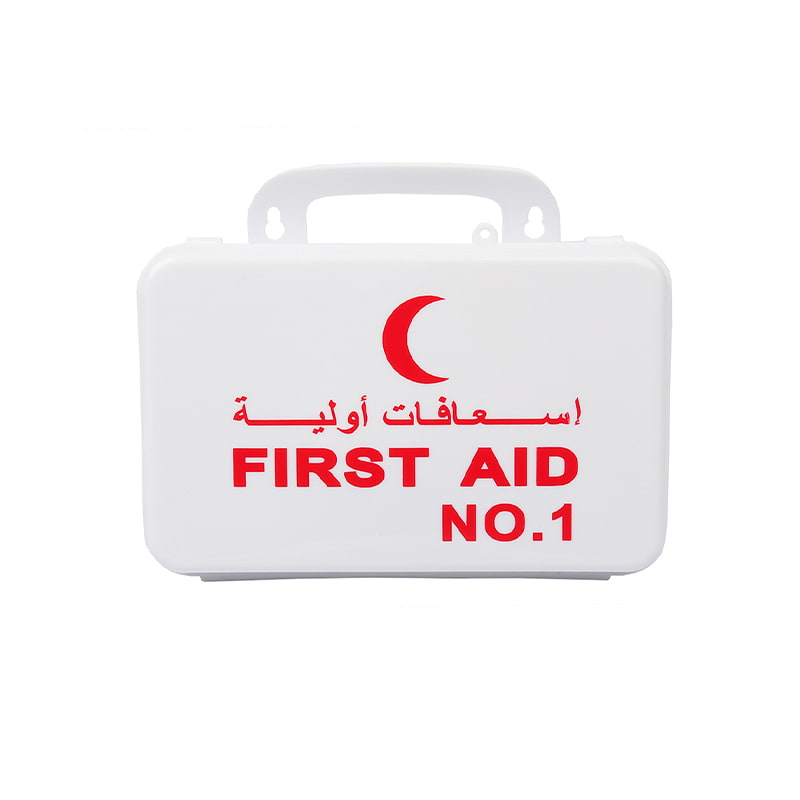
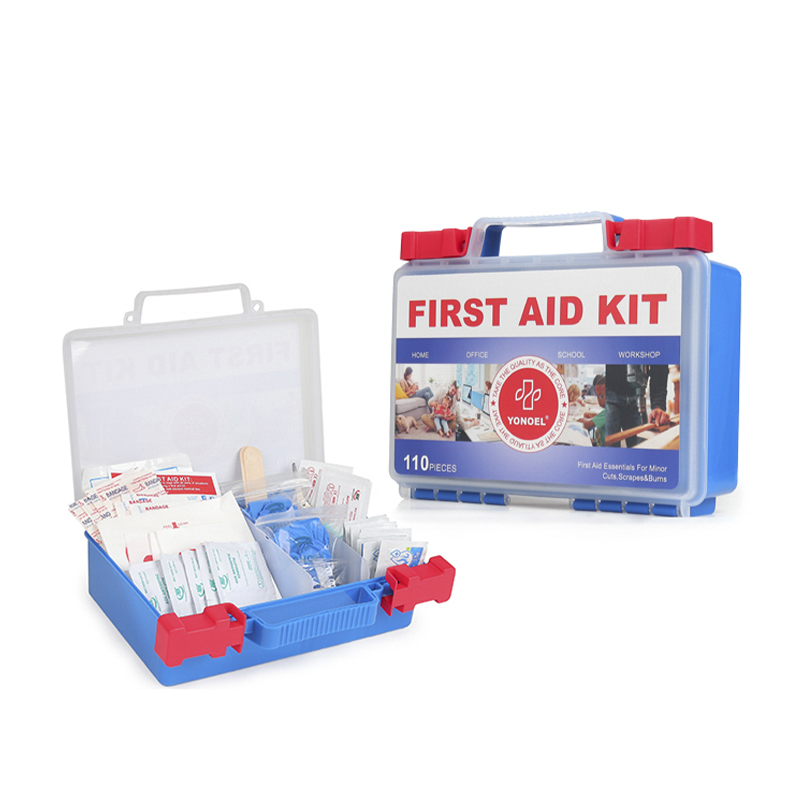
Hard-sided cases made of thick polycarbonate or ABS plastic show up in vehicle-mounted or larger team kits. They protect fragile items like chest seals or needles from being crushed under heavy gear. The downside is weight and bulk, so these are less common for individual carry compared to soft pouches.
Almost every serious combat casualty dies from uncontrolled bleeding if it isn't stopped fast. That's why tourniquets sit at the front of nearly every well-designed kit. The best ones have wide straps (at least an inch) to avoid cutting into skin and a strong windlass rod or ratchet system that lets a wounded person tighten it one-handed on their own arm or leg. Multiple tourniquets—usually two or three—are standard because one limb injury isn't the only possibility.
Hemostatic gauze comes next. These are impregnated with agents that make blood clot much faster when packed tightly into a deep wound. The gauze is long enough to fill a cavity and stiff enough to push in without falling apart. Pressure dressings (Israeli-style or similar) combine a thick absorbent pad with a built-in elastic wrap so you can apply strong compression quickly and keep it in place while moving.
Nitrile gloves (usually several pairs) go in an easy-to-reach pocket because you don't want bare hands in someone's blood if you can avoid it. Some kits add biohazard waste bags so used dressings and gloves can be contained without contaminating the rest of the gear.
Once bleeding is under control, covering the wound properly prevents further contamination and helps clotting continue. Sterile gauze pads come in different sizes—small for entry wounds, larger for exit wounds or burns. Occlusive chest seals (with or without vents) seal open chest wounds so air doesn't get sucked in and collapse a lung. These usually have strong adhesive borders that stick even to bloody or sweaty skin.
Adhesive closure strips or butterfly bandages pull smaller lacerations together when stitches aren't possible. Elastic conforming bandages wrap around awkward areas (head, shoulder, groin) and hold everything in place without cutting off circulation. Burn gel packets or hydrogel dressings cool thermal injuries and reduce pain while protecting the area from infection.
All dressings and seals come individually wrapped in tough foil or plastic to keep them sterile. Labels are large and clear so you can grab the right item even when your hands are shaking or visibility is poor.
Fractures, dislocations, and suspected spinal injuries need temporary stabilization before movement. Flexible aluminum splints bend to fit arms, legs, or fingers and secure with tape or wraps. Triangular bandages double as slings, ties, or head wraps—many kits include two or three because they're so versatile.
Rescue blankets (thin mylar sheets) fold down tiny but reflect body heat back to the casualty, helping prevent shock-related hypothermia. Some kits include manual cervical stabilization aids or lightweight foam blocks for neck protection. Compact shears with one serrated blade cut through clothing, webbing, or boot laces without going dull after a few uses.
These items don't add much weight but give the responder tools to make the casualty more comfortable and safer during evacuation.
In field conditions everything is dirty—hands, wounds, gear—so infection prevention gets serious attention. Alcohol-free antiseptic wipes clean skin around the injury site before you apply dressings. Nitrile gloves (latex-free to avoid allergies) protect the responder and keep bacteria out of open wounds.
Some kits include basic surgical masks or face shields to reduce droplet transmission when working close to the face. Biohazard bags let you isolate soiled dressings so they don't contaminate the rest of the kit or other equipment. These small additions make a big difference when care stretches over hours or days before reaching a hospital.
The best kits are useless if you can't find what you need in ten seconds. Internal layout usually follows a simple priority: bleeding control items (tourniquets, hemostatic gauze) in the most accessible front pocket or top flap. Wound dressings sit in the next section, followed by stabilization tools and hygiene supplies.
Color-coded pouches or bold labels help—red for bleeding, blue for dressings, green for splints. Elastic loops or mesh pockets hold scissors, markers, and pens so they don't disappear. Pull-tabs on sealed items allow one-handed opening with gloves on. The overall design minimizes fumbling and keeps the responder focused on the casualty instead of digging through a jumbled bag.
Weight and size matter a lot when you're already carrying ammunition, water, radio, and body armor. Reliable kits use lightweight but strong fabrics so the whole thing stays under a certain carry threshold. MOLLE-compatible webbing, Velcro panels, or adjustable straps let you attach the kit to the outside of a plate carrier, belt, or backpack without it swinging around.
Internal weight distribution prevents the kit from shifting and causing hot spots during long movements. Some designs include compression straps so the pouch can be tightened down when partially used. This keeps the profile slim and stable no matter how much gear you've already got on.
Many kits include a compact multi-tool with scissors, pliers, and a knife blade. It saves space compared to carrying separate items and handles small repairs or cutting tasks beyond medical use. A small penlight (often with a red filter to preserve night vision) helps inspect wounds in low light without giving away position.
These extras don't replace dedicated medical tools but fill gaps when you need to cut webbing, remove debris, or write casualty information on a triage card. They usually sit in a dedicated elastic loop so they're always in the same spot.
Kits have to work in deserts, jungles, arctic conditions, or urban rubble. Waterproof or water-repellent coatings on the outside keep rain and sweat out. Sealed zippers and flap covers block dust and sand. Internal foil or plastic barriers add another layer if the exterior gets breached.
Supplies avoid materials that absorb moisture or break down in heat. Tourniquets and gloves get special attention because extreme cold can make rubber brittle and heat can weaken adhesives. These protections let the kit stay ready whether it's sitting in a Humvee in the sun or carried through a river crossing.
While core contents stay consistent, some kits get tailored to the user's role. Infantry versions load up on extra tourniquets and hemostatic gauze because they're more likely to encounter casualties far from a medic. Medic bags add more advanced dressings, airway tools, or IV start kits.
Extra pockets allow personal medications, allergy treatments, or role-specific notes. These adjustments keep the kit practical without turning it into a full trauma bag that's too heavy to carry every day.
A kit is only reliable if it's kept current. Users check expiration dates on hemostatics, gloves, and any medications every few months. Used tourniquets get replaced after training or real use because repeated tightening weakens the strap. Exteriors get wiped down to remove mud or blood that could harbor bacteria.
Many kits include a small inventory card or checklist taped inside the lid. Quick visual inspections confirm nothing's missing or damaged. This routine keeps the kit ready for the next call, whether that's tomorrow or six months from now.
Good kits mirror what personnel learn in combat lifesaver or tactical combat casualty care courses. Tourniquet placement follows the same high-and-tight method taught in class. Chest seals apply the same way practiced on mannequins. Instruction cards reinforce the MARCH or MARCH-E algorithm so the responder can fall back on trained steps under stress.
This alignment reduces hesitation and mistakes when adrenaline is high. Kits that match training equipment make skill retention easier and performance more consistent in real incidents.
Reliable combat military first aid kits depend on these features to deliver effective care when conditions are at their worst. They combine toughness, smart organization, and focused medical supplies to give personnel a fighting chance in life-threatening situations.
Factories such as Yonoel manufacture combat military first aid kits with careful attention to durability and field-ready design. Yonoel uses rugged fabrics, reinforced construction, and logical layouts to ensure kits hold up under harsh use.
Yonoel prioritizes bleeding control tools, quick-access organization, and weather-resistant features so the kits perform reliably in tactical environments. This makes Yonoel a consistent option for personnel who need equipment they can trust when it matters most.
No. 52, Hulian West Street, Jiangbei Street, Dongyang City, Jinhua City, Zhejiang Province, China
Quick Links
Product Center
Contact Us
 PRIVACY

 English
 Deutsch
 Français
 русский
 Español