Anyone who spends time behind the wheel knows things can go sideways fast—a quick swerve, a kid scraping a knee getting out of the car, or just a nasty cut from something sharp in the trunk. That's exactly why vehicle first aid kits exist, and the Din13164 First Aid Kit standard is the one a lot of European drivers end up with (especially in Germany). It's basically a short, practical list of supplies that lets you handle the most common on-the-road ouchies until real help shows up. Plenty of people carry one because the law says so, but a lot more do it because having something ready feels better than having nothing.
These kits aren't huge trauma packs—they're compact, tough little bags or boxes designed to live in your car year-round. The contents focus on stopping bleeding, covering wounds, keeping things clean, and giving basic support. Drivers who've actually used theirs usually say the real value isn't in saving a life every time; it's in dealing with the everyday stuff that would otherwise turn a bad day into a miserable one.
The whole thing started in Germany as a way to make sure every registered car had the same minimum level of emergency gear. Road-safety folks, doctors, and emergency services sat down and figured out what actually gets used when people get hurt in or near vehicles. Over the years they've tweaked the list a bit—adding things like better masks and hygiene items as habits and risks changed.
The point has always been straightforward: give drivers tools to buy time and reduce harm before paramedics arrive. In Germany it's a legal requirement, so you'll see these kits in pretty much every car during inspections. Neighboring countries have picked up similar ideas, which is why you run into DIN13164-style kits across a good chunk of Europe.
It's less about turning you into a medic and more about letting ordinary people do ordinary first-aid things safely. Families with small kids, folks who drive long distances, or anyone who commutes through rough weather tend to appreciate that a little more.
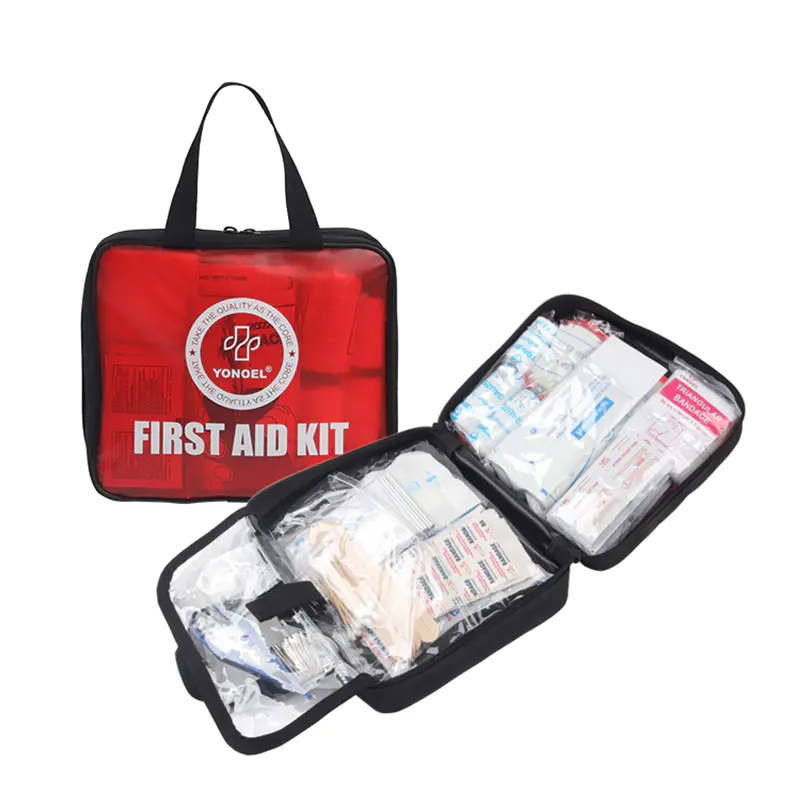
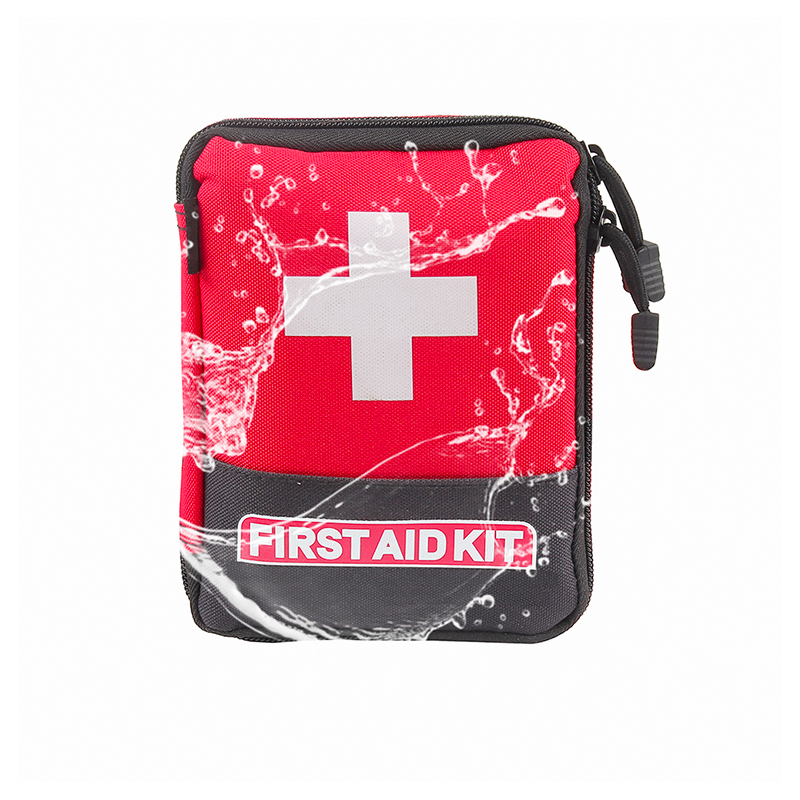
Most DIN13164 kits come in a sturdy, water-resistant pouch or hard case that doesn't take up half your glove box. The stuff inside is chosen because it's simple, effective, and doesn't need fancy training to use.
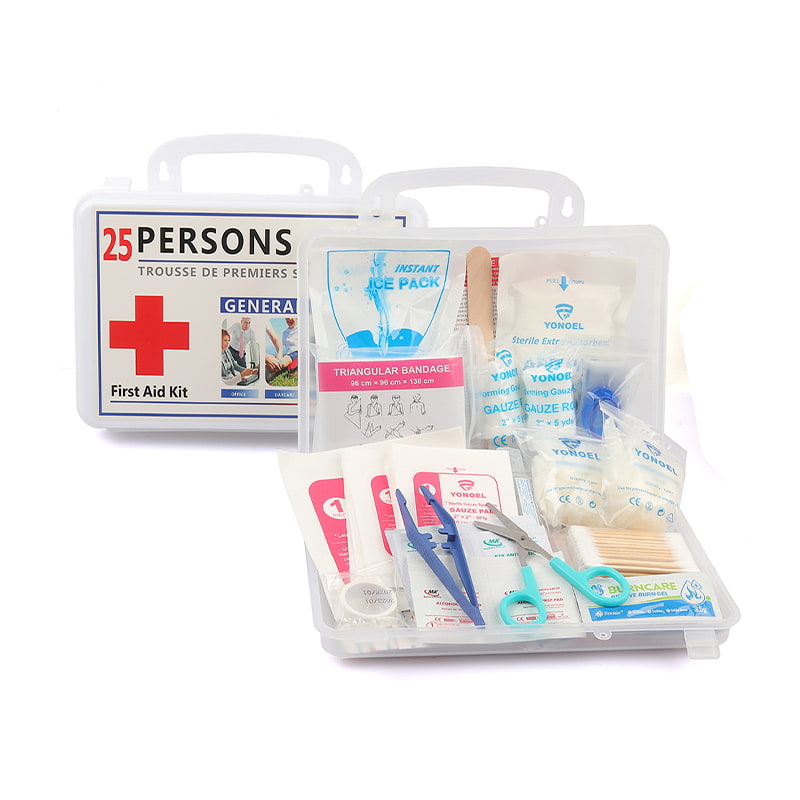
You get a bunch of different adhesive bandages—small ones for fingers, bigger strips for knees or elbows. There are sterile compresses and gauze pads for anything that's bleeding more than a trickle. Elastic bandages wrap around sprains or hold dressings tight. Triangular cloths work as arm slings, head wraps, or ties for splints.
Disposable gloves are standard so you don't get blood all over your hands (or spread germs the other way). Scissors cut tape, clothing, or seat belts if you have to. A shiny emergency blanket keeps someone from going into shock from cold or blood loss. Wipes clean dirt off skin before you bandage. Face masks showed up in later versions to add a bit of protection when you're breathing close to someone hurt.
And there's always a little first-aid booklet—short, clear pictures and steps that walk you through the basics even if your mind's racing.
| Group | Typical Items | What It’s For |
|---|---|---|
| Bandages & Dressings | Sticky plasters, sterile pads, gauze | Covering cuts, stopping light bleeding |
| Support & Wrapping | Elastic bandage, triangular cloth | Holding things in place, slings, braces |
| Tools & Protection | Scissors, latex-free gloves | Cutting, safe handling |
| Cleaning & Hygiene | Antiseptic wipes, face masks | Cleaning wounds, basic barrier |
| Comfort & Guidance | Foil blanket, first-aid instructions | Warmth, step-by-step help |
Obviously the legal side matters in places where it's required—get pulled over without it and you can get a fine. But most people who've had to open theirs say the rule is just a nudge; the real reason is practical.
A fender-bender leaves someone with a bloody forehead from hitting the mirror—press a pad, wrap it, wait for help. Kid falls off a bike during a park stop—clean the gravel out, bandage the knee, calm everyone down. Someone gets light-headed on a long drive—the blanket and a quiet place to sit can make a big difference while you call for assistance.
It's also handy when you're the helper, not the hurt one. You pull over at a minor crash and can hand gloves to someone already helping, or cover a wound so it's not getting dirtier. That little kit turns bystanders into useful people instead of just worried watchers.
Most uses aren't dramatic movie crashes. It's more often:
The mask and wipes come in handy if you're close to someone coughing or if the scene is messy. The booklet gets flipped open more than you'd think—people forget pressure points or sling-tying under stress.
Even when nothing big happens, just knowing it's there changes how you feel about long drives or hauling the family around.
Kits don't stay perfect forever. Every six months or so, open it up and look:
Keep it out of blazing sun and freezing trunks if possible; heat cooks adhesives, cold makes things brittle. A dry glove box or under-seat spot usually works fine.
After you use anything, make restocking the next errand. Empty kits are worse than no kit—gives false security.
If you cross borders a lot, glance at what the next country wants. Sometimes you just add a couple extra items; sometimes the DIN kit already covers it.
Germany checks for these during vehicle inspections and random stops—missing one can mean a ticket. Austria, Switzerland, and several others have close equivalents or accept DIN13164 as compliant. Rental cars usually have them, but it's smart to peek before you drive off.
Commercial drivers (taxis, vans, trucks) often face stricter minimums, sometimes bigger kits. Tourists get leeway, but locals don't.
The fines aren't huge, but the hassle of a roadside ticket isn't worth skipping it. More importantly, having the kit ready is the bigger win.
American car kits tend to be looser—some states suggest a list, most don't require anything. Worksite kits follow ANSI classes and can include splints, eye wash, burn gel. Canadian provincial rules vary, often asking for resuscitation masks in certain vehicles.
The DIN13164 is tighter and more vehicle-specific—focused on compact, easy-to-use basics rather than heavy-duty trauma gear. That makes it great for Europe's dense road network and quick emergency response times.
For travel, it's a reliable core you can build on if you need extras for camping or off-road stuff.
They're small enough not to crowd the car but complete enough to handle real problems. The fixed list means no second-guessing what's missing. Durable cases last years in the trunk. And they're affordable—peace of mind without breaking the bank.
Families feel better on vacations. Solo drivers like the independence. Anyone who's ever waited 45 minutes for an ambulance on a back road understands why having your own starter kit matters.
Look for a solid case or bag that zips tight and has clear pockets inside. Make sure the contents match the current DIN list (things do get updated). Some kits throw in extras like reflective strips or a whistle—nice, but the core standard stuff is what counts.
If you've got little kids, see if there are smaller bandages or colorful ones. For bigger vehicles or families, a slightly roomier version leaves space to add personal items like allergy meds.
Read what other drivers say about how the bag holds up after a couple winters in the car.
Treat it like checking your spare tire or wiper fluid—quick look every few months. Show passengers where it is on long trips. Talk through a couple basic steps with the family so everyone's on the same page if something happens.
That small routine turns the kit from “that thing in the trunk” into something you trust.
Some think these are only for huge wrecks—they're really for the small-to-medium stuff that happens way more often. Others assume the contents never go bad—adhesives dry out, sterile seals fail, gloves age.
A lot of people figure you need training to use it—the booklet and simple designs mean almost anyone can manage the basics. It's not about being a hero; it's about doing the first reasonable thing.
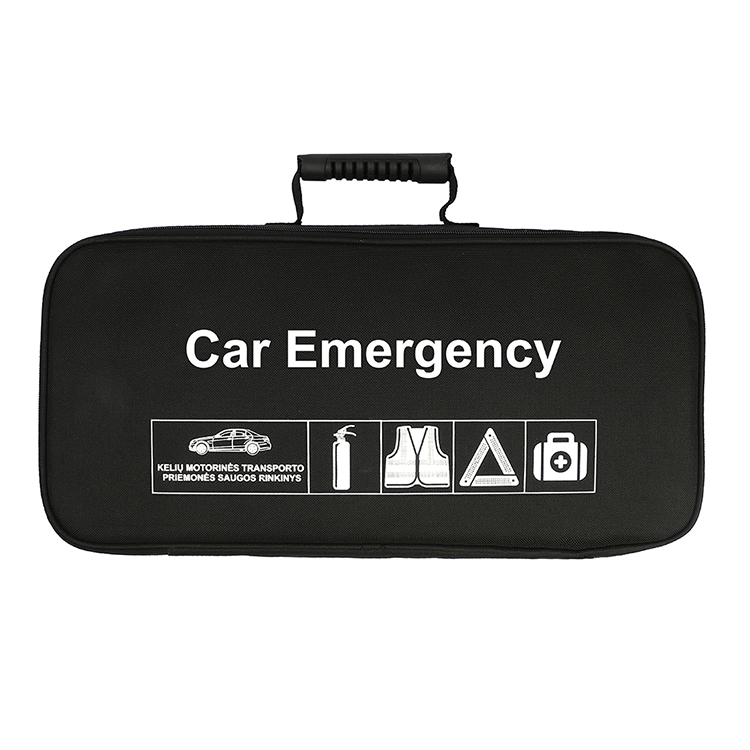
The kit works best alongside warning triangles, high-vis vests, and a phone charger. Together they cover the full roadside scenario—safety, visibility, communication, and basic care.
A small multi-tool or flashlight in the same bag rounds things out without turning the car into a survivalist rig.
DIN13164 first aid kits give drivers a practical, no-nonsense way to handle the little (and not-so-little) emergencies that pop up on the road. They balance legal must-haves with real usefulness, and they've earned their spot in glove boxes and trunks for good reason.
If you're looking for well-made kits that follow this standard closely, puts them together with solid materials and clear organization. Yonoel focuses on durable cases, fresh contents, and layouts that make grabbing the right item fast and obvious—exactly what you want when things are stressful.
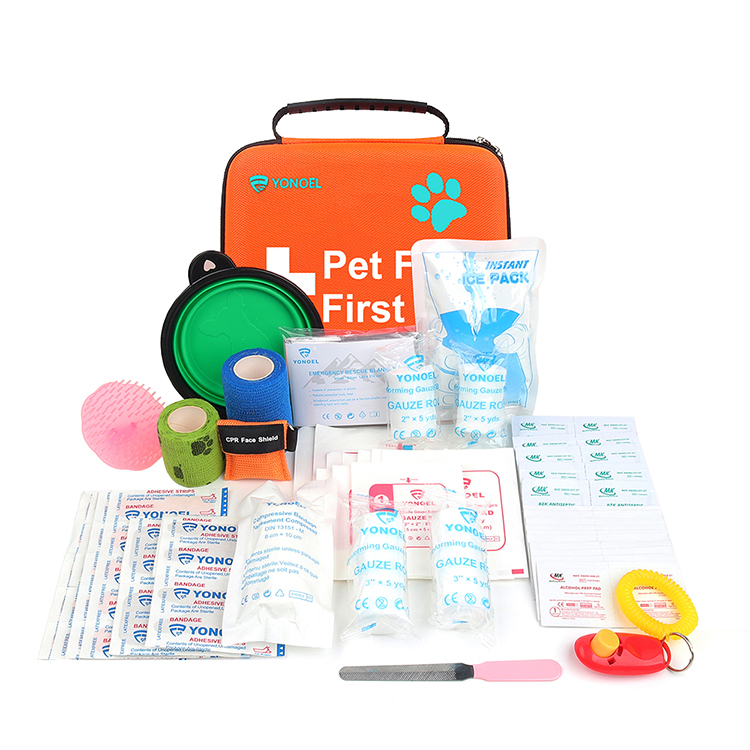
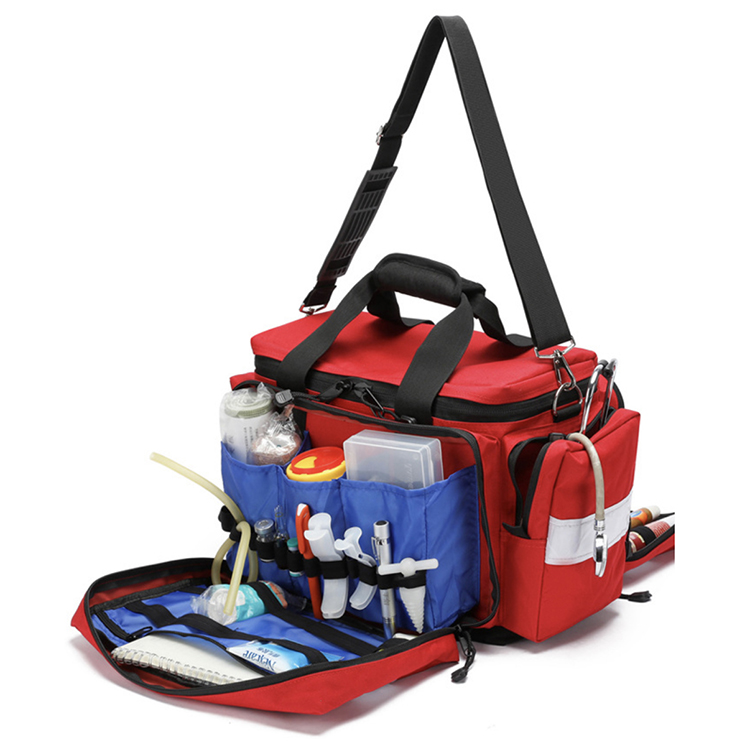
Yonoel offers sizes and styles that fit everyday cars, family SUVs, or longer-haul vehicles, all built with an eye on lasting through seasons and real use. Getting in touch lets you pick something reliable that slots right into your driving routine without any guesswork.
.jpg)
No. 52, Hulian West Street, Jiangbei Street, Dongyang City, Jinhua City, Zhejiang Province, China
Quick Links
Product Center
Contact Us
 PRIVACY

 English
 Deutsch
 Français
 русский
 Español