A vehicle first aid kit is often treated as a simple accessory, but in practice it sits at the intersection of product design, safety use, and market compliance. Buyers usually notice the outer package first, yet the real value is in how the kit is assembled, how stable the contents are, and how closely the product matches the intended market.
When people evaluate a Din13164 First Aid Kit Supplier, they are usually checking more than a product list. They want to know whether the contents are arranged in a practical way, whether the materials hold up in vehicle storage, and whether the supply process stays steady from one order to the next. Those details matter because this type of kit is expected to remain ready for use, even after long storage inside a car.
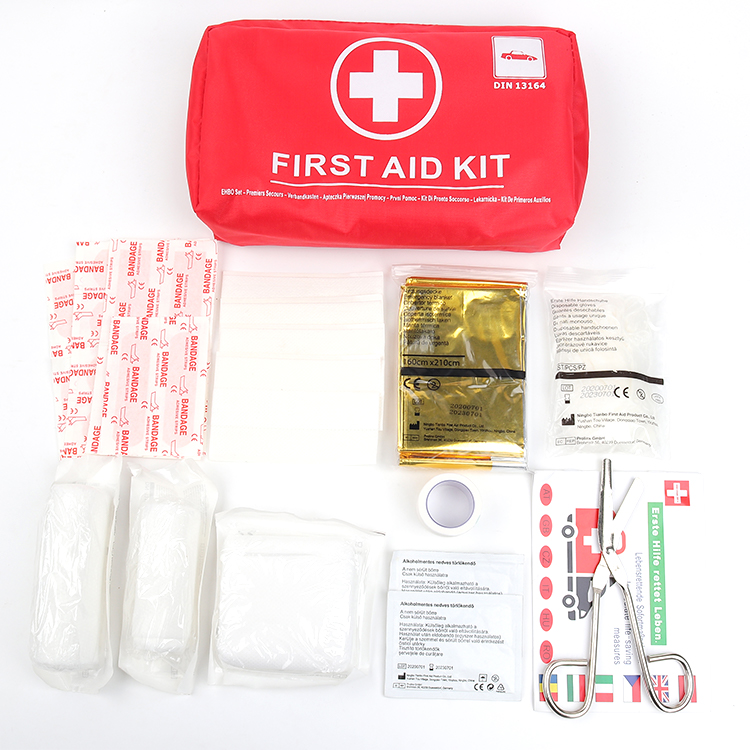
The contents of a vehicle first aid kit are usually straightforward, but each item has a specific role. The purpose is not to provide full medical care. It is to support immediate response before more complete help is available.
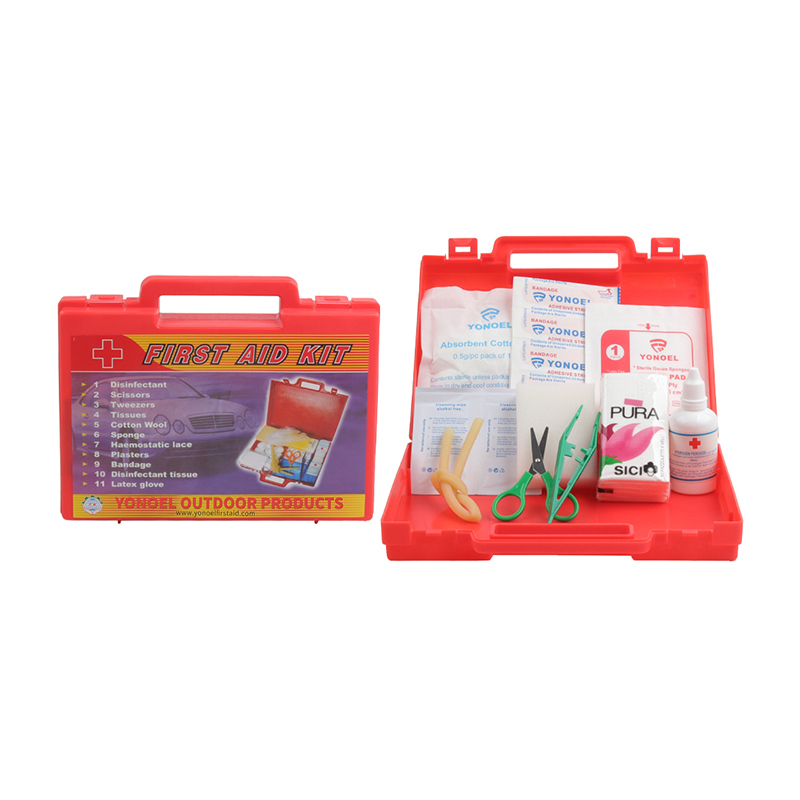
A typical kit includes items such as:
Each piece is selected because it can be used quickly. In a vehicle setting, that matters more than complex tools that require training or special handling. The internal layout also needs to be easy to read at a glance. When someone opens the kit in a stressful moment, the arrangement should make sense without much searching.
That is one reason buyers often look closely at how a Din13164 First Aid Kit Supplier builds the kit. The internal order is part of the product, not just the packaging.
A small point that is often overlooked is storage behavior. Materials that seem fine on a desk can feel different after spending time in a hot or cold vehicle. So the structure of the kit should support both access and durability.
Compliance is not only about content. It also affects labeling, packaging, and how the product is presented to buyers. Different markets may ask for slightly different formats, and those differences can change how a kit is designed without changing its basic purpose.
In practice, several parts are influenced by compliance needs:
A supplier working across several markets often needs to balance standardization with local expectations. That is not always a dramatic change. In many cases, it is a matter of adapting the packaging or the item arrangement so the product fits the target market more smoothly.
A Din13164 First Aid Kit Supplier usually has to manage that balance carefully. If the configuration changes too much, the product may lose consistency. If it changes too little, it may not fit the target market well enough. The workable middle is usually where most buyers focus their attention.
This is also why many procurement teams ask for sample checks before placing larger orders. They want to see whether the product presentation feels aligned with the market it is meant for.
Choosing a supplier is rarely about one feature alone. It is usually a review of several practical points that affect whether the product will be easy to buy, receive, and use later.
Before making a decision, buyers often look at:
A Din13164 First Aid Kit Supplier should be able to show stable product control, not just a polished sample. A sample can look good even when batch variation is a problem. For that reason, buyers often ask for details about production flow, component sourcing, and packing control.
Another issue is communication. A supplier that answers specification questions clearly is usually easier to work with during repeat orders. That does not guarantee a smooth project, but it reduces confusion when details need to be confirmed.
The same logic applies to automotive use. A kit placed in a car is expected to stay intact for a long period, so product consistency is part of the buyer's risk control, not just a purchasing preference.
Consistency usually comes from process control rather than one single step. If the materials, assembly method, and final inspection all follow the same routine, the finished kits are more likely to match each other.
| Production Stage | Main Focus |
|---|---|
| Material preparation | Checking component availability and grouping items |
| Assembly | Placing items in the planned layout |
| Inspection | Reviewing completeness and visible condition |
| Final packing | Sealing the kit and preparing it for shipment |
That structure may look basic, but it helps reduce small variations that can become larger problems later. Even a slight mismatch in packing order can affect how easily the kit is opened or repacked.
For a Din13164 First Aid Kit Supplier, this is one of the areas where trust is built over time. Buyers usually care less about a polished description and more about whether repeated orders feel the same. If the internal arrangement changes without notice, the buyer has to spend extra time checking each shipment.
A few practices commonly help with consistency:
None of those steps are unusual on their own. The value comes from doing them in a steady way.
Vehicle storage is a demanding environment. Heat, cold, moisture, and movement all affect how long a kit stays usable. That is why packaging choice matters as much as the contents inside.
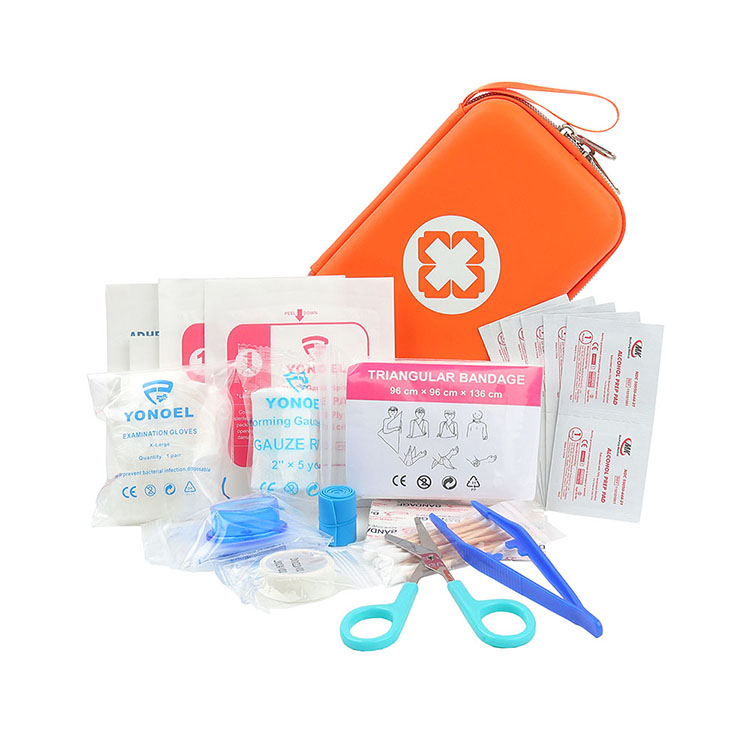
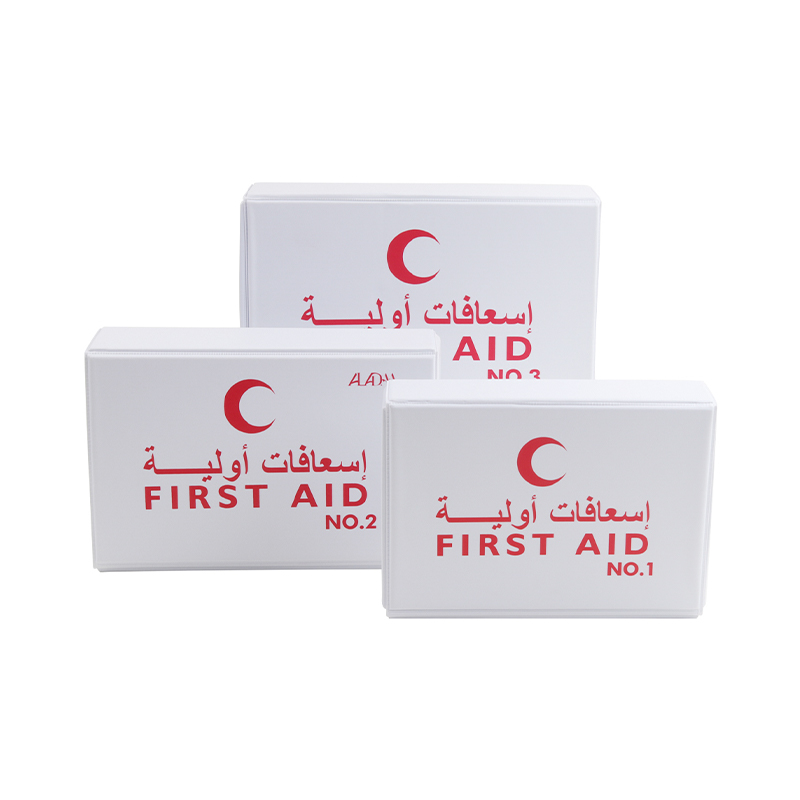
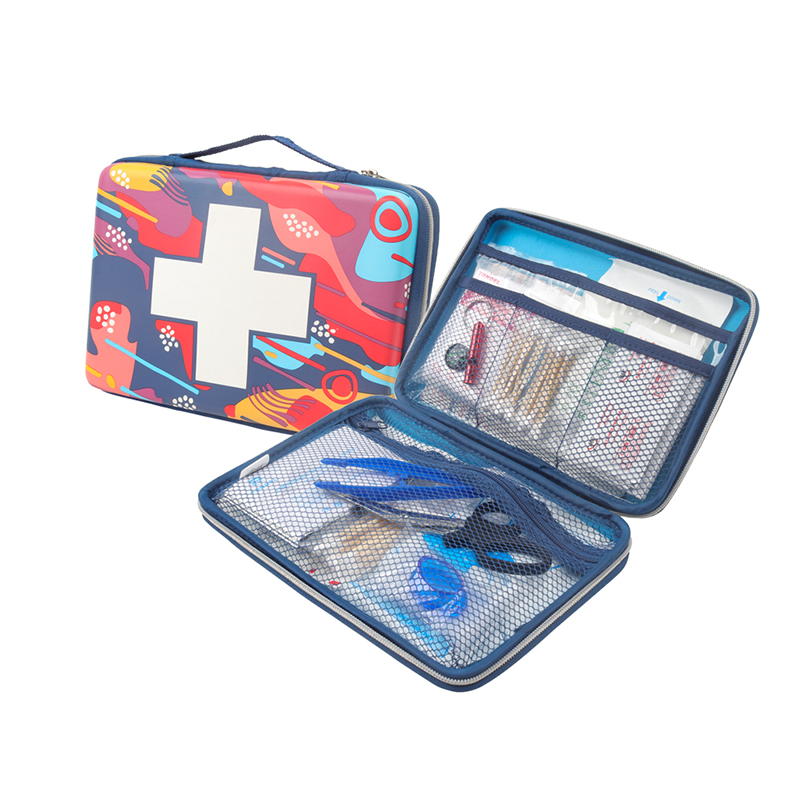
Soft bags and hard cases each have their own use pattern. A soft bag may be easier to store in a narrow space. A hard case may offer better shape retention. The right choice often depends on how the buyer plans to place the kit in the vehicle.
Material choice also affects the way the kit feels in use:
For a Din13164 First Aid Kit Supplier, durability is not just a selling point. It is part of whether the product still works after time in storage. If the package deforms easily or the print fades too soon, the user experience becomes weaker even when the contents are still present.
A practical design usually starts with one question: how will this kit behave after being left in a vehicle compartment for a long period? That question shapes a lot of material decisions.
Quality control in this kind of production is mostly about catching small issues before they become shipment problems. The aim is not to make every kit look identical in a decorative sense. It is to keep the structure, contents, and usability stable.
Common control points include:
A Din13164 First Aid Kit Supplier that applies clear checks at several stages is usually easier to work with on repeat orders. Buyers often care about whether the supplier can detect variation early, not only after the product reaches the warehouse.
Variation can appear in small ways. One batch may have a slightly different internal fold. Another may place an item in a different position. Those changes may seem minor, but in a standard kit, minor changes can create confusion during inspection or resale.
This is why quality control is often tied to packing discipline. The process works better when the assembly team knows the target layout and follows it without improvisation.
Price differences are usually tied to a mix of material choice, labor pattern, packaging format, and order handling. Buyers sometimes expect a simple explanation, but the cost structure is often layered.
A few common factors include:
A Din13164 First Aid Kit Supplier may quote differently depending on whether the kit is a soft version, a hard case version, or a customized pack. Small changes in layout can affect packing time and material use.
It also helps to compare suppliers on the same basis. Some quotations include a more complete package setup, while others focus on a basic internal configuration. If the comparison is not aligned, the numbers can look more different than they really are.
Buyers usually get a clearer picture when they ask for the same specification across each source. That makes the differences easier to read and avoids decisions based on incomplete comparisons.
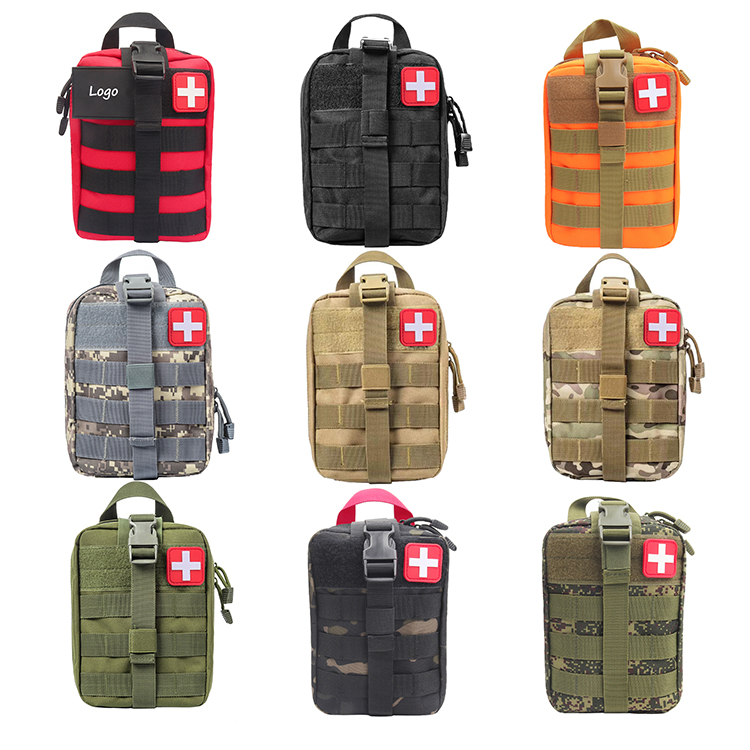
Branding on a safety kit is usually subtle. It may appear on the case, the label, or the outer packaging. The purpose is not decoration for its own sake. It is to make the product fit the channel where it will be sold.
Some buyers prefer a plain format. Others want a version that can sit naturally beside their own product line. That is where packaging flexibility becomes useful.
Common customization points include:
A Din13164 First Aid Kit Supplier that can handle these changes without disturbing the internal structure is easier to work with across different channels. The kit stays functionally familiar, while the outside presentation can shift to match the buyer's market.
For distributors, that flexibility can be useful across retail, fleet supply, and vehicle accessory channels. The product still serves the same core purpose, but the packaging can be adjusted to suit the audience.
No. 52, Hulian West Street, Jiangbei Street, Dongyang City, Jinhua City, Zhejiang Province, China
Quick Links
Product Center
Contact Us
 PRIVACY

 English
 Deutsch
 Français
 русский
 Español